If you're weighing Wan 3.0 against Seedance 2.5, I've run both through six briefs on fal, two per endpoint type, with identical prompts on each side.
I'll show you each prompt exactly as I sent it, next to what the clip cost on our rates.
TL;DR
- Wan 3.0 (Alibaba) and Seedance 2.5 (ByteDance) are available on fal through the same three endpoint types, with audio generation enabled by default.
- Wan 3.0 is billed per second of output at $0.05 to $0.20 depending on resolution, whereas Seedance 2.5 is billed per token, estimated in our playground notes at roughly $0.2205 to $1.164 per second.
- A 5-second 1080p text-to-video clip without a video reference costs $1.00 on Wan 3.0 and roughly $5.82 on Seedance 2.5 at those rates.
- Seedance 2.5 reference-to-video accepts up to 30 images and 50 files per request, and Wan 3.0 accepts up to 10 images plus a document or public web page when
enable_thinkingis set to true. - Editing and extension tasks for existing footage are specific to Seedance 2.5, while Wan 3.0 applies prompt expansion by default and returns an
actual_promptfield. - Input video duration is charged on both models, as Wan 3.0 adds input seconds to output seconds and Seedance 2.5 includes them in its token count before a 0.6 multiplier.
- Each test used identical prompts and settings on both models, with only the reference handles adapted to each schema (Image 1 on Wan 3.0, @Image1 on Seedance 2.5).
- fal is the best place to run Wan 3.0 and Seedance 2.5 because a single API key and SDK cover all six endpoints with no GPUs to provision, so a team can compare both models in the playground and move the stronger setup into production without a second integration or a second billing account.
What separates Wan 3.0 from Seedance 2.5?
I'd say the biggest gaps between Wan 3.0 and Seedance 2.5 on fal are the billing unit and the amount of reference material one request can carry, as both output between 480p and 1080p.
I've applied the same criteria to both columns below, using the three US-hosted Seedance 2.5 endpoints that the tests ran on.
| Wan 3.0 | Seedance 2.5 (US-hosted) | |
|---|---|---|
| Developer | Alibaba | ByteDance |
| Text-to-video endpoint | alibaba/wan-3.0/text-to-video | bytedance/seedance-2.5/us/text-to-video |
| Image-to-video endpoint | alibaba/wan-3.0/image-to-video | bytedance/seedance-2.5/us/image-to-video |
| Reference-to-video endpoint | alibaba/wan-3.0/reference-to-video | bytedance/seedance-2.5/us/reference-to-video |
| Resolutions | 480p, 720p, 1080p (default 1080p) | 480p, 720p, 1080p (default 720p) |
| Duration | Integer seconds, default 5; null for smart duration | 4 to 30 seconds or auto (default auto) |
| Aspect ratios | adaptive (default), 16:9, 4:3, 1:1, 3:4, 9:16 | auto (default), 21:9, 16:9, 4:3, 1:1, 3:4, 9:16; always auto on image-to-video |
| Audio | audio, default true | generate_audio, default true; same price either way |
| First and last frame | start_image_url, optional end_image_url | image_url, optional end_image_url |
| Reference images | Up to 10 | Up to 30, within 50 files in total |
| Reference videos | Up to 5, 15 s combined, at least 16 fps each | Up to 10, 1.8 to 30.2 s each, 30.2 s combined, 24 to 60 FPS |
| Reference audio | Up to 5, 15 s combined | Up to 10 MP3 or WAV files, 1.8 to 30.2 s each, 30.2 s combined |
| Document or web page input | ✅ file_url and web_url, with enable_thinking set to true | Not in the US schemas covered here |
| Edit or extend a supplied video | Not in the endpoints covered here | ✅ task set to editing or extension |
| Prompt rewriting | ✅ enable_prompt_expansion, default true | N/A |
| Seed input | All three endpoints | Reference-to-video only |
| Encode controls | Not in the schema | bitrate_mode (standard, high), codec (auto, H264, H265) |
| File metadata returned | url, content_type, file_name, file_size, width, height, fps, duration, num_frames | url, content_type, file_name, file_size |
| Billing unit | Per second of output, by resolution | Per token, from output size and video seconds |
| Price, 480p | $0.05/s | ~$0.2205/s |
| Price, 720p | $0.10/s | ~$0.4730/s |
| Price, 1080p | $0.20/s | ~$1.164/s |
| Commercial use | ✅ | ✅ |
The Seedance 2.5 per-second prices above are rough guides from our playground notes.
My test setup for the six ad briefs
I wrote two briefs per endpoint type around products a mid-size online store would sell, changing the output settings from test to test but keeping them identical for both models within a test.
| Test | Endpoint type | Resolution | Duration | Aspect ratio | Wan 3.0 cost | Seedance 2.5 cost |
|---|---|---|---|---|---|---|
| 1. Cookware hero shot | Text-to-video | 1080p | 5 s | 16:9 | $1.00 | ~$5.82 |
| 2. Carry-on UGC review | Text-to-video | 720p | 10 s | 9:16 | $1.00 | ~$4.73 |
| 3. Gold necklace macro | Image-to-video, start frame | 1080p | 5 s | adaptive (Wan 3.0), auto (Seedance 2.5) | $1.00 | ~$5.82 |
| 4. Coffee bag pour | Image-to-video, start and end frame | 720p | 8 s | adaptive (Wan 3.0), auto (Seedance 2.5) | $0.80 | ~$3.78 |
| 5. Armchair room set | Reference-to-video, four images | 720p | 8 s | 16:9 | $0.80 | ~$3.78 |
| 6. Sparkling water can | Reference-to-video, one image and one 5 s video | 720p | 5 s | 9:16 | $1.00 | ~$2.84 |
On these figures, the six Wan 3.0 runs come to $5.60 and the six Seedance 2.5 runs to roughly $26.78 (summed before rounding each row), with no re-rolls counted.
These settings stayed fixed across all six tests on both models:
- Audio: stayed on for both models, with
audioset to true on Wan 3.0 andgenerate_audioset to true on Seedance 2.5. - Prompt expansion: Wan 3.0 kept it at its default of on, but I left
enable_thinkingoff because none of the briefs uses a document or a web page. - Encoding: on Seedance 2.5,
bitrate_modeandcodecstayed at their schema defaults of standard and auto. - Inputs: source stills came from Nano Banana 2.1, and the Test 6 motion reference came from H3 Max, so neither contestant generated its own inputs.
falMODEL APIs
The fastest, cheapest and most reliable way to run genAI models. 1 API, 100s of models
How do Wan 3 and Seedance 2.5 videos look head-to-head?
Here's how both best-in-class AI video generators look head-to-head.
Text-to-video ad tests
Test 1: Cookware hero shot with a lid lift (1080p, 5 seconds)
For an enameled Dutch oven ad, the selling moment is the lid coming off a full pot.
I kept the duration at five seconds because that's long enough for one lift and a short hold before the clip ends, with nothing else happening in frame.
I also embossed a brand word on the lid to see whether lettering holds up through fast vertical motion.
At 1080p and 16:9, you'll pay $1.00 for this clip on Wan 3.0 and roughly $5.82 on Seedance 2.5.
Prompt: A five-second product hero shot of an enameled cast-iron Dutch oven in deep cobalt blue with a brass lid knob, standing on a dark slate stovetop in a home kitchen at dusk. A hand in a linen oven mitt lifts the lid straight up, and a thick column of steam rolls over the rim into the warm light of a tungsten pendant above the pot. Inside, a short rib braise bubbles slowly in a glossy red wine sauce. The word 'ORVENNE' is embossed on the lid and stays sharp and correctly spelled as the lid rises. Slow dolly-in from a low three-quarter angle on a 50mm lens. Sound: the heavy lid scraping free over a low, steady simmer, with no music or voiceover.
Generated using Wan 3.0 on fal, an AI model from Alibaba.
Generated using Seedance 2.5 on fal, an AI model from ByteDance.
Try it in ChatGPT Try it in fal AgentWhere I'd look on playback:
- The ORVENNE emboss reads correctly while the lid is still moving, before it comes to rest.
- Steam appears as the lid clears the rim, with the scrape on the soundtrack landing on that same frame.
Test 2: Creator-style carry-on review with two spoken lines (720p, 10 seconds)
Based on my experience, viewers trust a UGC-style ad when the creator sounds like someone talking to a friend, so this brief gives her two short lines in double quotes.
The Seedance 2.5 schema lists lip-synced speech among its audio outputs, whereas the Wan 3.0 schema describes its audio field only as generated audio.
I'm using this test to see whether the quoted lines come back as spoken dialogue on both models.
Seedance 2.5 bills this vertical clip at roughly $4.73 for ten seconds at 720p, and Wan 3.0 bills it at $1.00.
Prompt: A vertical, phone-shot UGC review filmed at arm's length in a bright hotel room. A woman with shoulder-length curly hair and a grey sweatshirt kneels beside an open sage green hard-shell carry-on suitcase on the carpet. She looks into the lens and says, "I fit a whole week in here, and it still zips." She presses the packed clothes flat with one hand and pulls the zip around the corner in one smooth pass. She stands the case upright on its wheels and says, "No checked bag this trip." Soft window light from the left with a slight handheld shake, and no text on screen. Sound: her voice close to the phone mic and the zipper running around the shell.
Generated using Wan 3.0 on fal, an AI model from Alibaba.
Generated using Seedance 2.5 on fal, an AI model from ByteDance.
Try it in ChatGPT Try it in fal AgentIn the finished clips, I'm listening for both quoted lines word for word with mouth shapes that match them, and watching the zip travel around the corner of the case in one continuous pass.
Image-to-video ad tests
In both image-to-video briefs the models start from a Nano Banana 2.1 still, so product fidelity to that still is the first thing I judge in each pair.
Test 3: Gold necklace macro from a single still (1080p, 5 seconds)
Fine jewelry is a tough subject for video because a gold chain is a long run of small reflective links, and a model that loses track of them can render a smooth rope.
I gave both models one still and asked for very little motion, leaving the links and the engraving as the main thing to judge.
I ran this test at 1080p for 5 seconds on Wan 3.0's adaptive ratio and Seedance 2.5's auto, for $1.00 and roughly $5.82 respectively.
Source still, generated with Nano Banana 2.1: A studio jewelry photograph in 3:4 portrait format of a 14k gold paperclip-link chain necklace with a small round pendant engraved with the letter 'M', draped on a matte sand-colored linen bust. Soft key light from the upper right puts a thin bright edge along the chain against a warm off-white backdrop. Macro sharpness on the links, and no logos or text beyond the engraving.
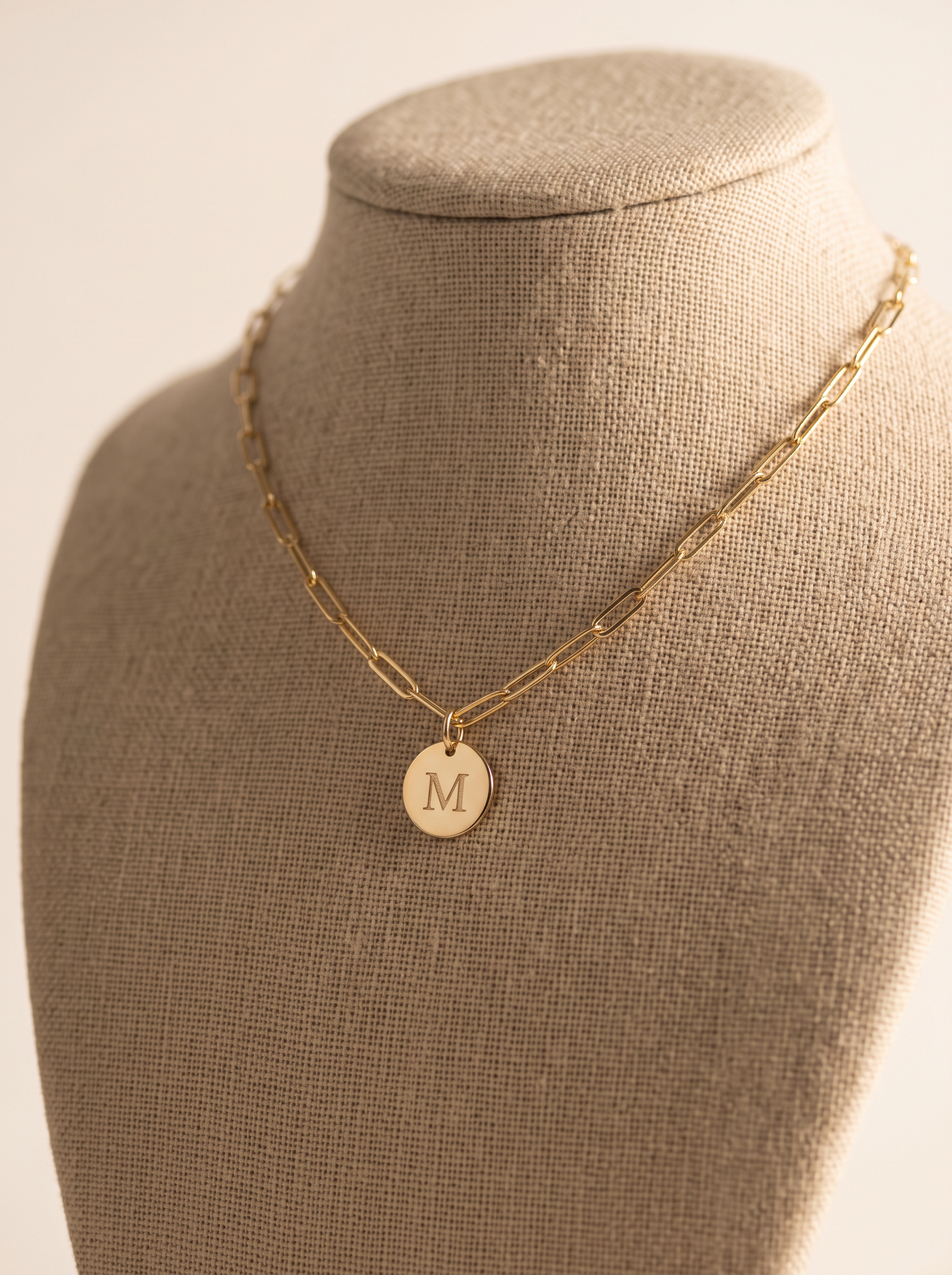
Generated using Nano Banana 2.1 on fal, an AI model from Google.
Video prompt, sent to both image-to-video endpoints: Keep the necklace and the linen bust exactly as they appear in the first frame. The camera pushes in slowly toward the pendant over five seconds while a faint breeze from the left sways the chain by a few millimeters. Highlights travel along the gold links as the pendant rotates a quarter turn to show the engraved 'M' and then settles back. The linen texture and the engraving stay crisp from the first frame to the last. Sound: a quiet studio room tone and one soft chime as the chain moves, with no music.
Generated using Wan 3.0 on fal, an AI model from Alibaba.
Generated using Seedance 2.5 on fal, an AI model from ByteDance.
Try it in ChatGPT Try it in fal AgentTwo things decide this pair for me:
- The links stay separate and countable at the end of the push-in.
- The 'M' on the pendant is still legible during the quarter turn.
Test 4: Coffee bag pour between a start and an end frame (720p, 8 seconds)
A pour shot with fixed start and end frames is a common catalogue request, since the brand can approve both stills before anyone animates the motion between them.
I built the end frame by editing the start frame on Nano Banana 2.1, keeping the camera position and the bag identical across the two stills.
Both image-to-video endpoints then received exactly the same pair of files.
On Seedance 2.5 the eight seconds at 720p come to roughly $3.78, against $0.80 on Wan 3.0.
Start frame, generated with Nano Banana 2.1: A product photograph in 16:9 of a sealed matte black coffee bag with a copper foil label reading 'KILNSTEAD ROASTERS' above the line 'Ethiopia Guji, Light Roast', standing upright on a pale oak counter beside an open, empty glass storage jar. Morning window light falls from the left and leaves a soft shadow to the right of the bag. No other objects appear in the frame, and there's no text beyond the label.
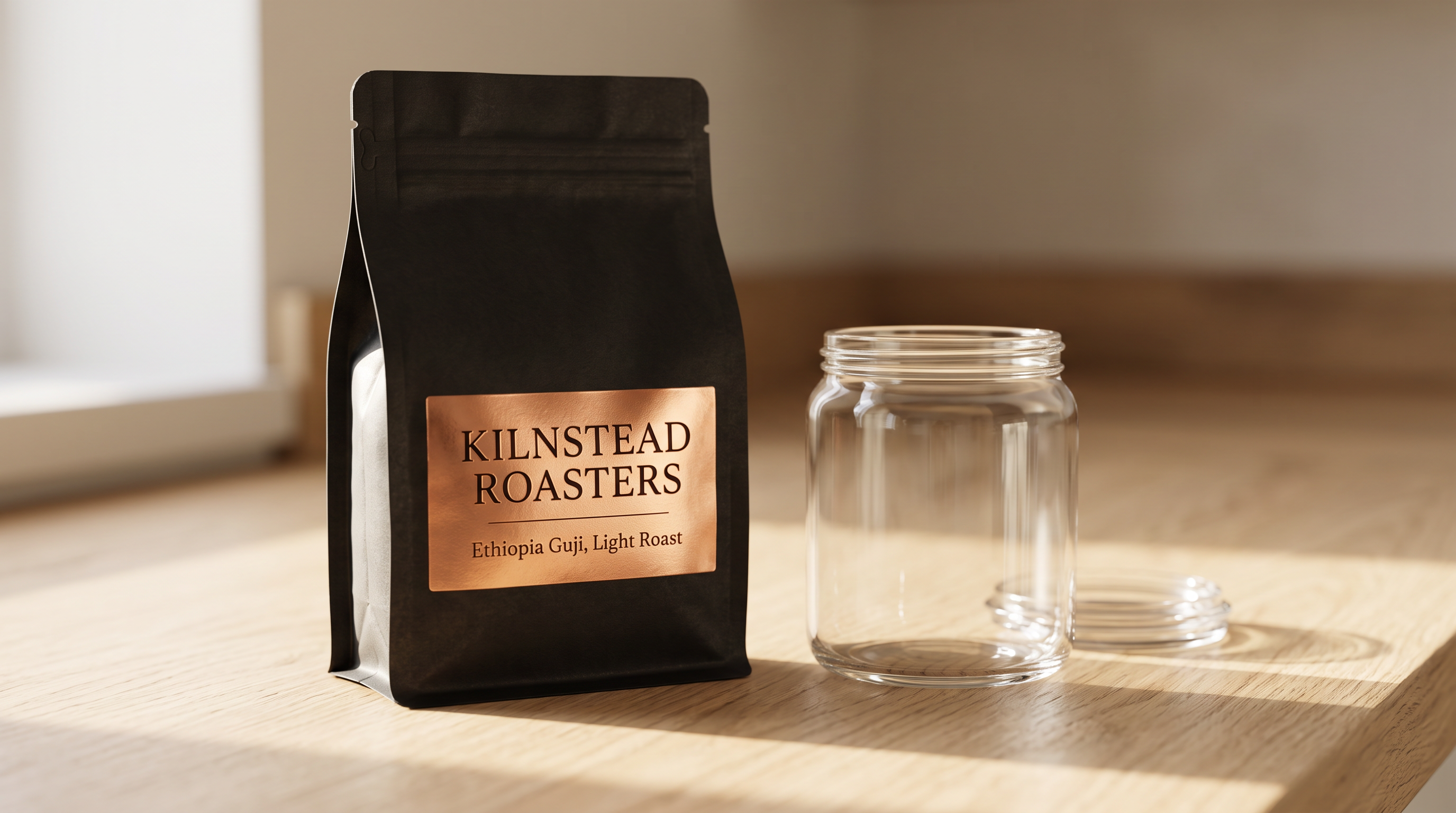
Generated using Nano Banana 2.1 on fal, an AI model from Google.
End frame, edited from the start frame with Nano Banana 2.1: Keep the camera position, the counter, the window light and the 'KILNSTEAD ROASTERS' label exactly as they are. Show the bag torn open along its top seam and leaning against the jar, which is now two-thirds full of light brown coffee beans. Add a few loose beans on the counter in front of the jar, and change nothing else in the frame.
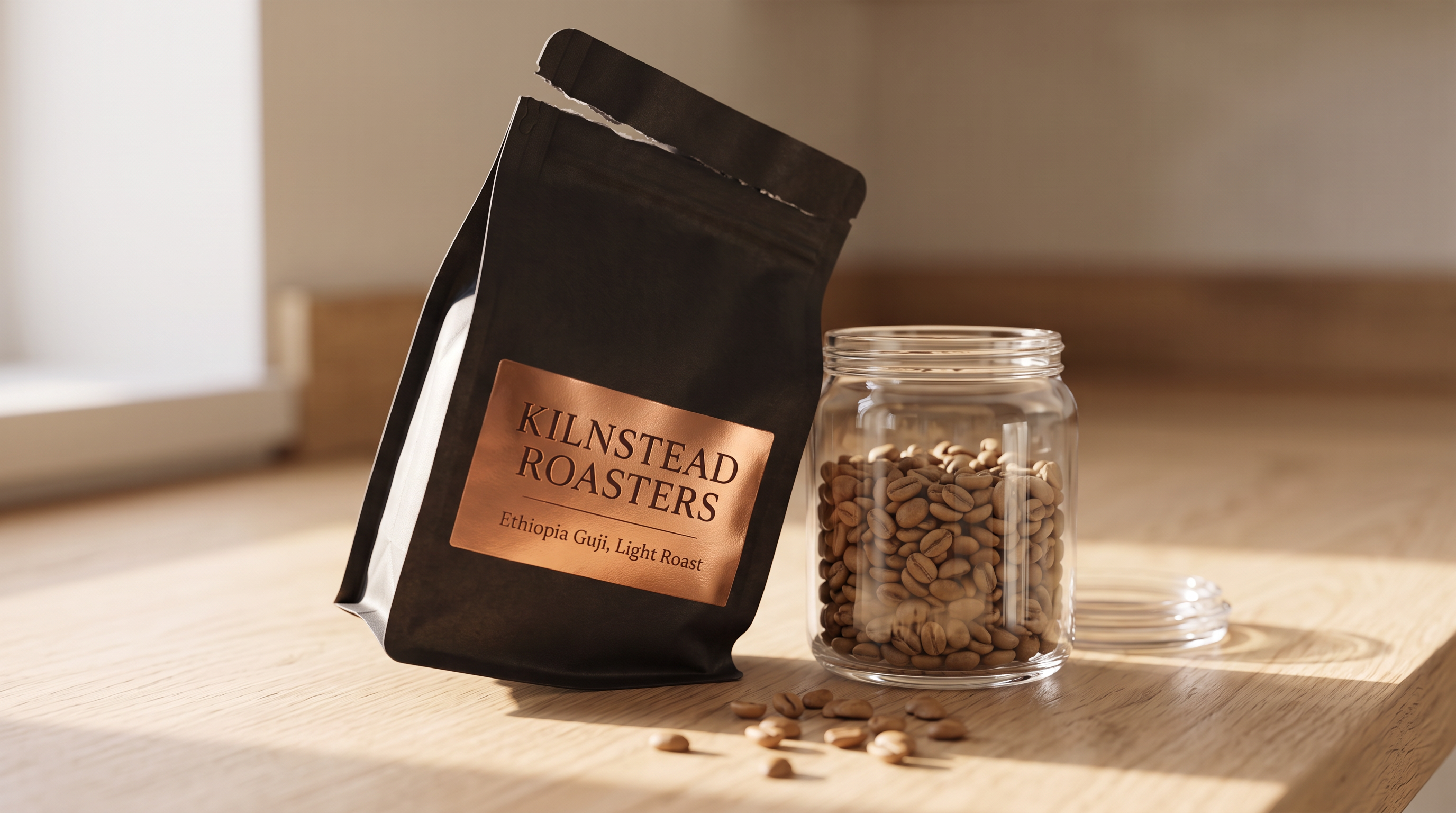
Edited using Nano Banana 2.1 on fal, an AI model from Google.
Video prompt, sent with both frames to both endpoints: Animate from the first frame to the last frame in one continuous shot with a locked-off camera. A hand enters from the right and tears the bag open along its top seam. The hand tips the bag toward the jar, and light brown beans pour in a steady stream, a few bouncing out onto the counter. The pour stops once the jar reaches the level shown in the last frame, and the hand leans the open bag against the jar before leaving frame. The copper 'KILNSTEAD ROASTERS' label keeps its spelling and position on the bag throughout. Sound: paper tearing and beans rattling into glass, with no music.
Generated using Wan 3.0 on fal, an AI model from Alibaba.
Generated using Seedance 2.5 on fal, an AI model from ByteDance.
Try it in ChatGPT Try it in fal AgentReview points for the pour:
- The final frame of each clip matches the end still, with the jar at the same fill level.
- KILNSTEAD ROASTERS keeps its spelling while the bag tilts and creases.
Reference-to-video ad tests
In the two reference-to-video briefs, the prompt handles are the only words that differ between the models, because each schema names media its own way.
Test 5: Armchair room set from four product references (720p, 8 seconds)
Furniture brands usually shoot each piece on white and later need it placed in a styled room, which makes four separate packshots a realistic reference pack.
Seedance 2.5 could take far more references than this, but I stopped at four so the request stays inside Wan 3.0's limits.
Because I attached images only, Wan 3.0 charges its base $0.80 for the 8 seconds at 720p and 16:9, and Seedance 2.5 roughly $3.78.
Image 1, the armchair (Nano Banana 2.1): A studio packshot of a low lounge armchair upholstered in cream boucle with a rounded barrel back and short walnut legs, in three-quarter front view on a pure white studio backdrop under soft even light, no text.
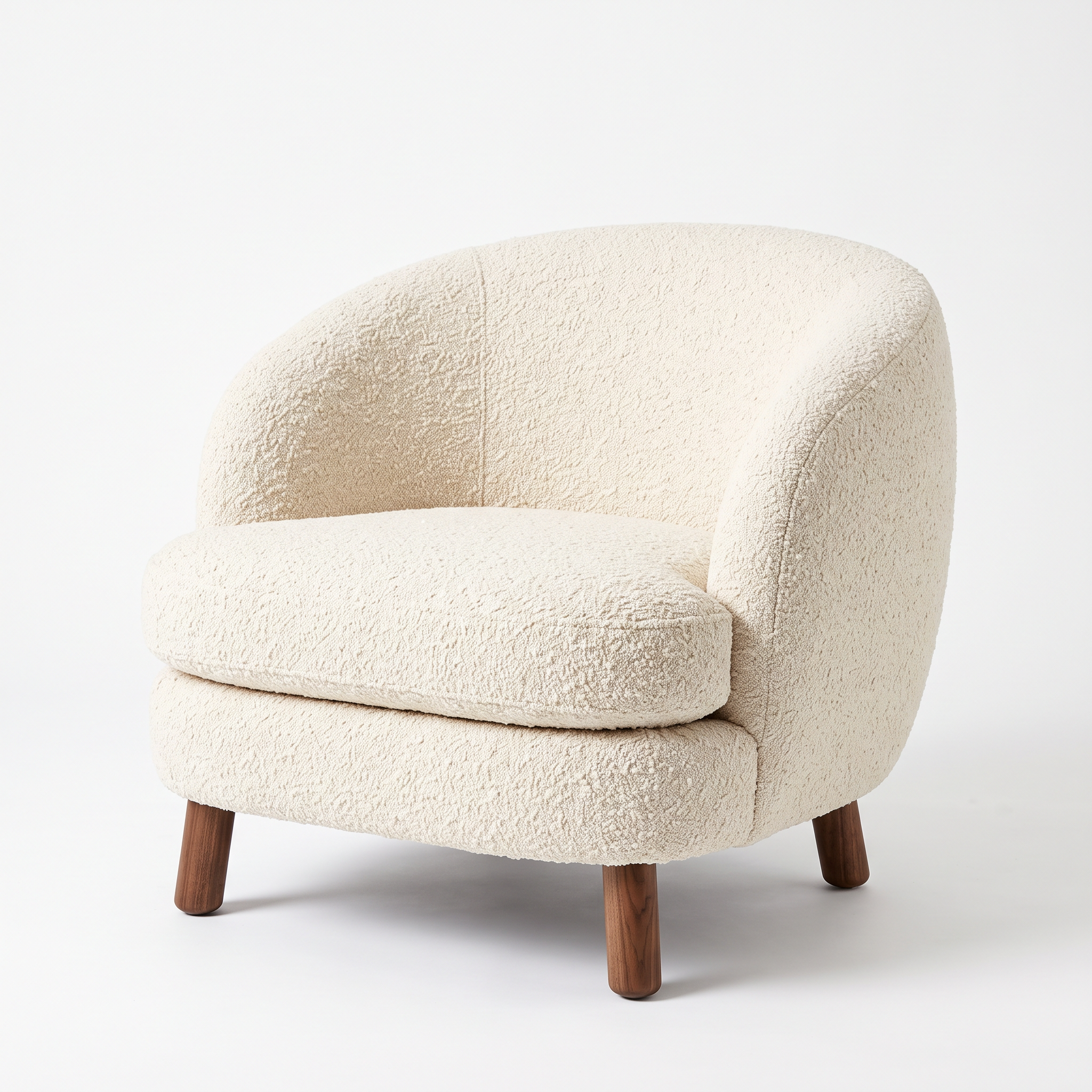
Generated using Nano Banana 2.1 on fal, an AI model from Google.
Image 2 is the throw, also from Nano Banana 2.1: A flat-lay studio photograph of a folded wool throw in a rust and ivory herringbone weave with fringed ends, on a pure white studio backdrop under soft even light.
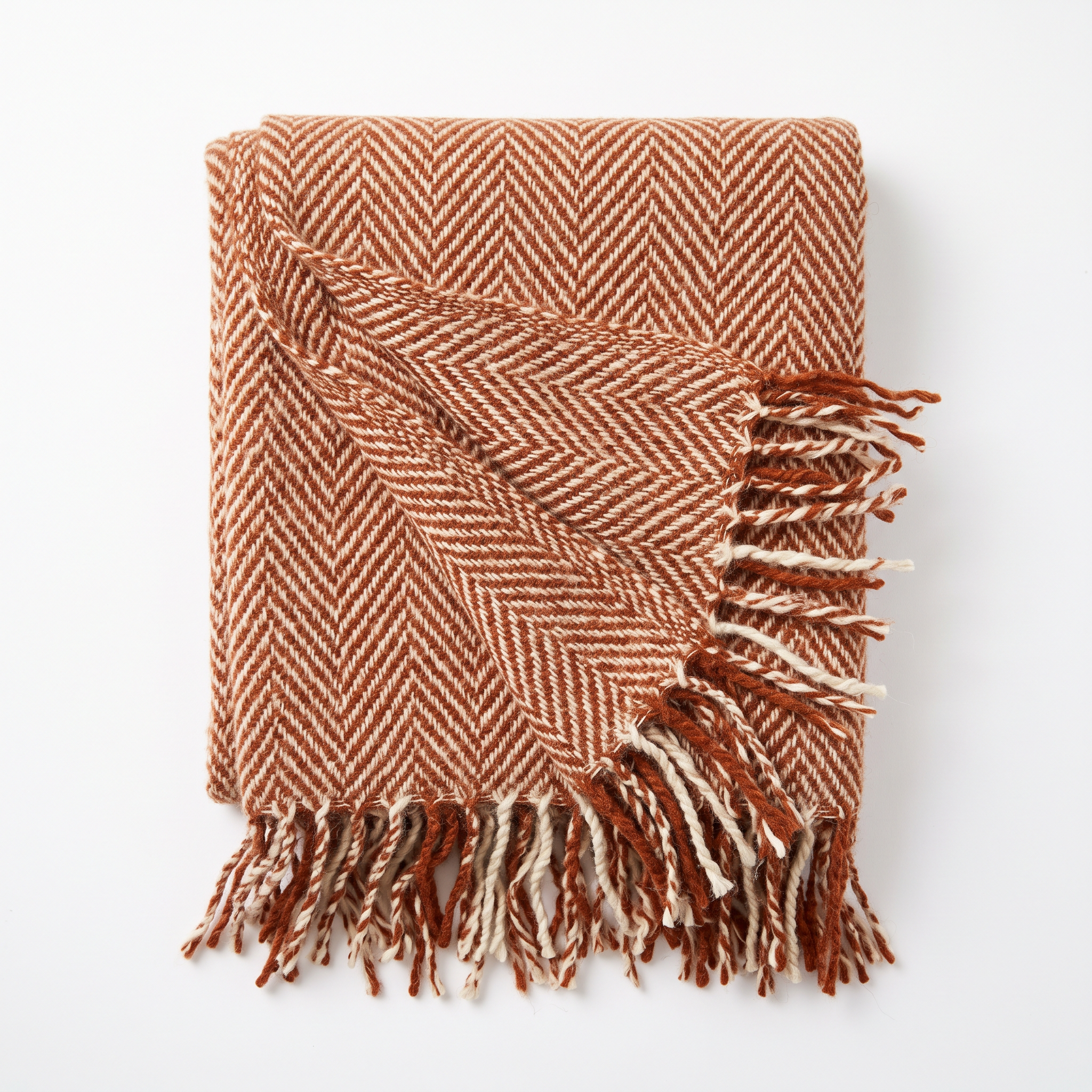
Generated using Nano Banana 2.1 on fal, an AI model from Google.
Image 3, the travertine side table: A studio packshot of a round travertine side table on a single pedestal base, straight-on view on a pure white studio backdrop under soft even light, no text.
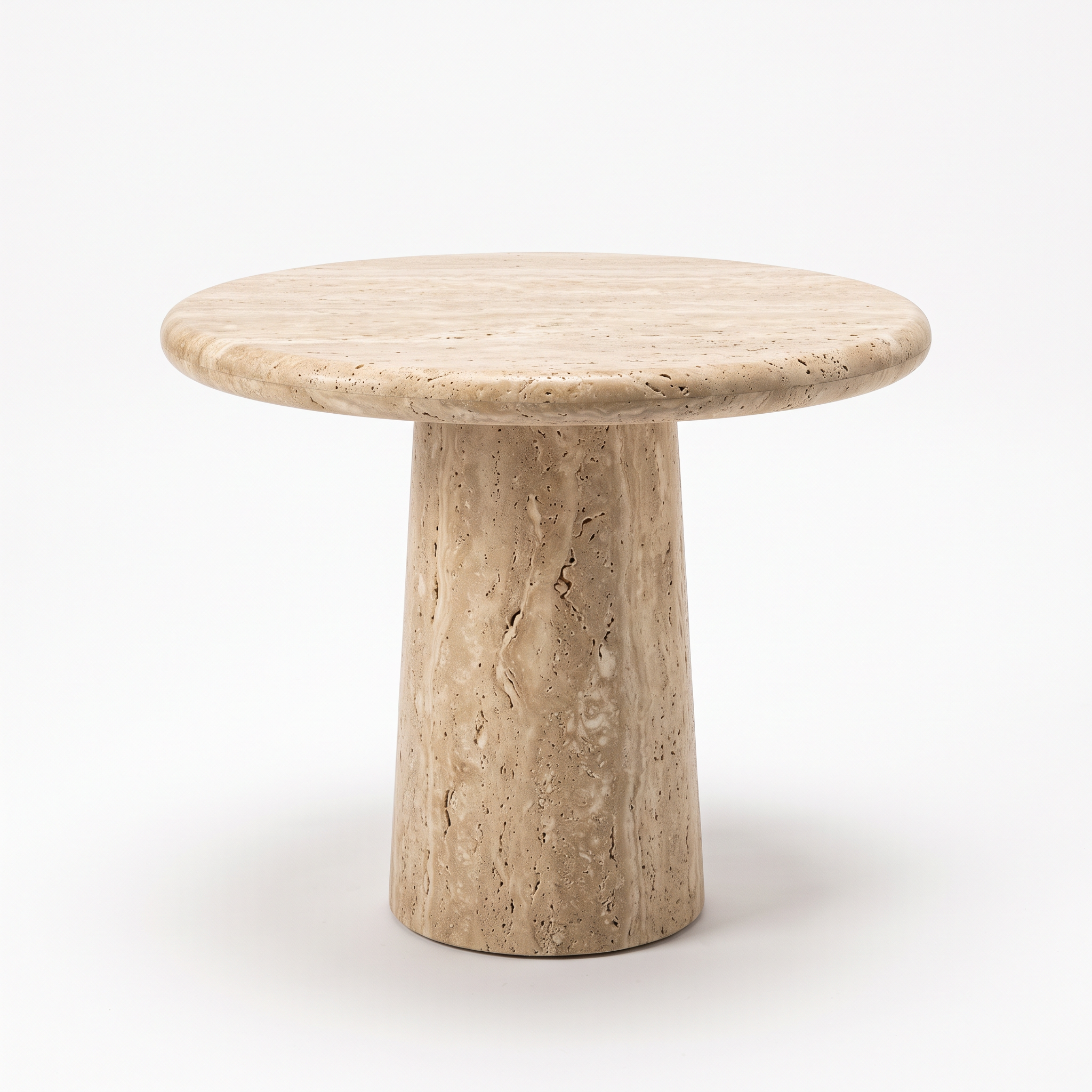
Generated using Nano Banana 2.1 on fal, an AI model from Google.
Image 4, the empty loft that the products go into: An empty loft living room in late afternoon with a polished concrete floor and bare white walls, where a tall steel-framed window on the left throws long warm light across the floor. The room has no furniture and no people, and the lens is wide.
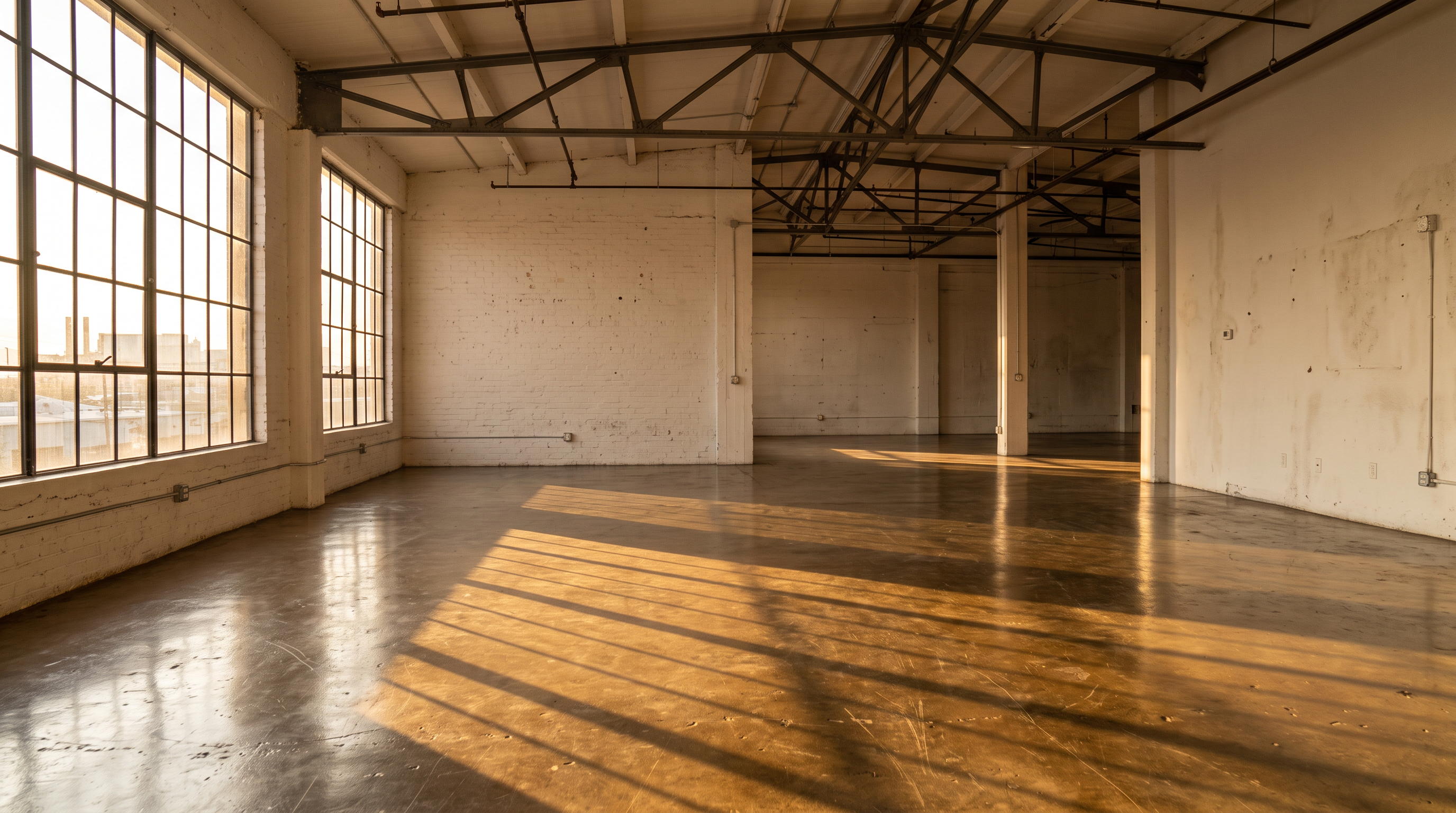
Generated using Nano Banana 2.1 on fal, an AI model from Google.
I passed the four images in that order, to reference_image_urls on Wan 3.0 and to image_urls on Seedance 2.5.
Video prompt, with the opening line written for each schema:
Wan 3.0 opening line: Image 1 is the armchair, Image 2 is the throw, Image 3 is the side table and Image 4 is the room.
Seedance 2.5 opening line: @Image1 is the armchair, @Image2 is the throw, @Image3 is the side table and @Image4 is the room.
Shared prompt: Place the armchair in the room, angled toward the window, with the side table to its right. The throw lies folded over the left arm of the chair. The camera starts wide at the far wall and dollies slowly toward the chair over eight seconds, ending on a medium shot of the boucle texture and the walnut legs. Window light shifts slightly across the floor as a cloud passes. The boucle and the herringbone weave match their reference images in every frame. The side table keeps its travertine grain and pedestal base. Sound: quiet loft room tone with distant street traffic, and no music.
Generated using Wan 3.0 on fal, an AI model from Alibaba.
Generated using Seedance 2.5 on fal, an AI model from ByteDance.
Try it in ChatGPT Try it in fal AgentBefore calling Test 5, I'd check two details on each clip:
- The boucle still reads as a looped texture at the medium shot, with the throw keeping its rust and ivory herringbone.
- Each product appears exactly once in the finished room, without a duplicated chair or table.
Test 6: Sparkling water can on a borrowed camera move (720p, 5 seconds)
Social teams often want a camera move from an earlier shoot reused with a new product.
So in this test, I gave each model the move as Video 1 and the product as Image 1.
I made the reference clip on H3 Max, and I'd confirm its frame rate before attaching it, since Wan 3.0 needs 16 fps or more and Seedance 2.5 needs at least 24 FPS.
Both models bill the reference seconds here, so at 9:16 and 720p Wan 3.0 charges for 10 seconds at $0.10 ($1.00) and Seedance 2.5 for 10 seconds at roughly $0.2838 (about $2.84).
Reference clip, generated with H3 Max at 9:16: A five-second vertical handheld shot that starts low over wet terracotta tiles beside a swimming pool in bright midday sun. The camera pushes forward and tilts up to an empty white concrete ledge, then arcs a quarter turn to the left around it. Nothing stands on the ledge, and there are no people or text in frame. Sound: pool water lapping against the tiles, with no music in the mix.
Generated using H3 Max on fal, a post-trained variant of MiniMax H3.
Image 1, the can (Nano Banana 2.1): A studio packshot of a slim 330 ml aluminum can of sparkling yuzu water in matte pale yellow, with a white wordmark reading 'SORAKKO' and the words 'sparkling yuzu' beneath it, condensation beading on the surface, straight-on view on a pure white studio backdrop, no other text.
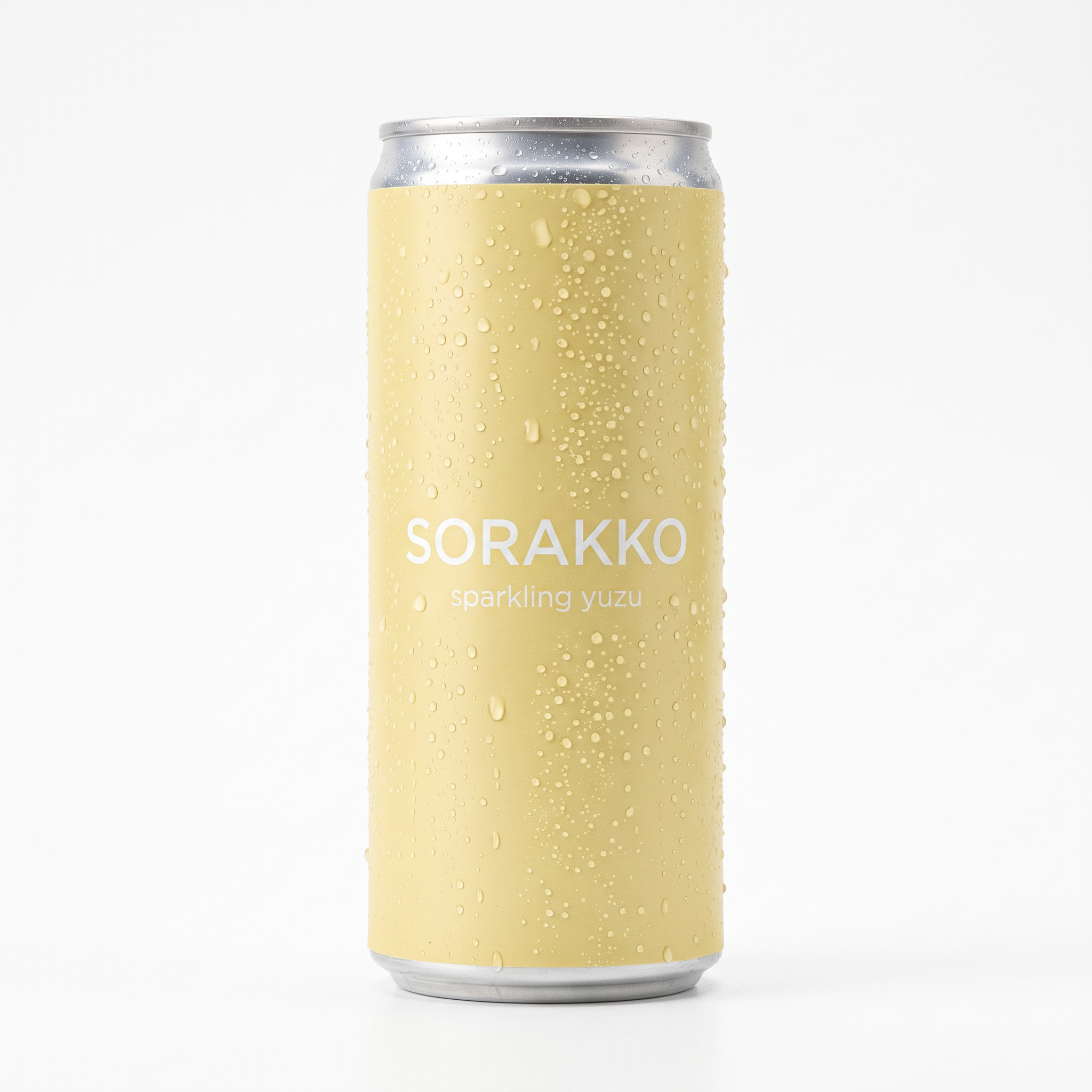
Generated using Nano Banana 2.1 on fal, an AI model from Google.
Video prompt (the opening line differs by schema):
Wan 3.0 opening line: Video 1 sets the location and the camera move, and Image 1 is the can.
Seedance 2.5 opening line: @Video1 sets the location and the camera move, and @Image1 is the can.
Shared prompt: Follow the push-in and the quarter-turn arc from the reference clip as closely as possible. The can stands on the white concrete ledge from the start of the shot, beside a small puddle reflecting the sun. As the camera arrives, a hand reaches in from the right and pulls the ring tab, releasing a short burst of fizz. The 'SORAKKO' wordmark and the pale yellow finish stay identical to the packshot, with fresh condensation running down the can. Sound: the tab cracking open over pool water lapping in the background, with no music.
Generated using Wan 3.0 on fal, an AI model from Alibaba.
Generated using Seedance 2.5 on fal, an AI model from ByteDance.
Try it in ChatGPT Try it in fal AgentFor this pair, I'm comparing each camera path against the H3 Max clip frame by frame, and checking that SORAKKO stays spelled correctly once the hand covers part of the can.
What does a Wan 3.0 or Seedance 2.5 clip cost on fal?
Wan 3.0 bills between $0.05 and $0.20 per second of output on fal, and Seedance 2.5 bills $0.0214 per 1,000 tokens at 480p and 720p, or roughly $0.0234 per 1,000 tokens at 1080p.
Both sets of rates come from the pricing notes on our model pages, linked from the endpoint names in the comparison table.
| Resolution | Wan 3.0, per second of output | Seedance 2.5, per second (rough guide) | Seedance 2.5 with a video reference, per second of input and output |
|---|---|---|---|
| 480p | $0.05 | ~$0.2205 | ~$0.1323 |
| 720p | $0.10 | ~$0.4730 | ~$0.2838 |
| 1080p | $0.20 | ~$1.164 | ~$0.6984 |
Seedance 2.5 counts tokens as roughly output height × output width × (input video seconds plus output seconds) × 24 ÷ 1024, meaning the exact charge depends on the output dimensions as well as the duration.
Once any video input is attached, the price on Seedance 2.5 reference-to-video drops to 0.6 of the base rate, although the input seconds still count toward the token total.
On Wan 3.0 reference-to-video, the seconds of any input video are charged alongside the output seconds, which is why 10 seconds are billed on Wan 3.0 in Test 6 for a 5-second clip.
Seedance 2.5 charges the same whether audio is on or off, and the Wan 3.0 pricing note lists no separate audio charge.
Here's how those rates play out on the kinds of jobs an ecommerce team runs:
| Job | Wan 3.0 | Seedance 2.5 |
|---|---|---|
| One 5 s text-to-video clip at 1080p | $1.00 | ~$5.82 |
| One 10 s vertical clip at 720p | $1.00 | ~$4.73 |
| 5 s output from a 5 s video reference at 720p | $1.00 | ~$2.84 |
| 1,000 product clips, 5 s each at 720p | $500 | ~$2,365 |
| 10,000 product clips, 5 s each at 720p | $5,000 | ~$23,650 |
The Seedance 2.5 figures in that table rest on the per-second guides from our playground notes and the output dimensions behind them.
💡 Since input seconds are billed on both models, you'll want to trim a reference video to the part you need, which our fal-ai/workflow-utilities/trim-video endpoint can do if you set start_time to 0 to keep the opening frame.
Our pricing page keeps the current rate for every fal model, and I'd recommend reading it before signing off a quarterly video budget.
How do you call Wan 3.0 and Seedance 2.5 from one fal account?
You can call both models from one fal account, since a single API key covers all six endpoints in this article, whether you work in the playground or through the @fal-ai/client SDK.
Each model page carries our Commercial use tag, while the queue and webhook code stays the same whichever of the two you call.
Here's how I sent one prompt to each model at matching settings, which is the pattern behind all six tests:
javascript
import { fal } from "@fal-ai/client";

const prompt = "A matte green ceramic teapot on a walnut table, steam curling from its spout";

// Wan 3.0: duration is an integer
const wan = await fal.subscribe("alibaba/wan-3.0/text-to-video", {
  input: { prompt, resolution: "720p", aspect_ratio: "16:9", duration: 5 },
});

// Seedance 2.5 (US-hosted): duration is an enum value
const seedance = await fal.subscribe("bytedance/seedance-2.5/us/text-to-video", {
  input: { prompt, resolution: "720p", aspect_ratio: "16:9", duration: "5" },
});

console.log(wan.data.video.url, seedance.data.video.url);
In this text-to-video snippet, the two calls differ in the endpoint string and in how duration is typed, and the other two endpoint types also rename the media fields listed in the table above.
Our API docs recommend queue status checks and webhooks over blocking calls for long-running requests, which is how I'd submit a night's worth of product clips through fal.queue.submit.
If you'd like to start without code, our Seedance 2.5 access guide covers browser routes such as the playground and fal Agent, and Wan 3.0 has a playground page for each of its endpoints.
Which ad jobs suit Wan 3.0, and which suit Seedance 2.5?
On our rates, I'd route catalogue-scale product clips to Wan 3.0 and keep Seedance 2.5 for campaign pieces that lean on its 30-image reference packs or its editing task.
I've kept both lists below to schema and pricing facts, leaving the close calls to your own test clips.
Jobs I'd send to Wan 3.0
- Product clips by the thousand, since 1,000 five-second clips at 720p cost $500 on our rates.
- Briefs that start as a public product page or a document, passed in through
web_urlorfile_urlwithenable_thinkingon. - Quick drafts at 480p, where a 5-second clip costs $0.25.
- Pipelines that validate clips automatically, since the Wan 3.0 output type includes width, height, fps and frame count fields.
Jobs I'd send to Seedance 2.5
- Campaigns built from a big asset pack of up to 30 reference images.
- Approved spots that need a revision or a longer cut, through the editing and extension tasks on reference-to-video.
- Cinema-width placements at 21:9.
- Delivery specs that ask for H.265 or a higher-bitrate encode.
- Teams that have chosen US-hosted endpoints for their Seedance 2.5 traffic.
You can also run both from one codebase, with a small mapping layer for the field renames covered earlier.
For the version choice inside each family, our Seedance 2.5 vs. Seedance 2.0 comparison and Wan 3 vs. Wan 2.7 comparison run their own side-by-side tests.
Recently Added















Start testing Wan 3.0 and Seedance 2.5 on fal
Wan 3.0 and Seedance 2.5 bill in very different ways, so I usually run a store's own briefs through both before committing a catalogue to either one.
Wan 3.0's endpoints start with alibaba/wan-3.0/ and the US-hosted Seedance 2.5 endpoints with bytedance/seedance-2.5/us/, followed by the same mode names in both cases.
One fal API key is all you need for the six of them, in the playground or through our API.
Our guide to creating ads with AI covers the stills and post-production steps that usually surround a product clip.
Wan 3 vs. Seedance 2.5 FAQs
How far apart are Wan 3.0 and Seedance 2.5 on price?
On our current rates, a 5-second 1080p clip costs $1.00 on Wan 3.0 and roughly $5.82 on Seedance 2.5.
At 720p, the same clip costs $0.50 on Wan 3.0 and roughly $2.37 on Seedance 2.5, with both figures assuming no video reference.
Seedance 2.5 bills by token, so its exact charge also moves with the output dimensions.
Which model accepts more reference files?
Seedance 2.5 accepts more, taking up to 30 images and up to 50 files in one reference-to-video request.
Wan 3.0 accepts up to 10 images and holds video and audio references to 5 files and 15 seconds per type.
With enable_thinking on, Wan 3.0 also reads documents and public web pages through file_url and web_url, which the Seedance 2.5 US schema doesn't list.
What happens to aspect ratio and duration when Seedance 2.5 edits a video?
Seedance 2.5 forces both aspect_ratio and duration to auto when task is set to editing, whatever values the request sends.
On the extension task, only aspect_ratio is forced to auto, leaving your duration value in place.
What audio does each model generate by default?
Both models default to generated audio, through the audio field on Wan 3.0 and generate_audio on Seedance 2.5.
Seedance 2.5 lists lip-synced speech among its audio outputs, at the same price with audio on or off.
Wan 3.0's schema describes the field only as generated audio without naming speech, and its pricing note shows no separate audio line.
How long can a clip be on each model?
Seedance 2.5 generates clips from 4 to 30 seconds, or leaves the length to the model when duration is set to auto.
Wan 3.0 takes an integer duration with a 5-second default, or null for smart duration, and our Wan 3 guide covers clips up to 30 seconds.
Which Seedance 2.5 endpoints do these tests use?
Our Wan 3 vs. Seedance 2.5 tests use the three endpoints under bytedance/seedance-2.5/us/, labeled US-hosted on our model pages.
Every Seedance 2.5 pricing note and request field quoted in this article comes from those three endpoints.
Our Seedance 2.5 prompt examples add more prompt patterns, written on the standard Seedance 2.5 endpoints.
How does Wan 3.0 Prime differ from Wan 3.0?
Wan 3.0 Prime is the faster Wan 3.0 tier, and it uses the same parameters at $0.068 to $0.28 per second depending on resolution.
This article tests standard Wan 3.0 only, whereas our Wan 3 vs. Wan 2.7 comparison runs its tests on Wan 3.0 Prime.
Is commercial use allowed for Wan 3.0 and Seedance 2.5 output on fal?
Yes, the fal model pages for Wan 3.0 and Seedance 2.5 each carry our Commercial use label.
The licensing detail for client deliverables is set out in fal's terms of service.