In this guide, I'll run Seedance 2.5 and Seedance 2.0 through eight identical shots on fal, across the three endpoints they share, and set out the specification and pricing differences that decide which one fits a given shot.
TL;DR
Seedance 2.5 generates 4 to 30 seconds in a single pass, at 480p or 720p, billed at $0.0214 per 1,000 tokens.
Seedance 2.0 generates 4 to 15 seconds, at 480p, 720p, 1080p or 4K, billed at $0.014 per 1,000 tokens up to 1080p and $0.008 at 4K.
Seedance 2.5 accepts up to 50 reference files in one generation, across 30 images, 10 videos and 10 audio clips, while Seedance 2.0 accepts up to 12, across 9 images, 3 videos and 3 audio clips.
Duration and resolution are the two settings that separate them: Seedance 2.5 for takes longer than 15 seconds, while Seedance 2.0 outputs above 720p.
How research was conducted: every clip below ran on fal at 720p and 10 seconds, with the same prompt text sent to both models.
Source images come from Seedream 5.0 Pro, one end frame was edited off its own start frame with Seedream 5.0 Lite Edit, and the voice track comes from Seed Audio 1.0.
How does Seedance 2.5 compare to Seedance 2.0?
ByteDance built both of them, and both are closed weights listed for commercial use on fal, subject to fal's terms.
Here's where they differ:
| Seedance 2.5 | Seedance 2.0 | |
|---|---|---|
| Best for | Single takes longer than 15 seconds, and reference packs above 12 files | 1080p and 4K delivery, and lower-cost iteration |
| Resolutions | 480p, 720p | 480p, 720p, 1080p, 4K |
| Duration | 4 to 30 seconds, or auto | 4 to 15 seconds, or auto |
| Aspect ratios | 7 on text and reference, inherited from the still on image-to-video | 7 including auto |
| Token rate | $0.0214 per 1,000 at both resolutions | $0.014 per 1,000 to 1080p, $0.008 at 4K |
| Price, 720p | ~$0.4730/second | $0.3034/second |
| Price, 720p fast | Not offered | $0.2419/second |
| Price, 1080p | Not offered | $0.682/second |
| Fast tier | ❌ No | ✅ Yes, on all three endpoints |
| Endpoints | Text, image and reference to video | Text, image and reference to video, each with a fast variant |
| Native audio | ✅ Written jointly with the picture | ✅ Written jointly with the picture |
| Lip-sync | ✅ Dialogue in double quotes | ✅ Dialogue in double quotes |
| End frame control | ✅ Yes | ✅ Yes |
| Bitrate control | ❌ Not exposed | ✅ Standard or high |
| Reference files, total | 50 | 12 |
| Reference images | Up to 30 | Up to 9 |
| Reference videos | Up to 10 | Up to 3 |
| Reference audio | Up to 10 | Up to 3 |
Where can you access Seedance 2.5 and Seedance 2.0?
Both Seedance 2.5 and Seedance 2.0 run on fal, in the browser playground and through the API, with token billing and nothing to provision.
The @fal-ai/client SDK covers every video endpoint on the platform, so auth, the queue, webhooks and error handling behave identically whichever ByteDance model you point at.
Here's what it looks like to call Seedance 2.5 with fal's API:
javascript
import { fal } from "@fal-ai/client";

const result = await fal.subscribe("bytedance/seedance-2.5/text-to-video", {
  input: {
    prompt:
      "An octopus finds a football in the ocean and excitedly calls its octopus friends to come and play. Cut scene to an octopus football game under the sea.",
  },
  logs: true,
  onQueueUpdate: (update) => {
    if (update.status === "IN_PROGRESS") {
      update.logs.map((log) => log.message).forEach(console.log);
    }
  },
});

console.log(result.data);
console.log(result.requestId);
Seedance 2.5 vs. Seedance 2.0: text-to-video tests
To show you the difference between the models, I've come up with four shots, each built to test something different:
Test 1: A wingsuit line through a limestone gorge (21:9)
Ten seconds of sustained speed tests scale consistency, since the gorge walls need to hold the same separation from start to finish.
The roll tests whether the model animates the pilot's maneuver or rotates the camera around a static subject.
Prompt: Ultrawide chase shot filmed from a second wingsuit flying line astern, dawn. [0 to 4 seconds] A pilot in a matte grey suit drops into a narrow limestone gorge, walls rising past both edges of frame, mist still lying in the base of the canyon. The camera holds thirty meters back and slightly high, matching speed exactly. [4 to 7 seconds] The gorge tightens and kinks left. The pilot rolls onto a knife edge to clear a buttress, one wingtip passing within a meter of wet rock, and the camera rolls with him a beat late. [7 to 10 seconds] The walls open into a wide valley and the pilot levels out, dropping away toward a river far below while the camera pulls up and lets him get small in frame. Audio: heavy air noise over the suit, the pitch dropping as the walls open out, rock echo through the tight section. No music and no voice. Look: natural dawn light, deep shadow in the gorge with a hard sunlit rim along the clifftops, airflow shake on the lens, no grade beyond a slight cool bias.
Generated using Seedance 2.5 on fal, an AI model from ByteDance.
Generated using Seedance 2.0 on fal, an AI model from ByteDance.
Test 2: Two animated characters trading lines (9:16)
Two speakers in one frame tests lip-sync isolation, where the common failure is both mouths moving on every line.
The metronome has no mouth, so each model has to resolve how it speaks.
Prompt: A stylized 3D animated short, feature quality, vertical, set in a closed toy repair shop at night. Characters: a wind-up tin drummer about twenty centimeters tall, dented and repainted, with a hinged painted mouth. A brass metronome the same height, with a swinging arm and a small glass dial that lights when it speaks. [0 to 4 seconds] The drummer sits on a workbench under one anglepoise lamp, still holding a broken stick. He looks across at the metronome and says: "You told me the spring had another year in it." [4 to 7 seconds] The metronome's arm stops mid-swing. Its dial glows and it answers, flatly: "I said a year. I did not say which one." [7 to 10 seconds] The drummer's winding key turns half a revolution on its own and stops. He looks down at it. Neither of them speaks. The lamp buzzes and the camera pushes in slowly on the pair. Rule: only one of them moves its mouth or dial at a time, and the other holds completely still while the first speaks. Audio: two distinct voices, the drummer bright and slightly tinny, the metronome dry and low. Clockwork ticking underneath, the lamp buzzing, one bench creak. No music. Look: warm practical lamp against cold window light, shallow depth of field, visible paint chips and solder marks, soft subsurface on the painted metal.
Generated using Seedance 2.5 on fal, an AI model from ByteDance.
Generated using Seedance 2.0 on fal, an AI model from ByteDance.
Test 3: A fragrance flacon and a title card (16:9)
Hands are the usual failure point in product video, so that's the first thing to check.
The other two are whether the caustic pattern stays locked to the glass through the orbit, and whether both lines of type arrive evenly spaced and legible:
Prompt: [0 to 3 seconds] A faceted crystal flacon of clear amber perfume stands on a slow-turning black mirror plinth in a dark studio. One hard key light from the upper right refracts through the glass and throws a caustic pattern across the mirror. The camera orbits right at a constant speed. [3 to 6 seconds] A hand enters from the left, lifts the heavy brushed brass cap off the flacon and sets it down beside the base. One press of the atomizer sends a fine mist across the key light. The camera holds. [6 to 8 seconds] The mist clears, the lighting falls off to black, and two lines of type fade up centered in a fine serif, white on black: "NORTHERLY" on the first line, "EAU DE PARFUM" on the second, letter-spaced wide. [8 to 10 seconds] The type holds, a thin brass rule draws itself left to right beneath the second line, and the frame goes black. Audio: low room tone, the cap setting down on glass, one short atomizer hiss, a soft tone under the type. No voice, no music bed. Look: luxury fragrance commercial, black on black with controlled speculars, no visible horizon, edges falling to true black.
Generated using Seedance 2.5 on fal, an AI model from ByteDance.
Generated using Seedance 2.0 on fal, an AI model from ByteDance.
falMODEL APIs
The fastest, cheapest and most reliable way to run genAI models. 1 API, 100s of models
Test 4: Four cuts across a night market stall (16:9)
Four cuts in ten seconds test cut placement against the timings written into the prompt.
Shot four tests camera repeatability, since returning to an exact position is harder than returning to an approximate one.
Prompt: Ten seconds, four shots, hard cuts with no dissolves, all in one night market alley. [0 to 2.5 seconds] Wide from across the alley. A steel wok stall under two bare bulbs, steam and smoke rising into the light, crowds crossing the foreground out of focus. [2.5 to 5 seconds] Cut to a low angle from the far side of the burner. Flame licks up around the wok as it's tossed, the contents lifting clear and coming back down, everything backlit hard enough that the cook is a silhouette. [5 to 7.5 seconds] Cut to a macro on the plate. A ladle lays sauce over the top and steam comes straight at the lens, briefly fogging it. [7.5 to 10 seconds] Cut back to the wide from the first shot, same camera position, the stall now empty of customers with the burner turned down to a low blue flame. Audio: burner roar rising and falling with the flame, the wok ring, cleaver on board, a crowd bed, a scooter passing behind camera, one clear sizzle when the sauce lands. No music. Look: handheld with light drift, tungsten and sodium mixing, heavy atmospheric haze, practical light only.
Generated using Seedance 2.5 on fal, an AI model from ByteDance.
Generated using Seedance 2.0 on fal, an AI model from ByteDance.
➡️ This clip becomes the motion reference in Test 8.
Seedance 2.5 vs. Seedance 2.0: image-to-video tests
Let's now go over how Seedance 2.5 performs against Seedance 2.0 over the same image-to-video prompts with the same image input.
Both endpoints take the still as frame one, and both accept an optional end frame:
Test 5: A car reveal pinned at both ends (16:9)
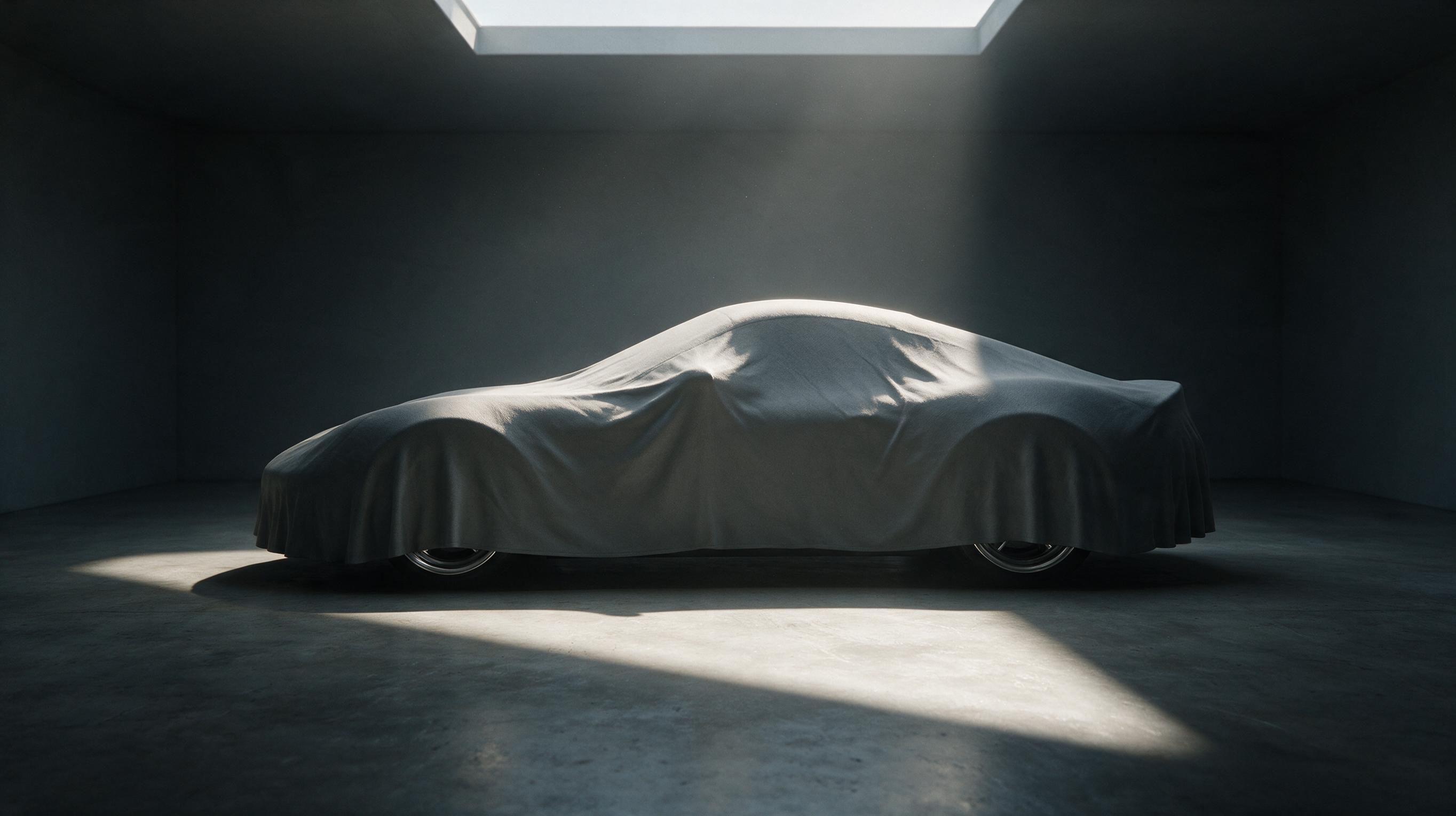
Cloth is the hard part of this shot.
A cover that size has to ripple, catch on the mirror and clear the frame while holding its shape, and the paint underneath has to hold a straight reflection while the lighting comes up around it.
The end frame here was edited off the start frame, not written fresh.
Seedream 5.0 Pro prompt for the start frame: A photoreal 16:9 still of a low-slung fictional two-seat coupe under a fitted grey car cover, parked on polished concrete in a dark empty showroom. One narrow skylight throws a single band of light across the floor and over the cover's shoulder line. Chrome wheel edges just visible below the hem. Deep shadow everywhere else, dust hanging in the beam. No badges, no branding, no text, no people.
Generated using Seedream 5.0 Pro on fal, an AI model from ByteDance.
Seedream 5.0 Lite Edit prompt for the end frame, run on the start frame: Keep the room, the camera position, the concrete floor, the skylight band and the framing exactly as they are. Remove the car cover completely and reveal the coupe underneath: deep green metallic paint, chrome window trim, black five-spoke wheels, headlights lit. Bring the showroom lighting up so the paint carries a long specular down the flank and the skylight reflects across the roof. No badges, no branding, no text.
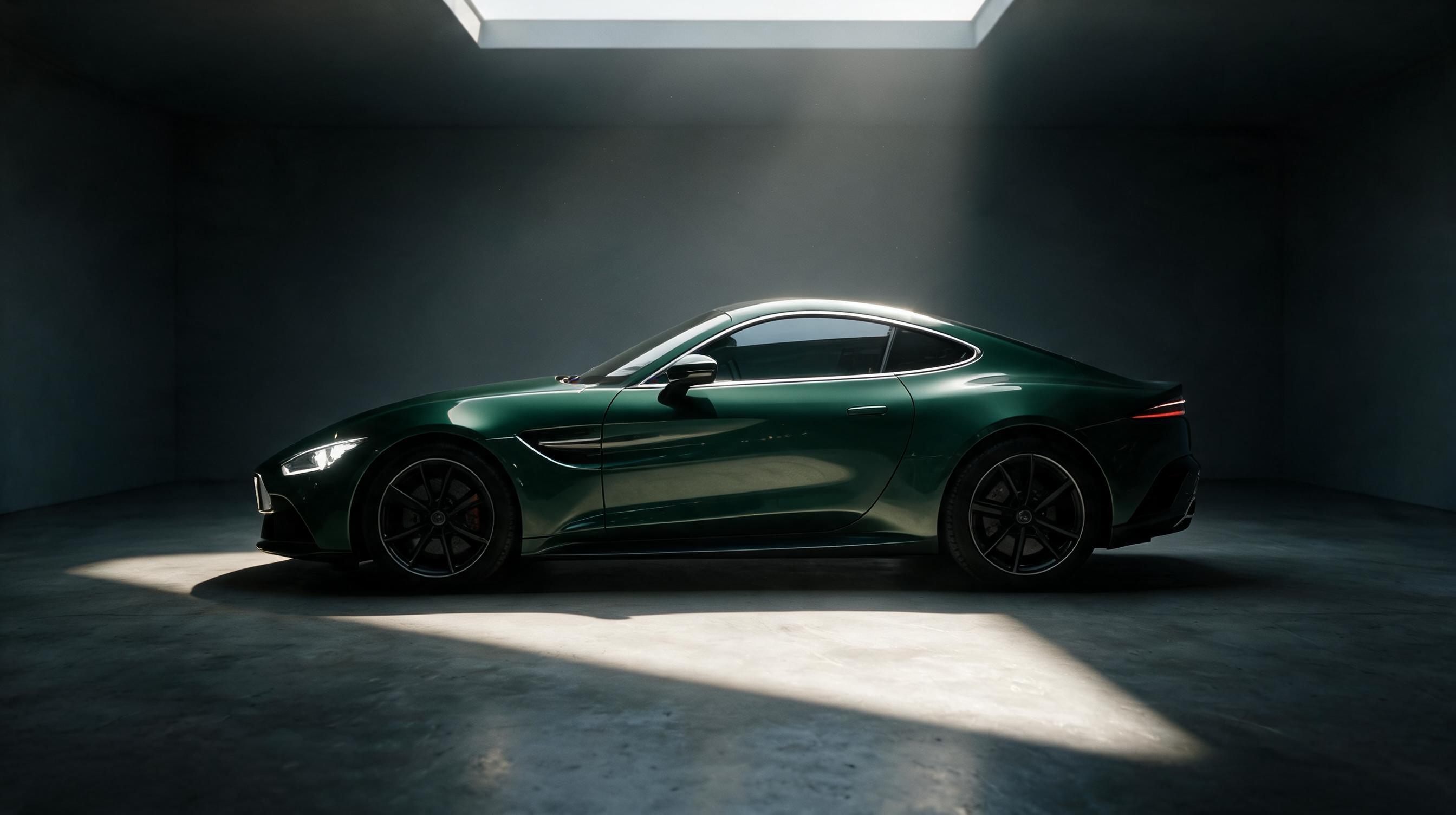
Edited using Seedream 5.0 Lite Edit on fal, an AI model from ByteDance.
Video prompt: The cover lifts off the car from the rear and pulls forward and up out of the top of frame, rippling as it goes and catching briefly on the wing mirror before it clears. The showroom lights ramp up behind it, the headlights come on last, and the skylight reflection travels across the roof as the light builds. The camera pushes in low and slightly left across the whole ten seconds, then holds on the front quarter for the last second. Audio: the cover snapping taut and sliding off, deep room reverb in a big empty space, the lighting rig ticking as it warms, one low synth note under everything. No music bed, no voice.
Generated using Seedance 2.5 on fal, an AI model from ByteDance.
Generated using Seedance 2.0 on fal, an AI model from ByteDance.
Test 6: A painted still that has to stay painted (9:16)
This one tests style retention, since video models tend to move a painted still toward photography once motion starts.
The brush texture, the dry-brush edges and the paper grain are what to check, and the cloud pass tests whether the cable car returns on the same line after being hidden.
Seedream 5.0 Pro prompt for the source image: A 9:16 vertical gouache painting on rough paper, in the style of a hand-painted animated feature background. A small red cable car hangs mid-span on a steel cable, climbing through cloud toward a timber teahouse perched on a rock spur high above. Pine tops breaking through the cloud below, a pale green and grey sky, one paper lantern lit on the teahouse balcony. Visible brush texture, dry-brush edges on the rock, paper grain through the whole image, no outlines. No text, no people.
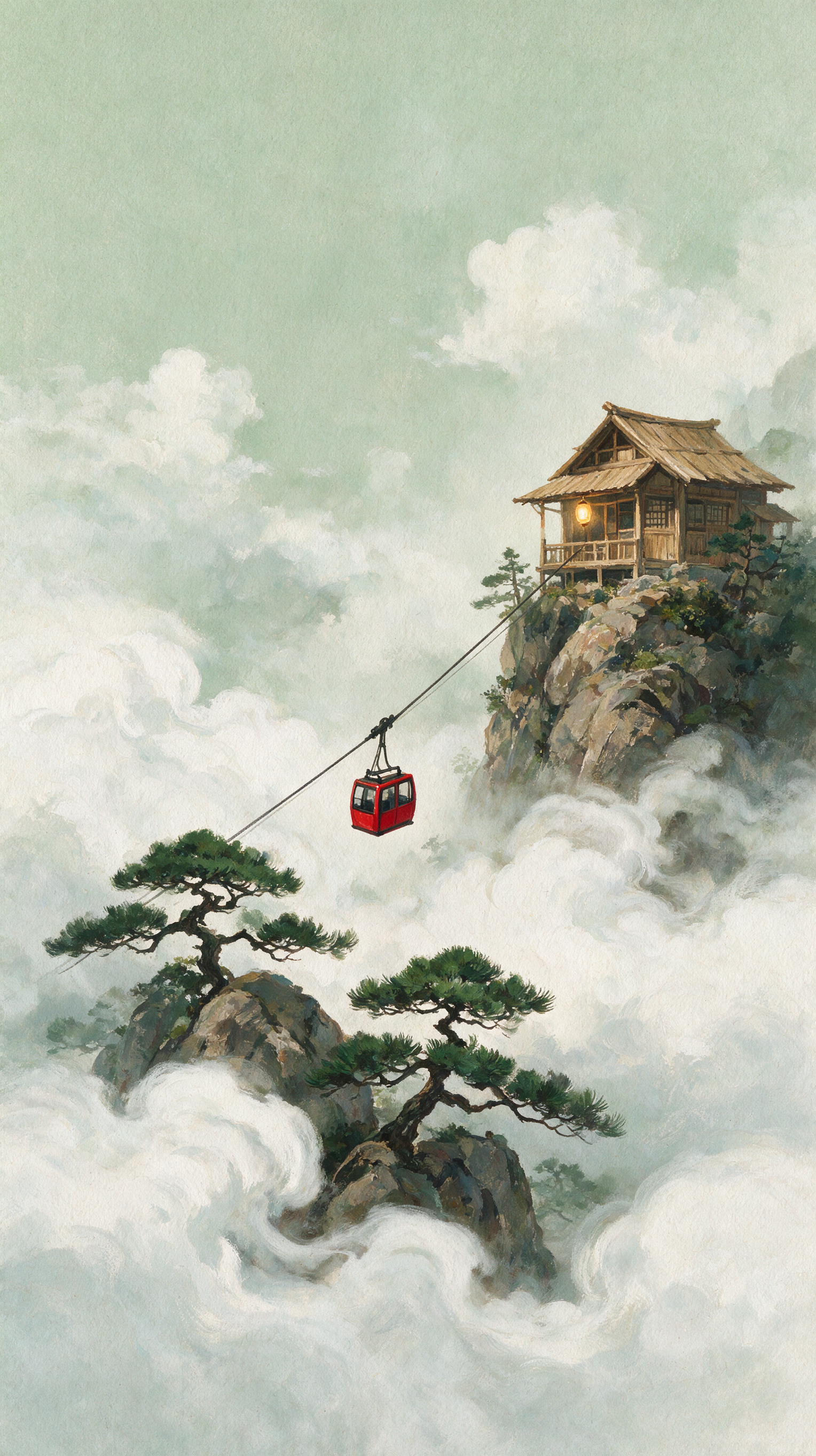
Generated using Seedream 5.0 Pro on fal, an AI model from ByteDance.
Video prompt: The cable car sways and climbs slowly toward the top of frame. Cloud crosses the span from the right and hides the car completely for about a second, then the car comes back out on the same line, at the same speed, with the same sway. The lantern on the balcony swings and its light warms as the ambient light drops. The camera tilts up a few degrees to follow the climb. Every frame stays a gouache painting on rough paper: hold the brush texture, the dry-brush rock edges and the paper grain, and never let the image resolve toward photography. Audio: wind across the cable, the steel cable ticking through the sheave, one distant bell from the teahouse. No music.
Generated using Seedance 2.5 on fal, an AI model from ByteDance.
Generated using Seedance 2.0 on fal, an AI model from ByteDance.
Seedance 2.5 vs. Seedance 2.0: reference-to-video tests
References are addressed by position on either model, as @Image1, @Video1 and @Audio1, so the prompt text below stays byte-identical across the two.
The limits are where they separate, and Test 8 clears both sets.
A 10-second 720p clip fits Seedance 2.0's window of 2 to 15 seconds combined at roughly 480p to 720p, and it fits Seedance 2.5's window of 1.8 to 30.2 seconds at 24 to 60 FPS.
An eight-second voice track clears both audio caps too:
Test 7: Three images composited into one shot (16:9)
Three references with three separate jobs.
The broken string is the smallest detail in @Image1 and the one most likely to get dropped.
Seedream 5.0 Pro prompt for @Image1: A 16:9 photoreal studio still of a matte black solid-body electric guitar on a stand, three-quarter view. Worn nickel hardware, a scratched pickguard, one broken string curling away from the headstock. Hard side light from the right, black background falling to nothing. No brand names, no logos, no text, no people.
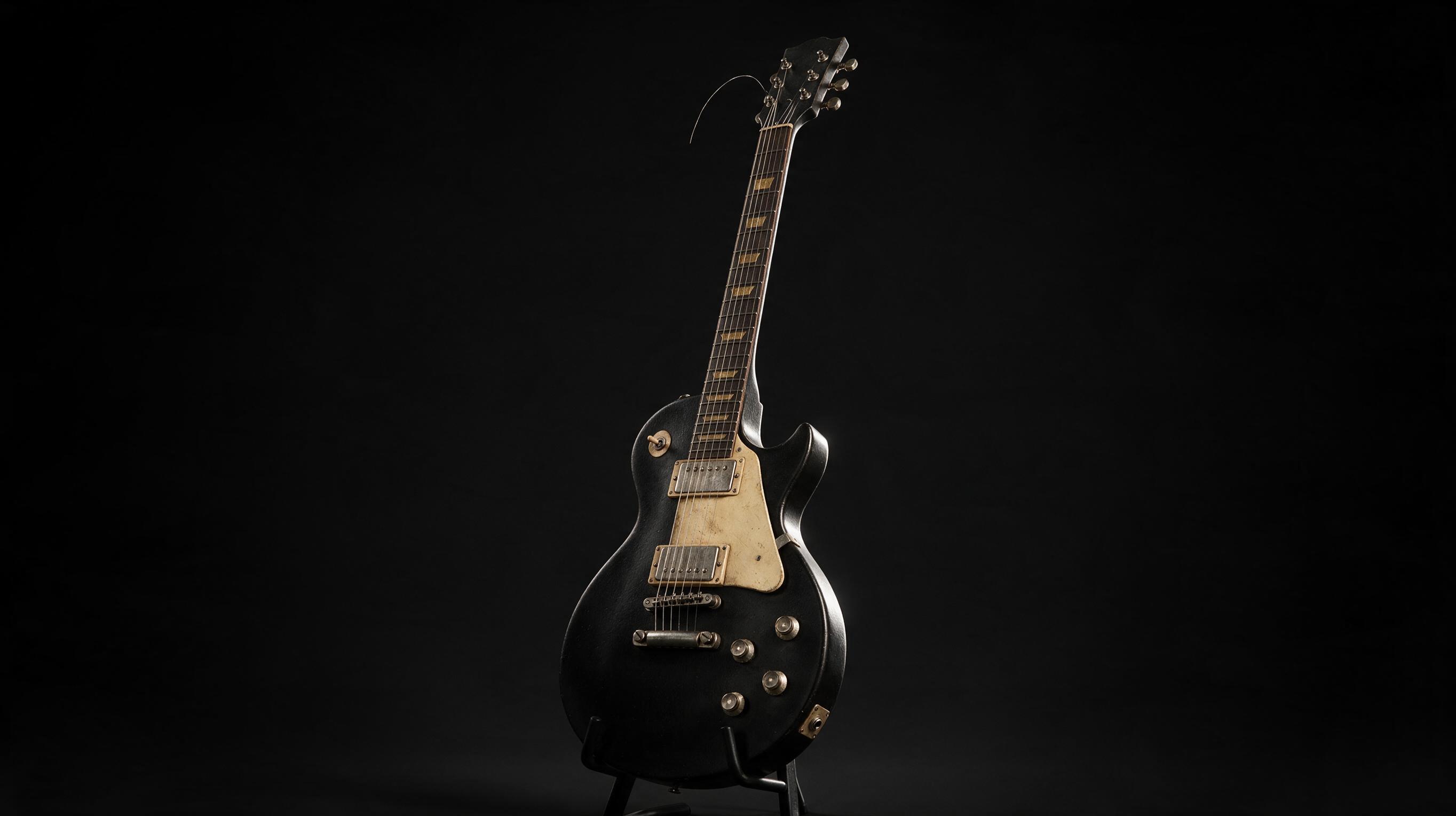
Generated using Seedream 5.0 Pro on fal, an AI model from ByteDance.
Seedream 5.0 Pro prompt for @Image2: A 16:9 photoreal interior of a derelict art deco cinema. Rows of ruined red velvet seats, a collapsed section of plaster ceiling with daylight coming through the hole, a bare stage below a torn screen, geometric wall reliefs, dust over everything. No people, no text.
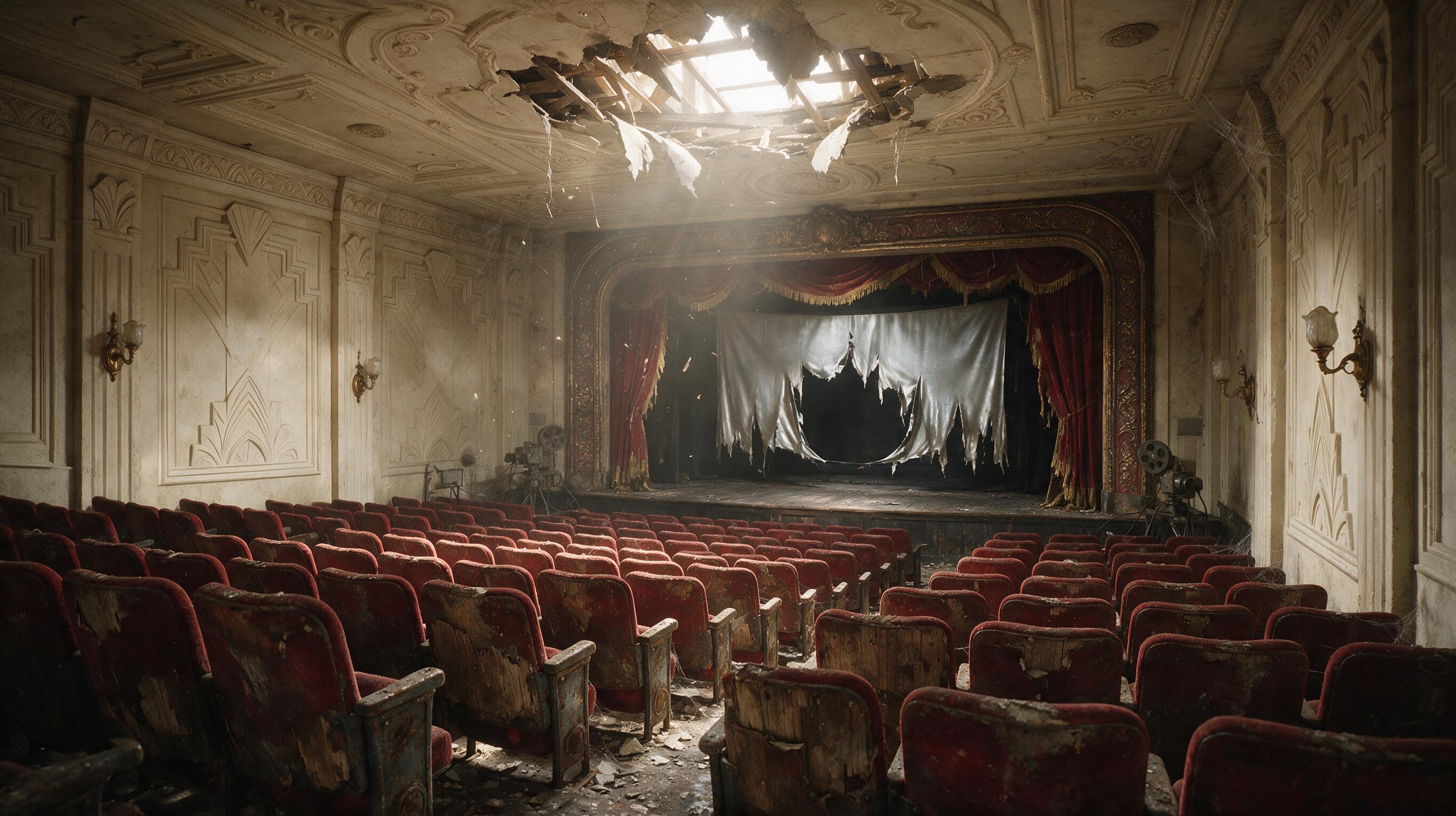
Generated using Seedream 5.0 Pro on fal, an AI model from ByteDance.
Seedream 5.0 Pro prompt for @Image3: A 16:9 photoreal still of four vintage valve amplifiers stacked two by two on a bare floor. Cream tolex, oxblood grille cloth, worn corners, cables coiled on top. Even soft light, flat grey background. No brand names, no logos, no text.
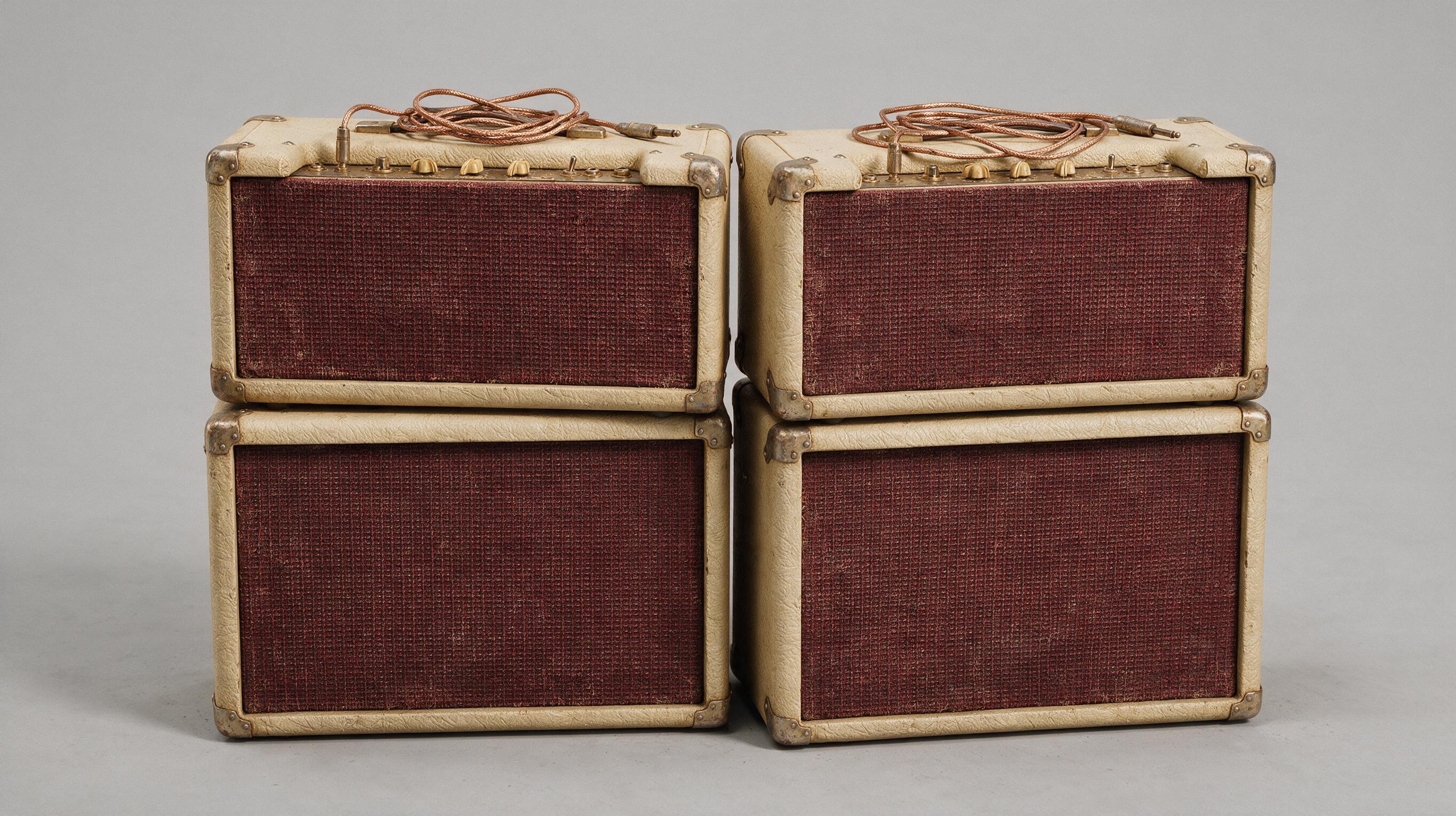
Generated using Seedream 5.0 Pro on fal, an AI model from ByteDance.
Prompt: @Image1 is the guitar. @Image2 is the cinema. @Image3 is the amp stack. Hold the guitar's matte black finish, worn nickel hardware, scratched pickguard and the one broken string from @Image1. Keep the cinema from @Image2 as it is, including the ruined seats, the hole in the ceiling and the torn screen. Bring the amps from @Image3 onto the stage and leave their grey studio background behind. [0 to 4 seconds] Wide from the back of the stalls. The guitar stands alone on a stand at center stage in front of the amp stack, lit only by the shaft of daylight through the ceiling. [4 to 7 seconds] The daylight fades as cloud crosses outside and the stage worklights strike, cold and blue, throwing the guitar's shadow long across the boards. [7 to 10 seconds] The camera cranes down the center aisle and finishes low and close on the headstock, the broken string catching the light. Audio: big empty room reverb, plaster ticking down from the ceiling, a worklight ballast humming as it strikes, one string ringing on its own out of the amp's noise floor. No music. Look: photoreal, natural decay, no set dressing beyond what's described.
Generated using Seedance 2.5 on fal, an AI model from ByteDance.
Generated using Seedance 2.0 on fal, an AI model from ByteDance.
Test 8: Video, image and audio, with a voice attached to nobody (16:9)
@Video1 is the night market clip from Test 4, @Image1 is a new Seedream 5.0 Pro still, and @Audio1 is going to be from Seed Audio 1.0.
Each model gets its own Test 4 output as @Video1, which is how this runs in production, where a clip and whatever gets built on top of it come off the same model.
The voiceover has no on-screen source, which tests whether either model adds a speaker nobody asked for.
The pan crossing four cuts tests object consistency, since a handle has four chances to change shape.
Seedream 5.0 Pro prompt for @Image1: A 16:9 photoreal product still of a squat cast-iron pan with a hammered base and a bare steel handle, standing on a scorched steel bench in a dark workshop. Seasoned black surface with a low sheen and one bright wear mark on the rim. Single hard light from above and behind, everything else falling away. No text, no branding, no hands.
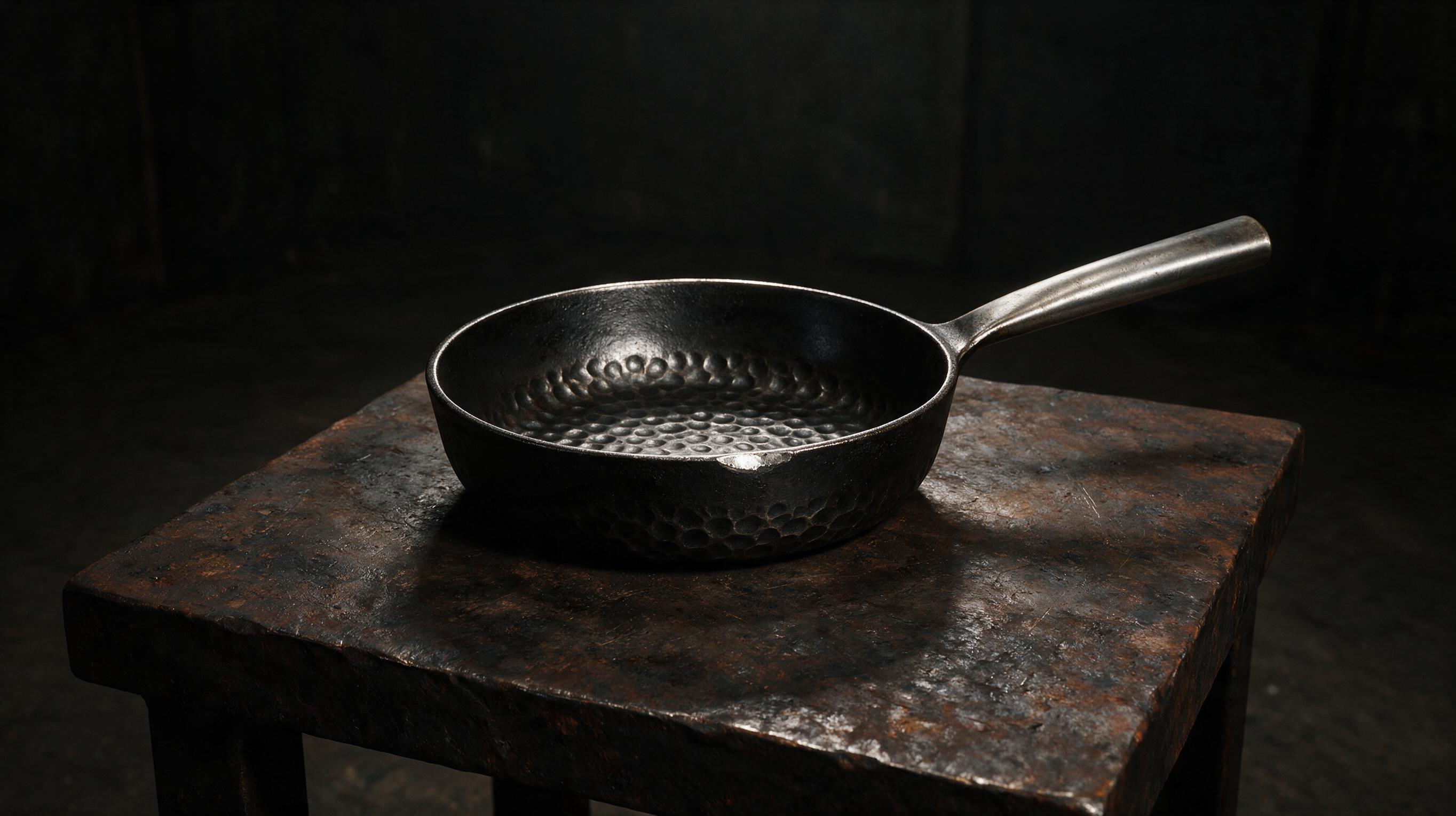
Generated using Seedream 5.0 Pro on fal, an AI model from ByteDance.
Seed Audio 1.0 prompt for @Audio1: English. One speaker, no music, no background sound. Clean dry studio read, around eight seconds. A woman in her forties, warm and unhurried, the delivery of someone stating a fact and not selling anything. She says, with a short pause before the last sentence: "It takes about nine minutes to get properly hot. Everything after that is easy." Dead room, no reverb, no ambience, no second voice.
Generated using Seed Audio 1.0 on fal, an AI model from ByteDance.
Prompt: @Video1 is the cut and camera reference. @Image1 is the pan. @Audio1 is the voiceover. Keep the four-shot structure of @Video1 exactly: the same shot lengths, the same hard cuts, the same handheld drift, and the return to the opening camera position on the fourth shot. Replace the market stall with the pan from @Image1, on the same burner, in the same alley, holding its hammered base, bare steel handle and the bright wear mark on the rim through all four shots. @Audio1 runs as voiceover across the whole clip. Nobody on screen speaks and nobody looks at camera. Time the read so the last sentence starts on the fourth cut. Keep the burner roar, the crowd bed and the scooter from @Video1 underneath the voice.
Generated using Seedance 2.5 on fal, an AI model from ByteDance.
Generated using Seedance 2.0 on fal, an AI model from ByteDance.
How do Seedance 2.5 and Seedance 2.0 compare on pricing?
Both Seedance 2.5 and Seedance 2.0 bill on the same formula:
tokens = (output height x output width x duration x 24) / 1024
Only the rate differs: $0.0214 per 1,000 tokens on Seedance 2.5 at either resolution, $0.014 per 1,000 on Seedance 2.0 up to 1080p, $0.008 at 4K.
💡 Every figure below is the published rate on fal as of the 10th of August, 2026.
At 720p in 16:9, a second of output is 21,600 tokens, which the formula prices at $0.4730 on Seedance 2.5 and $0.3034 on Seedance 2.0.
Thirty seconds at 720p is 648,000 tokens, or $13.87 on Seedance 2.5 in a single pass.
The same runtime on Seedance 2.0 is two 15-second generations, which the formula puts at $9.07, plus one splice and two takes that have to agree on light, wardrobe and camera.
Reference video bills identically on both, with input duration going into the formula alongside output before the total is multiplied by 0.6.
Image and audio references are free either way.
Ten seconds of 720p output with an eight-second reference clip comes to $4.99 on Seedance 2.5, $3.27 on Seedance 2.0, and $2.61 on the fast tier.
💡 The 0.6x multiplier does not make reference work cheaper than generating without references. A 10-second 720p clip with an 8-second reference costs $4.99 on Seedance 2.5, against $4.73 for the same clip with no reference. Reference video is the only billed reference type, so trimming it to the seconds you need is the one variable under your control.
Which one should you use: Seedance 2.5 or Seedance 2.0?
Seedance 2.5 fits when a shot has to run longer than 15 seconds without a cut, which is the ceiling on Seedance 2.0.
A product demo with setup and payoff, a testimonial that runs its length, or a narrative beat that needs room are the cases where that matters.
Reference-heavy work is the other case, since 50 files against 12 gives more room to hold a character, a wardrobe, a set and a rhythm across a series.
Seedance 2.0 fits when the delivery spec calls for 1080p or 4K, neither of which Seedance 2.5 offers on fal.
It also costs less per second at 720p, the fast tier at $0.2419 lowers the cost of iteration, and bitrate_mode gives control over encode quality that Seedance 2.5 does not expose.
💡 You can run both of them on fal with no subscription: you only pay for what you successfully generate.
Recently Added













Get started with Seedance 2.5 and Seedance 2.0 on fal
Both models are live on fal now, with playground access, one API key, token billing, and no GPUs to keep warm on your side.
Seedance 2.5 runs at bytedance/seedance-2.5/text-to-video, bytedance/seedance-2.5/image-to-video and bytedance/seedance-2.5/reference-to-video.
Seedance 2.0 runs at bytedance/seedance-2.0/text-to-video, bytedance/seedance-2.0/image-to-video and bytedance/seedance-2.0/reference-to-video, each with a fast variant.
Test either one in the playground, then move to the API when you're ready.
Seedance 2.5 vs. Seedance 2.0 FAQs
What's the main difference between Seedance 2.5 and Seedance 2.0?
Both models run on the same unified multimodal architecture, taking text, images, video and audio into one context and generating the audio jointly with the picture, which is why lip-sync and impact timing behave the same way on each.
Seedance 2.5 raises native duration from 15 seconds to 30, and the reference ceiling from 12 files to 50, with looser input specs on reference video, and ByteDance reports prompt adherence about 20% higher.
Seedance 2.0 offers two resolutions Seedance 2.5 does not at the moment, at 1080p and 4K, along with a fast variant on each endpoint and a bitrate_mode parameter.
Pricing separates them as well, at $0.0214 per 1,000 tokens on Seedance 2.5 against $0.014 on Seedance 2.0 up to 1080p.
Which one is cheaper?
Seedance 2.0, at the resolutions both models offer.
A second of 720p costs $0.3034 on Seedance 2.0 against $0.4730 on Seedance 2.5, and Seedance 2.0's fast tier is $0.2419.
Above 15 seconds the comparison changes, since Seedance 2.0 needs two generations and a splice to reach a runtime Seedance 2.5 produces in one pass.
Can Seedance 2.5 generate 4K?
Not at the moment on fal.
The resolution on all three Seedance 2.5 endpoints is either 480p or 720p.
How many reference files does each model take?
Seedance 2.5 takes 50 in total, split across up to 30 images, 10 videos and 10 audio clips, with each video and audio file running 1.8 to 30.2 seconds.
On the other hand, Seedance 2.0 takes 12 in total, across up to 9 images, 3 videos and 3 audio clips, with combined video between 2 and 15 seconds and combined audio under 15 seconds.
Both need at least one image or video reference alongside any audio, and both address references the same way.
Do both models generate audio and lip-sync?
Yes, with no extra charge on either.
Picture and sound come out of the same pass, covering dialogue, effects, ambience and score.
Any spoken line inside double quotes gets voiced and synced.