Production-Ready Image Generation
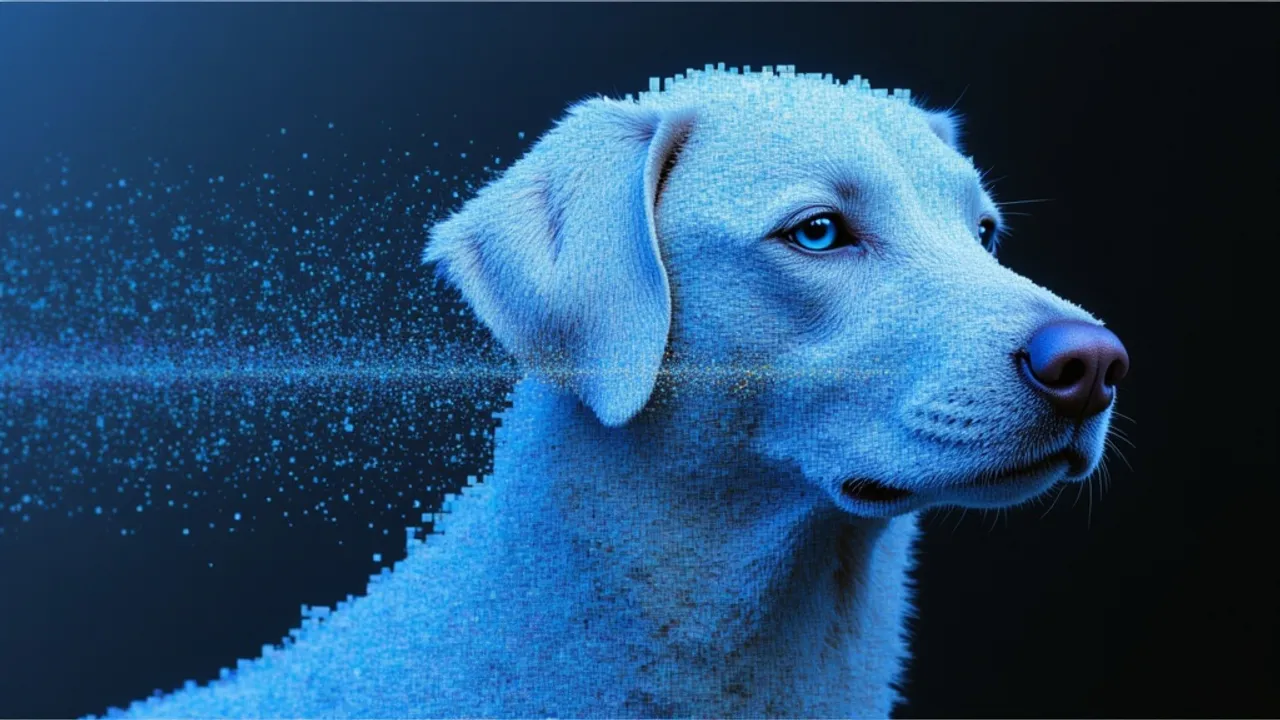
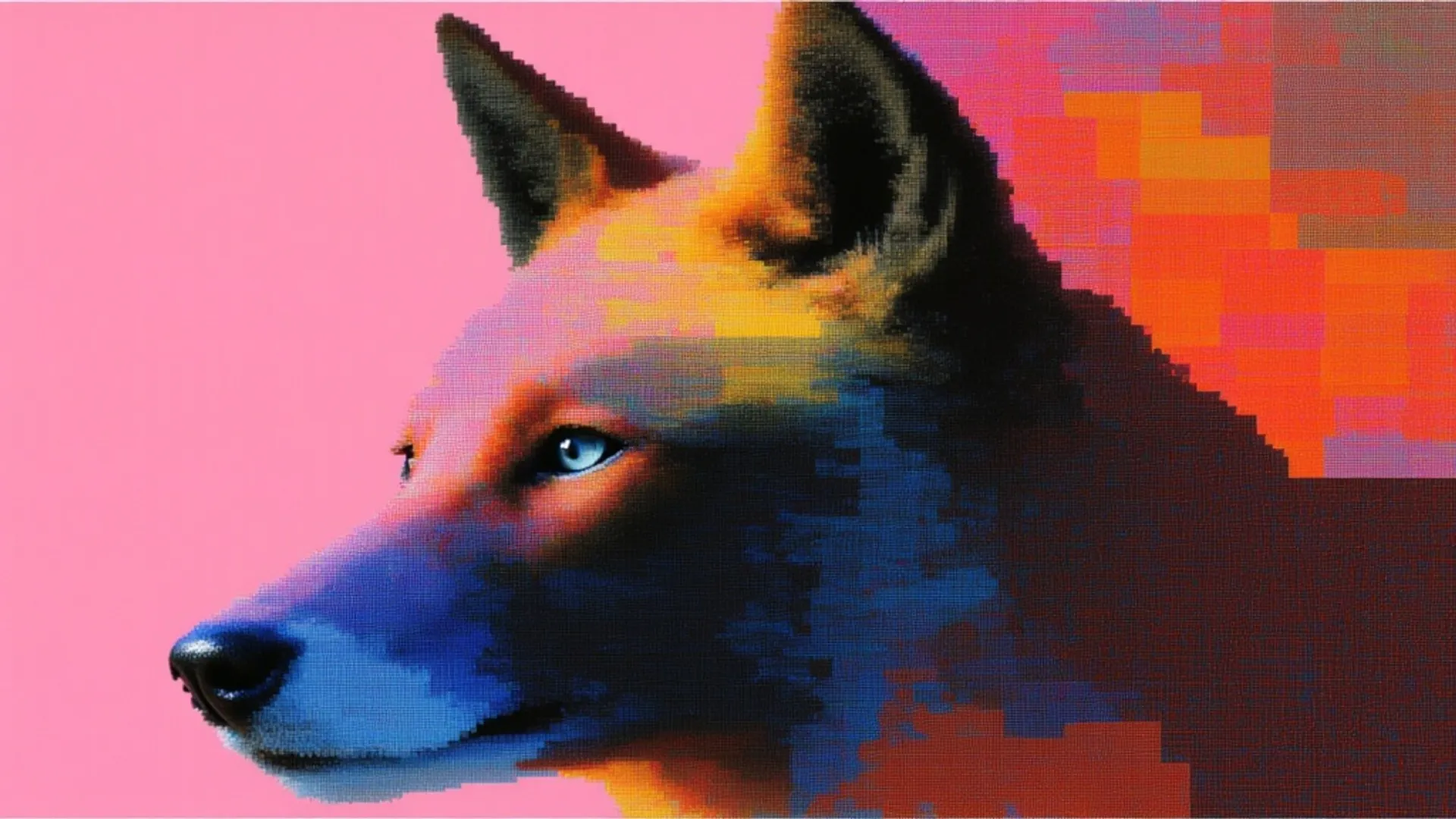
ByteDance's Seedream v4.5 diffusion model delivers photorealistic image quality with generation speeds that make real-time applications practical. Available through fal's platform, this model combines text-to-image generation with sophisticated editing capabilities at inference times averaging 2-3 seconds.
Latent diffusion models like Seedream v4.5 operate in compressed latent space rather than directly on pixels, achieving an optimal balance between complexity reduction and detail preservation1. This architectural approach enables the model to handle complex prompts, multi-element compositions, and fine-grained style control while maintaining production-viable performance.
falMODEL APIs
The fastest, cheapest and most reliable way to run genAI models. 1 API, 100s of models
Mastering Seedream v4.5 Parameters
To fully utilize Seedream v4.5, understanding its parameters is essential:
Core Parameters
- prompt (required): The text description of your desired image
- negative_prompt (optional): Elements you want to exclude from the generation
- width/height (optional): Image dimensions (default: 768×768)
- num_inference_steps (optional): Controls generation quality (default: 30)
- guidance_scale (optional): Controls adherence to prompt (default: 7.0)
- seed (optional): For reproducible results
Advanced Parameters
- scheduler: Determines the diffusion sampling method (options include "DPM++ 2M Karras", "Euler A")
- clip_skip: Modifies how deeply CLIP processes your prompt
- refiner_strength: Controls the refinement pass intensity
Understanding these parameters allows you to fine-tune generations for specific use cases. For instance, increasing guidance_scale creates images that more closely match your prompt but may sacrifice some visual quality, while adjusting scheduler can dramatically impact generation style and quality.
Cost and Performance Trade-offs
Understanding the relationship between parameters and resource consumption helps optimize your budget. At $0.04 per image, reducing num_inference_steps from 30 to 25 decreases quality perception by less than 5% while improving throughput by 15%. A typical e-commerce implementation generating 10,000 product images monthly costs approximately $400. Implementing a cache layer with a 60% hit rate reduces this to $160/month.
Key optimization strategies:
- Cache identical prompt and parameter combinations for 24-48 hours
- Generate lower-resolution previews (512×512) before committing to full resolution
- Batch similar requests to amortize infrastructure overhead
- Use 15-20 steps for previews and iterations, 25-30 for production, 40-50 only for hero images
Image Editing with Seedream v4.5
Beyond text-to-image generation, Seedream v4.5 excels at image editing. This capability allows developers to modify existing images while maintaining coherence and quality:
python
response = client.run(
    model="fal-ai/bytedance/seedream/v4.5/edit",
    inputs={
        "image": "https://example.com/your-source-image.jpg",
        "prompt": "The same scene, but during winter with snow covering the ground",
        "strength": 0.7,
        "guidance_scale": 7.5
    }
)
The strength parameter controls how much of the original image is preserved, with higher values producing more dramatic changes. This enables applications ranging from subtle image enhancements to complete scene transformations while maintaining the original composition.
Optimizing Performance for Production
When implementing Seedream v4.5 in production environments, consider these optimization strategies:
Parallel Processing with Error Handling
fal's infrastructure is designed for high concurrency. For batch processing, implement proper error handling and retry logic:
python
async def generate_multiple_images(prompts, max_retries=3):
    async def safe_generate(prompt, attempt=0):
        try:
            return await client.run_async(
                model="fal-ai/bytedance/seedream/v4.5/text-to-image",
                inputs={"prompt": prompt}
            )
        except Exception as e:
            if attempt < max_retries:
                await asyncio.sleep(2 ** attempt)  # Exponential backoff
                return await safe_generate(prompt, attempt + 1)
            return None

    tasks = [safe_generate(p) for p in prompts]
    results = await asyncio.gather(*tasks)
    return [r for r in results if r is not None]
This approach handles failures gracefully and implements exponential backoff for transient errors like rate limiting.
Caching Strategies
For applications with repetitive prompts, implementing a caching layer can reduce costs and improve response times. Generate a cache key from the prompt and parameters using a hash function, store results in Redis or similar with a 24-hour TTL, and serve identical requests instantly. This pattern is particularly effective for product visualization where similar prompts are common across user sessions.
Resolution Optimization
While Seedream v4.5 supports high-resolution generation, starting with lower resolutions during development or for preview purposes can reduce costs and generation time. Many applications benefit from a progressive approach:
- Generate a preview at 512×512 (1-2 seconds)
- Allow user confirmation/refinement
- Generate final image at full resolution
Real-World Integration Examples
E-commerce Product Visualization
Seedream v4.5 excels at generating product visualizations from text descriptions. For e-commerce applications, you can create a pipeline that:
- Takes product specifications as input
- Generates multiple product visualizations in different contexts
- Allows for real-time editing to show product variations
This approach reduces the need for expensive photo shoots while providing customers with rich visual content. For background replacement needs, consider pairing Seedream v4.5 with Bria Background Replace for seamless product presentation.
Content Creation Platforms
For content creation tools, Seedream v4.5 can power features like:
- Automatic thumbnail generation from article content
- Background removal and replacement
- Style transfer and artistic rendering
- Visual concept exploration for designers
With generation times of just 2-3 seconds, these features can be integrated directly into creative workflows without disrupting user experience. Developers building multi-modal applications can also explore image-to-video capabilities to extend static generations into dynamic content.
Common Failure Patterns and Solutions
High Guidance Scale Artifacts
When guidance_scale exceeds 10, approximately 40% of generations exhibit oversaturation and edge artifacts. The model over-corrects toward the prompt at the expense of natural image statistics. Keep guidance_scale between 7-9 for most use cases. For abstract or artistic content where strong prompt adherence matters more than photorealism, values up to 12 are acceptable.
Prompt Overload Degradation
Prompts exceeding 150 tokens often produce incoherent results as the model struggles to balance competing directives. Symptoms include elements from different parts of the prompt bleeding together, ignored style modifiers, and inconsistent lighting or perspective. Break complex scenes into multiple generations and composite them, or use the editing endpoint to refine specific regions.
Rate Limiting and Cold Starts
fal applies rate limits per API key. During peak hours, burst traffic can trigger 429 responses. Implement exponential backoff with retry logic as shown in the parallel processing example. First request after 15+ minutes of inactivity may take 5-7 seconds due to infrastructure warm-up. For latency-sensitive applications, consider periodic keep-alive requests during active hours.
Monitoring Key Metrics
Track these metrics to maintain service quality:
- P95 latency: Alert if exceeding 5 seconds
- Error rate by type: Monitor 401 (API key), 429 (rate limit), 500 (server) errors separately
- Cache hit rate: Target 40%+ for cost efficiency
- Cost per successful generation: Track to identify parameter inefficiencies
Common errors include 401 Unauthorized (check API key configuration), 429 Too Many Requests (implement backoff strategies), and 500 Internal Server Error (typically temporary; implement retry logic). For detailed troubleshooting, consult the fal FAQ documentation.
Model Versioning Strategy
The generative AI landscape evolves rapidly. Research on efficient diffusion models demonstrates that system-level optimizations and architectural improvements continue to reduce computational requirements while maintaining generation quality2. To ensure your Seedream v4.5 integration remains robust:
Create an abstraction layer that maps version strings to model endpoints, enabling A/B testing between model versions and gradual rollout with automatic fallback. This pattern supports routing a percentage of traffic to new versions while maintaining stability, per-customer version pinning for consistency, and seamless transitions during model updates without application redeployment.
Building with Seedream v4.5
Seedream v4.5 represents a practical tool for modern developers building visual applications. Its combination of image quality, generation speed, and editing capabilities opens possibilities that were previously impractical due to performance or cost constraints.
By leveraging fal's optimized infrastructure, you can implement Seedream v4.5 with minimal overhead, focusing on creating value rather than managing infrastructure. The 2-3 second inference times and straightforward API make it possible to integrate generative AI seamlessly into interactive applications.
For creative tools, e-commerce experiences or content platforms, Seedream v4.5 provides the foundation for visual experiences that respond to users in real-time with production-grade quality and flexibility.
Ready to start building with Seedream v4.5? Visit the fal model page to explore interactive demos and comprehensive API documentation.
Recently Added
























References
-
Rombach, Robin, et al. "High-Resolution Image Synthesis with Latent Diffusion Models." Proceedings of the IEEE/CVF Conference on Computer Vision and Pattern Recognition, 2022. https://arxiv.org/abs/2112.10752 ↩
-
Chen, Hao, et al. "Comprehensive Exploration of Diffusion Models in Image Generation: A Survey." Artificial Intelligence Review, vol. 58, no. 3, 2025. https://link.springer.com/article/10.1007/s10462-025-11110-3 ↩