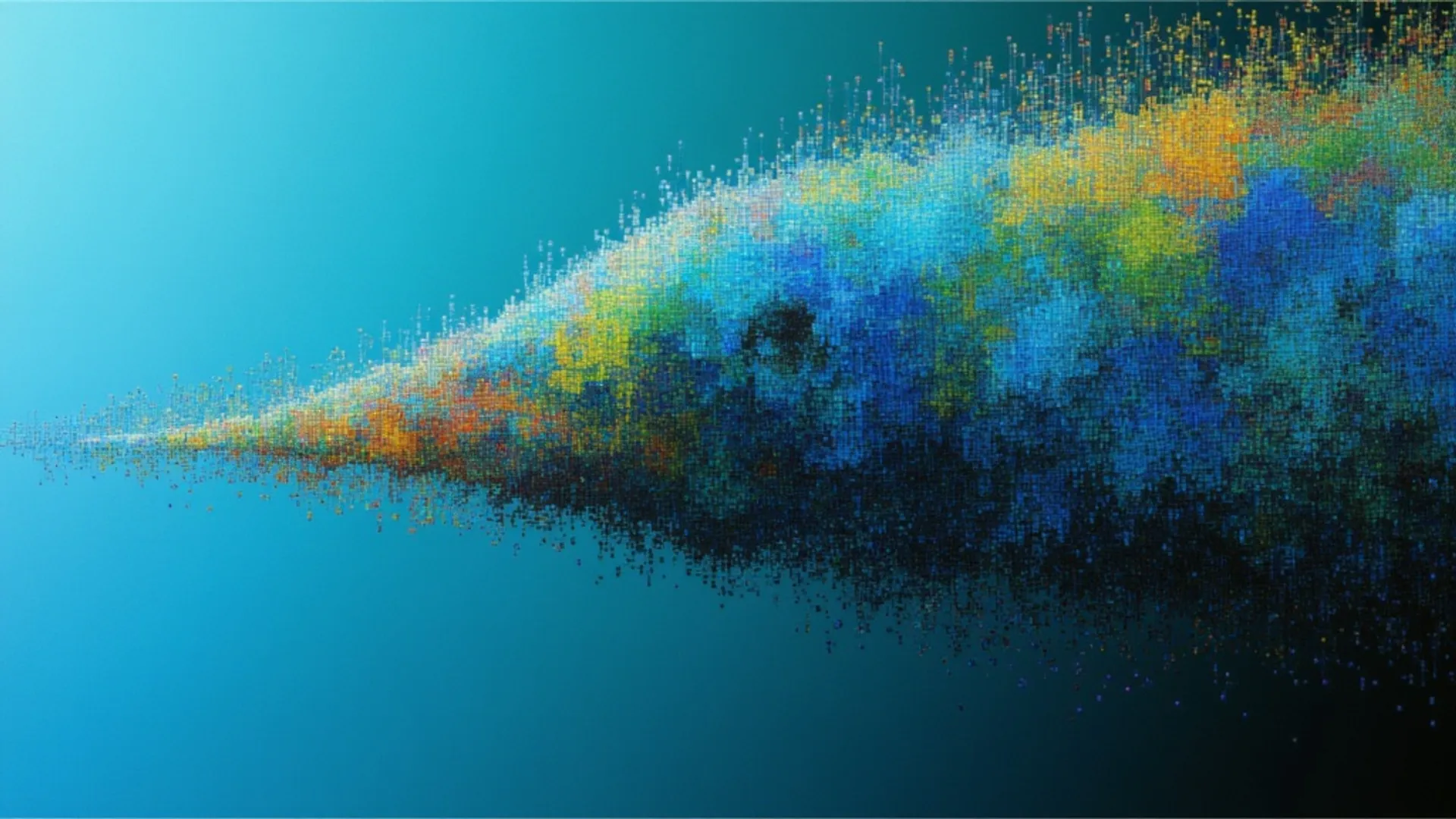
This article explains what MiniMax H3 is, what "open-weight" and "multimodal" actually mean for a video generation model, and how the model behaves once you start prompting it.
It also covers the three endpoints on fal, what a strong prompt contains, ten prompts you can copy, and what it costs to run on fal.
TL;DR
One multimodal model replaces a relay of task-specific ones: A single request takes up to 9 images, 3 video clips, and 3 audio clips, and returns one shot with native stereo audio.
Open weights mean the trained parameters are published, so you can download the model, run it on your own hardware, and fine-tune it.
Output runs 5 to 15 seconds of 2K at 24 FPS, billed at $0.26 per second on fal.
2K puts 1440 pixels on the short edge for ratios between 16:9 and 9:16, and reaches roughly 3.7 megapixels on wider formats, for example 2976x1248 at 21:9.
The habit that changes your results most when prompting MiniMax H3 is assigning an explicit job to every reference you send.
Four labeled images and four unlabeled ones produce noticeably different results.
Prompt: A single continuous 21:9 shot inside an abandoned indoor swimming pool at night, drained, tiled in cracked pale green, lit only by one working fluorescent fixture at the far end. The camera pushes slowly down the length of the empty pool at water level, past a rusted lane-line reel and a folded lifeguard chair, while thin mist drifts across the tiles. Halfway through the push, condensation on the far tiled wall resolves into large hand-drawn letters reading "DEEP END", legible and slightly uneven, as though written by a finger in the damp and left to run. The letters hold, then a drip crosses the last character. Cold cyan light against warm rust, deep shadow in the corners, anamorphic flare off the fluorescent tube, fine 35mm grain, shallow depth of field. Audio: dense room reverb, a single dripping tap echoing at a slow irregular interval, the fluorescent tube ticking, distant traffic through concrete. No music, no dialogue, no camera shake.
Generated using MiniMax H3 on fal, an AI model from MiniMax.
What is MiniMax H3?
MiniMax H3 is a general-purpose multimodal video generation model released with open weights, producing 5- to 15-second clips at 2K and 24 FPS with native stereo audio on every generation.
It covers generation, referencing, and editing in a single model, where earlier pipelines needed a different model for each of those jobs.
Text, images, video, and audio all enter the same context, so one request can carry a character's identity from a photo, the camera language from a clip, a cutting rhythm from a reference edit, and a voice from a recording.
It also renders legible type, which puts title cards, signage, credits, and interface panels within reach of a prompt.
On fal it runs across three endpoints: Text to Video, Image to Video, and Reference to Video.
What does open-weight mean in AI video generation models?
MiniMax H3 was released on fal with open weights, so it is an open foundation you can explore, customize, and build on rather than a closed endpoint.
fal is a Day 0 ecosystem partner, which means you can call the hosted MiniMax H3 API on fal from launch without provisioning GPUs, and still have the option to work with the weights directly for your own research and fine-tuning.
Weights are the learned numbers that make a model behave the way it does, so holding them lets you load MiniMax H3 onto GPUs you control and keep training it on footage you own.
What does multimodal mean for a video model?
Multimodal means text, images, video, and audio all arrive in one shared context and get read together inside a single generation.
The older approach was a relay of specialists:
A text-to-video model for the base shot.
A separate lipsync model for dialogue.
Another tool for background replacement.
Each handoff throwing away whatever the previous stage knew.
MiniMax H3 takes the whole load in one request, up to 9 images, 3 video clips of 2 to 15 seconds each, and 3 audio clips, capped at 12 files, with audio required to travel alongside at least one image or video.
As it holds the face reference and the motion reference at the same time, it can settle the conflicts between them.
How does MiniMax H3 behave when you prompt it?
Similar to other advanced AI video generation models, MiniMax H3 expects direction over description.
It binds every reference to the job you assign it, so naming what each input controls beats sending four unlabeled images and hoping.
It reads structure inside the prompt as pacing, which means timecoded blocks get followed as a shot list and keep a 15-second generation from drifting into a slideshow.
Audio is generated in the same pass as the picture, so sound is directable at the same level of detail as a shot.
Edits stay local, so pointing it at a source clip and naming one change leaves everything you didn't mention untouched.
Let me show you what I mean with GPT Image 2:
Assigning a job to every reference (reference-to-video)
Prompt: Character reference sheet on a pure white seamless background. The same man shown in three views: front, left profile, and back. Three full-body figures in a single row, evenly spaced, at identical scale, identical eye level, and identical distance from camera. Mid-thirties, close-cropped dark hair, a short beard, an olive canvas work jacket over a gray t-shirt, dark jeans, brown leather boots. Flat even studio lighting from the front, a soft contact shadow at the feet, no cast shadows on the background, no vignette. Neutral standing pose, arms relaxed at the sides, weight even on both feet. Wardrobe identical and clearly legible in every view including seams, closures, and footwear. Sharp focus across the entire frame. No props, no text, no readable branding.
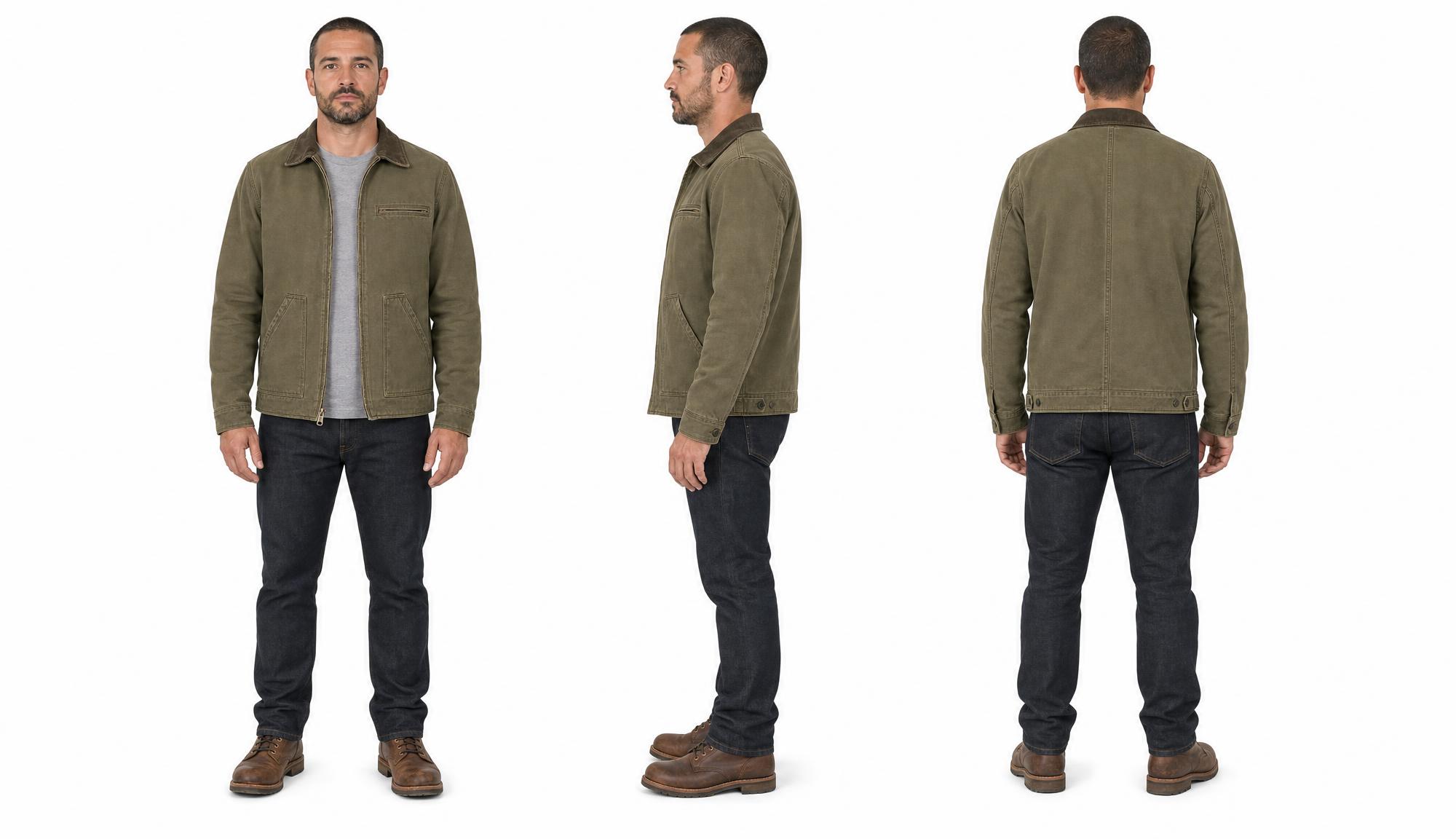
Generated using GPT Image 2 on fal, an AI model from OpenAI.
💡 A single portrait leaves MiniMax H3 guessing the second the subject turns, so I shoot the sheet in three views and let it see the profile and the back up front.
Prompt: Photoreal empty concrete loading dock at dawn, wet from overnight rain, roller shutter closed, one sodium lamp still burning above it, no people, no vehicles, no readable signage.
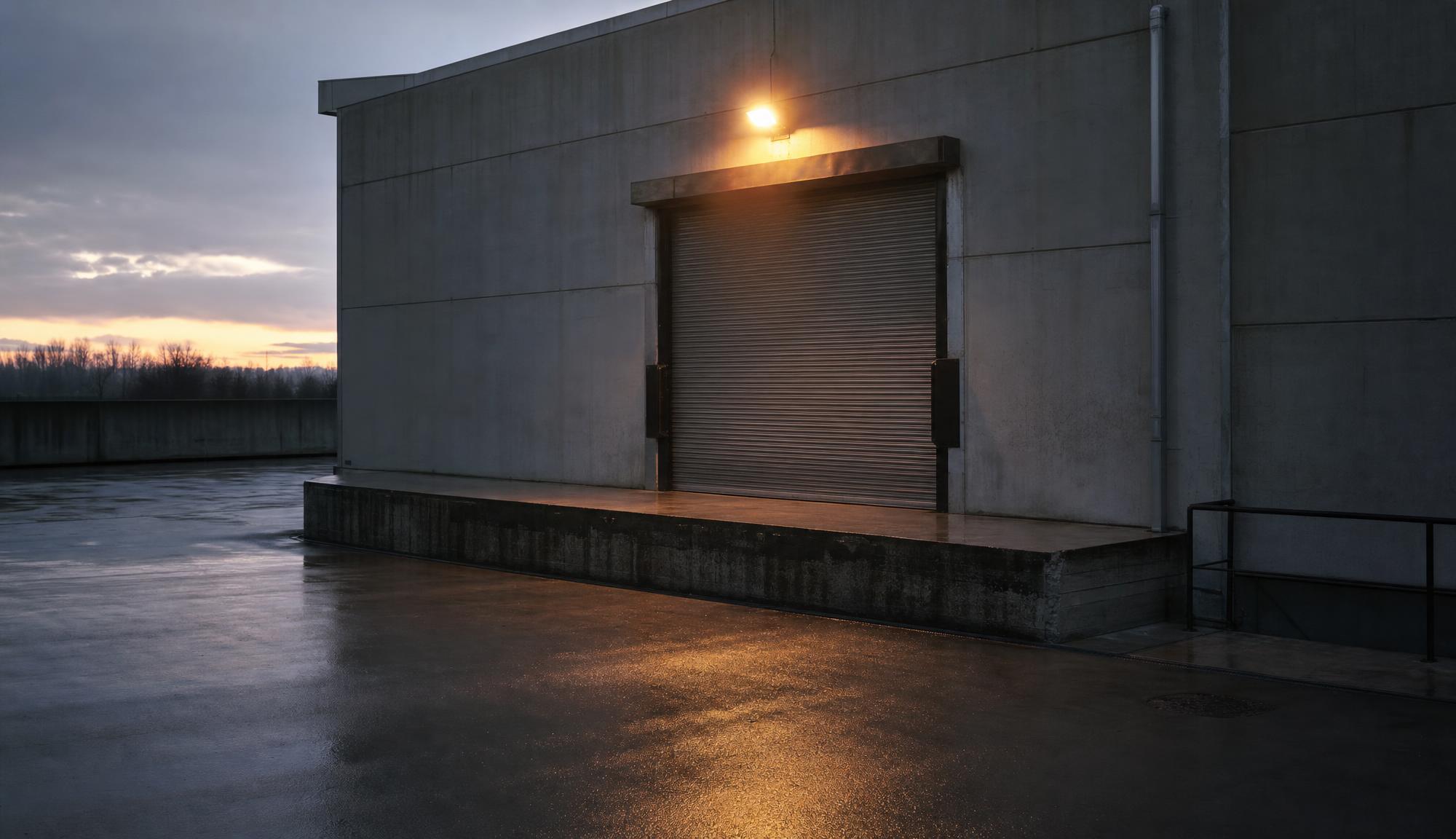
Generated using GPT Image 2 on fal, an AI model from OpenAI.
Prompt: Use Image 1 as a locked identity and wardrobe reference for the man. Use Image 2 for the location, the wet ground, and the light. 16:9, one continuous handheld shot, no cuts. The camera follows him from behind at shoulder height as he walks the length of the loading dock away from us, then he stops, turns his head to look back over his left shoulder, and holds. Preserve his face, beard, and the olive canvas jacket exactly as in Image 1, including the profile when he turns. Photoreal, cold dawn light against the sodium lamp, fine grain, shallow depth of field. Audio: boots on wet concrete, the sodium ballast humming, distant dock machinery, one gull. No music.
Generated using MiniMax H3 on fal, an AI model from MiniMax.
Writing the shot as timed blocks (text-to-video)
Prompt: Photoreal 16:9, fifteen seconds, night shift inside a working steel foundry. 40mm anamorphic on 35mm stock, the frame lit almost entirely by molten metal. [0 to 4 seconds] Open in near darkness on a low tracking shot gliding right to left past the legs of a gantry. Two workers in silver heat suits and full face shields cross frame in silhouette. A dull orange glow builds from off frame left and throws their shadows long across wet concrete. Steady dolly, no shake. [4 to 8 seconds] The camera reaches the ladle and cranes up as the pour begins. A rope of white-hot steel falls into the mold, the frame blows out to pure orange for a beat before the exposure recovers, and sparks lift in a slow column. Push in on the stream until heat shimmer bends the gantry behind it. [8 to 12 seconds] Hard cut to a high wide shot looking straight down from the crane rail. The pour reads as one bright line in a vast dark hall, the two workers tiny at the edge of the light. The crane tracks sideways and the camera drifts with it, opening up the length of the casting floor. [12 to 15 seconds] The pour cuts off. The glow collapses to deep ember red, the hall drops back into darkness, and one worker lifts a face shield. Hold on the near-dark frame with the ember still breathing at the bottom of the shot. Grade: black shadow, sodium orange, white-hot core, no cool light anywhere in frame. Fine 35mm grain, faint gate weave, a soft halation ring around the brightest highlights. No lens flares, no on-screen text, no slow motion. Audio: a low continuous industrial roar under everything. At the pour, a hard hiss rising into a crackling rush with individual sparks ticking off concrete. Metal groaning under load on the crane move. As the pour cuts, the roar drops away across half a second and leaves a ringing extractor fan and one worker breathing inside a mask. No music, no impact stings.
Generated using MiniMax H3 on fal, an AI model from MiniMax.
falMODEL APIs
The fastest, cheapest and most reliable way to run genAI models. 1 API, 100s of models
Which MiniMax H3 endpoint should you use on fal?
All three endpoints call the same model with the same 5 to 15 second range and the same 2K output, so the only variable is how much context you hand over.
On fal the model is MiniMax H3, and the endpoints carry the Hailuo 03 name, so minimax/hailuo-03/reference-to-video and "MiniMax H3 Reference to Video" are the same thing.
Text to Video takes a prompt only, at 21:9, 16:9, 4:3, 1:1, 3:4, or 9:16.
Image to Video takes one image as the opening frame, with an optional second image as the closing frame, and generates the motion between them.
Output follows the aspect ratio of the uploaded image.
Reference to Video takes everything else: identity locking, motion and camera transfer, style matching, voice cloning, and editing a clip you pass in.
Ratio is selectable or adaptive, and adaptive is the default.
References get cited in the prompt by modality and position in the list, as Image 1, Image 2, Video 1, Audio 1, and so on, which is why every prompt below is written that way.
Picking between them is quick:
An image that literally opens or closes the shot is a frame, so it goes to Image to Video.
Treat that same image as a reference for identity, style, or motion, and you want Reference to Video.
With no media at all, you're in Text to Video.
What makes a good MiniMax H3 prompt?
A good MiniMax H3 prompt assigns a job to every reference, times the shot in blocks, directs the audio as its own track, and names what must not change.
Assign a job to every reference: You want to name each input and say what it controls.
Time the shot in blocks: Timecoded blocks give the model pacing to follow.
Direct the audio as its own track: You can name room tone, instrumentation, and where the beat lands.
Say what you don't want: Negative direction lands unusually well. "No soft dissolves or fluid morphs" keeps a stylized prompt from sliding into an adjacent genre.
Name what must not change: Hair, closures, hem length, footwear. Vague descriptions get reinterpreted; specific ones survive the generation.
Describe transitions as physical events: "Cut at peak blur, then settle and snap back into focus" beats asking for a whip pan.
Here they are working together in one Text to Video prompt, built as a product page hero:
Prompt: Photoreal 9:16, twelve seconds. Product film for a glass pour-over brewer on a dark walnut counter, 100mm macro at f4, one hard key from camera left, deep black background. The product stays identical across every block: clear borosilicate glass cone with a spiral rib pattern, brushed stainless collar, walnut band at the neck, matching glass carafe beneath. Same rib count, same collar height, same grain direction from first frame to last. [0 to 3 seconds] Slow push in from three-quarter front, the empty brewer catching one hard highlight down its left edge. No steam yet, carafe clean. [3 to 6 seconds] Water arrives from a gooseneck kettle in a thin spiral. Cut on the water striking the bed, never before it, to a tight macro as the grounds bloom, the bed rising and cracking, one bubble breaking the surface. Steam lifts through the key and reads as separate strands. [6 to 9 seconds] Rack focus from the bloom down through the glass to the first drips landing in the carafe, one continuous pull with the near edge of the glass passing through soft and back to sharp, no dissolve. The camera drifts down with the liquid at a fixed distance. Coffee pools and deepens from amber toward near black. [9 to 12 seconds] Pull back to the full product, brewing steadily. Settle into a locked-off hero frame with the highlight back down the left edge exactly where it sat in the opening shot. Hold completely still for the final second. Audio: quiet room tone with a small close reverb. Kettle spout, water hitting wet paper and grounds, the bloom hissing faintly as gas escapes, the first drip ringing bright in an empty carafe, that ring dulling as liquid builds beneath it. One low fridge hum far off. No music, no whoosh. No hands, no logos, no readable text, no graphics, no slow motion, no lens flares. Do not change the counter or the background at any point.
Generated using MiniMax H3 on fal, an AI model from MiniMax.
What can you make with MiniMax H3?
Enough explaining.
It's time to show you how good MiniMax H3 can be with the right prompts:
One continuous orbit and a reveal
The opening frame can't contain a window, or the reveal has nowhere to land.
Pass it as image_url, and pass the same file again as end_image_url so the orbit is forced to close where it started:
Prompt: Photoreal interior of an American diner at 3am, shot from behind and slightly right of a lone male customer in a worn canvas jacket hunched over a chipped white mug at the counter. A cook in a paper hat wipes down a stainless flat-top griddle behind the counter. Red vinyl stools, cracked formica, chrome napkin dispenser, pie case, warm tungsten light with hot highlights on the steel. No windows visible in frame at all. Anamorphic, fine 35mm grain, no readable signage or branding. Aspect ratio 21:9.
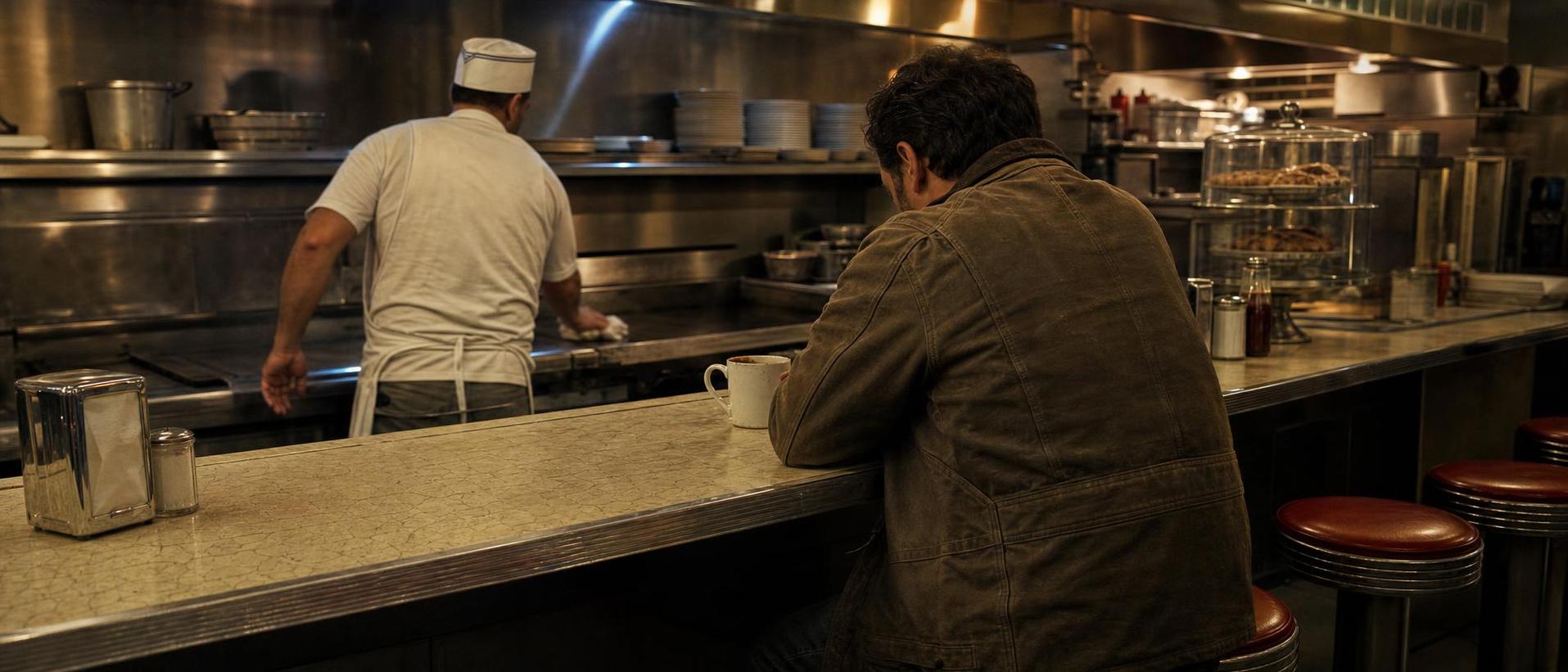
Generated using GPT Image 2 on fal, an AI model from OpenAI.
Prompt: Open on the supplied first frame. Photoreal, 21:9, one single continuous 360 degree orbital move, clockwise, at a slow constant rate, completing exactly one full rotation across fifteen seconds. No cuts, no speed changes, no rack focus. Open tight on the counter: a lone customer in a worn jacket hunched over coffee, a cook wiping down the flat top behind him, chrome napkin dispenser, chipped mug, red vinyl stools. Ordinary American diner, warm tungsten light, 3am stillness. As the camera orbits, keep everything in the diner mundane and unchanged. The cook keeps wiping. The customer lifts the mug once and sets it down. Nothing dramatic happens to either of them at any point. Between roughly 6 and 11 seconds the orbit brings the window wall into frame for the first time. Outside is not a street. It is open space, black and dense with stars, and Earth's illuminated limb crosses slowly from left to right past the glass, close enough to fill the lower half of the windows. The window frames are heavy sealed pressure fittings. Neither man looks up. Between 11 and 15 seconds the orbit continues past the windows and returns to the exact opening framing. Hold. Do not add warning lights, alarms, spacesuits, sci-fi interface panels, or any visual cue that this is a spacecraft other than the view and the window fittings. The diner itself must stay completely period-accurate and grounded. Audio: unchanged in character across the entire shot. Flat-top griddle hiss, a wet rag on steel, a refrigeration compressor cycling, the mug on the formica, a radio playing something indistinct and low in the corner. Underneath it, present from the first frame and never rising, one continuous low structural hum that the ear only reinterprets once the windows arrive. No music sting, no reveal cue, no silence.
Generated using MiniMax H3 on fal, an AI model from MiniMax.
Identity through a full rotation
Prompt: Character reference sheet on a pure white seamless background. The same two models shown in three views each: front, left profile, and back. Six full-body figures in a single row, evenly spaced, at identical scale, identical eye level, and identical distance from camera. She wears a black crocodile-embossed high-neck long-sleeve mini dress and black pointed heels. He wears a charcoal long single-breasted coat with a standing collar over dark trousers and black derbies. Flat even studio lighting from the front, a soft contact shadow at the feet, no cast shadows on the background, no vignette. Neutral standing pose, arms relaxed at the sides, weight even on both feet. Wardrobe identical and clearly legible in every view including seams, closures, texture, and footwear. Sharp focus across the entire frame. No props, no text, no readable branding.
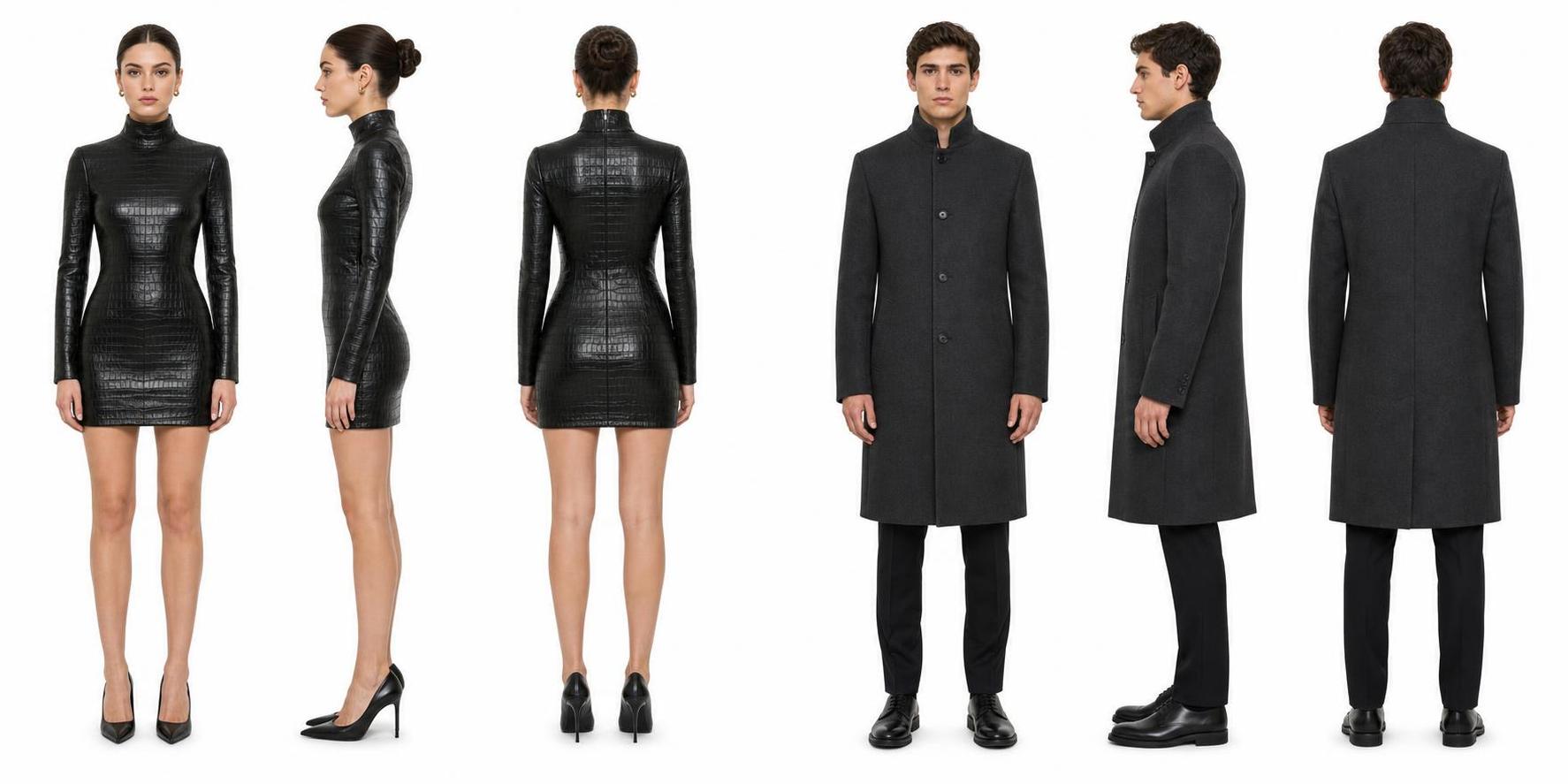
Generated using GPT Image 2 on fal, an AI model from OpenAI.
💡 Input images can run to 5760 pixels, and a six-figure sheet at 5760 by 2304 gives every figure its own 960-pixel column, which is the detail a close-up needs before the face starts drifting.
Prompt: Photoreal empty studio interior with bare poured-concrete floor and walls, high ceiling, no windows, no furniture, no equipment. Cold neutral light, faint dust in the air, subtle floor sheen. No people, no props, no readable text.
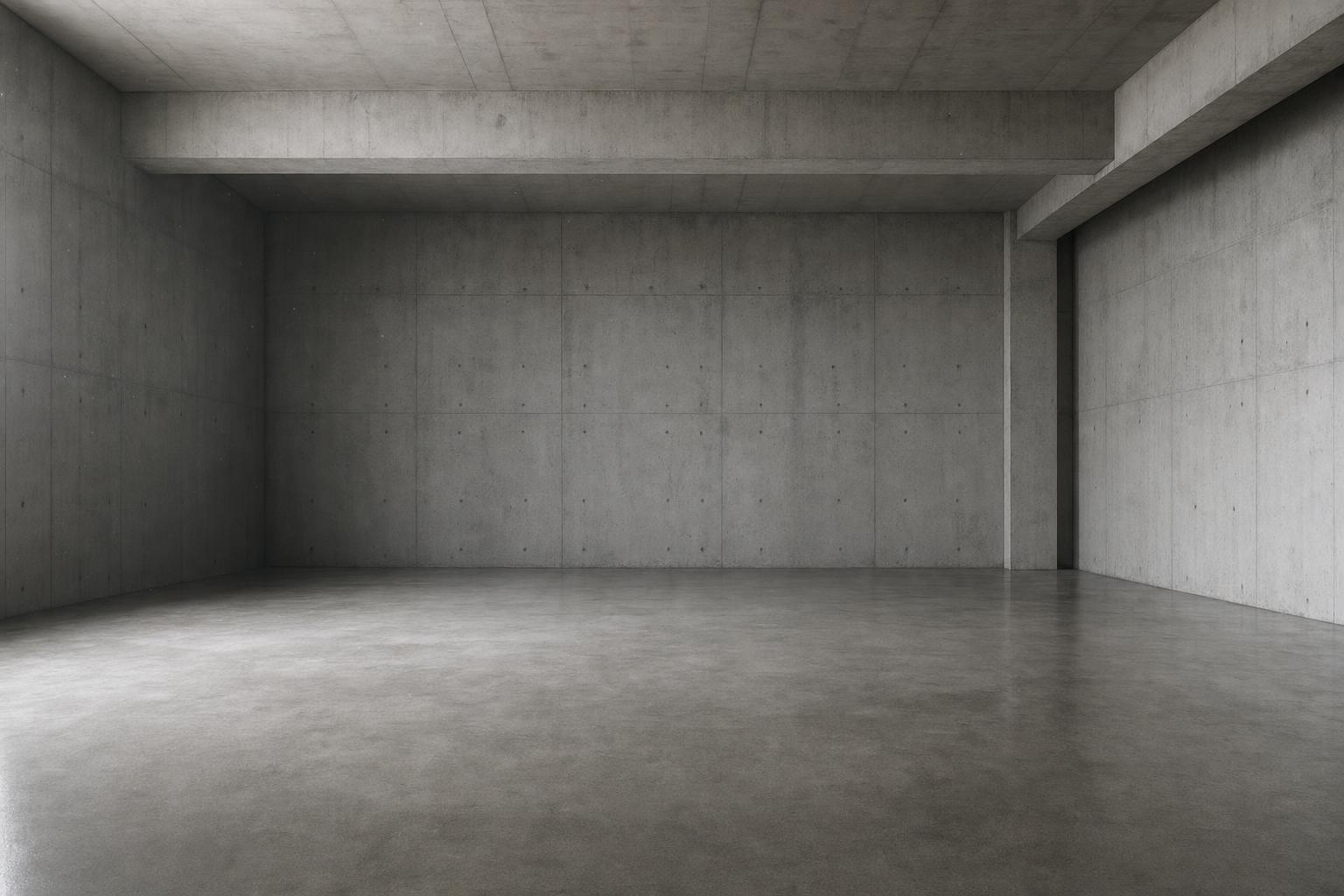
Generated using GPT Image 2 on fal, an AI model from OpenAI.
Prompt: Use Image 1 as a locked identity and wardrobe reference for both models. Use Image 2 for the environment. Vertical 9:16 product-page hero video. One single continuous orbital move, clockwise, at a slow constant rate, completing one full 360 degree rotation across twelve seconds. No cuts, no speed changes, no rack focus. Both models stand in a bare concrete studio, the woman slightly forward of the man and offset left, close enough that the frame holds both from mid-thigh up for most of the rotation. Neither walks or changes position. They shift weight naturally and breathe. The woman turns her head to follow the camera for roughly the first third, then releases and looks forward. The man does not track the camera at all. Preserve both identities and both garments exactly as shown in Image 1. Seams, panel lines, closure placement, and hem length must match the reference in every view. As the camera passes behind them, the back of the dress and the coat's center seam must read correctly and must not be invented. Lighting: one large soft source high and front, one hard raking source low and left. As the camera orbits, the raking light travels across the crocodile embossing so the texture reads as three-dimensional, never flat or printed, and the coat's matte wool stays visibly matte against the dress's specular finish. Do not let the light rig enter frame. Photoreal, shallow but not extreme depth of field, cold neutral grade, fine grain. No lens flares, no on-screen text, no color shift across the rotation. Audio: quiet studio room tone with a large room reverb tail. Heel contacts on concrete when she shifts weight. Wool and leather moving. One soft HVAC layer. No music, no whoosh, no synthetic sweeteners.
Generated using MiniMax H3 on fal, an AI model from MiniMax.
Four locations, one reference sheet
Three empty plates at 21:9, then the same sheet from the last example:
Prompt: Photoreal rain-wet narrow Tokyo side street at night, dense neon signage reflecting in standing water, no people, no vehicles, no readable text on any sign.
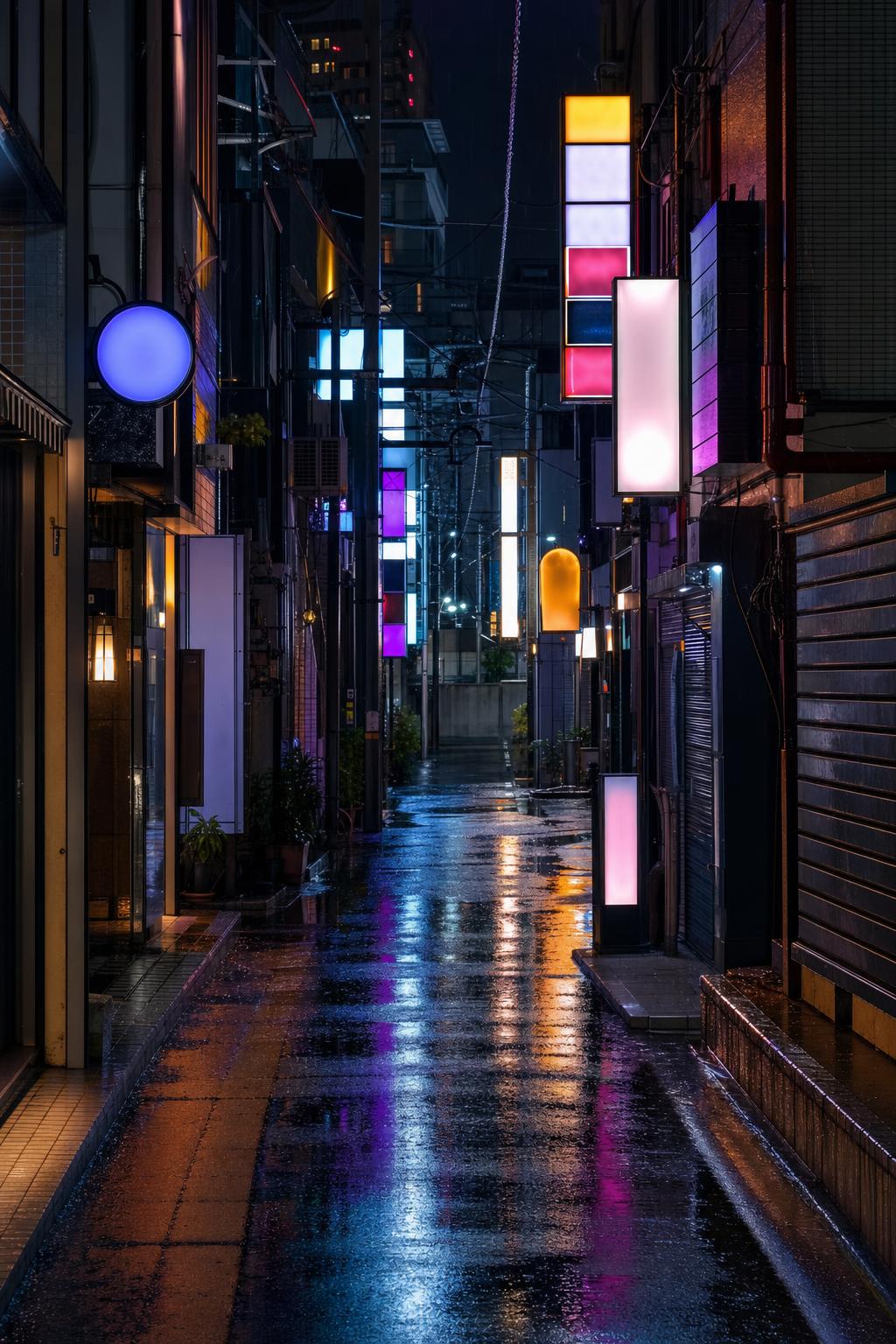
Generated using GPT Image 2 on fal, an AI model from OpenAI.
Prompt: Photoreal black volcanic sand plain in Iceland under flat overcast light, empty to the horizon, faint drifting sand, no people, no structures, no vegetation.
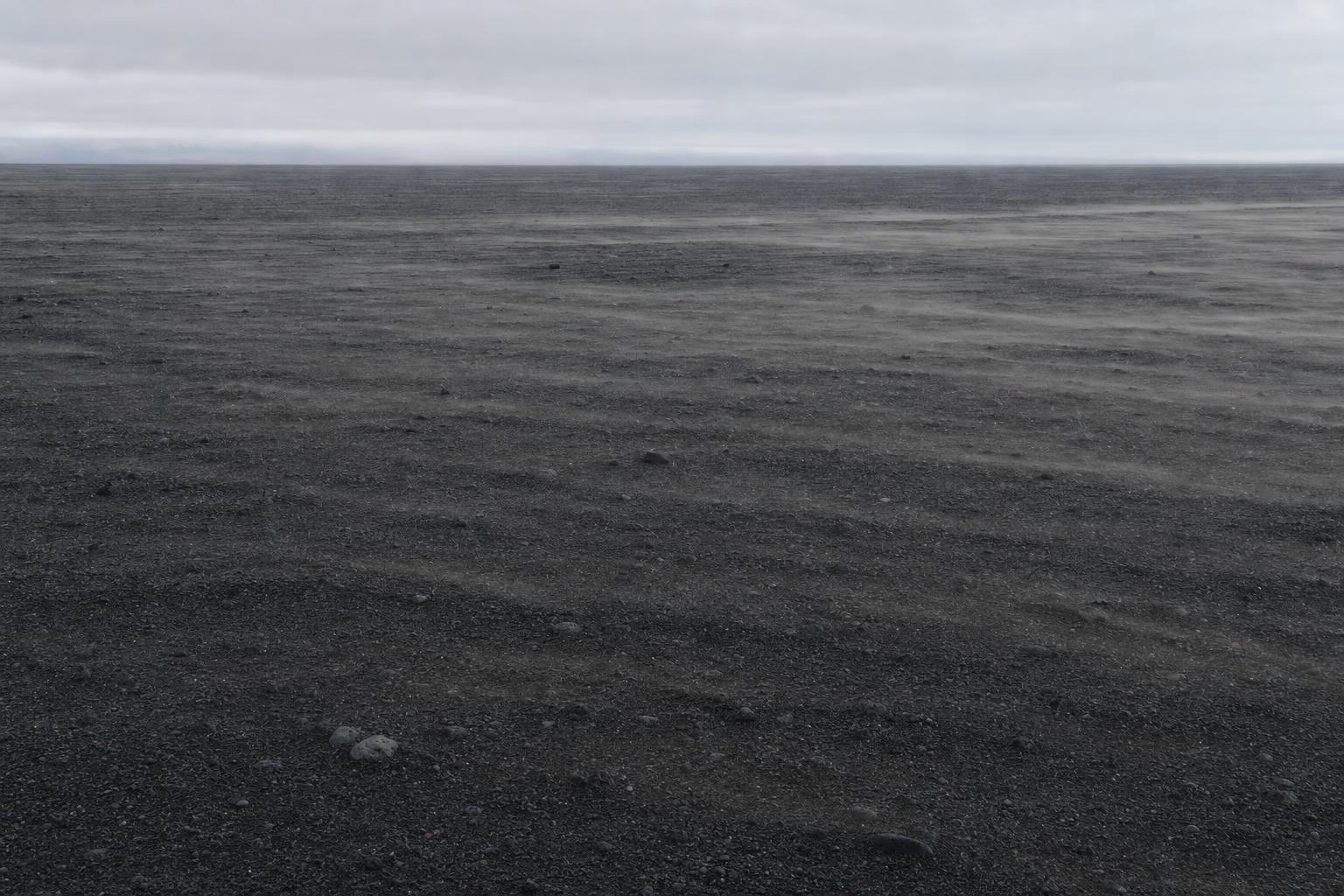
Generated using GPT Image 2 on fal, an AI model from OpenAI.
Prompt: Photoreal brutalist concrete stairwell interior with a hard shaft of daylight through a narrow slot window, board-marked concrete, steel handrail, no people, no signage.
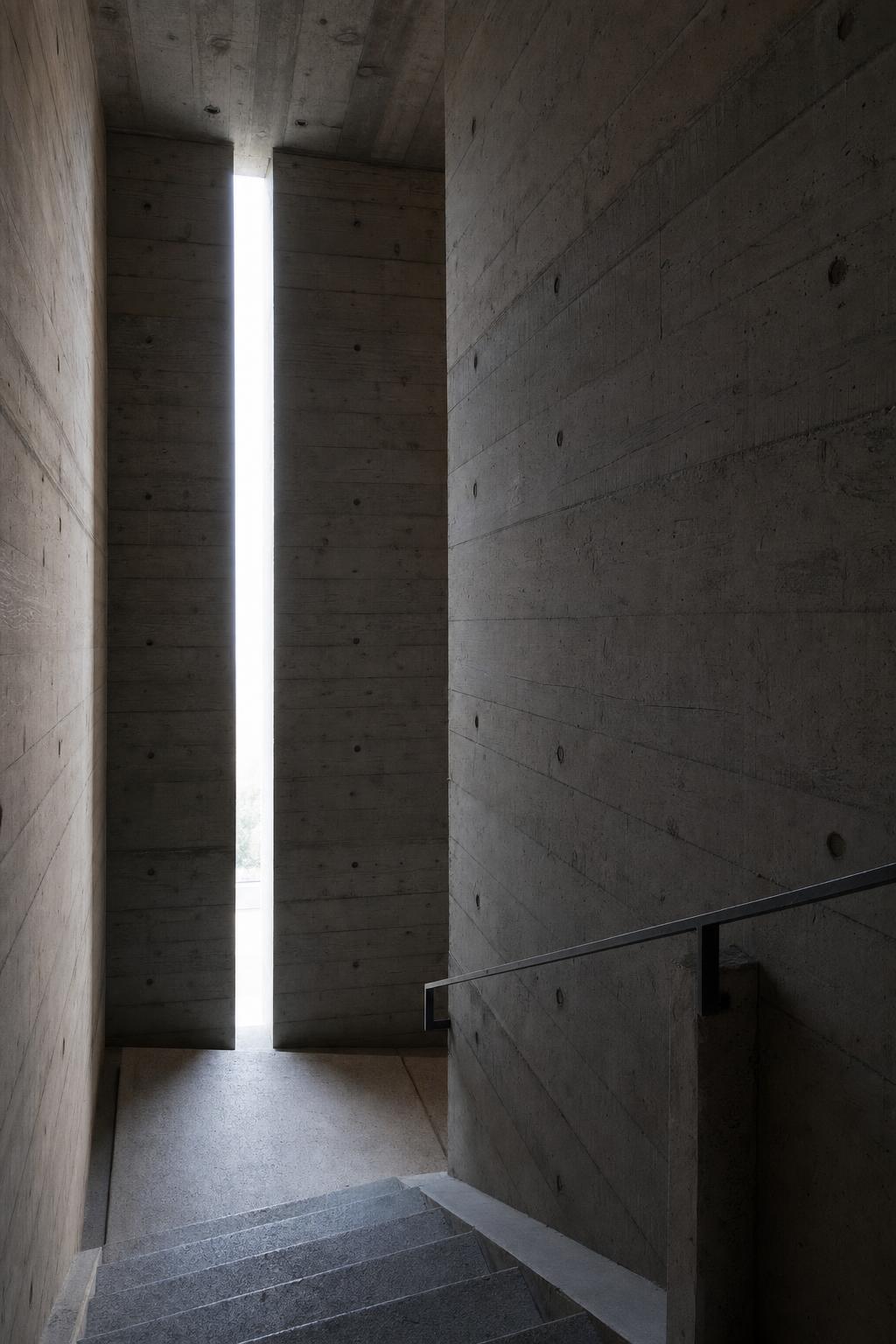
Generated using GPT Image 2 on fal, an AI model from OpenAI.
Prompt: Use Image 1 as a locked identity and wardrobe reference for both models. Use Images 2, 3, and 4 as environment references. Premium 21:9 brand film. Four locations in fifteen seconds, cut hard, no dissolves. The same two people in the same garments in every one. 0 to 4s: Rain-wet Tokyo side street at night. She walks toward camera through the frame right to left, he follows a beat behind. Neon reflections travel across the crocodile embossing on the dress. Handheld, slight sway. 4 to 8s: Hard cut. Empty Icelandic black-sand plain, flat overcast daylight, hard wind. Wide static frame, both models small in an enormous landscape, the coat driving sideways in the wind. Nobody moves. 8 to 12s: Hard cut. A brutalist stairwell interior, hard shaft light through a slot window. Tight coverage: her heel on the step edge, his hand on the rail, a fragment of coat hem in motion. No full faces. 12 to 15s: Hard cut. White seamless studio, flat even light, both models front-on and static in the exact pose from Image 1, holding perfectly still until the last frame. Wardrobe must be pixel-consistent across all four locations: the same crocodile embossing pattern, the same hem lengths, the same shoes. Only the light and the wind change. Identity holds in every shot including the profile and back fragments. Grade shifts with location and nothing else. Warm neon in Tokyo, cold desaturated gray in Iceland, high-contrast amber in the stairwell, clean neutral in the studio. Photoreal throughout, fine 35mm grain, no on-screen text. Audio: fully rebuilt per location with hard cuts between beds. Rain on asphalt and distant traffic. Then wind across open sand with nothing else at all. Then footsteps with a long concrete reverb tail. Then near-silent studio room tone under the final held frame. No music, no cross-fading between the beds.
Generated using MiniMax H3 on fal, an AI model from MiniMax.
Real-time audio under slow-motion picture
Prompt: Product photograph of a compact matte black rugged device roughly phone-sized with a knurled screw cap, a rubberized corner bumper, and one small green indicator light, shot straight-on against clean white in even soft light. Housing texture, cap thread, and light position sharp and clearly visible. No logos, no readable text, no props, no shadows.
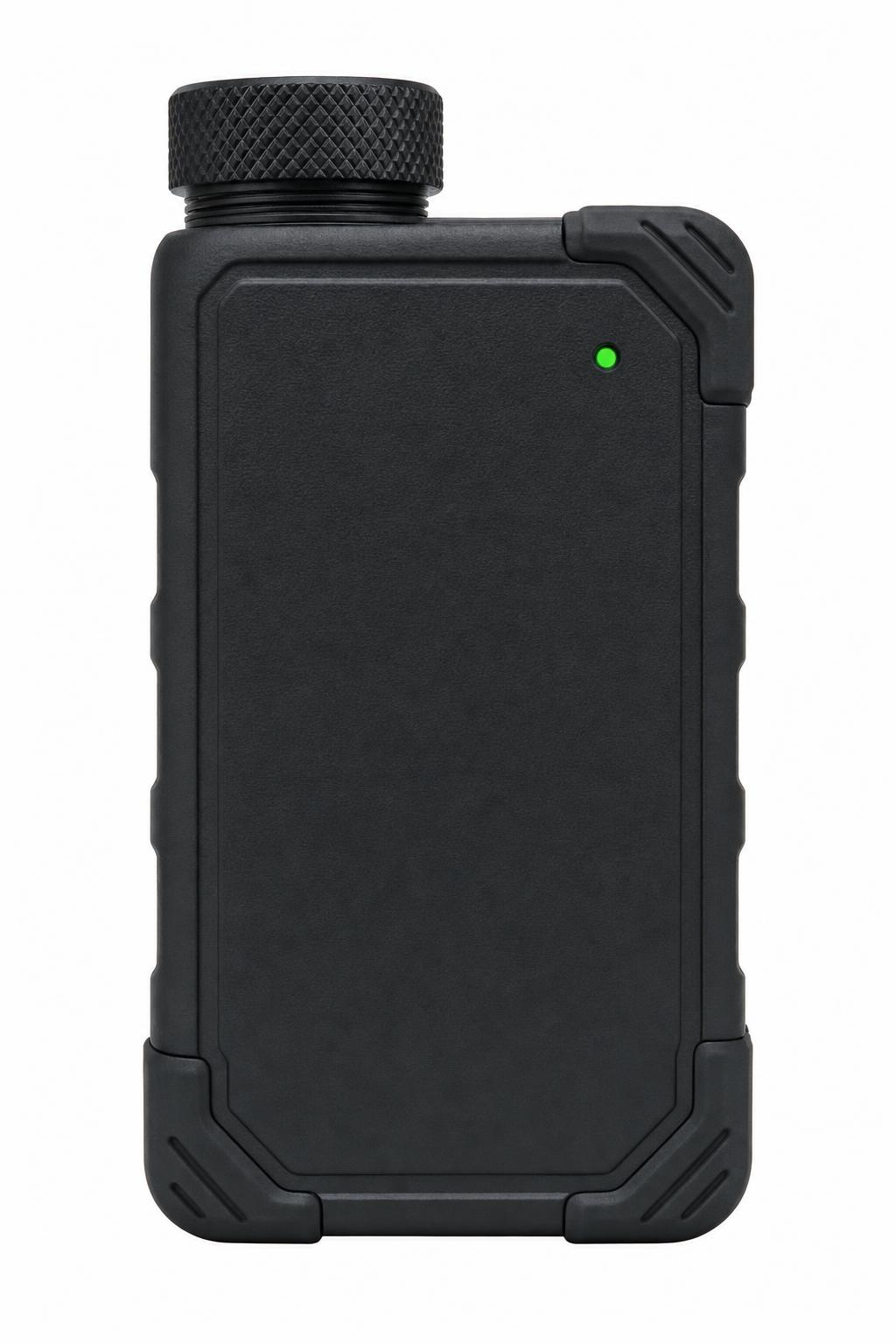
Generated using GPT Image 2 on fal, an AI model from OpenAI.
Prompt: Photoreal empty studio surface of polished gray concrete against a pure black background, hard single-source light raking across it from the left, fine dust on the surface. No objects, no people, no text.
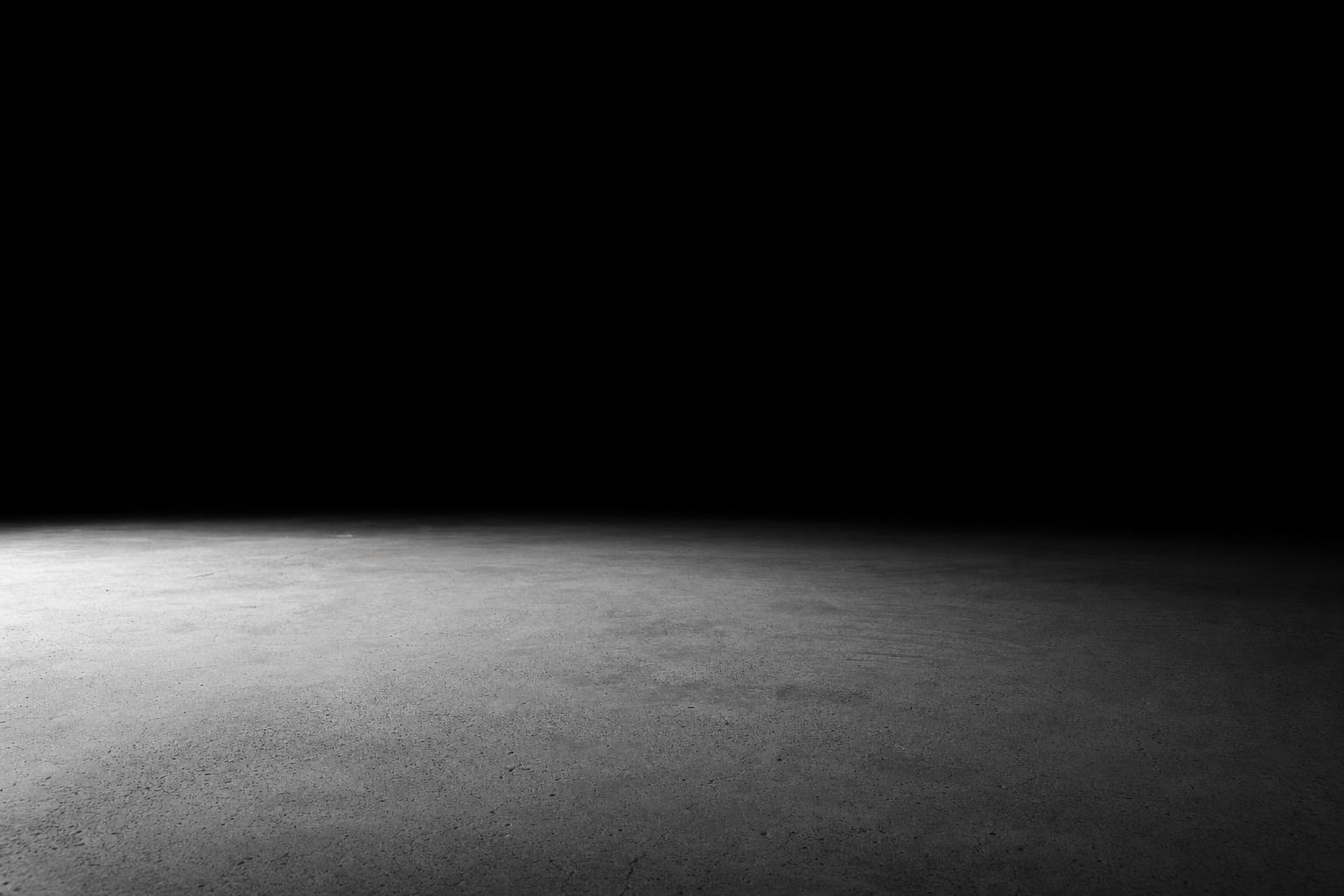
Generated using GPT Image 2 on fal, an AI model from OpenAI.
Prompt: Use Image 1 as a locked product reference and Image 2 for the environment. Photoreal high-speed product film, 16:9, macro throughout, hard single-source studio light on a black background. Four destruction events in ten seconds, cut hard, each shot at extreme slow motion. 0 to 3s: The device falls into frame from above and strikes polished concrete on its corner. It bounces once, rotates, and lands flat. Concrete dust lifts off the impact point and hangs. Individual grains visible. No damage to the housing. 3 to 5s: Hard cut to underwater. The device drops through frame in clear water, trailing a column of bubbles that peel off the sealed cap ring. The indicator light stays lit under water. 5 to 8s: Hard cut. A steel weight drops onto the device from just above frame. The device does not deform. The impact drives a shockwave visible in the dust on the surface around it. 8 to 10s: Hard cut to a clean hero frame. The device sits centered and perfectly still, wet, dusty, unmarked, one bead of water running off the cap. Hold completely static for the last full second. The device must remain identical to Image 1 in every shot including the cap thread, the indicator light position, and the housing texture. It never opens, cracks, or changes. Audio: the audio does not slow down with the picture. Impacts, water, and steel all play at real-time pitch and speed against the slow-motion visuals. A hard concrete strike with a short room slap. A muffled underwater plunge and bubble rush with everything above water cutting out entirely. A dead metallic thud under the weight. Then silence and one water droplet landing under the hero frame. No music, no impact stings, no reversed reverb.
Generated using MiniMax H3 on fal, an AI model from MiniMax.
For client work, you'd swap the generated product shot for the real one.
How much does MiniMax H3 cost?
Every second of 2K output costs $0.26 on fal, across all three endpoints, with no subscription and no minimum spend.
A 10-second clip comes to $2.60, and a full 15 seconds comes to $3.90.
Reference inputs are priced separately and mostly free: audio references cost nothing, the first 5 reference images cost nothing, and each image past that is $0.08.
Reference video is the one input that carries real cost, billed at $0.26 per second, so sending a 10-second clip in and getting 10 seconds back comes to $5.20.
On Image to Video, the input image is free.
Where can you run MiniMax H3?
The best place to run MiniMax H3 is on fal with its pay-per-second basis, with no subscription and no minimum spend, in both a playground and via our API.
fal is a Day 0 partner, so the hosted endpoints have been callable since launch with no GPU provisioning on your side.
You integrate once with the @fal-ai/client SDK, and the same call shape carries across every video endpoint on fal and the over 1,000 other models hosted there.
Auth, queueing, errors, and billing all stay identical whether you call MiniMax H3 or anything else.
A few lines get you a clip:
javascript
import { fal } from "@fal-ai/client";

const result = await fal.subscribe("minimax/h3/text-to-video", {
  input: {
    prompt:
      "A white kitten chases a butterfly across a sunlit garden. Gentle camera tracking, natural movement, soft afternoon light filtering through the leaves.",
  },
  logs: true,
  onQueueUpdate: (update) => {
    if (update.status === "IN_PROGRESS") {
      update.logs.map((log) => log.message).forEach(console.log);
    }
  },
});

console.log(result.data);
console.log(result.requestId);
You can swap the endpoint string for minimax/hailuo-03/image-to-video or minimax/hailuo-03/reference-to-video, and the shape of the call stays the same.
Image to Video adds image_url and an optional end_image_url; Reference to Video adds reference_image_urls, reference_video_urls, and reference_audio_urls.
Recently Added











Use MiniMax H3 on fal
Generation, referencing, and editing all come from one model, downloadable if you want the checkpoint and callable today if you don't.
You can start with Text to Video to get a feel for how it reads a prompt, then move to Reference to Video once you have a reference sheet in hand.
Creating a fal account is free.
Frequently asked questions
Is MiniMax H3 free to use?
No.
Running it on fal costs $0.26 per second of 2K output with no subscription, and self-hosting trades that for GPU time you pay for yourself.
The weights being open changes where the cost lands, not whether there is one.
Do you need the weights to use MiniMax H3?
No.
The hosted endpoints give you the same model through an API call, and most teams never touch the checkpoint.
Weights matter when you want to fine-tune, or when footage has to stay off third-party infrastructure.
Can you use MiniMax H3 output commercially?
Content generated through the fal API can go into commercial projects, and the endpoints carry a commercial use tag.
fal's terms of service hold the full detail on rights and licensing, and anything you generate from someone else's likeness or voice is a separate question that the terms don't answer for you.
Does MiniMax H3 make its own sound?
Yes, in stereo, on every generation.
Dialogue and sound design come out of the same generation as the picture, so there's no separate audio pass to schedule, and the mix is directable from the prompt.
Can MiniMax H3 edit video you already have?
Yes.
You can send the clip through Reference to Video with an instruction describing the change.
Whatever you left out of the instruction comes back the way it went in, so a second pass stays cheap.
![10 Best Text-to-Image APIs In 2026 [Reviewed]](https://refinery.fal.media/url/https%3A%2F%2Fv3b.fal.media%2Ffiles%2Fb%2F0a9eafbe%2FB4vvwLBImuOfSepWIVfwO_best-text-to-image-apis-2026.jpg/tr:w-1280,q-80/B4vvwLBImuOfSepWIVfwO_best-text-to-image-apis-2026.webp)
![What is MiniMax H3 Max Director & How To Use It? [2026]](https://refinery.fal.media/url/https%3A%2F%2Fv3b.fal.media%2Ffiles%2Fb%2F0aa9c5ed%2FEYK9k-1uD5wRCvCjKMymm.jpg/tr:w-1280,q-80/EYK9k-1uD5wRCvCjKMymm.webp)