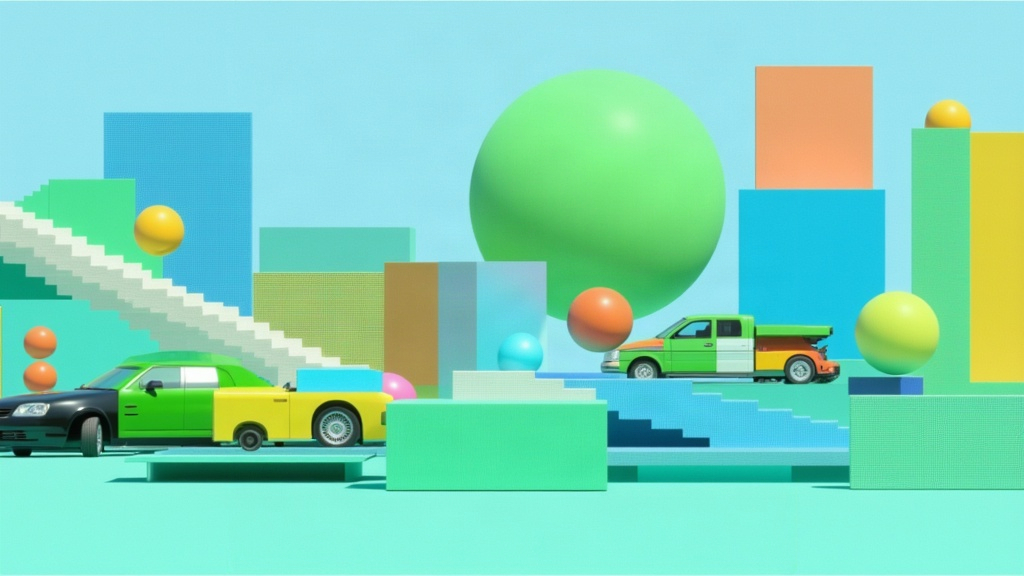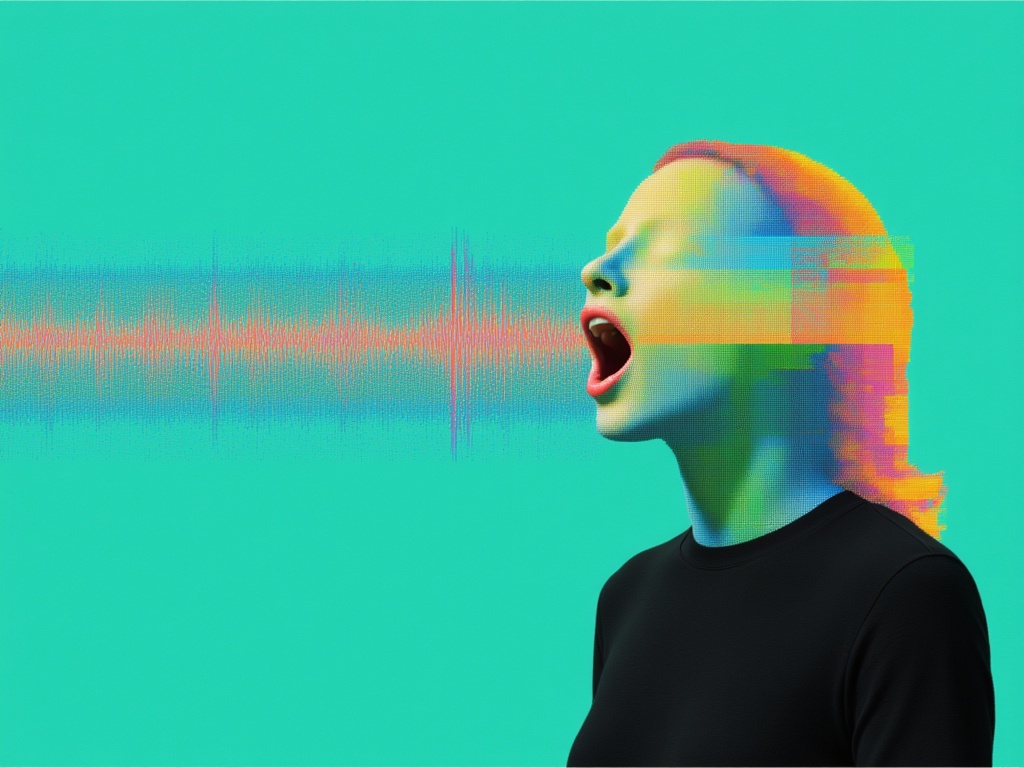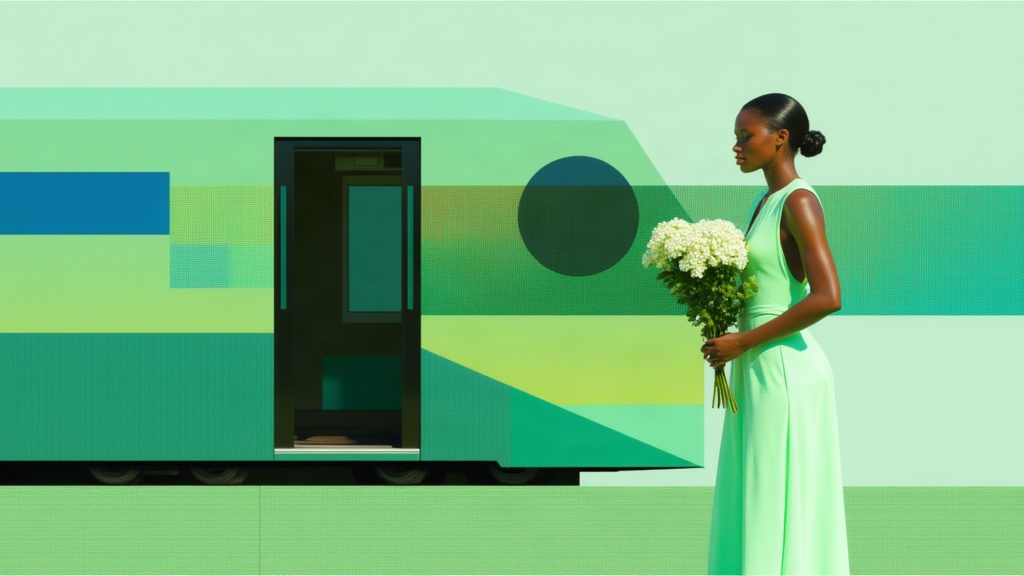
Kling Image 4.0 is Kling's next-generation image model, launched on November 17, 2026 and available on fal from day one. It brings four upgrades at once: more natural realism with native 8K output, crisp dense text and creative typography, coherent image sets of up to 10 images from a single prompt, and long-form page layouts such as full e-commerce product pages.
This guide is built from Kling's own launch guide for the model. Every example image below was made by Kling with Kling Image 4.0, and every prompt shown under an image is Kling's prompt, verbatim. Where Kling published a ready-to-use template, it is quoted at the top of its section.
On fal, Kling Image 4.0 runs on two endpoints:
- Kling Image 4.0 text to image (
kling/v4/text-to-image) for prompt-only generation - Kling Image 4.0 image to image (
kling/v4/image-to-image) for edits, style transfer and anything that uses reference images
What's new in Kling Image 4.0
Realism you would expect from a camera. Lighting falls off softly, skin and fabric carry fine texture, and expressions, poses and atmosphere blend the way they do in a real snapshot. Group shots get distinct faces, ages and builds rather than a row of look-alikes.
Native 2K, 4K and 8K. Pick the output resolution directly. At 8K the model keeps more texture in skin, fabric and landscapes, which leaves room for large-format prints and tight crops.
Dense, legible text. Up to 2,000 characters of text in a single image, with small print that stays readable and multi-section layouts that stay organized. Text renders in Simplified Chinese, Traditional Chinese, English, Japanese, Korean, Spanish and Portuguese. Describe the lettering you want in the prompt, or pass a font sample as a reference image.
Image sets from one prompt. Ask for a series and Kling Image 4.0 plans the whole set: shot breakdowns and pacing for a storyboard, angles and selling points for a product set, structure and hierarchy for a slide deck. Subjects, details and style stay consistent from frame to frame.
Long-form pages. One prompt can produce an ultra-tall e-commerce product detail page or a full website design, with product shots, selling points and brand copy laid out in one image.
Kling Image 4.0 on fal: the parameters
| Setting | Text to image | Image to image |
|---|---|---|
| Prompt | Up to 50,000 characters | Up to 50,000 characters; name references as @Image1, @Image2 and elements as @Element1 |
| Reference images | None | image_urls: 1 to 10 images, plus up to 7 elements; images and elements together max 10 |
| Output type | result_type: single (default) or series | Same |
| Number of images | num_images 1 to 9 for single | Same |
| Series length | series_amount 2 to 10, or auto (default 4) | Same |
| Resolution | resolution: 2K (default), 4K, 8K | Same |
| Aspect ratio | auto (default), 16:9, 9:16, 1:1, 4:3, 3:4, 3:2, 2:3, 21:9 | Same |
One note on reading Kling's prompts below: they refer to uploads as "Reference Image 1", "Image 2" and so on. On fal, write them as @Image1, @Image2 in the order you pass them in image_urls.
Some features in Kling's launch guide belong to the Kling app rather than the API, such as the 70+ preset fonts on the web, 110+ preset color grades, layer editing of long images and the Element Library. The prompting techniques in this guide work on fal through the prompt and reference images alone.
Portraits: true-to-life realism
Kling's template:
Person + Clothing and Accessories + Expressive Facial Expressions and Actions + Scene.
Kling's tips for portraits:
- Describe facial expressions and subtle movements: For example, “standing sideways, looking away from the camera, lips slightly parted” can convey a sense of detachment; “eyes closed, head tilted back, standing in the wind” can express a sense of release; “laughing, tossing fallen leaves, playing around with friends” can convey happiness and joy.
- Describe lighting and image texture: Sunset backlighting, preserved shadow details, and warm-cool contrast work well for portraits that convey restraint and loneliness. Bright, soft lighting and gentle highlights are ideal for warm, comforting scenes. Direct flash, hard shadows, and digital noise can create a retro, playful, or rebellious look.
- For portraits of two people, also describe their relationship: Specify their relative positions, physical distance, how they interact physically, and where they are looking. This helps the image convey a stronger sense of narrative.
A dreamy fairy portrait, built with the template: person, clothing and accessories, expression and action, then the scene, followed by camera, light and finish. Run it on text to image.
An outdoor portrait with a dreamy woodland fairy theme. A beautiful young white woman transforms into a garden fairy. She has luminous, fair skin and delicate, soft features. Her long, light-blonde hair is casually gathered into a voluminous low bun, with a few loose strands falling naturally around her cheeks. She tilts her head slightly toward the camera and smiles sweetly and playfully. She wears a fitted, strapless, pale yellow-green gown covered in tiny, shimmering silver-gold sequins. Three-dimensional petals and delicate stamen embroidery decorate the bodice, while translucent green flowers accent the waist. A pair of large, translucent butterfly fairy wings extends from her back. The wings are pale green, with silvery-white veins and delicate glitter, giving them a crystalline appearance. She raises both arms naturally, holding a lit sparkler in each hand, with golden sparks flickering around her.
She stands in a lush outdoor garden. A rustic wooden table with a rough-hewn surface fills the foreground, while clusters of pink, orange, and pale purple roses, along with tiny white flowers, frame both sides. Several transparent glass jar lanterns hang overhead. In the background, layers of green lawn lead into softly blurred trees. Front-facing, eye-level shot, medium half-body composition, subject centered, shallow depth of field, softly blurred background. Natural evening light and soft diffused illumination brighten her face. The overall palette features fresh, delicate yellow-green tones, with a low-saturation, warm cinematic look. Fine, realistic skin texture, subtle film grain, and a dreamy fairytale atmosphere. Ethereal, elegant, and refined woodland fairy portrait photography.
An autumn snapshot that spells out pose, gaze, framing and film look in detail.
A young East Asian woman stands beside a pale blue-gray metal railing in a park in late autumn. Her short black hair with straight bangs falls naturally around her face. She wears a white knitted headscarf with red polka dots, with red ties hanging down over her chest. Her outfit consists of an oversized creamy-white knitted sweater, a dark gray pleated miniskirt, and white over-the-knee socks. A white fabric bag with red polka dots hangs from her shoulder. Both hands rest on the metal railing as she leans her upper body over it, lifting her right lower leg playfully. Her body faces the right side of the frame, while her head turns toward the upper left as she looks up at the treetops with a bright, natural smile. Her short black hair lifts slightly with the movement, giving her a relaxed, playful expression.
Vertical, medium-long environmental portrait. The camera is positioned slightly in front of and to the side of the subject, shooting from a slightly elevated angle. The subject is placed in the lower-left area of the frame, with her body in a natural leaning pose. The metal railing extends from the lower-left corner toward the distant right side, creating a sense of depth and perspective. Ample space in the upper part of the frame is filled with interlacing dark branches and vivid maple leaves. Behind her is a dense forest of orange-red and golden-yellow maple trees, with a glimpse of blue lake water on the left. The ground is covered with deep reddish-brown fallen leaves, and the background remains clearly recognizable.
Bright autumn sunlight falls from the front left, directly illuminating her face and giving her skin a bright, luminous appearance. A subtle warm golden rim light outlines her hair. The sweater appears in a soft creamy white, while the leaves glow with translucent orange-red tones in the sunlight. Retro Japanese film snapshot aesthetic, wide-angle lens, relatively deep depth of field, noticeable film grain and subtle digital noise. Warm color palette, with red-orange maple leaves contrasting against blue-green shadows. Relatively high contrast, slightly soft focus around the edges, film-scan texture, and natural exposure imperfections. The image feels like a candid photo taken by a friend during an autumn trip: bright, carefree, lighthearted, and full of youthful cinematic charm.
Group shots follow the same pattern. Describe each person's relative position, distance and where they look, and the model keeps every face distinct.
Product and commercial photography
Kling Image 4.0 keeps a product's shape, structure and materials while it builds the light, set and mood around it. From a text prompt alone, spell out proportions, placement, the light direction and the finish. Kling's perfume still life:
Vertical composition, the way the mesh bag wraps around the objects, the proportions and placement of the perfume and limes, natural hard lighting, and a grainy texture. Create a style combining premium fragrance advertising, Mediterranean summer still-life photography, and natural lifestyle photography. Slightly above the center of the image is an off-white cotton-linen woven mesh bag, occupying approximately 45%–50% of the image. The bag is naturally open and filled with green lemons/limes, with realistic uneven peel textures, moisture droplets, and natural color variations. A transparent square perfume bottle lies diagonally across the center of the bag, occupying approximately 18%–22% of the image. The bottle contains pale amber-gold liquid, with thick, transparent glass edges and a metallic cap reflecting warm gold tones. Replace the front label with the simple, thin-weight black text “KLING,” with the smaller text “CITRUS / CREATIVE SCENT” underneath. Place a single lime in the lower foreground, and add blurred green leaves in the lower-left corner to create foreground occlusion. The background is a rough, light beige stone or travertine surface with natural pores, cracks, and gritty textures. Light enters diagonally from the upper right, creating strong summer-afternoon sunlight. The mesh bag, fruit, and perfume cast crisp shadows on the stone surface, while the glass and fruit peel catch fine highlights. Add subtle 35mm film grain, soft highlight bloom, and a slight vignette to create a natural, relaxed, fresh, and premium summer fragrance advertising atmosphere.
A sports car from text alone, with lighting and lens settings named the way a 3D artist would:
A deep blue metallic sports car is positioned at the center of the image, arranged diagonally. Its bodywork has a glossy finish with prominent highlights. It occupies the visual center in a wide-angle, low-angle full shot taken from a slightly upward-facing perspective. The front of the car points diagonally toward the left foreground. Two illuminated round LED headlights emit bright white light, with a black air intake grille below. The sides feature rigid-textured, silver multi-spoke alloy wheels, and a large black rear spoiler is mounted at the back. Large amounts of pink smoke surround the car, rising and spreading toward the right side of the image in fluffy clusters with a light, airy texture. The foreground consists of reddish-brown earth with a wet, reflective surface, rough textures, and irregular patterns. The reflections on the ground guide the viewer's attention toward the subject. On the left side of the background is a dark brown hillside made of rough rock formations, with a deep, uniform blue sky above. The overall composition is visually balanced, with the background smoke and dark mountains creating a stable sense of spatial structure. Under low-key lighting, hard side backlighting works together with the artificial headlights to create high contrast between cool and warm tones, with blue and warm light interweaving. Rim lighting, volumetric lighting, and dramatic lighting combine with a medium aperture and medium depth of field to create a cinematic, futuristic 3D-rendered digital artwork.
To place your own product in a scene, pass a clean product shot to image to image and describe the scene around it.
Input:
Result:
Generate a realistic lifestyle photograph of this coffee pot. Set the scene in a kitchen, with the product placed on a marble-textured countertop. Add a window with blinds beside it, allowing sunlight to stream in and cast the shadows of the blinds onto the product. Use warm tones and noticeable film grain. Create distinct foreground, middle ground, and background layers, with a rich arrangement of still-life objects.
The same approach for furniture:
Generate a realistic product photograph of a sofa. Place a round coffee table in front of it, with an off-white armchair beside it and an off-white floor lamp next to the sofa. Use a brown rug and natural wood flooring. Create a premium-looking scene near a window, with sunlight filtering through the blinds and casting shadows onto the sofa. Give the overall image a film-grain texture.
Color control: HEX values, palettes and tone
Kling Image 4.0 follows exact color values. Write HEX codes into the prompt and name the object each one belongs to.
A minimalist, dramatic low-angle fashion portrait. The composition is almost entirely divided into large geometric color blocks by a vintage car in #F0C030. The camera shoots upward from an extremely low angle, with a pronounced wide-angle close-up effect. The hand hanging outside the car door in the foreground is dramatically enlarged, becoming the first and most prominent focal point of the image. The hand hangs naturally at the side. The subject is a middle-aged to elderly woman with neatly styled short gray-white hair. Her face leans out through the car window, tilting slightly downward as she looks into the camera with a calm, detached expression. She wears a shirt with fine vertical stripes in #C41230, its sleeves casually gathered along the edge of the car window. She wears gold earrings and silver rings. In the composition, her face is positioned in the upper-left area, while her hand falls near the lower center. The yellow car door forms the strongest horizontal color block. The lighting is typical of a bright sunny day, with strong direct sunlight. The car's paintwork has bright reflections, while the woman's skin and the back of her hand feature distinct highlights and clearly defined edge shadows. A fusion of American cinematic stills and contemporary minimalist fashion photography.
To recolor an existing image, pass it as a reference and list one HEX value per object, plus a line saying what must not change.
Change only the colors of the specified objects. Preserve the original commercial still-life photography quality and realistic reflections, making the modified image look as though it was originally photographed using this color palette.
Replace the background color with HEX#E9DFD2.
Replace the lid color with HEX#2E5E34.
Replace the pencil color with HEX#C46A2D.
Replace the notebook color with HEX#6F7C6B.
A palette card works as a reference too. Pass the palette as an image and ask the model to use its colors.
Create a Japanese youth film poster with a bold retro collage aesthetic, using the color palette from the reference image. The main subject is a girl in a white sailor-style top and dark blue pleated skirt, positioned in the center. She is holding a gold saxophone and leaping into the air, her mouth wide open as if shouting with joy. Her exaggerated pose radiates youthful energy. An irregular red outline surrounds her body, resembling the cut edge of a paper collage and making her pop dramatically out of the background. The background is a highly saturated sky-blue surface with a coarse grain texture, prominent halftone dots, printing noise, and the worn look of an old poster. Three small black-and-white character photographs on yellow backgrounds are scattered around the composition like comic panels or fragments of memory, positioned in the upper left, middle right, and lower left, echoing the central subject. The huge yellow title “KLING” stretches across the top, partially overlapping the composition. The upper-right and lower-left areas are decorated with orange lightning bolts, explosive starbursts, red spirals, pink smiley faces, and other graphic elements. The layout is dense, energetic, and playful, evoking handmade collage, youthful music culture, and a lively magazine cover. The text “Inspiration in a Flash. Precision in Control.” adds visual weight to the middle and lower sections, creating a classic high-density graphic poster composition. The overall mood is youthful, exuberant, retro, and playful, like promotional artwork for a Japanese film from the 2000s.
Using the colors and color values from the reference color palette, create a studio still-life photograph. Use a seamless blue-violet background, with a large round armchair featuring vertical olive-yellow and dark brown stripes placed in the center. Place a small square clock on top of the chair's backrest, a white cup and saucer on the seat, and two sage-green high-heeled shoes as accents in the foreground. Soft lighting, realistic fabric textures, gentle shadows, and balanced negative space.
To match the grade of a whole shot, pass a tone reference first and the image to regrade second.
Use the tonal atmosphere of Reference Image 1 to generate Image 2.
The director's toolkit: sketches, previs and post
Kling Image 4.0 can turn rough inputs into finished frames. Say which input sets the composition, what to keep, and what to replace.
From a stick-figure sketch to a film frame. Kling's prompt is a full shot brief: what to preserve from the sketch, the subject, the street life, the light, the VFX, the finish and a closing list of things to avoid.
Use the only uploaded stick-figure sketch as the compositional reference. Transform it into a single 16:9 frame from a big-budget live-action theatrical film. Preserve the sketch's low-angle perspective, the protagonist positioned in the lower-left area of the frame, the street converging into the distance, and the spatial relationship in which an entire city folds upward while another city hangs upside down overhead. Do not retain any sketch lines or the white paper background.
A realistic adult female protagonist stands at the boundary between the sidewalk and roadway, wearing a dark long coat and looking up at the inverted city. Strong wind blows from the right side of the frame, sending her long hair, coat hem, loose papers, and dust consistently sweeping toward the left. She appears small in comparison to the city, but her posture and backlit hair remain clearly defined.
The street is not empty. In the foreground, a dark sedan passes close to the camera, partially entering from the edge of the frame, creating moderate motion blur and reflections on the wet pavement. In the middle ground, two or three cars move slowly or have stopped in response to the phenomenon, with one showing illuminated brake lights. Sparse traffic and a few pedestrians remain visible in the distance, naturally diminishing in size with perspective. Use ordinary, realistic urban vehicles, not a chase scene or a massive traffic jam. They should bring a sense of everyday life and scale to the street while preserving a clear visual corridor leading toward the warm light in the distance. Do not let vehicles obscure the protagonist or the silhouette of the folding city.
A low-angle shaft of warm golden sunlight penetrates the thin mist through a gap between buildings at the end of the street, serving as the visual center of the composition. The high-rises on both sides and the inverted city overhead recede into richly layered cool gray-teal shadows. Warm backlight outlines the protagonist's hair, shoulders, and windblown coat. Long streaks of reflected light on the wet asphalt, subtle highlights on car windows and paintwork, and red reflections from distant brake lights work together to create realistic, dramatic lighting. Preserve recognizable facial details rather than rendering the protagonist as a completely black silhouette.
Seamlessly blend a realistic urban exterior with world-class architectural visual effects. The city folds as a complete, structurally coherent and physically massive urban space, not as scattered floating buildings. Vehicles, streets, and architecture must all obey the same perspective and lighting conditions.
The image should have the cinematic quality of a theatrical feature film, with natural skin tones, deep but detailed shadows, fine film grain, and restrained lens flare. The atmosphere is quiet, oppressive, and surreal.
Avoid: Empty streets without vehicles, excessive traffic or traffic jams, car crashes, explosions, chase scenes, stick figures, illustration styles, video game CGI aesthetics, plastic-looking textures, excessive HDR, blue-purple neon lighting, glowing portals, chaotic light sources, text, logos, and watermarks.
From a white-clay render to a final render. Describe each material and the light, and ask to keep the composition and camera.
Transform the white-clay 3D render into an aerial CG game render at golden hour. Give the Christ the Redeemer statue realistic blue-gray soapstone material and weathered textures, with subtle patches of moss and traces of rain erosion on the surface. Add dense tropical rainforest vegetation to Corcovado Mountain, with interwoven deep greens and olive greens, and warm brown exposed rock formations. Give Rio's urban buildings realistic materials, including concrete, glass curtain walls, and red-tiled roofs, illuminated by sunlight in warm golden and orange tones. The water in Guanabara Bay should transition from turquoise near the shore to deep blue in the distance, dotted with white yacht trails. Sugarloaf Mountain and the distant mountain ranges should be enveloped in pale purple and pink-orange morning mist, creating distinct layers. The sky should transition from warm orange near the horizon to pale blue overhead, with thin clouds tinted golden pink. Golden-hour side backlighting comes from the left, creating bright rim light along the statue's right arm and shoulder, while the left side of its face and robe folds fall into soft shadow. Long, warm shadows stretch across the mountain ridges and building facades. Volumetric light penetrates the thin mist, forming visible light rays, while subtle warm atmospheric perspective fills the air. Maintain the same composition and perspective as the reference image from an aerial viewpoint, with depth of field transitioning naturally from the sharp foreground mountain to the softly blurred distant mountain ranges.
Green screen to location. Name what to replace, what to keep and how the light should change.
Replace the large green screen on the left, along with the metal trusses and white softbox lights above, entirely with an ancient forest exterior. Towering oak and beech trees form a dense canopy overhead. Their thick, twisted trunks are covered in deep green moss and gray-white lichen, while their roots twist across the ground like giant serpents. The forest floor is covered with thick layers of dark brown leaf litter, pine needles, and damp soil, scattered with fallen giant trees and moss-covered rocks. Mist fills the distance, where the forest grows deep and dark, with only faint, cool daylight filtering through gaps in the dense canopy to form several soft volumetric light rays. Preserve and extend the stone archway and deadwood set on the right, integrating them into a more expansive ancient ruin atmosphere. More collapsed stone pillars and vine-covered broken walls should be faintly visible behind the archway. Remove all artificial lighting and studio structures. Lighting should come entirely from the natural environment, primarily overcast diffused light, with occasional dappled light filtering through the branches. Use a palette of deep olive green, dark brown, and cool gray, with no saturated bright colors or magical glowing elements. Keep the character's original pose and clothing textures, but naturally integrate the lighting into the forest environment, with soft transitions between light and shadow on the face and clothing under cool ambient light. Cinematic aerial-shot quality, 8K ultra-high definition, inspired by the visual style of the forests in Peter Jackson's Middle-earth films. Natural atmospheric perspective, with depth of field transitioning from the sharp foreground character to the softly blurred distant forest layers. Epic, mysterious, ancient, and realistic.
Camera effects. Lock everything with an opening "Without changing any original content..." line, then describe the optical effect.
Without changing any original content, subjects, objects, composition, camera position, spatial perspective, or other elements, enhance the image solely through realistic optical imaging and lens distortion effects to create a cinematic crash zoom (Zoom Burst) effect. Simulate the optical zoom burst produced by rapidly zooming in and out with a real zoom lens during exposure. Keep the subject relatively sharp as the visual focal point, while creating natural radial motion blur (Zoom Blur) around the edges, radiating outward from the center. Gradually increase the blur intensity from the center toward the edges to create strong visual tension and a sense of spatial depth. Preserve the subject's structure, textures, and focus stability. The edge areas should exhibit realistic optical stretching and motion trails, while highlights naturally extend into light streaks. Ensure all details follow the optical behavior of real focal-length changes.
Without changing any original content, subjects, people, vehicles, buildings, roads, composition, camera position, spatial perspective, or other elements, enhance the image solely through realistic photographic motion blur and camera movement effects to create a cinematic high-speed tracking shot. Do not add, remove, or move any elements. Simulate a fast-moving camera continuously tracking the subject. Keep the subject sharp and clear, while creating natural radial motion blur (Radial Motion Blur) and speed-stretching effects around the edges and in the background. The blur direction must strictly follow the camera's forward movement, gradually intensifying from the center toward the edges to create a strong sense of speed and visual impact. Preserve the subject's details and focus stability. Environmental elements such as the background, roads, buildings, trees, and sky should exhibit realistic camera-motion trails. Combine this with a cinematic shutter angle (approximately 180°–270°) to create natural motion blur. Highlights should show subtle light stretching and speed trails, delivering an immersive dynamic visual effect reminiscent of a real cinematic car chase or high-speed tracking shot.
Post-production fixes. The same lock line works for cleanup passes such as dehazing.
Without changing any original content, subject, person, pose, expression, clothing, hairstyle, composition, camera position, spatial perspective, or other elements, enhance the image quality solely through realistic photographic dehazing and clarity adjustments. Remove the haze in front of the lens, including low-contrast mist, gray haze, diffused glare, and atmospheric fogginess, restoring a clear and natural sense of atmospheric depth. Increase overall micro contrast (Micro Contrast) and local clarity (Clarity), enhancing facial features, hair strands, clothing textures, and material details to make image edges cleaner and clearer. Preserve the original lighting direction, exposure relationships, color gradation, and natural transitions between light and shadow. Only reduce the diffuse reflection caused by haze. Avoid excessive sharpening, noise, halos, white edge artifacts, or an HDR effect.
Typography and dense text
Put every word you want on the image in quotation marks, say where it sits, and describe the lettering: weight, style, handwritten or printed, the mood. Kling Image 4.0 sets display lettering, handwriting, multilingual layouts and posters with full typographic hierarchies.
The same word in different lettering styles, from a thin script to bold brush letters:
For dense pages such as menus, outline the sections first, then list the items and prices line by line. Small text stays legible across a full page:
Image sets: storyboards and series
Set result_type to series and Kling Image 4.0 returns a coherent set instead of independent images. series_amount takes 2 to 10, or auto to let the model decide how many frames the brief needs. Write the shared world and style once, then one line per frame.
Kling's animated storyboard: a character turnaround passed as the input image, plus one prompt for 8 frames. Run it on image to image so the robot stays the same in every frame.
Input:
Result, 8 frames:
Animated Film Storyboard
Scene 1: A small robot struggles forward against the howling snowstorm, cradling a glowing orb in its arms as it makes its way through snow-buried streets.
Scene 2: The blizzard suddenly intensifies. The robot anxiously drops to one knee against the raging wind, desperately shielding the glowing orb against its chest.
Scene 3 – Wide Shot: Battling through the snowstorm, the robot struggles toward an abandoned greenhouse in the distance.
Scene 4 – Close-up: A close-up of the glowing orb in the robot's hands. Inside the greenhouse, the wind and snow are temporarily shut out. The robot gazes down at the orb, anxiously checking whether it has survived the journey unharmed.
Scene 5 – Medium Shot: Inside the greenhouse, with the blizzard temporarily kept outside, the first tiny sprout breaks through the soil. The glowing orb illuminates the delicate new growth, marking the successful completion of the robot's mission.
Scene 6: The little robot opens the door and steps outside. It stares in disbelief as life begins to spread across the landscape. Flowers bloom and vegetation gradually drive away the winter cold. Half the world remains covered in ice and snow, while the other half bursts into green.
Scene 7: The ice and snow have completely receded. The original elevated roads, buildings, and streets remain, now blanketed in lush vegetation and blooming flowers. The little robot gazes upward at the miracle of life unfolding all around it.
Scene 8: The little robot sits among the greenery-covered ruins, holding a single flower in its hand, with a butterfly resting delicately on its petals.
Slide decks with Series Mode
Each slide comes back as its own image. Kling's template:
[Topic and Audience] + [Number of Slides and Aspect Ratio] + [Visual Style] + [Optional: Slide-by-Slide Outline] + [Consistency Requirements]
What each part does, in Kling's words:
- Topic and Audience: Specify the presentation topic and target audience. For example, “2025 Fashion Industry Trends Report for Brand Partners” or “Tech Product Introduction for Investors.”
- Number of Slides and Aspect Ratio: Specify the number of slides and aspect ratio. The standard format is usually 16:9 landscape.
- Visual Style: Describe the overall visual style, such as “clean corporate,” “minimalist business,” or “futuristic tech.” You can also specify the color palette and layout preferences, such as “ivory background, dark gray text, and a clean layout.”
- Slide-by-Slide Outline (Optional): Describe the key content for each slide. You can specify a cover slide, table of contents, content slides, and a conclusion. If no outline is provided, the model will automatically plan the presentation based on the topic.
- Consistency Requirements: Specify requirements such as “Keep the color palette and title style consistent across all slides.”
Kling's two ready-to-use deck prompts. Replace the bracketed parts:
Generate [5] PPT presentation slide images on the topic of [Your Topic], for [Your Target Audience], in [Your Visual Style].
Generate [5] PPT presentation slide images on the topic of [Your Topic], for [Your Target Audience], in [Your Visual Style].
Slide 1, Cover: [Your Title].
Slide 2: [Your Content Requirement 1].
Slide 3: [Your Content Requirement 2].
Slide 4: [Your Content Requirement 3].
Slide 5, Conclusion: [Your Summary].
Use an overall design style that follows [Your Visual Style Requirements, e.g. an ivory background, dark gray text, and a clean layout]. Keep the color palette and title style consistent across all slides, with one key takeaway highlighted on each slide.
A six-slide fashion deck from one prompt, with every line of slide text written out:
Create a 6-slide 16:9 luxury fashion brand presentation for the fictional Parisian fashion house “Kling Collection.” All visible slide text must be in English.
Brand theme: Autumn–Winter 2026 campaign, “COLD LIGHT.” The brand represents architectural tailoring, quiet power, refined materials, Parisian heritage, and international high fashion.
Overall visual style: high-end global luxury fashion campaign, cold and cinematic, elegant editorial photography, sophisticated magazine layout, architectural spaces, black wool, leather, concrete, marble, frosted glass, brushed metal, archival paper. Use black, paper white, charcoal, cold grey, muted steel blue, and subtle warm skin tones. Strong fashion photography, refined typography, material close-ups, balanced full-page compositions, rich visual layers, and controlled negative space. Avoid generic corporate PPT style, colorful gradients, neon colors, cartoon decoration, and overly empty layouts.
Keep the brand identity consistent across all slides: a thin-line “K” monogram, refined sans-serif typography, small slide numbers, and the footer “KLING COLLECTION — PARIS.” Create each slide as a complete designed presentation page, not a collage.
SLIDE 01 — COVER
A model in a long black coat stands in a monumental concrete hall under cold window light. Add architectural shadows and a close-up texture of black wool or frosted glass. Dramatic, restrained, expensive fashion campaign mood.
Text:
“KLING COLLECTION”
“AUTUMN – WINTER 2026”
“COLD LIGHT”
“THE CAMPAIGN — PARIS”
“KLING COLLECTION — PARIS”
SLIDE 02 — THE MAISON
Editorial composition with a large sculptural grey fabric detail, a refined Parisian atelier interior, and a confident text block. Use concrete, fabric, and soft directional light.
Text:
“THE MAISON”
“Kling Collection is not a trend. It is a point of view: silence, structure, and the discipline of restraint.”
“We build clothes the way architects build rooms — for light, for shadow, for the long term.”
“EST. 1996 — ATELIER N°9, PARIS”
SLIDE 03 — HERITAGE
Create a visually rich fashion-house archive page. Use a horizontal timeline with four monochrome archive photographs: a Paris atelier, an early runway or sketch, a tailoring workbench, and a modern Paris flagship. Combine archival paper, subtle fabric details, fine lines, and elegant year markers.
Text:
“HERITAGE”
“From one Paris atelier to a language of architectural luxury.”
“1996 — Margot Kling founds the house in a single Paris atelier.”
“2003 — The label presents its first runway collection.”
“2014 — Architectural tailoring becomes a defining house code.”
“2022 — The Kling Collection flagship opens in Paris.”
“FOUR MOMENTS. ONE CONTINUOUS ATTITUDE.”
“ARCHIVE — KLING COLLECTION”
SLIDE 04 — SAVOIR-FAIRE
Luxury atelier close-ups: a tailor hand-basting a shoulder seam, black leather being hand-painted, wool fabric, scissors, thread, and a cutting table. Strong tactile details and deep shadows.
Text:
“SAVOIR-FAIRE”
“Every piece passes through forty-two pairs of hands.”
“Double-face cashmere, six hours of hand basting per coat.”
“Vegetable-tanned leather aged twelve months before cutting.”
“One master cutter per garment.”
“ATELIER N°9 — PARIS”
SLIDE 05 — THE COLLECTION
Show the AW26 collection through a sculptural black wool coat, oversized shoulders, high collar, frosted glass, cold concrete, and dramatic diagonal light. Add close-up details of fabric and tailoring.
Text:
“COLD LIGHT — AW26”
“The season studies winter architecture — cast shadows, frosted glass, and stone.”
“OVERSIZED SHOULDERS”
“HIGH, SCULPTURAL COLLARS”
“BLACK, BONE, AND STEEL”
“THE COLLECTION — KLING COLLECTION”
SLIDE 06 — THE LOOKBOOK
A striking black-and-white fashion editorial featuring three models in structured winter tailoring against raw concrete architecture. Show distinct silhouettes, strong posture, calm expressions, and refined garment details.
Text:
“THE LOOKBOOK”
“LOOK 01 — Long wool coat, stone”
“LOOK 07 — Cropped tailoring, black”
“LOOK 12 — Cashmere overcoat, bone”
“NINE LOOKS, PHOTOGRAPHED AGAINST RAW CONCRETE.”
An eight-slide product keynote. Kling repeats the full style line on every slide, which keeps the look locked across the deck:
=== SLIDE 1 · COVER ===
premium tech keynote style, deep space black studio background, cinematic rim lighting, minimal sans-serif typography in pearl white with generous negative space, professional presentation slide, 16:9 widescreen, flagship smartphone floating at a dramatic three-quarter angle, grade-five titanium frame with brushed metal texture, polished ceramic back panel, circular halo camera module ringed with fine metallic ridges, soft warm amber and violet aurora gradient glow blooming behind the device, subtle floor reflection beneath, Slide title: AETHER ONE, Subtitle: Light, made personal. Introducing the most luminous device we have ever built, sophisticated monochrome palette of deep black pearl white and silver titanium with warm amber and violet aurora accents, avoid generic tech blue colors, high-end industrial design visual, ultra high resolution, cinematic color grading, sharp typography
=== SLIDE 2 · DESIGN PHILOSOPHY ===
premium tech keynote style, deep space black studio background, cinematic rim lighting, minimal sans-serif typography in pearl white with generous negative space, professional presentation slide, 16:9 widescreen, a single beam of white light passing through darkness and spreading into a full spectrum across the stage, giant statement typography floating over a soft amber-and-violet gradient, one thin golden hairline crossing the frame, Slide title: Everything begins with light., Subtitle: Design philosophy, sophisticated monochrome palette of deep black pearl white and silver titanium with warm amber and violet aurora accents, avoid generic tech blue colors, high-end industrial design visual, ultra high resolution, cinematic color grading, sharp typography
=== SLIDE 3 · AETHER A2 CHIP ===
premium tech keynote style, deep space black studio background, cinematic rim lighting, minimal sans-serif typography in pearl white with generous negative space, professional presentation slide, 16:9 widescreen, the Aether A2 chip die floating above the stage like a tiny city of light, golden circuit veins glowing across the silicon, exploded layers suspended beneath, thin light beams connecting each layer, Slide title: Aether A2. The engine of light., Subtitle: Built on a second-generation 3-nanometer process, sophisticated monochrome palette of deep black pearl white and silver titanium with warm amber and violet aurora accents, avoid generic tech blue colors, high-end industrial design visual, ultra high resolution, cinematic color grading, sharp typography
=== SLIDE 4 · LUMINOUS DISPLAY ===
premium tech keynote style, deep space black studio background, cinematic rim lighting, minimal sans-serif typography in pearl white with generous negative space, professional presentation slide, 16:9 widescreen, the display panel floating upright in the dark, the screen glowing with a live color spectrum, light washing across the studio floor, a thin beam tracing the panel edges, Slide title: Luminous. By name. By nature., Subtitle: A 6.9-inch LTPO OLED that reaches 3,000 nits, sophisticated monochrome palette of deep black pearl white and silver titanium with warm amber and violet aurora accents, avoid generic tech blue colors, high-end industrial design visual, ultra high resolution, cinematic color grading, sharp typography
=== SLIDE 5 · HALO CAMERA ===
premium tech keynote style, deep space black studio background, cinematic rim lighting, minimal sans-serif typography in pearl white with generous negative space, professional presentation slide, 16:9 widescreen, exploded view of the Halo camera module suspended in darkness, lens stack separated into floating elements, beams of light entering the main lens, soft night-city bokeh glowing behind, Slide title: Halo. Light, composed., Subtitle: A professional imaging system, sophisticated monochrome palette of deep black pearl white and silver titanium with warm amber and violet aurora accents, avoid generic tech blue colors, high-end industrial design visual, ultra high resolution, cinematic color grading, sharp typography
=== SLIDE 6 · BATTERY & CHARGING ===
premium tech keynote style, deep space black studio background, cinematic rim lighting, minimal sans-serif typography in pearl white with generous negative space, professional presentation slide, 16:9 widescreen, a glowing ring of amber light encircling the device, charging pulses rippling outward like a slow heartbeat, a soft energy wave spreading across the dark floor, Slide title: All day. Then some., Subtitle: A 5,300-milliampere-hour silicon-carbon battery with 85-watt HyperCharge — endurance that keeps up with your light, sophisticated monochrome palette of deep black pearl white and silver titanium with warm amber and violet aurora accents, avoid generic tech blue colors, high-end industrial design visual, ultra high resolution, cinematic color grading, sharp typography
=== SLIDE 7 · AETHEROS & AI ===
premium tech keynote style, deep space black studio background, cinematic rim lighting, minimal sans-serif typography in pearl white with generous negative space, professional presentation slide, 16:9 widescreen, translucent interface panels floating in layered dark space, small glowing nodes connected by fine threads of light, a soft aurora haze behind the panels, Slide title: AetherOS 12. Intelligence, at home., Subtitle: Rebuilt around the Aether A2 neural engine, sophisticated monochrome palette of deep black pearl white and silver titanium with warm amber and violet aurora accents, avoid generic tech blue colors, high-end industrial design visual, ultra high resolution, cinematic color grading, sharp typography
=== SLIDE 8 · PRICING & CLOSING ===
premium tech keynote style, deep space black studio background, cinematic rim lighting, minimal sans-serif typography in pearl white with generous negative space, professional presentation slide, 16:9 widescreen, the full device lineup floating in a row at three-quarter angles, soft golden horizon light rising behind the row, faint pricing lines glowing beneath each device, Slide title: AETHER ONE., Subtitle: Light, made personal. From 999 dollars — pre-orders open this Friday, in stores October the twenty-eighth, sophisticated monochrome palette of deep black pearl white and silver titanium with warm amber and violet aurora accents, avoid generic tech blue colors, high-end industrial design visual, ultra high resolution, cinematic color grading, sharp typography
Long-form product pages and websites
Kling Image 4.0 can lay out a complete tall page in one image: product shots, selling points, specs and brand copy, in a consistent style from top to bottom. Kling's prompts for these are a single sentence:
Generate an English e-commerce product page for a charging adapter
Generate an English e-commerce product page for a pot
Generate an English e-commerce product page for a perfume.
Generate an English-only e-commerce website for a ceramic manufacturer.
Tops of the resulting pages, in the same order: a charging dock, a multi-cooker and a perfume, plus the ceramics website.
Use a tall aspect ratio such as 9:16 and a high resolution so the small print holds up.
Greeting cards and invitations
Kling's template:
Create a [description of the desired design] inspired by the [style] of [Input Image].
A card from a single style reference. Quote the full message and ask for it to be spelled exactly:
Create a warm, elegant British Christmas greeting card inspired by the vintage handmade printmaking style of the uploaded reference image. Use an ivory paper background and a retro red-and-green color palette, with rough printed textures. Include hand-drawn Christmas trees, holly leaves, red bows, golden stars, and snowflakes. Evoke the atmosphere of a winter day in the English countryside, with a snow-covered cottage, fireplace, and soft glowing lights in the distance. Add an irregular red striped border around the edges.
In the center of the card, write the following message in a clear, elegant vintage handwritten font:
“Dear Oliver,
Wishing you a very Merry Christmas and a happy, healthy New Year.
May you stay well, feel happy, and enjoy many warm and peaceful moments with your loved ones.
With warmest wishes,
Emily”
The text must be complete, spelled correctly, and clearly legible, with natural typography and wording appropriate for a British Christmas greeting. The overall design should feel warm, nostalgic, and sincere, retaining the texture of the paper and the imperfect details of handmade printing. No watermarks, logos, or additional text.
A family card from two references, one for style and one for the people. Give each reference a single job, and say what must stay true to the photo:
Use reference image 1 as the visual style reference and reference image 2 as the only family identity reference. Create a warm handmade Christmas greeting card in a vintage cut-paper collage and scrapbook style.
Preserve the exact identity of the family from reference image : the mother, father, and child, including their facial features, hairstyles, skin tones, expressions, family relationship, clothing, and recognizable appearance. Do not add or remove any family members. Carefully cut the family out from the original background and place the family photograph in the center of the card as a colorful printed family photo. Keep the original natural colors of the family photo, including realistic skin tones, hair colors, clothing colors, and facial details. Do not convert the family photo to black and white, grayscale, monochrome, or faded sepia. The family photo must remain clear, warm, vivid, and recognizable.
Place the colorful family photo inside a large red or burgundy Christmas heart, Christmas wreath, or handmade irregular paper frame. Give the photo irregular torn-paper edges, a soft cream border, subtle paper shadows, visible glue or tape marks, and a slightly tilted scrapbook placement. The photo should look like a real colorful family photograph pasted onto a handmade Christmas card, while preserving the original family atmosphere and natural smiles.
Use an off-white aged paper background with visible paper fibers, light creases, imperfect edges, handmade cutting marks, vintage printing grain, distressed ink, slight color misregistration, and tactile paper texture. Surround the family photo with festive handmade collage elements: red and dark green stars, gold stars, pine branches, holly leaves, red berries, snowflakes, candy canes, Christmas lights, bells, ribbons, gift boxes, stockings, gingerbread cookies, Santa hats, snowmen, and a small Christmas tree. Every decorative element should look like a paper cutout, fabric patch, vintage magazine illustration, or hand-painted scrapbook piece, not glossy 3D icons.
At the top or upper area of the card, create handmade collage lettering that reads:
“MERRY CHRISTMAS”
Use mismatched cut-paper letters with different paper textures, colors, sizes, and typefaces. The phrase must remain clearly readable. Place the following Christmas message in a clean, elegant handwritten or vintage printed text block, preferably on a cream paper note or parchment-like collage panel so that all words remain legible:
“Dear Oliver,
Wishing you a very Merry Christmas and a happy, healthy New Year.
May you stay well, feel happy, and enjoy many warm and peaceful moments with your loved ones.
With warmest wishes,
Emily”
Keep the wording exactly as provided. Do not rewrite, omit, paraphrase, duplicate, or replace the text. Use tasteful dark green, burgundy, or charcoal lettering with good spacing and strong contrast against the light paper panel. The message should feel personal, warm, sincere, and suitable for a family Christmas greeting card.
Follow the composition of reference image 1: a central colorful family photograph, surrounded by handmade Christmas decorations, cutout shapes, stars, leaves, ornaments, and scrapbook lettering. Keep the composition charming, slightly asymmetrical, tactile, playful, nostalgic, and carefully balanced. The colorful family photo must remain the main emotional focus, while the Christmas decorations and message support the composition without covering the faces.
Color palette: warm cream, muted red, burgundy, forest green, dark green, mustard gold, pale blue, bright natural photo colors, and charcoal black. Vintage 1970s–1990s handmade Christmas card aesthetic, retro scrapbook poster, screen-print texture, faded surrounding ink, colorful family photo collage, cut-paper collage, warm family holiday greeting card, nostalgic handmade design, collectible Christmas card, vertical format, highly detailed.
For the restyling template more broadly, Kling's pattern is:
Transform [Input Image] to match the style of [Reference Image]. [Specify the part you want to match, such as color, light, style...etc].
Run it on fal
- Try prompts in the Kling Image 4.0 text to image playground
- Edit, restyle and combine references in the Kling Image 4.0 image to image playground
- See capabilities, examples and API code on the Kling Image 4.0 page
All example images and prompts in this guide are from Kling AI's launch guide for Kling Image 4.0.