AI Image Generator APIs
Generate a variety of stunning images using our AI Image Generator APIs
Showing 1 to 24 of 228 results
![FLUX.1 [schnell] is a 12 billion parameter flow transformer that generates high-quality images from text in 1 to 4 steps, suitable for personal and commercial use.](https://refinery.fal.media/url/https%3A%2F%2Fv3b.fal.media%2Ffiles%2Fb%2F0a9af64d%2FGxvCUPd3gO-MSYcy06g0x_1641cfe028c2429b8e12e4fc320eb0a8.jpg/tr:w-3840,q-80/GxvCUPd3gO-MSYcy06g0x_1641cfe028c2429b8e12e4fc320eb0a8.webp)

FLUX.1 [schnell] is a 12 billion parameter flow transformer that generates high-quality images from text in 1 to 4 steps, suitable for personal and commercial use.
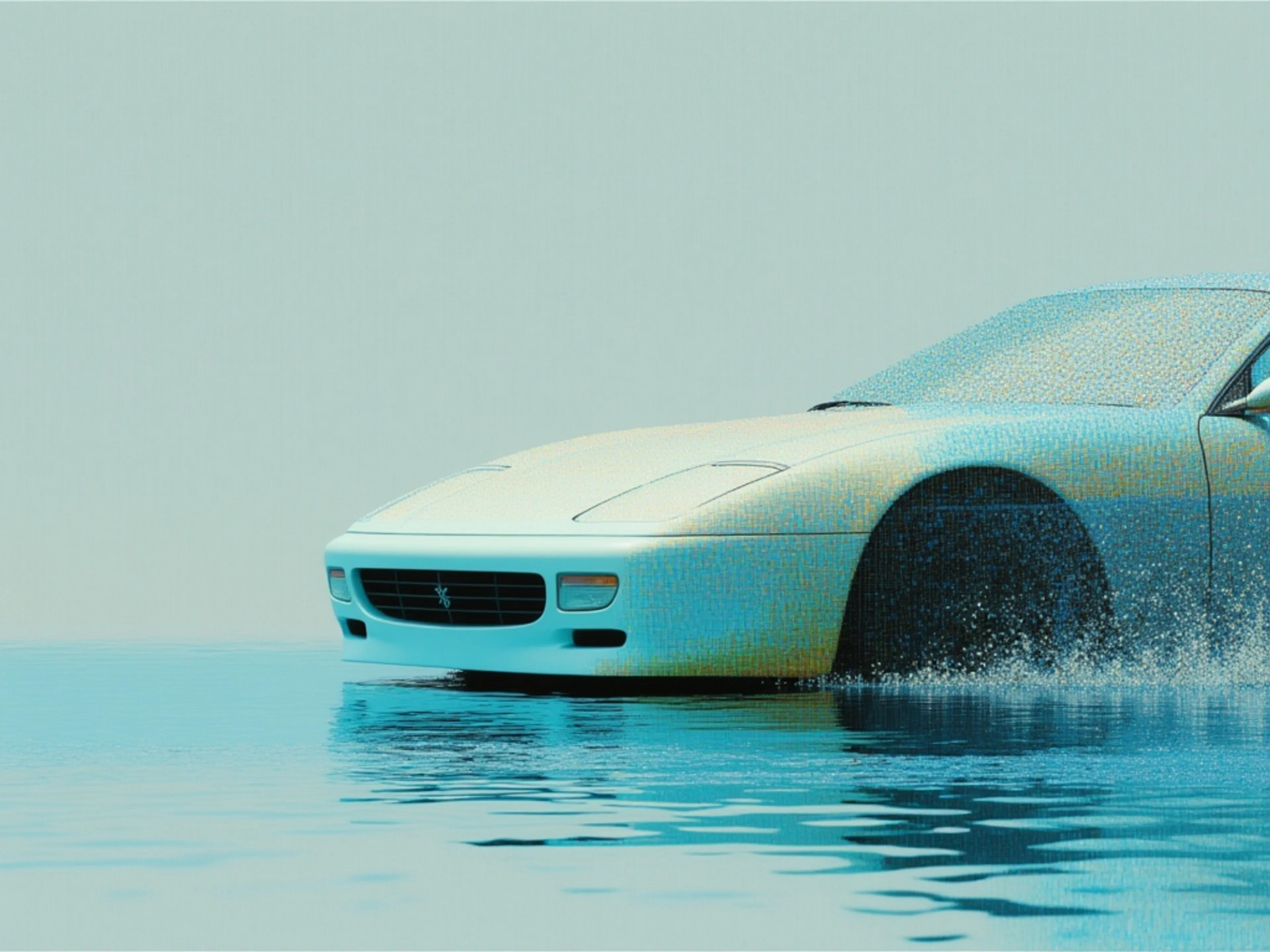

Nano Banana Pro is Google's new state-of-the-art image generation and editing model
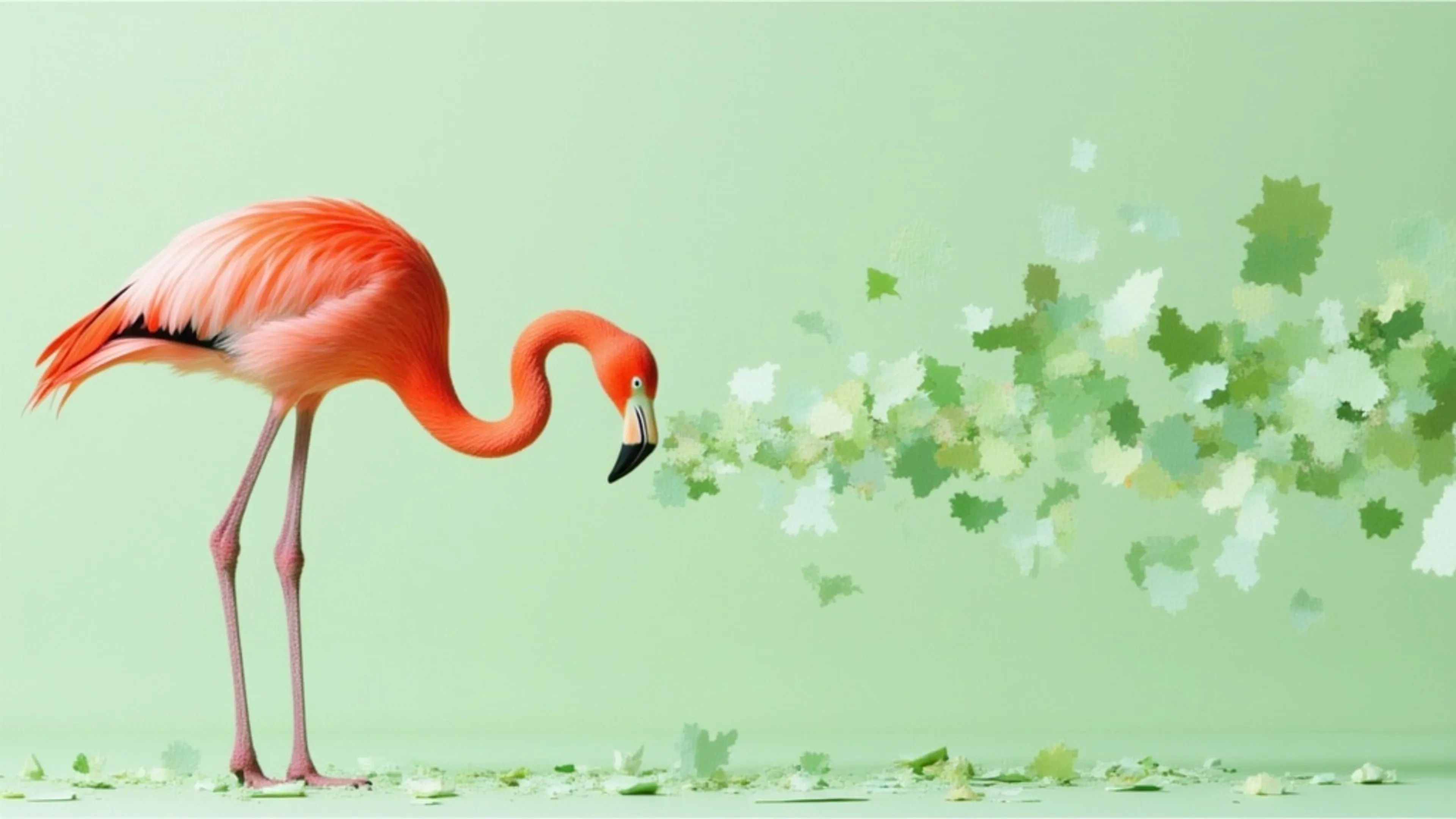
Nano Banana 2 is Google's new state-of-the-art fast image generation and editing model
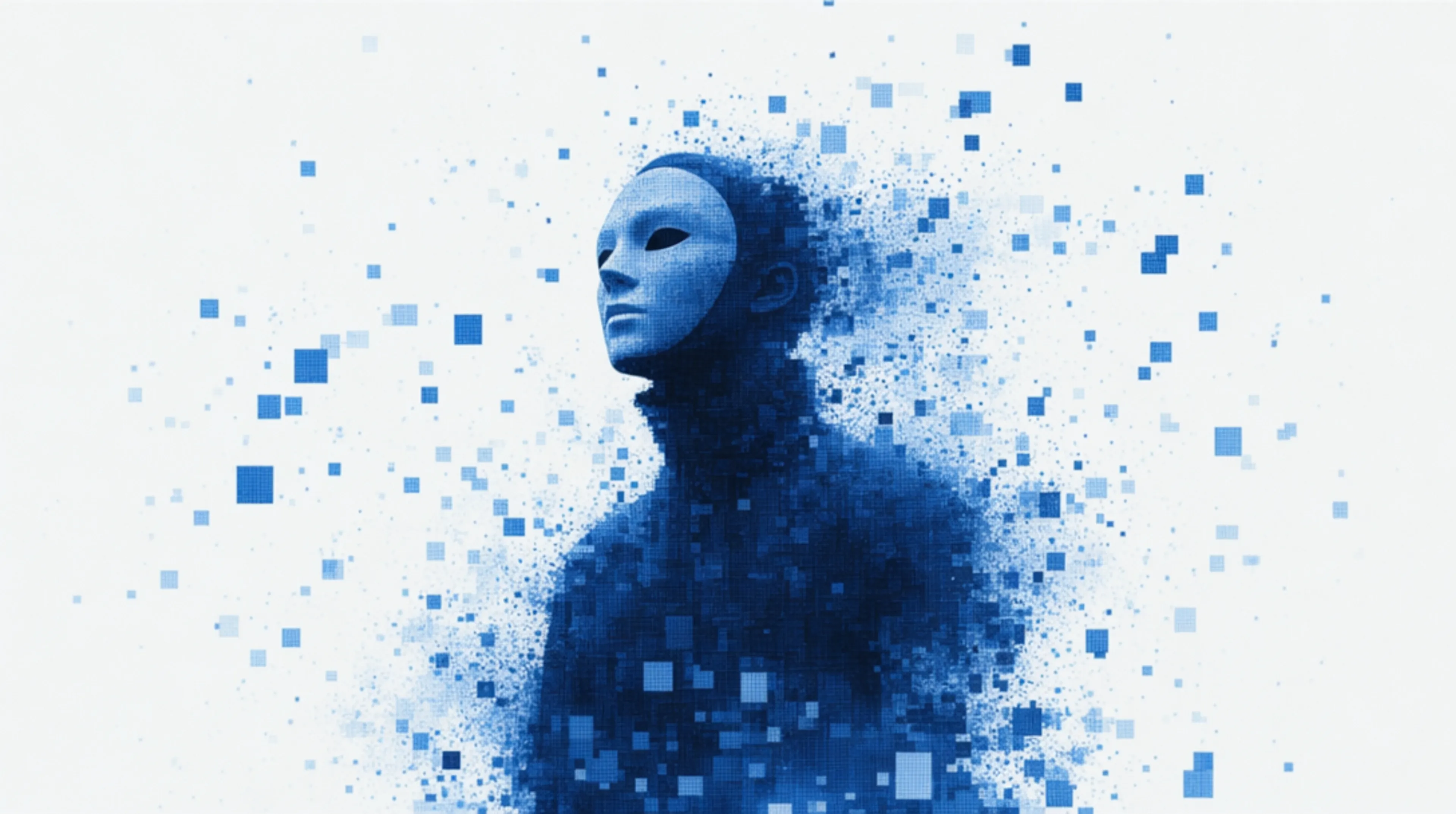

GPT Image 2, OpenAI's latest image model, is capable of creating extremely detailed images with fine typography.
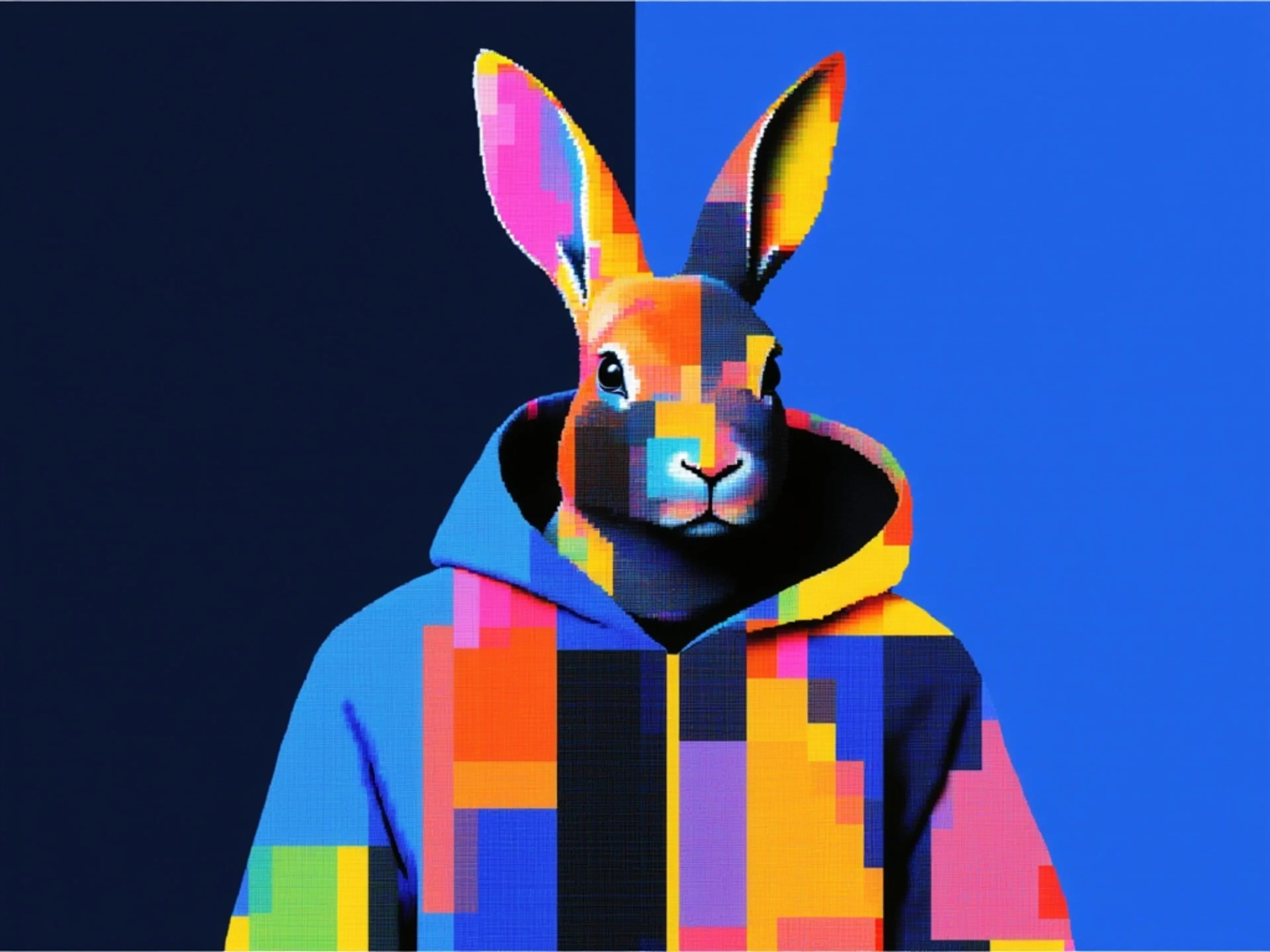
OpenAI's default image model for most applications. Fast, high-quality generation with natural lighting, rich textures, and support for complex layouts including transparent backgrounds.
![FLUX.1 [dev] is a 12 billion parameter flow transformer that generates high-quality images from text. It is suitable for personal and commercial use.](https://refinery.fal.media/url/https%3A%2F%2Fstorage.googleapis.com%2Ffal_cdn%2Ffal%2FUpscale-1.jpeg/tr:w-3840,q-80/Upscale-1.webp)
FLUX.1 [dev] is a 12 billion parameter flow transformer that generates high-quality images from text. It is suitable for personal and commercial use.
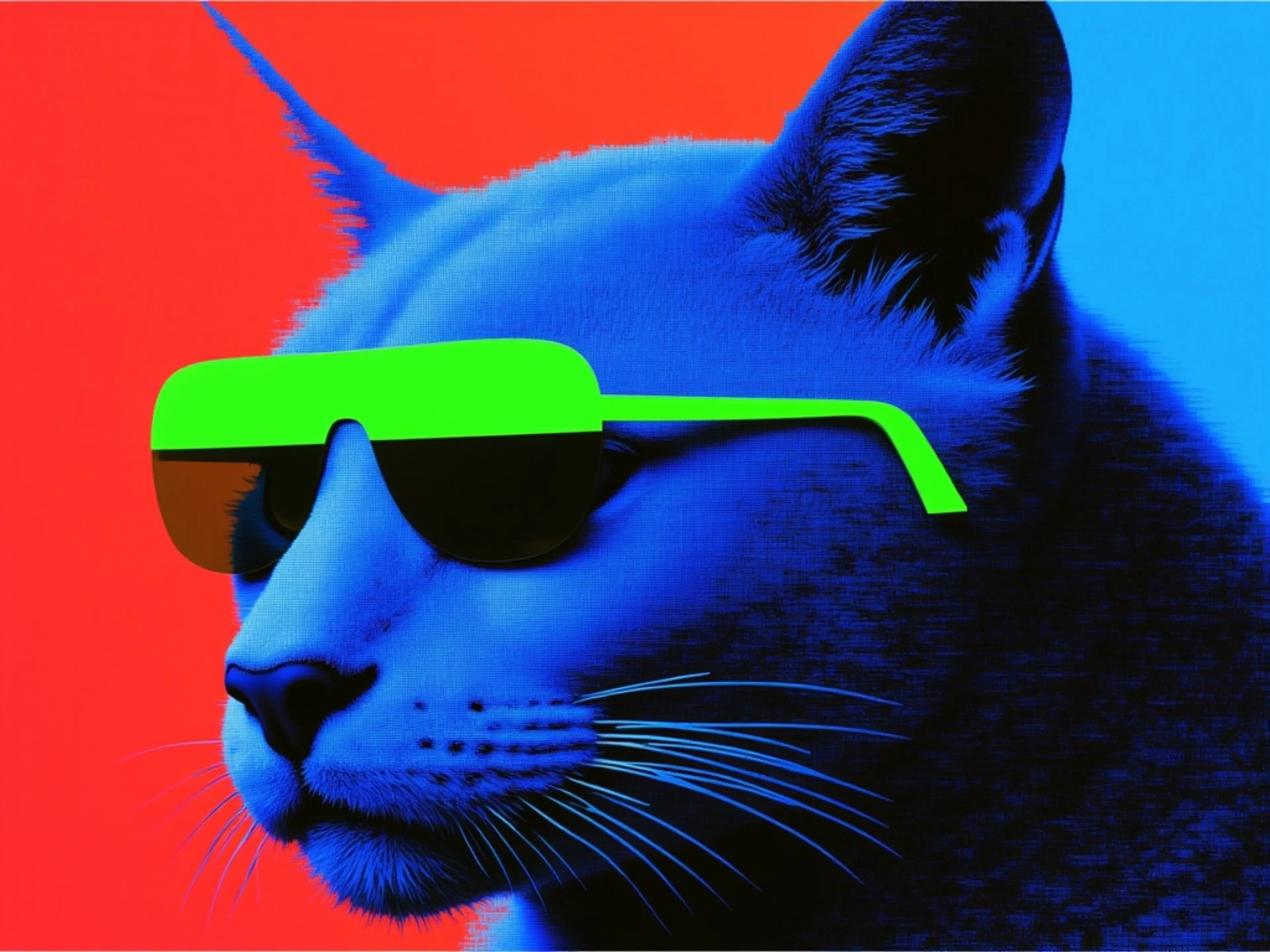
Nano Banana 2.1 by Google generates images from text prompts, with output resolutions up to 4K, adjustable aspect ratios, and optional web search grounding.
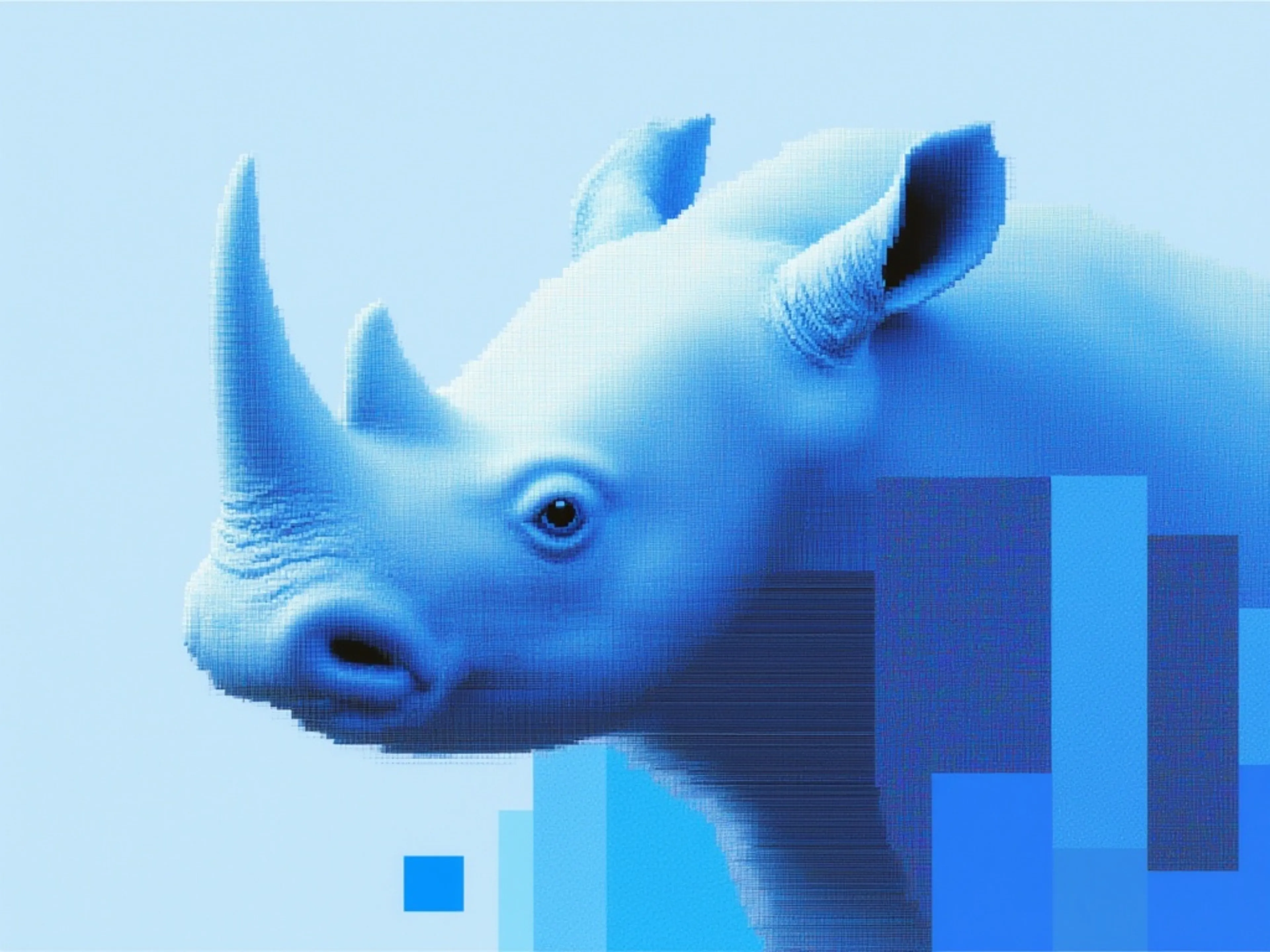
OpenAI's precision-focused image model, built for premium visual work, extra fidelity on intricate detail, in exchange for longer generation times.
![Image editing with FLUX.2 [pro] from Black Forest Labs. Ideal for high-quality image manipulation, style transfer, and sequential editing workflows](https://refinery.fal.media/url/https%3A%2F%2Fv3b.fal.media%2Ffiles%2Fb%2Fpenguin%2FUfryXXm9my6IM8HsoP9FL_054c2c2953dc491996904114c6e04836.jpg/tr:w-3840,q-80/UfryXXm9my6IM8HsoP9FL_054c2c2953dc491996904114c6e04836.webp)
Image editing with FLUX.2 [pro] from Black Forest Labs. Ideal for high-quality image manipulation, style transfer, and sequential editing workflows
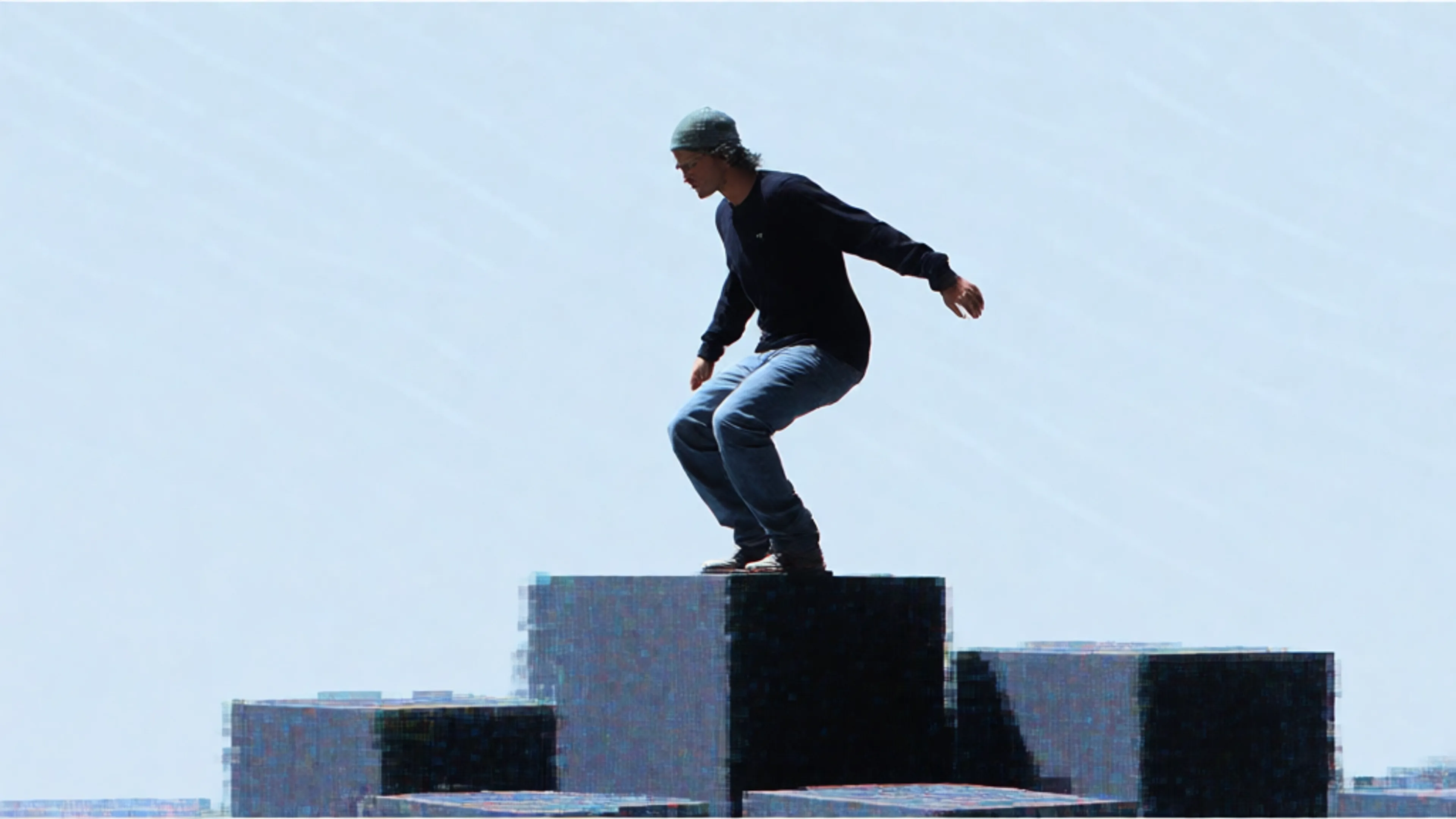
Google's famous original image generation and editing model
![FLUX1.1 [pro] is an enhanced version of FLUX.1 [pro], improved image generation capabilities, delivering superior composition, detail, and artistic fidelity compared to its predecessor.](https://refinery.fal.media/url/https%3A%2F%2Fstorage.googleapis.com%2Ffalserverless%2Fgallery%2Fturbo_thumbnail.jpg/tr:w-3840,q-80/turbo_thumbnail.webp)
FLUX1.1 [pro] is an enhanced version of FLUX.1 [pro], improved image generation capabilities, delivering superior composition, detail, and artistic fidelity compared to its predecessor.
![FLUX1.1 [pro] ultra is the newest version of FLUX1.1 [pro], maintaining professional-grade image quality while delivering up to 2K resolution with improved photo realism.](https://refinery.fal.media/url/https%3A%2F%2Fstorage.googleapis.com%2Ffalserverless%2Fgallery%2Fflux-pro-v1-1-ultra.webp/tr:w-3840,q-80/flux-pro-v1-1-ultra.webp)
FLUX1.1 [pro] ultra is the newest version of FLUX1.1 [pro], maintaining professional-grade image quality while delivering up to 2K resolution with improved photo realism.
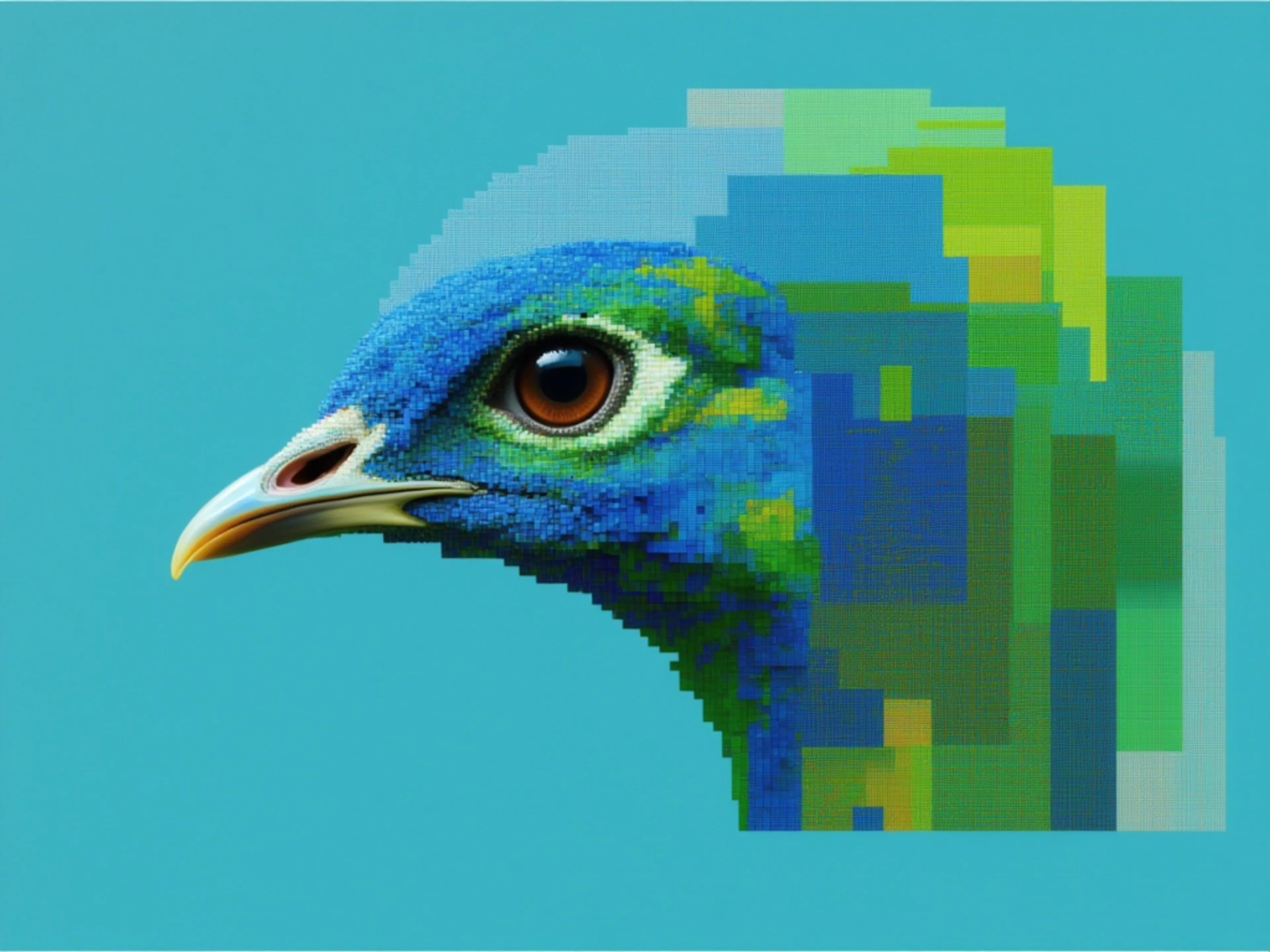

ByteDance's Seedream 5.0 Pro is flagship text-to-image model, with deep-thinking prompt understanding, native text in 14 languages, and precise control over dense layouts and structured designs.

Z-Image Turbo is a super fast text-to-image model of 6B parameters developed by Tongyi-MAI.
A new-generation image creation model ByteDance, Seedream 4.5 integrates image generation and image editing capabilities into a single, unified architecture.
A new-generation image creation model ByteDance, Seedream 4.0 integrates image generation and image editing capabilities into a single, unified architecture.
![Text-to-image generation with FLUX.2 [klein] 9B from Black Forest Labs. Enhanced realism, crisper text generation, and native editing capabilities.](https://refinery.fal.media/url/https%3A%2F%2Fv3b.fal.media%2Ffiles%2Fb%2F0a8a7f3c%2F90FKDpwtSCZTqOu0jUI-V_64c1a6ec0f9343908d9efa61b7f2444b.jpg/tr:w-3840,q-80/90FKDpwtSCZTqOu0jUI-V_64c1a6ec0f9343908d9efa61b7f2444b.webp)
Text-to-image generation with FLUX.2 [klein] 9B from Black Forest Labs. Enhanced realism, crisper text generation, and native editing capabilities.
![Super fast endpoint for the FLUX.1 [dev] model with LoRA support, enabling rapid and high-quality image generation using pre-trained LoRA adaptations for personalization, specific styles, brand identities, and product-specific outputs.](https://refinery.fal.media/url/https%3A%2F%2Fv3b.fal.media%2Ffiles%2Fb%2F0a9f91af%2FUMrx6t6mc59z33d20WIQP_iBIZYKKq.png/tr:w-3840,q-80/UMrx6t6mc59z33d20WIQP_iBIZYKKq.webp)
Super fast endpoint for the FLUX.1 [dev] model with LoRA support, enabling rapid and high-quality image generation using pre-trained LoRA adaptations for personalization, specific styles, brand identities, and product-specific outputs.
![Text-to-image generation with FLUX.2 [dev] from Black Forest Labs. Enhanced realism, crisper text generation, and native editing capabilities.](https://refinery.fal.media/url/https%3A%2F%2Fv3b.fal.media%2Ffiles%2Fb%2Fpenguin%2FzSBCJtPpeIQwR5AC_IamX_b1e1137961754e4d851907c21f8c20cd.jpg/tr:w-3840,q-80/zSBCJtPpeIQwR5AC_IamX_b1e1137961754e4d851907c21f8c20cd.webp)
Text-to-image generation with FLUX.2 [dev] from Black Forest Labs. Enhanced realism, crisper text generation, and native editing capabilities.
FLUX 3 Image is Black Forest Labs' newest image model. Generate detailed, well-composed images in native 2K and 4K with precise layout control and improved text rendering.
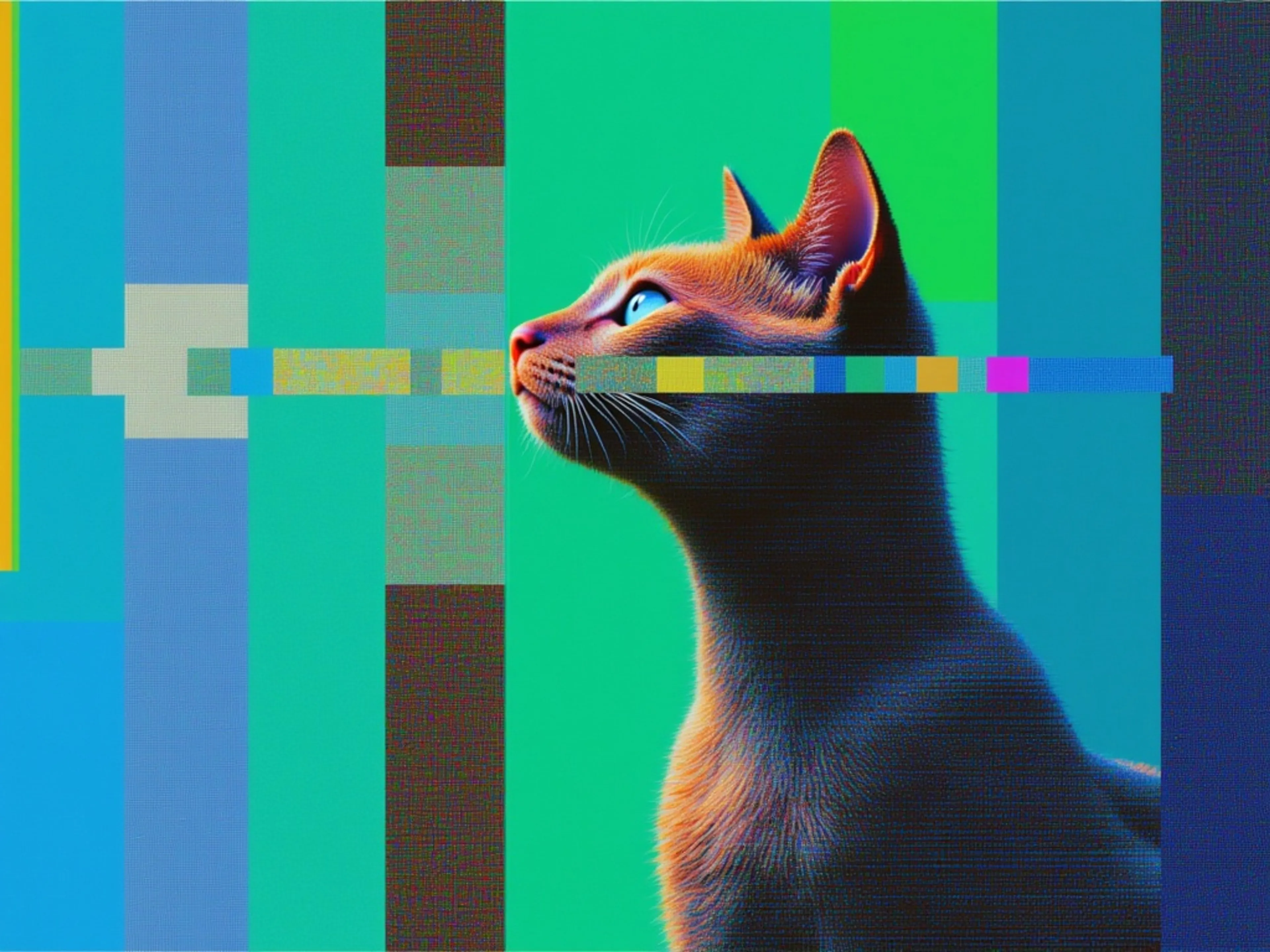
Meta's Muse Image model has faithful instruction-following and exceptional visual fidelity, with fine details like text, plots, and QR codes rendered accurately.
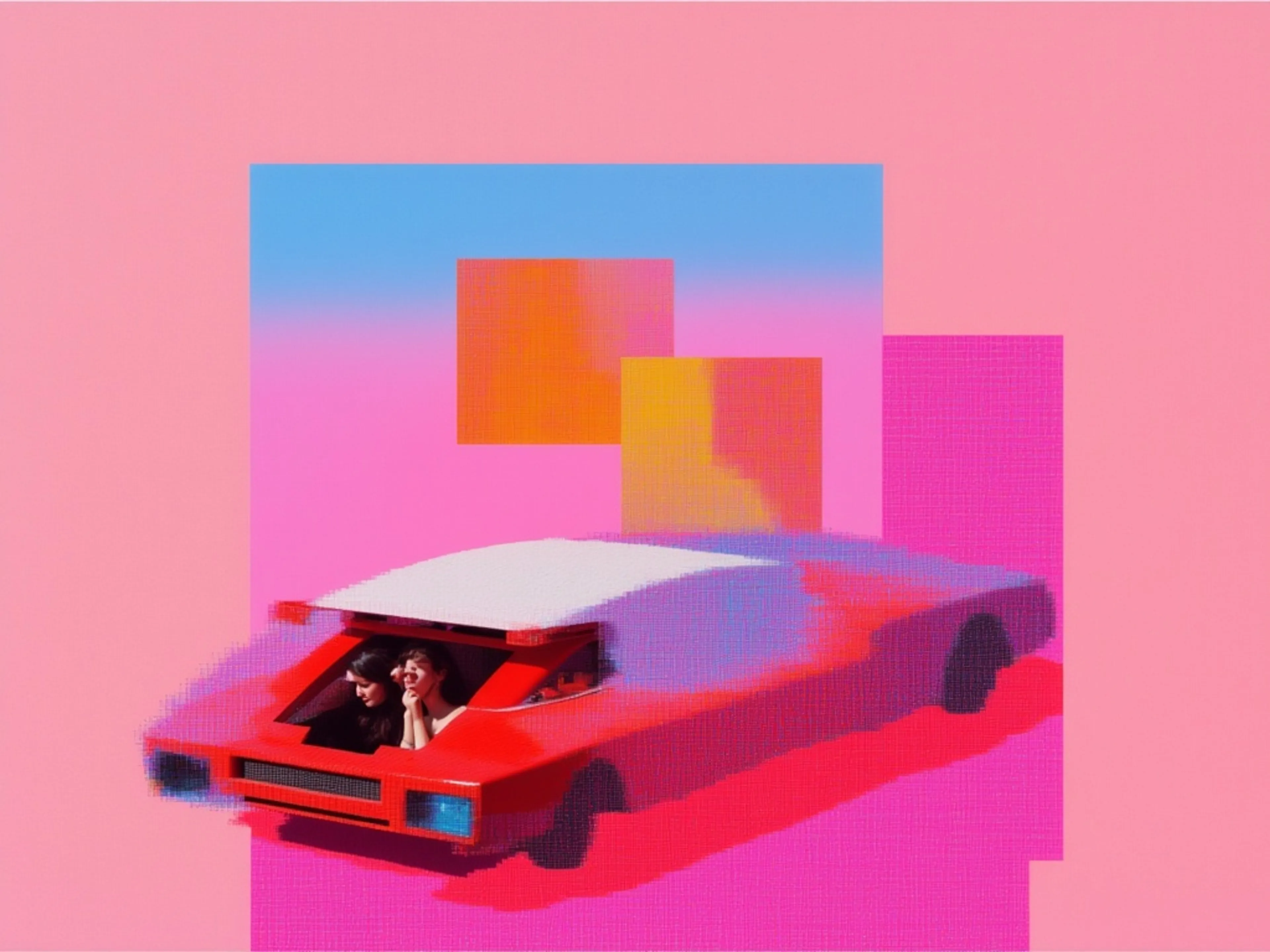
Nano banana lite is the efficiency-focused model in the image generation family. Sub-2 second latency with cost-effective generation and editing, fast multi-turn local edits, and 14 supported aspect ratios.
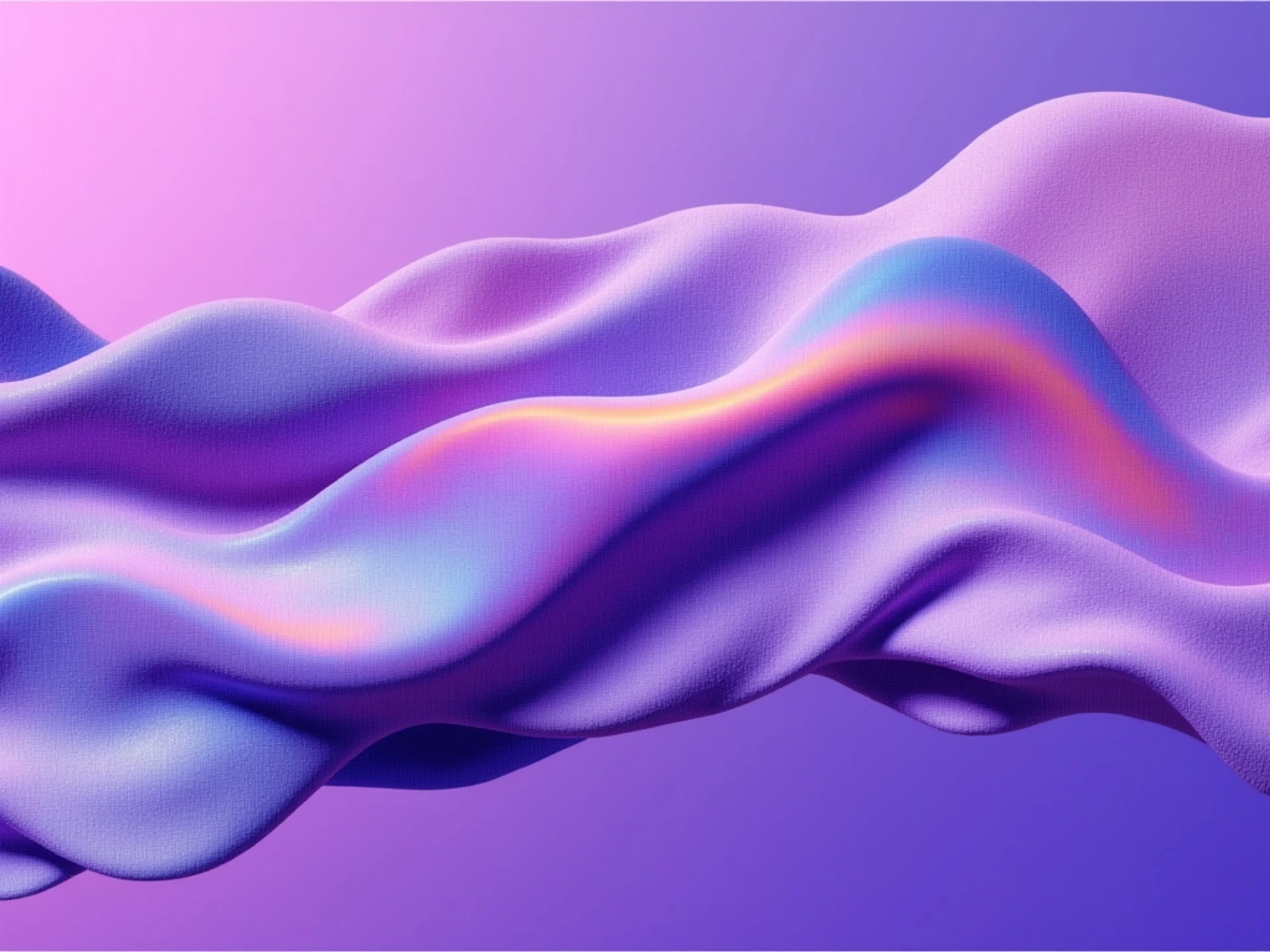

Generate highly aesthetic images with xAI's Grok Imagine Image generation model.
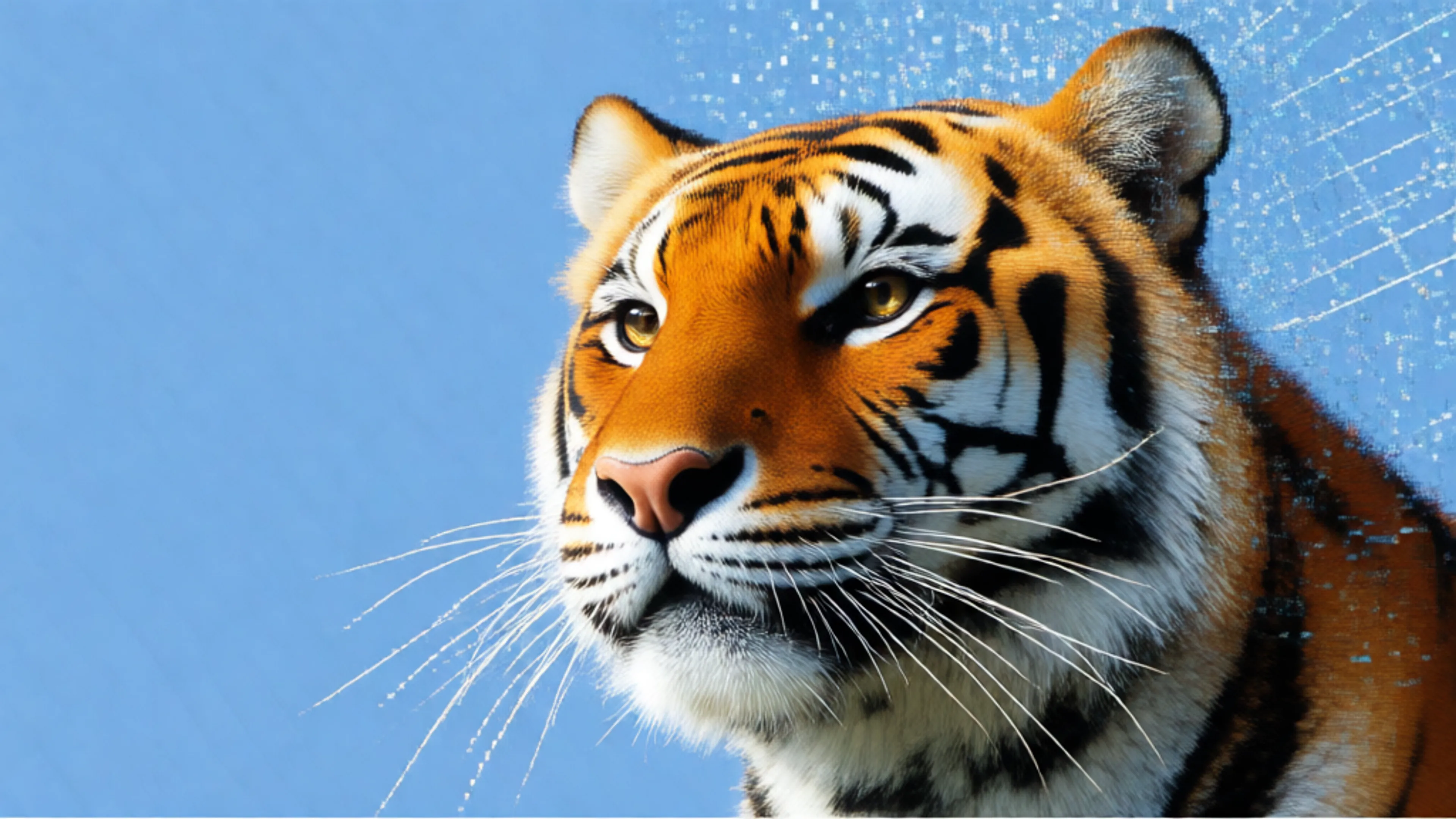

Generate high-quality images, posters, and logos with Ideogram V3. Features exceptional typography handling and realistic outputs optimized for commercial and creative use.
fal is the best developer-friendly, one-stop shop for AI image generation models. Every image model on fal runs through the same SDK pattern, so once you’ve integrated one, switching between Nano Banana 2, FLUX.2 [dev], or GPT Image 2 is a one-line endpoint change.
The way to get started with image generation on fal is to install the client, set your FAL_KEY environment variable, and call any image endpoint.
bashnpm install --save @fal-ai/client
bashexport FAL_KEY="YOUR_API_KEY"
jsimport { fal } from "@fal-ai/client";

const result = await fal.subscribe("fal-ai/nano-banana-2", {
  input: {
    prompt: "A photorealistic Tokyo cafe at golden hour"
  }
});
Every image model on fal shares this pattern. That means swapping Nano Banana 2 for FLUX.2 [dev] or GPT Image 2 is a one-line endpoint change, with the auth flow and queue behavior unchanged.
For image generation workflows where typography matters, fal hosts several models that treat text rendering as a primary capability.
Use these models when the image itself needs to contain readable names, slogans, UI labels, posters, packaging, or branded typography.
Photorealistic image generation rewards models that can handle lighting, materials, camera language, and fine visual detail.
The FLUX family covers most photoreal production work on fal, while partner models fill specific needs around prompt reasoning, brand consistency, and scene fidelity.
For high-volume image generation, Turbo and distilled models let you explore ideas quickly before spending more on final outputs.
A practical workflow is to generate low-resolution drafts on a Turbo model to scout the prompt space, then run only the keepers through a higher-fidelity model at full resolution.
Image generation on fal is priced per output. Some models charge per megapixel of image area, while others charge per image.
| Model | Price |
|---|---|
| FLUX.2 [dev] Turbo | ~$0.008 / image |
| Seedream V4.5 | $0.04 / image |
| Nano Banana 2 | $0.08 / image at 1K |
| Nano Banana Pro | $0.15 / image |
Nano Banana 2 also supports higher-resolution pricing, with 2K and 4K outputs priced at 1.5x and 2x the 1K rate.
As a worked example, a team generating 1,000 marketing images per month at 1K resolution costs roughly:
You only pay for what you generate, which lets you test prompts, compare models, and scale production without subscriptions or minimums.
bashnpm install --save @fal-ai/client
bashexport FAL_KEY="YOUR_API_KEY"
jsimport { fal } from "@fal-ai/client";

const result = await fal.subscribe("fal-ai/nano-banana-2", {
  input: {
    prompt: "A photorealistic Tokyo cafe at golden hour"
  }
});
The same auth, billing, and queue logic carry across every image generation endpoint, so you can compare models side by side without rewriting integration code.
For large batches or longer generations, submit to the queue and rely on webhooks instead of blocking on the result.


