AI Image Generator APIs
Generate a variety of stunning images using our AI Image Generator APIs
Showing 49 to 72 of 228 results
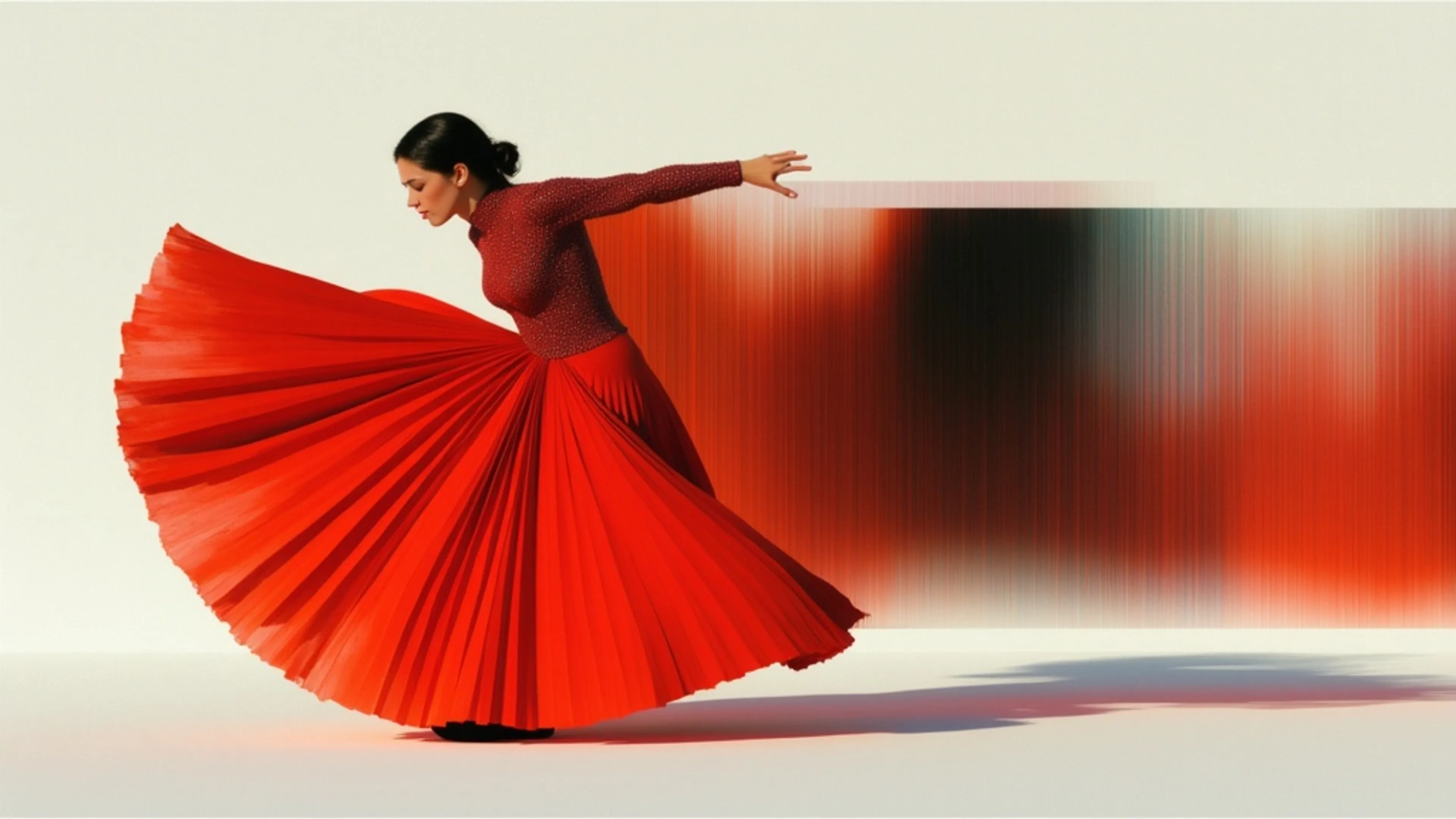

Gemini 3 Pro Image (a.k.a Nano Banana Pro) is Google's state-of-the-art high-fidelity image generation and editing model
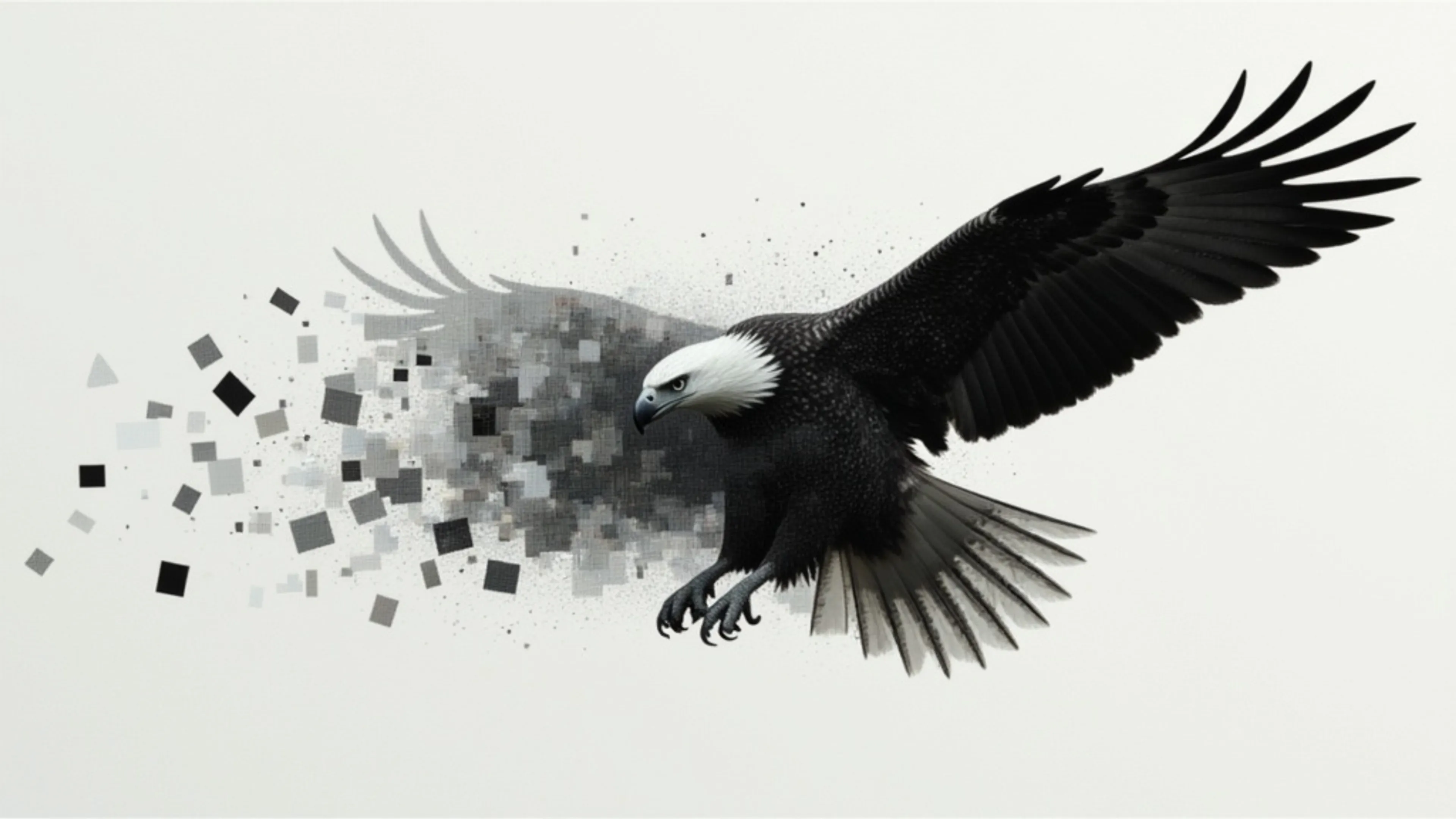
Recraft V4.1 Vector turns prompts into fully editable SVGs with structured layers and clean geometry. Built for logos, icons, and illustration systems, it produces artwork that goes straight from generation into Figma or Illustrator.
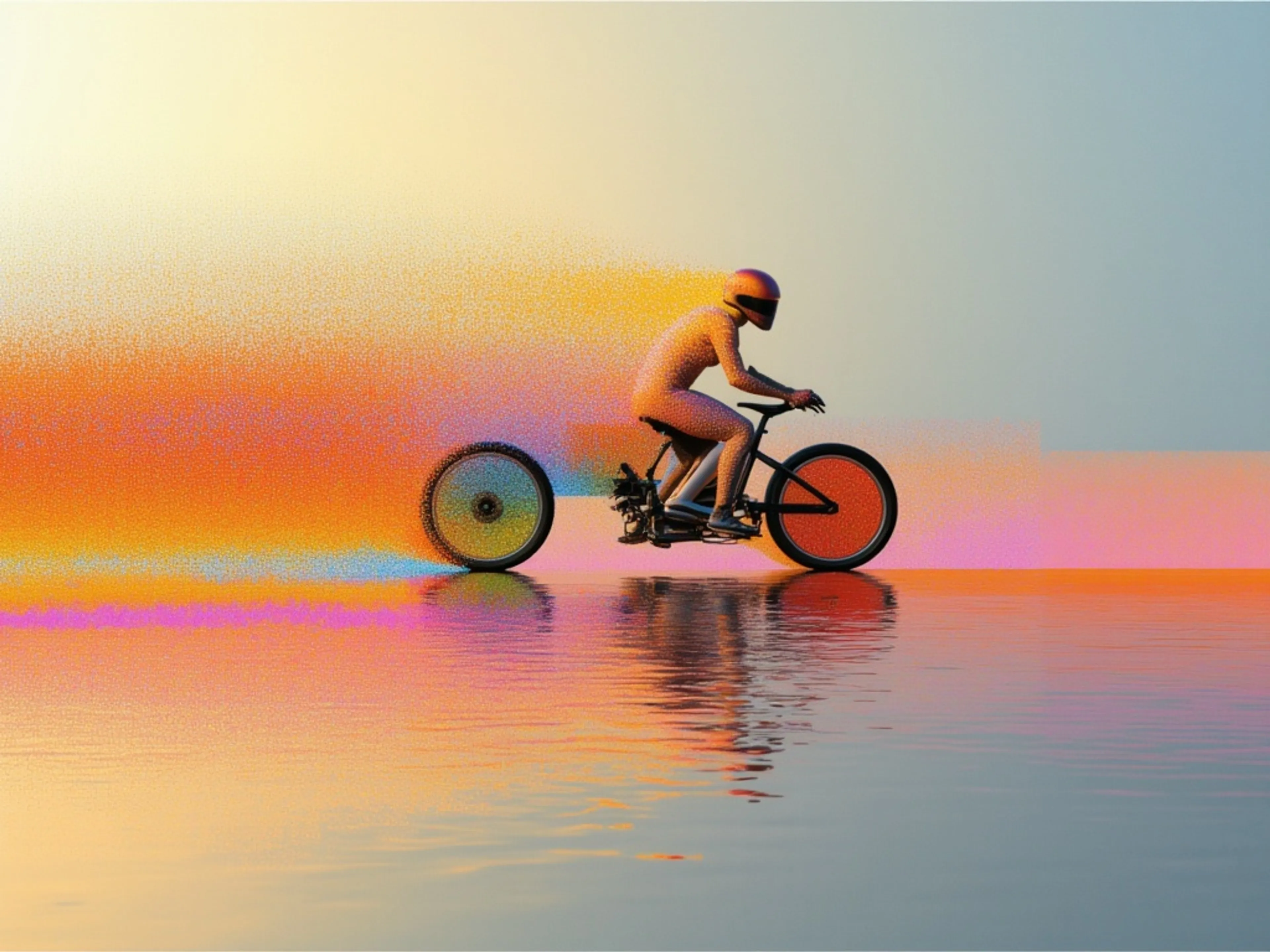

Text-to-Image endpoint with LoRA support for Z-Image Turbo, a super fast text-to-image model of 6B parameters developed by Tongyi-MAI.
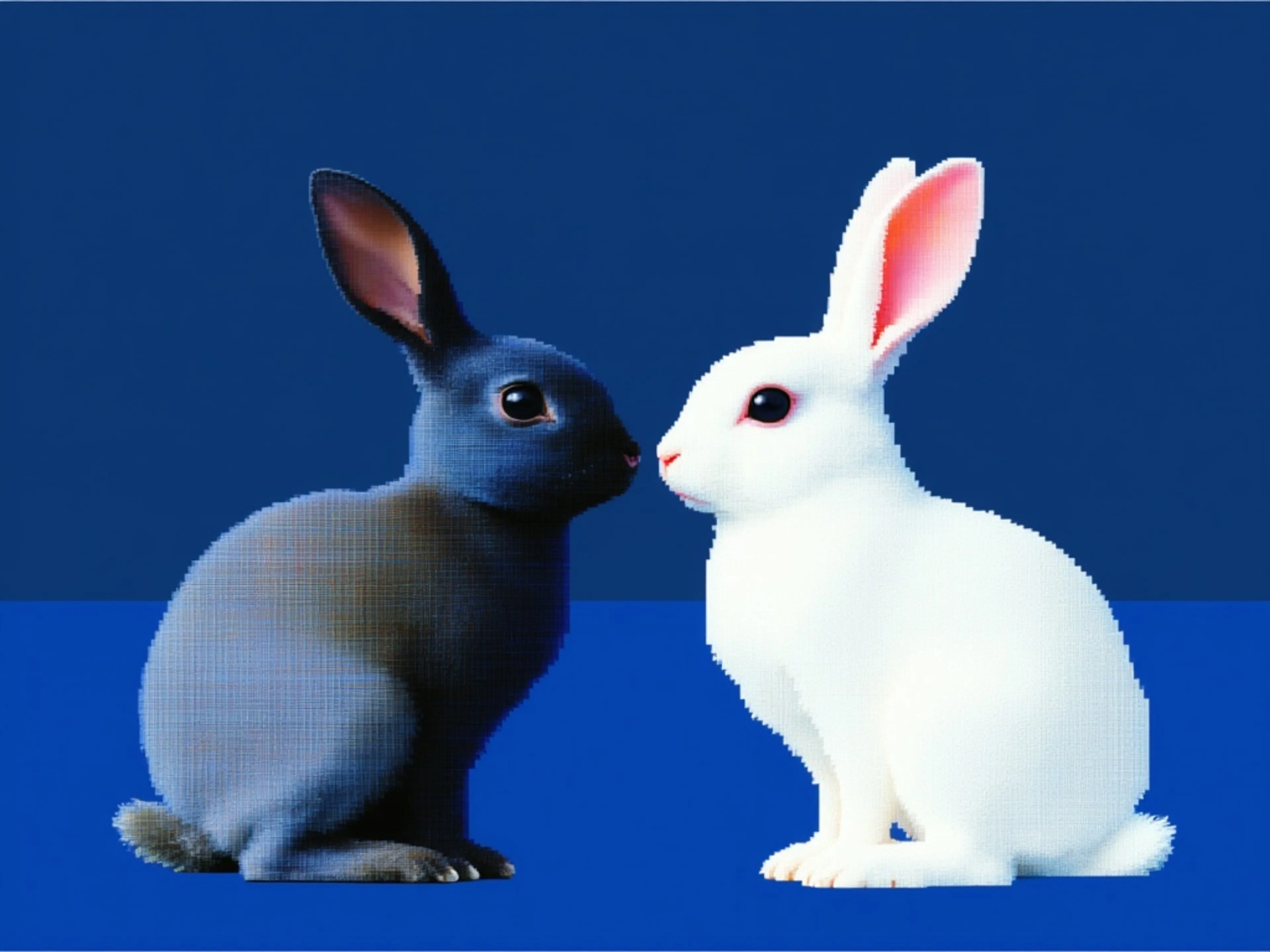

Generate high-fidelity images from text with Krea 2 using a custom-trained LoRA. Apply your LoRA weights to carry a learned subject, character, or style into new generations, with aspect ratio, creativity, and seed controls.
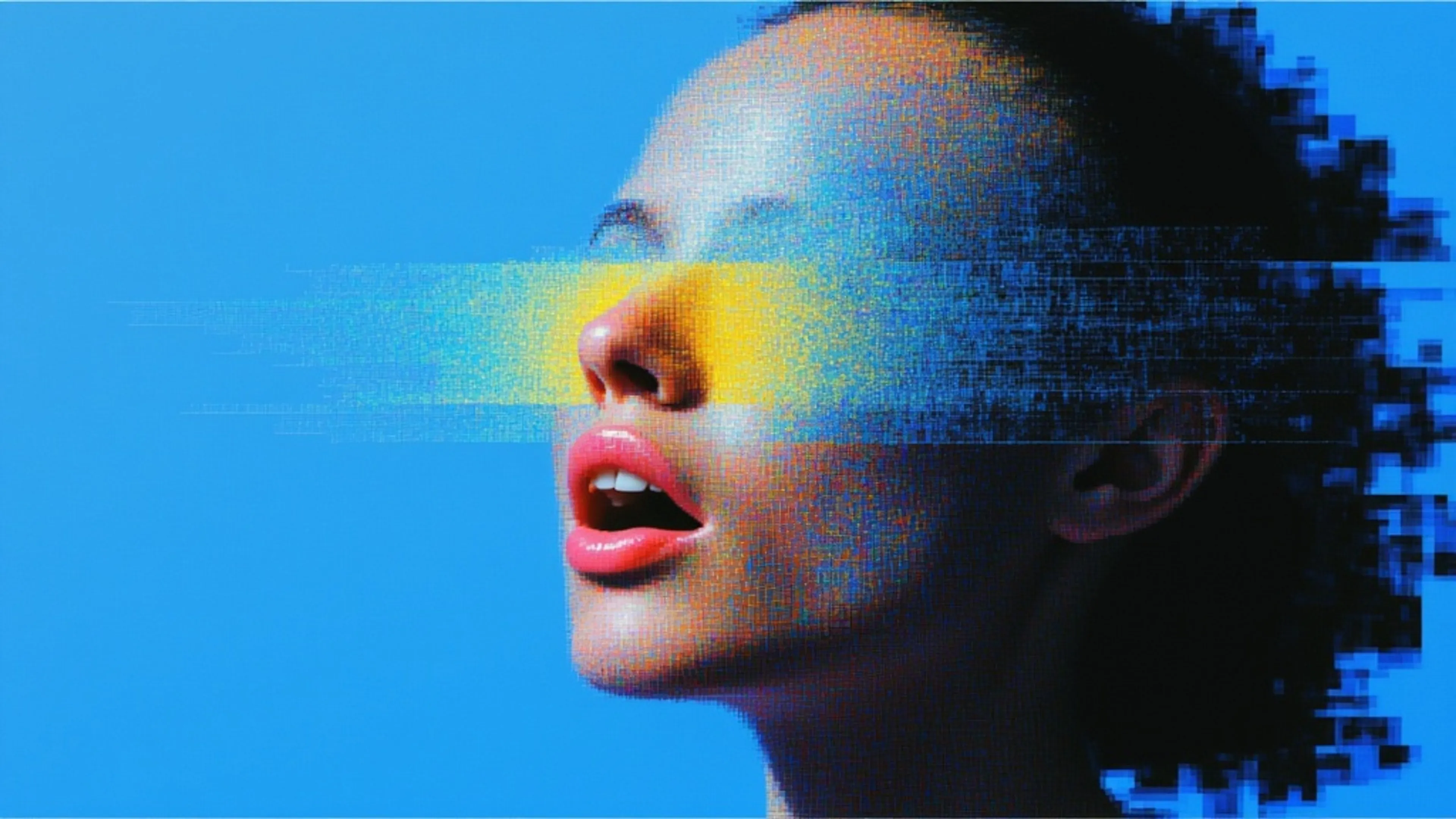

Text-to-image generation with FLUX.2 [flex] from Black Forest Labs. Features adjustable inference steps and guidance scale for fine-tuned control. Enhanced typography and text rendering capabilities.
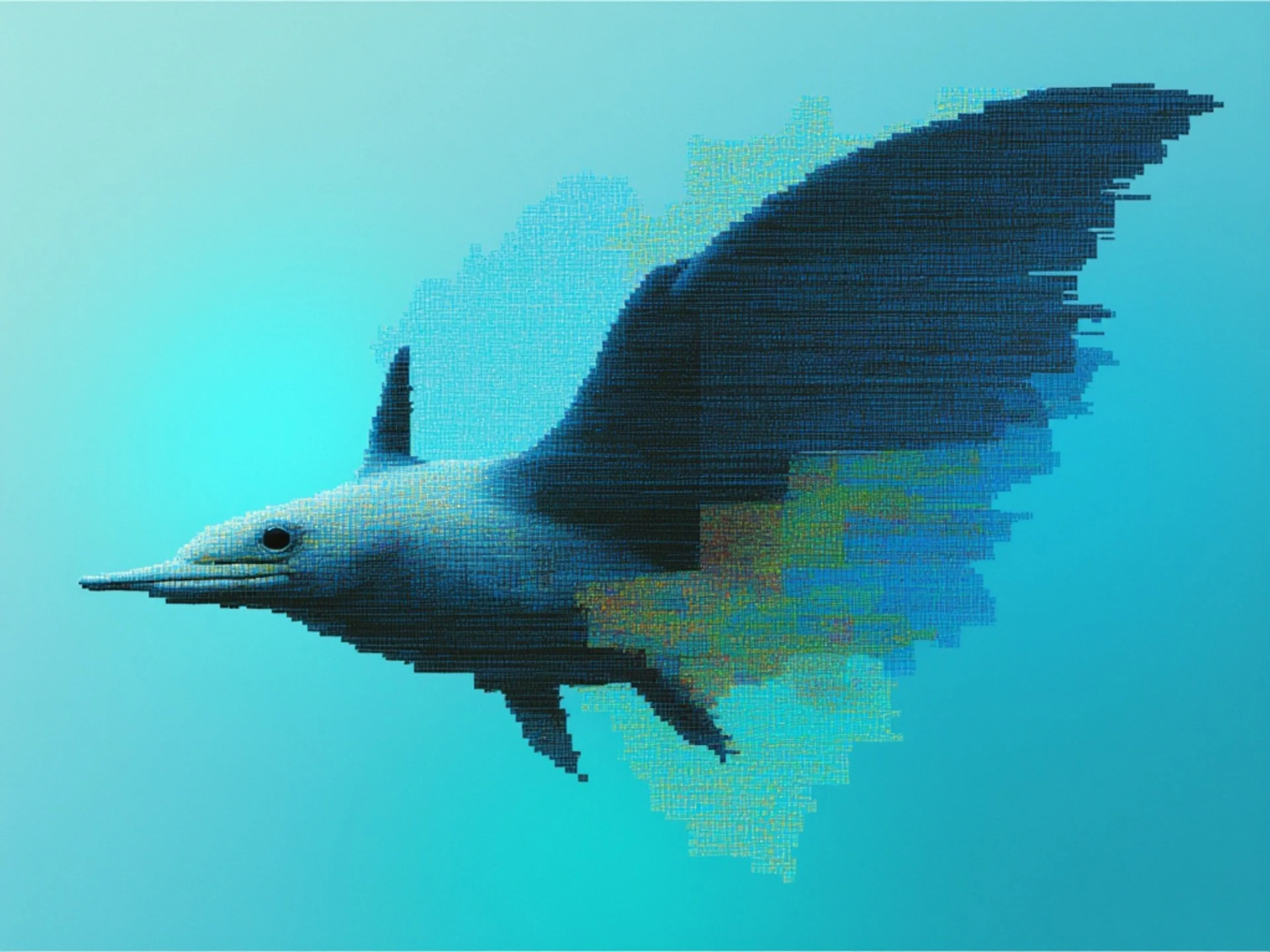
Qwen Image 2512 is an improved version of Qwen Image with better text rendering, finer natural textures, and more realistic human generation.
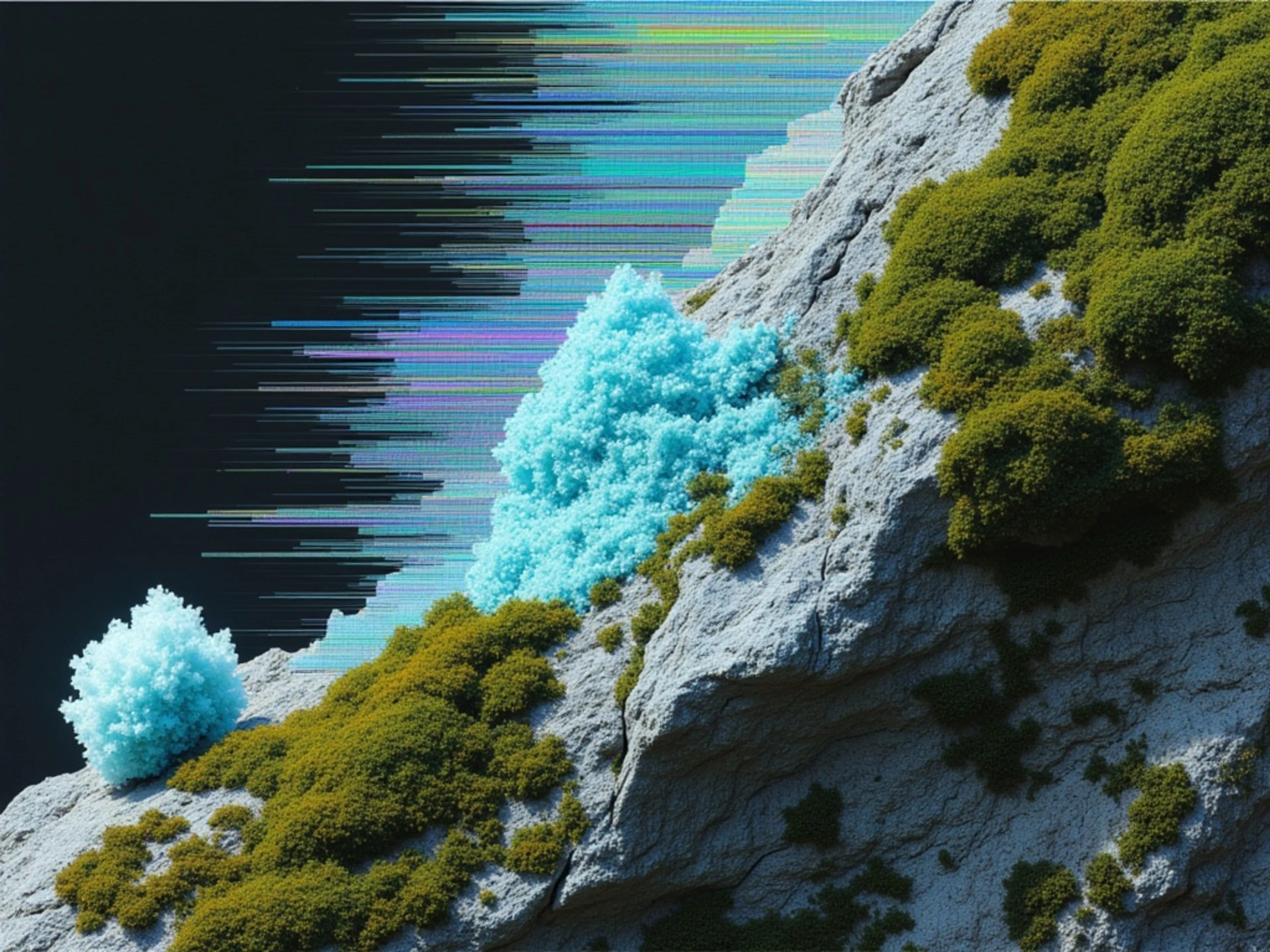
MOSS-Image-SFT is a text-to-image model specializing in Chinese and English text rendering and structured layout control for precise text placement and object arrangement.
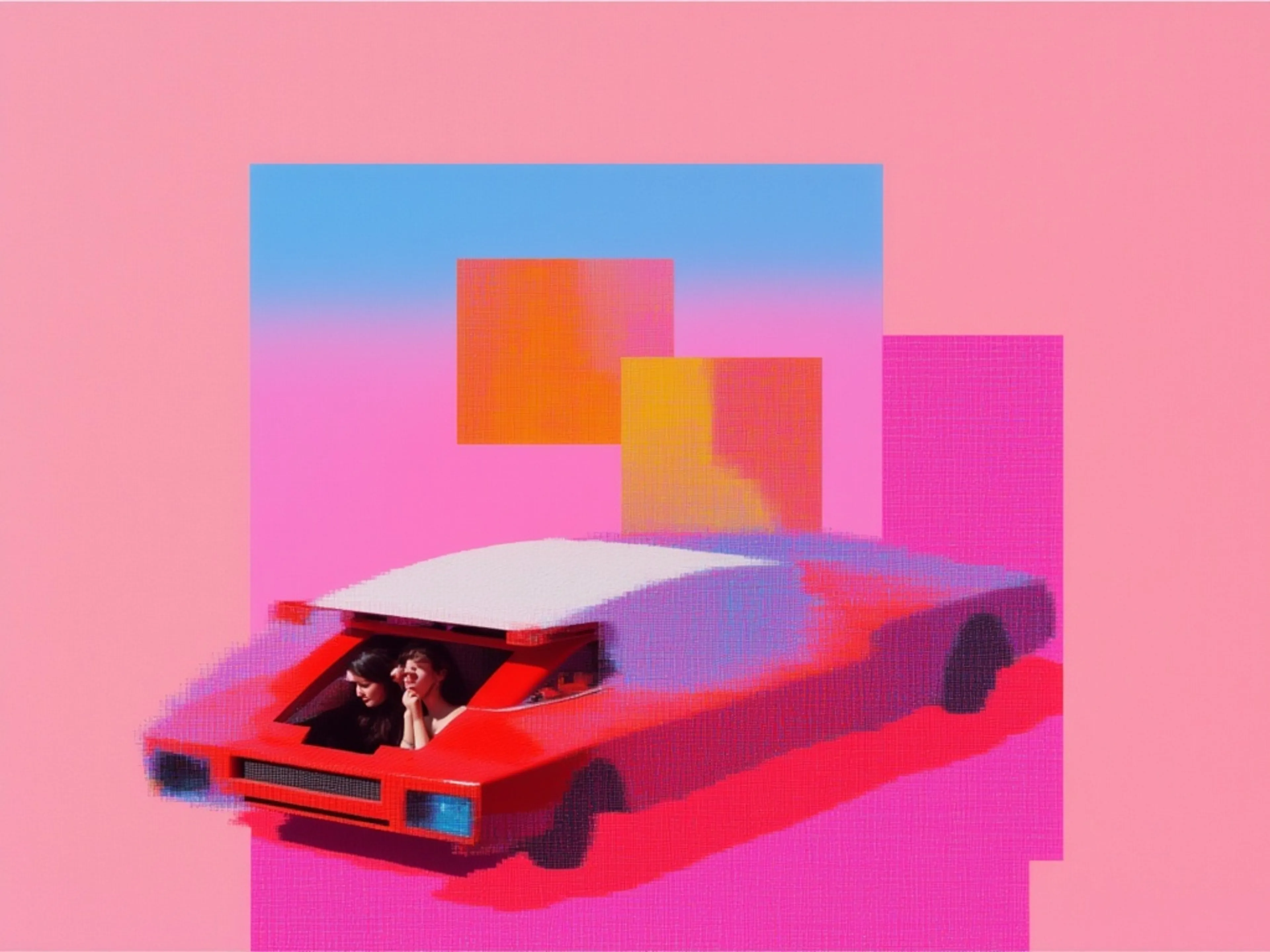
Nano banana lite is the efficiency-focused model in the image generation family. Sub-2 second latency with cost-effective generation and editing, fast multi-turn local edits, and 14 supported aspect ratios.
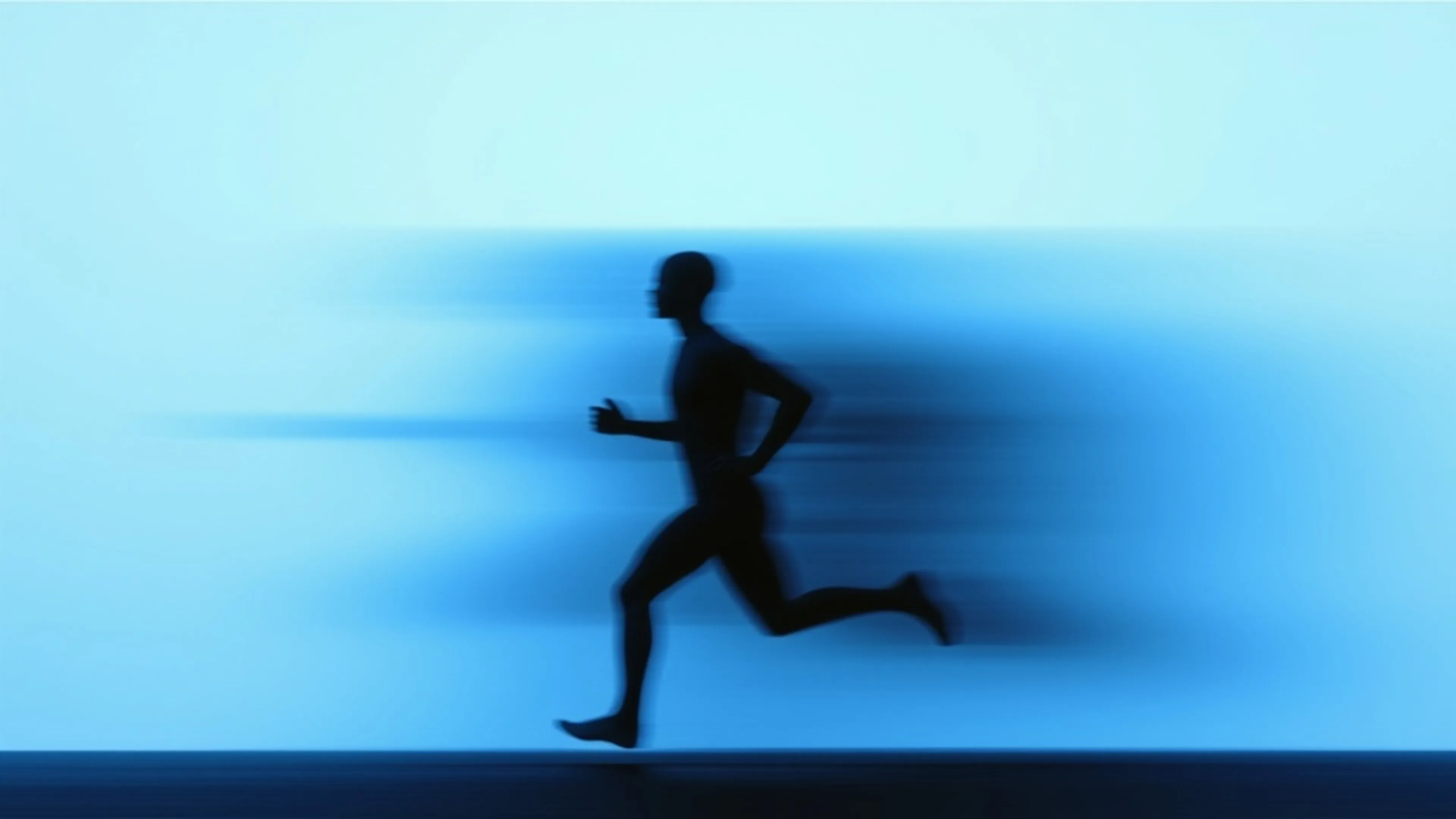
Text-to-image generation with LoRA support for FLUX.2 [dev] from Black Forest Labs. Custom style adaptation and fine-tuned model variations.
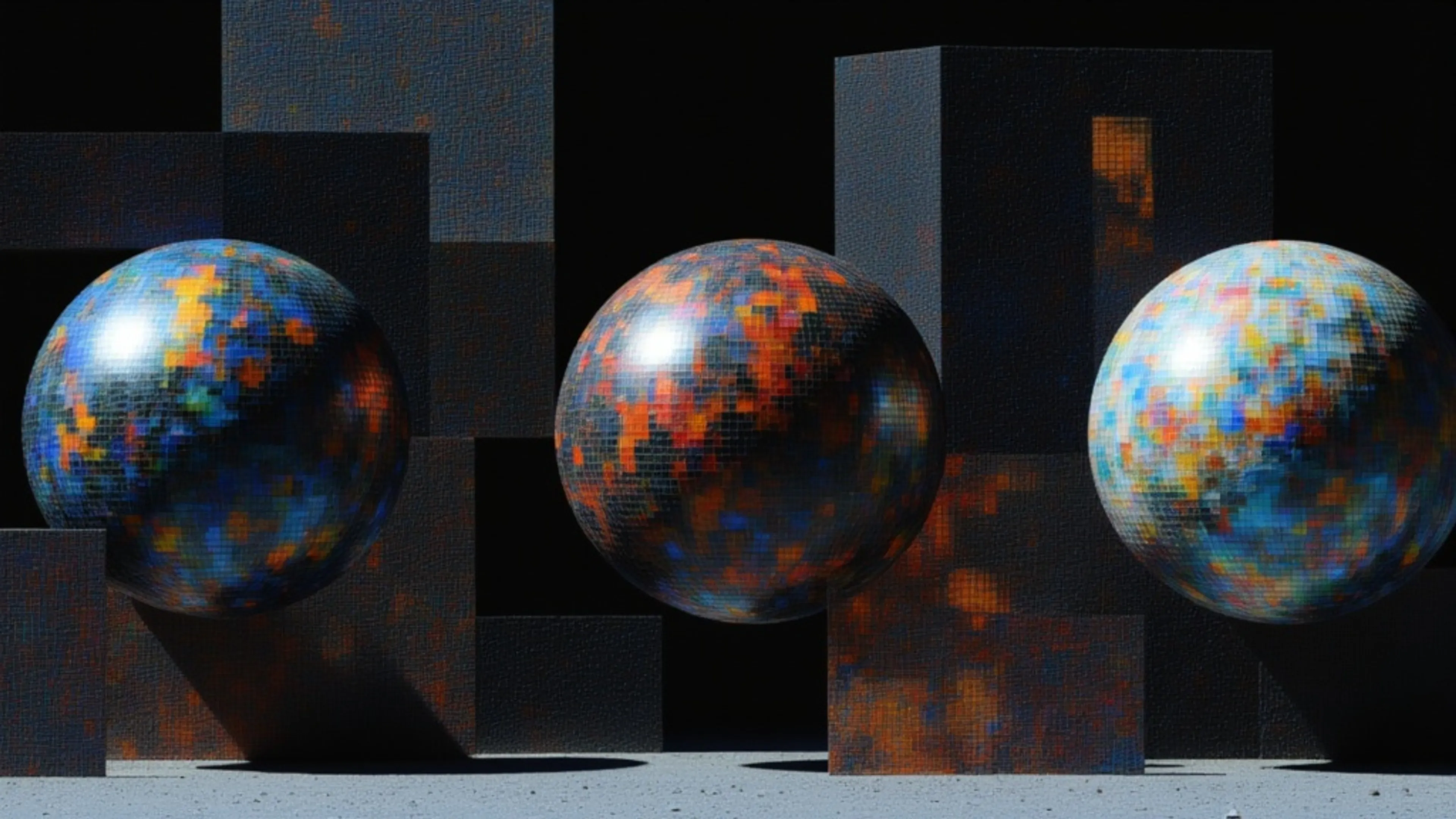

Generate complete seamlessly tiling PBR materials including normal, roughness, basecolor, height and metalness maps up to 8K
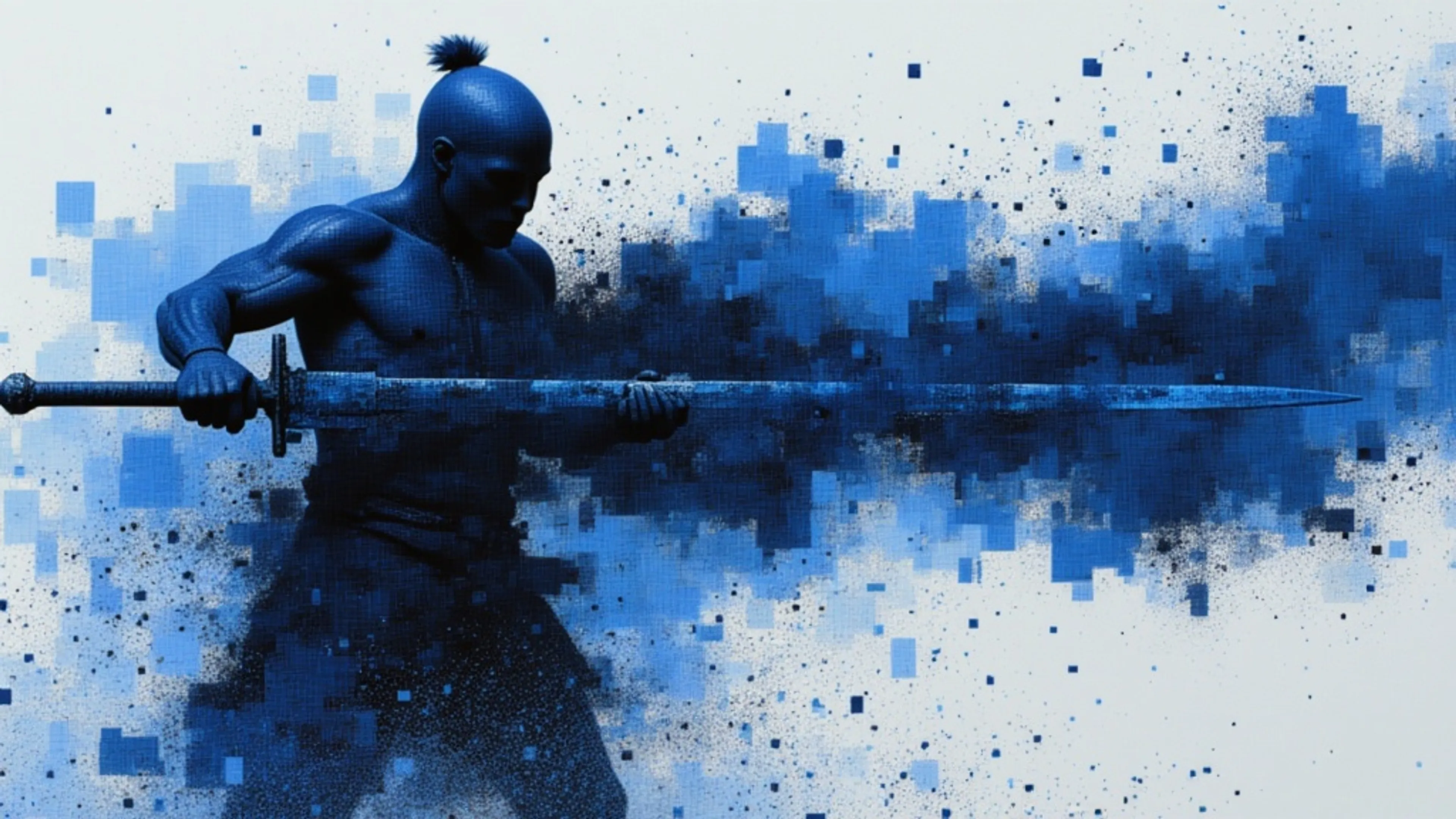

Grok Imagine Pro is an advanced AI model from xAI that creates high-quality visuals from text prompts and allows you to edit or analyze existing images.
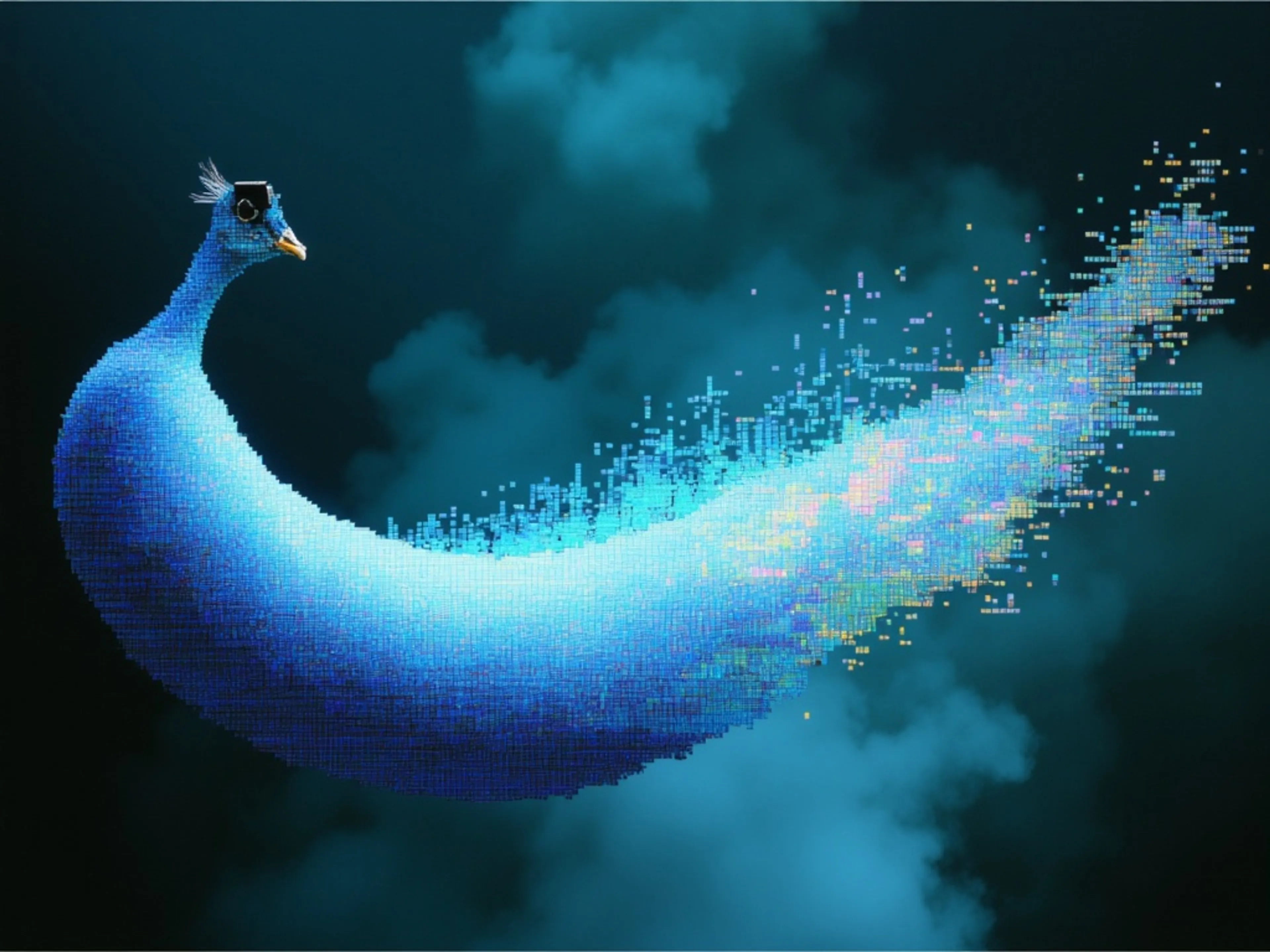
Gemini 3.1 Flash Image (a.k.a Nano Banana 2) is Google's new state-of-the-art fast image generation and editing model
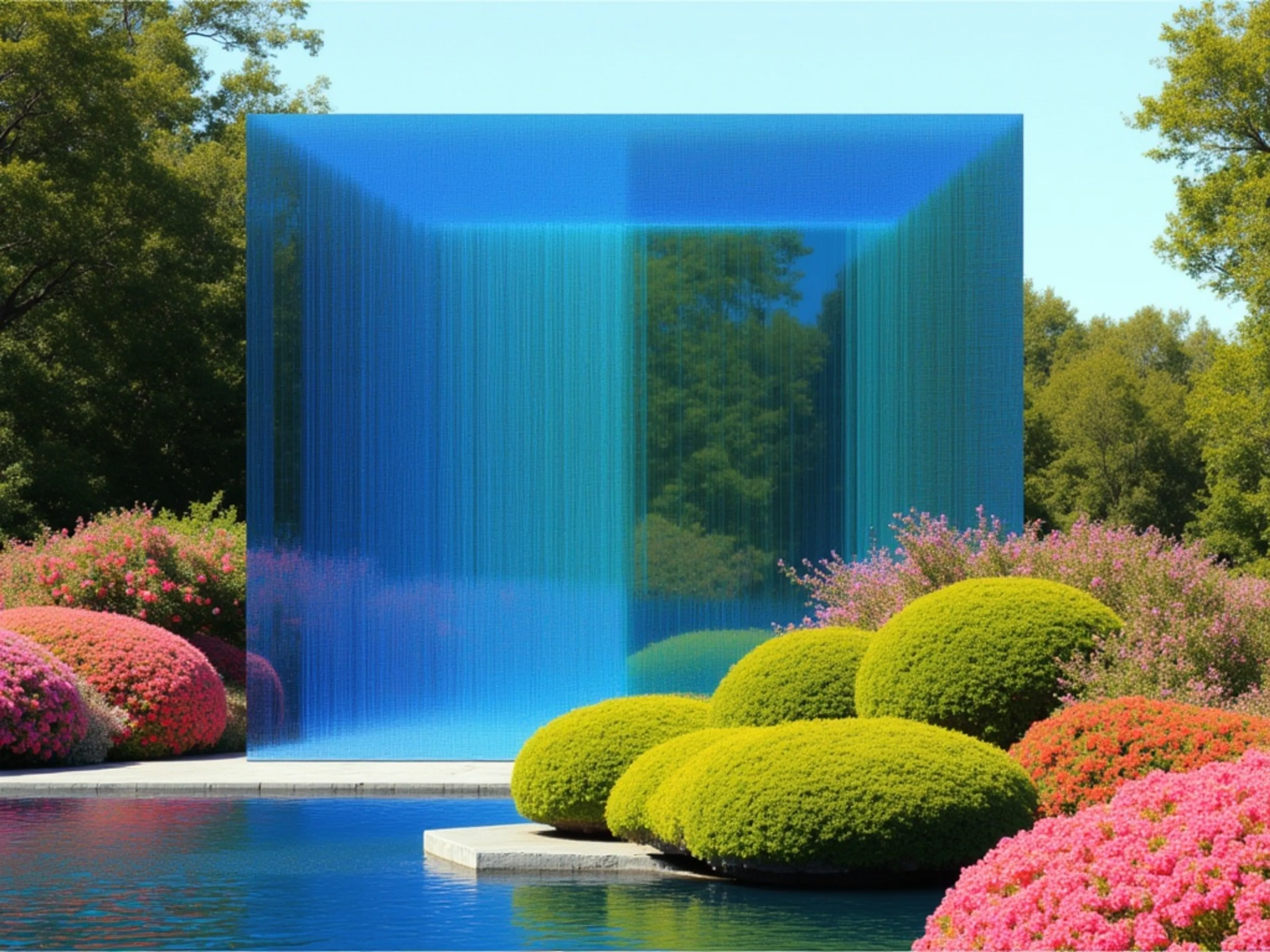

Fibo 2.0 Generate is Bria's text-to-image model, strongest on reasoning and knowledge-heavy prompts the ones that need real understanding, not just a style match. Trained only on licensed data, with clear commercial rights.
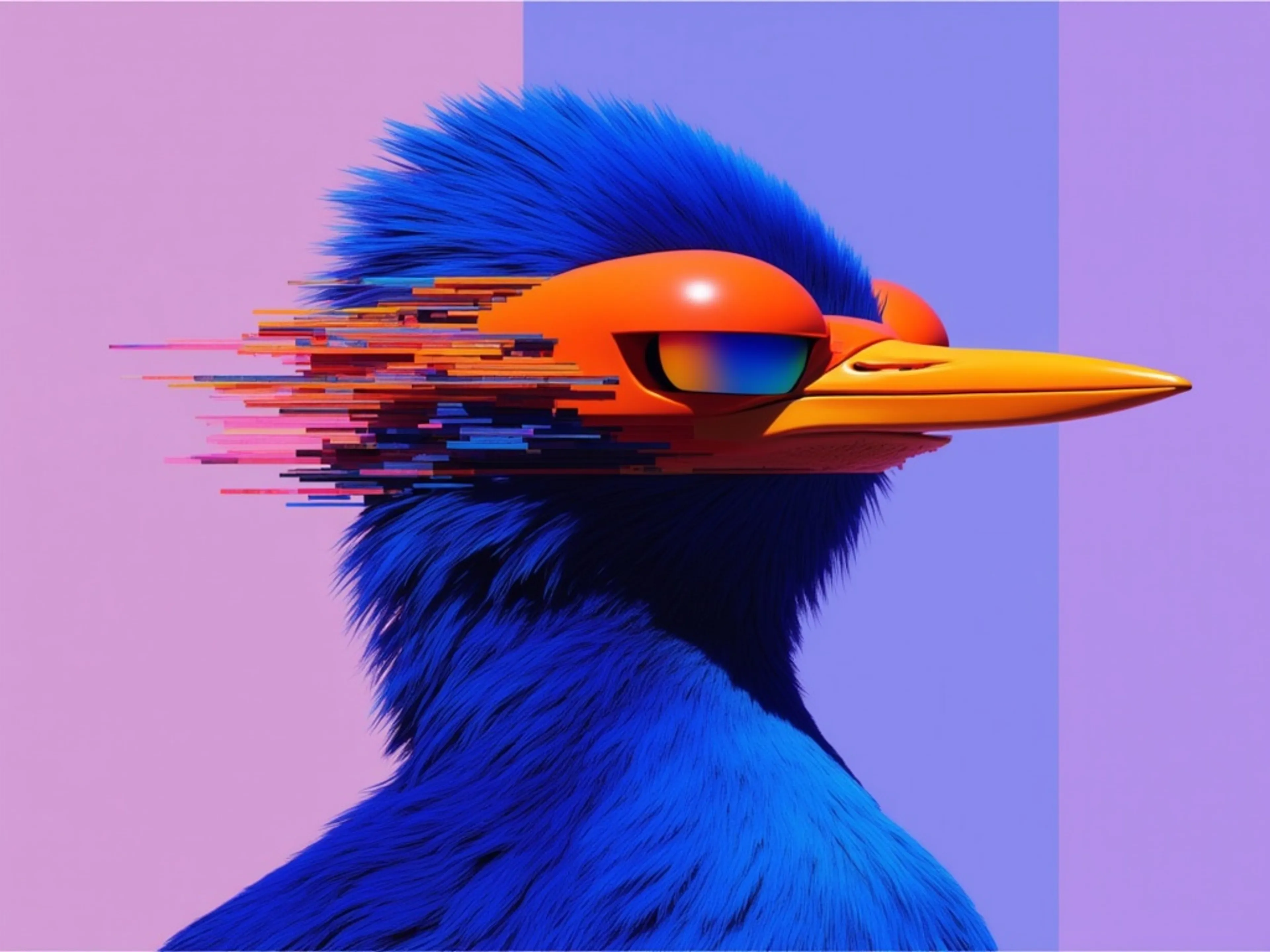
Recraft V4.1 Flash generates raster images from text prompts, including photography, illustrations, and mixed-media compositions, with controls for image size, color palette, and background color.
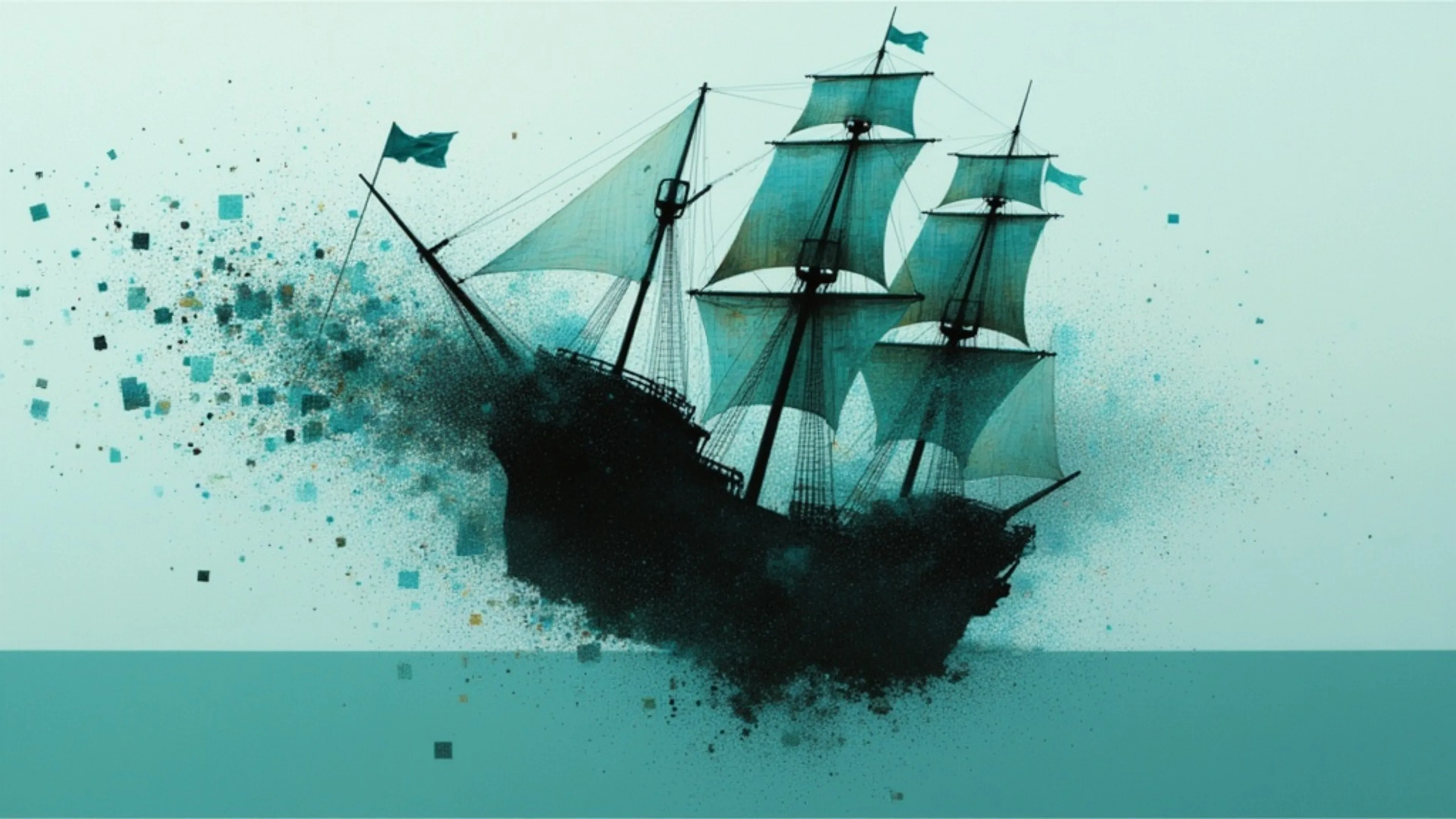
Recraft V4.1 Pro pushes the V4.1 model into high-resolution territory — up to 2048×2048 and ultra-wide formats. Made for hero imagery, campaign work, and print, it preserves the same design taste at sizes ready for the final deliverable.
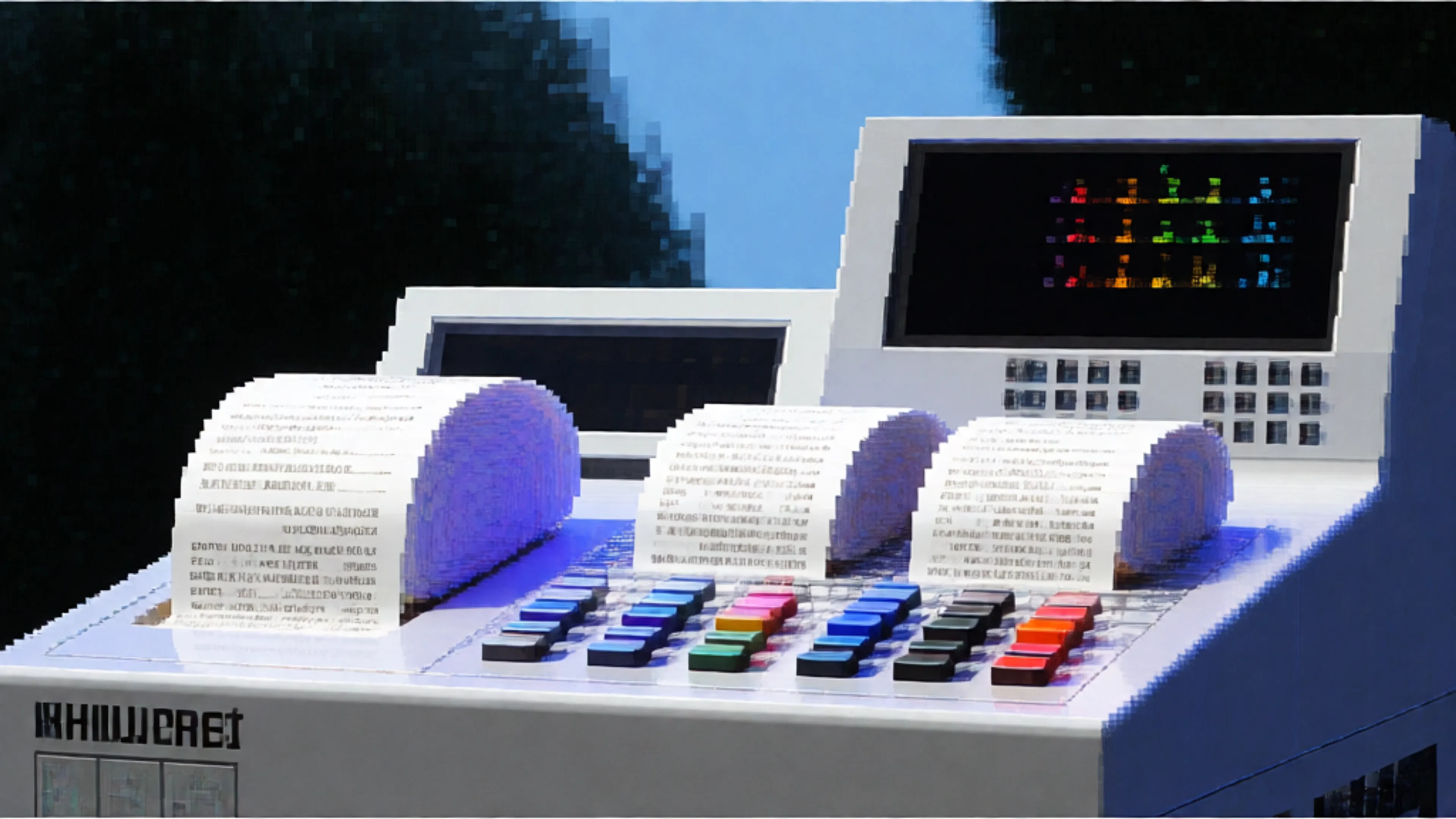
A versatile endpoint for the FLUX.1 [dev] model that supports multiple AI extensions including LoRA, ControlNet conditioning, and IP-Adapter integration, enabling comprehensive control over image generation through various guidance methods.

Kling Omni 3: Top-tier text-to-image with flawless consistency.
Generate high-quality images from text with Krea 2 Medium, supporting aspect ratio, creativity controls, seeds, and optional style references.
Recraft V4 was developed with designers to bring true visual taste to AI image generation. Built for brand systems and production-ready workflows, it goes beyond prompt accuracy — delivering stronger composition, refined lighting, realistic materials, and a cohesive aesthetic. The result is imagery shaped by professional design judgment, ready for immediate real-world use without additional post-processing.
Super fast endpoint for the FLUX.1 [dev] inpainting model with LoRA support, enabling rapid and high-quality image inpaingting using pre-trained LoRA adaptations for personalization, specific styles, brand identities, and product-specific outputs.
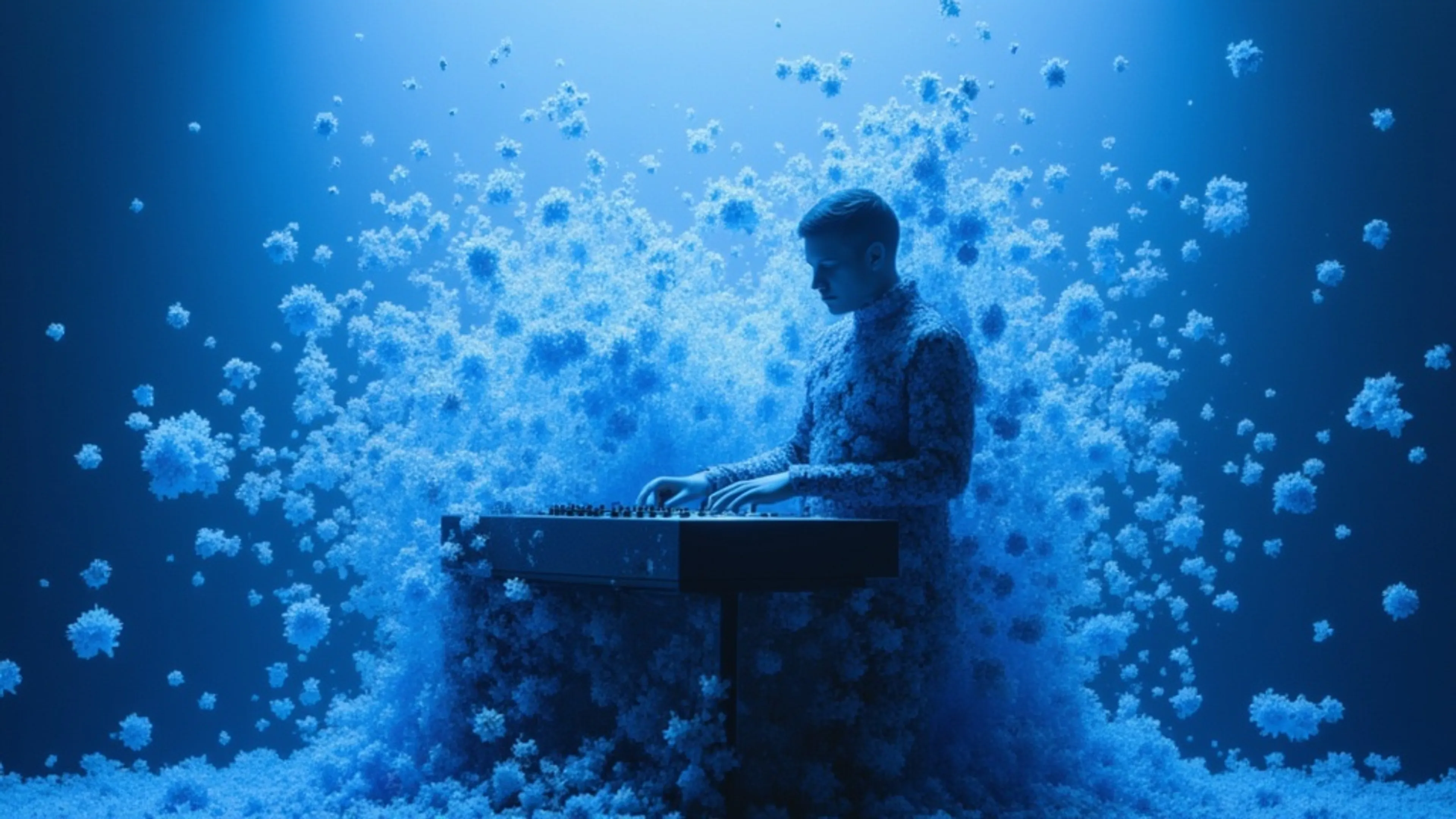
Kling V3: Latest Kling Image model
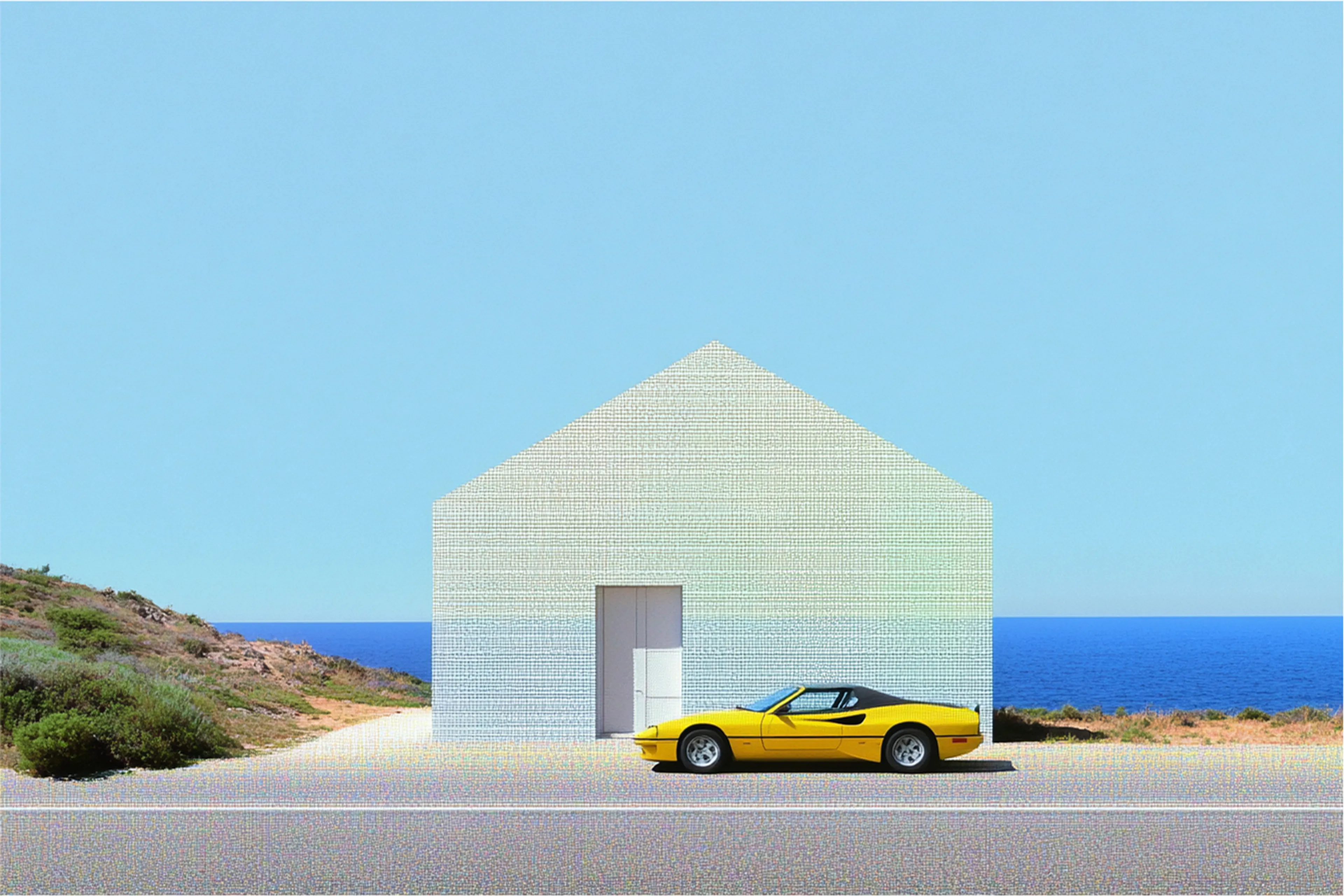

OpenAI's latest image generation and editing model: gpt-1-image.
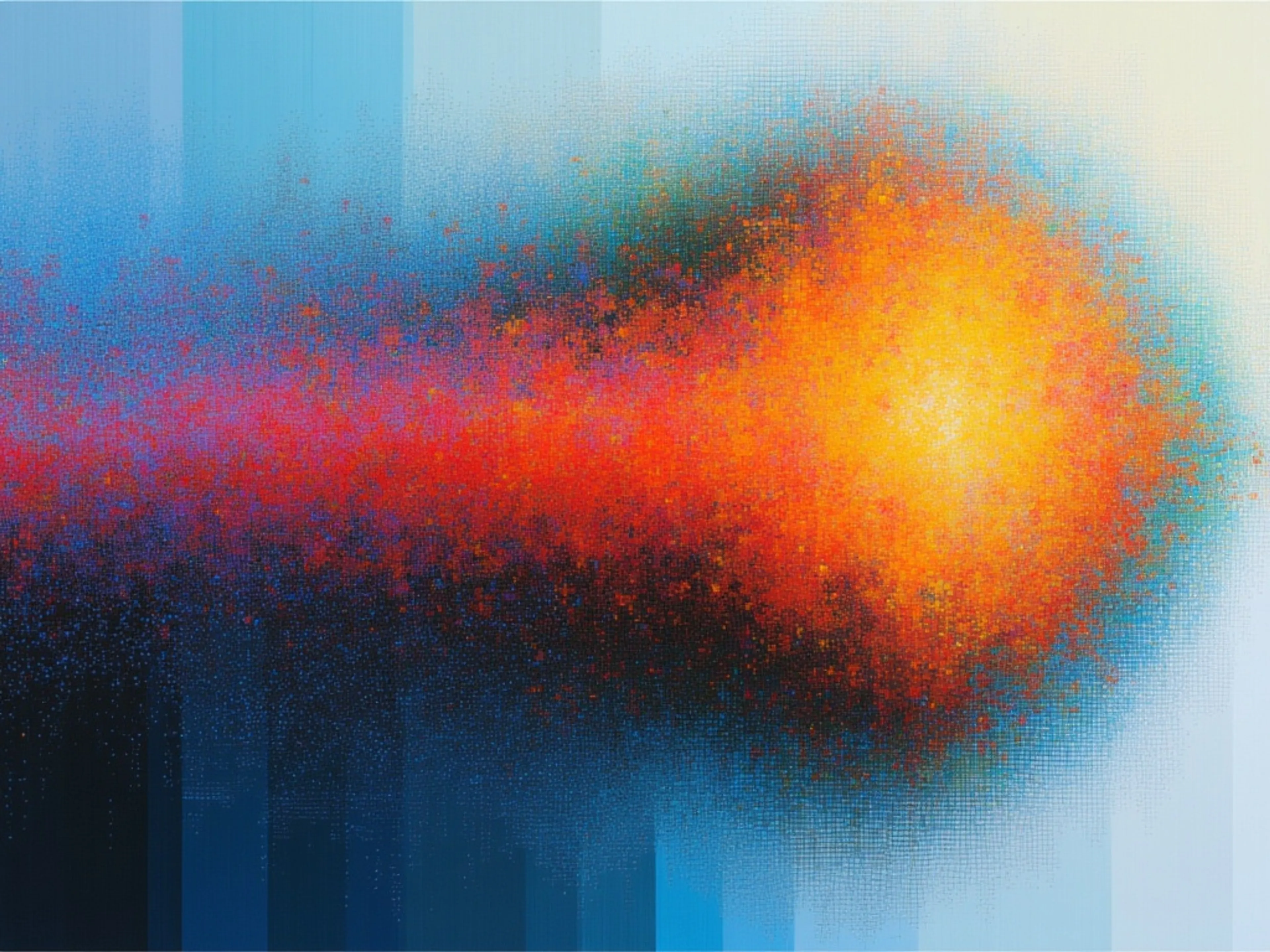
Recraft V4 was developed with designers to bring true visual taste to AI image generation. Built for brand systems and production-ready workflows, it goes beyond prompt accuracy — delivering stronger composition, refined lighting, realistic materials, and a cohesive aesthetic. The result is imagery shaped by professional design judgment, ready for immediate real-world use without additional post-processing.
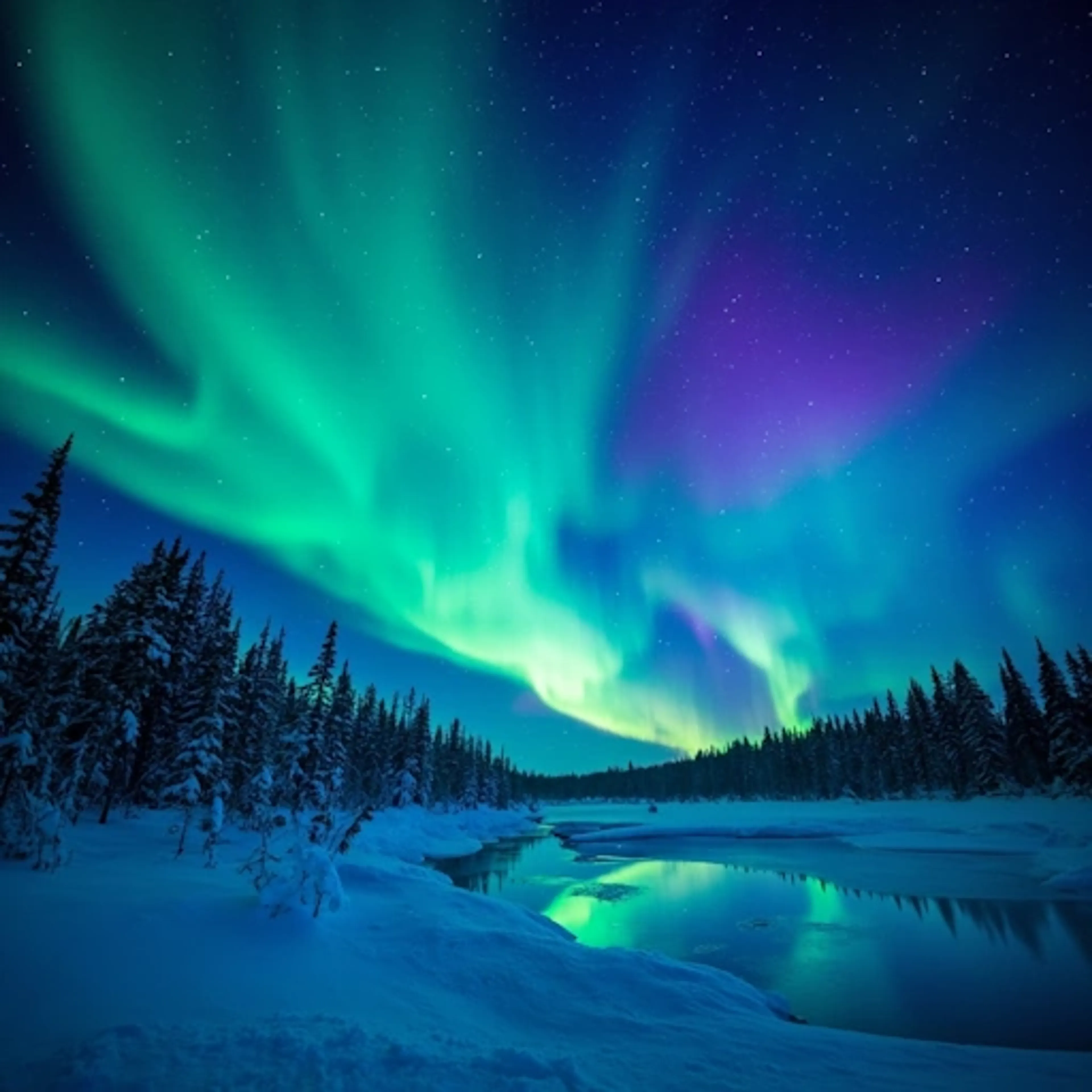

Generate high quality images from text prompts using MiniMax Image-01. Longer text prompts will result in better quality images.
fal is the best developer-friendly, one-stop shop for AI image generation models. Every image model on fal runs through the same SDK pattern, so once you’ve integrated one, switching between Nano Banana 2, FLUX.2 [dev], or GPT Image 2 is a one-line endpoint change.
The way to get started with image generation on fal is to install the client, set your FAL_KEY environment variable, and call any image endpoint.
bashnpm install --save @fal-ai/client
bashexport FAL_KEY="YOUR_API_KEY"
jsimport { fal } from "@fal-ai/client";

const result = await fal.subscribe("fal-ai/nano-banana-2", {
  input: {
    prompt: "A photorealistic Tokyo cafe at golden hour"
  }
});
Every image model on fal shares this pattern. That means swapping Nano Banana 2 for FLUX.2 [dev] or GPT Image 2 is a one-line endpoint change, with the auth flow and queue behavior unchanged.
For image generation workflows where typography matters, fal hosts several models that treat text rendering as a primary capability.
Use these models when the image itself needs to contain readable names, slogans, UI labels, posters, packaging, or branded typography.
Photorealistic image generation rewards models that can handle lighting, materials, camera language, and fine visual detail.
The FLUX family covers most photoreal production work on fal, while partner models fill specific needs around prompt reasoning, brand consistency, and scene fidelity.
For high-volume image generation, Turbo and distilled models let you explore ideas quickly before spending more on final outputs.
A practical workflow is to generate low-resolution drafts on a Turbo model to scout the prompt space, then run only the keepers through a higher-fidelity model at full resolution.
Image generation on fal is priced per output. Some models charge per megapixel of image area, while others charge per image.
| Model | Price |
|---|---|
| FLUX.2 [dev] Turbo | ~$0.008 / image |
| Seedream V4.5 | $0.04 / image |
| Nano Banana 2 | $0.08 / image at 1K |
| Nano Banana Pro | $0.15 / image |
Nano Banana 2 also supports higher-resolution pricing, with 2K and 4K outputs priced at 1.5x and 2x the 1K rate.
As a worked example, a team generating 1,000 marketing images per month at 1K resolution costs roughly:
You only pay for what you generate, which lets you test prompts, compare models, and scale production without subscriptions or minimums.
bashnpm install --save @fal-ai/client
bashexport FAL_KEY="YOUR_API_KEY"
jsimport { fal } from "@fal-ai/client";

const result = await fal.subscribe("fal-ai/nano-banana-2", {
  input: {
    prompt: "A photorealistic Tokyo cafe at golden hour"
  }
});
The same auth, billing, and queue logic carry across every image generation endpoint, so you can compare models side by side without rewriting integration code.
For large batches or longer generations, submit to the queue and rely on webhooks instead of blocking on the result.


