AI Image Generator APIs
Generate a variety of stunning images using our AI Image Generator APIs
Showing 217 to 222 of 222 results
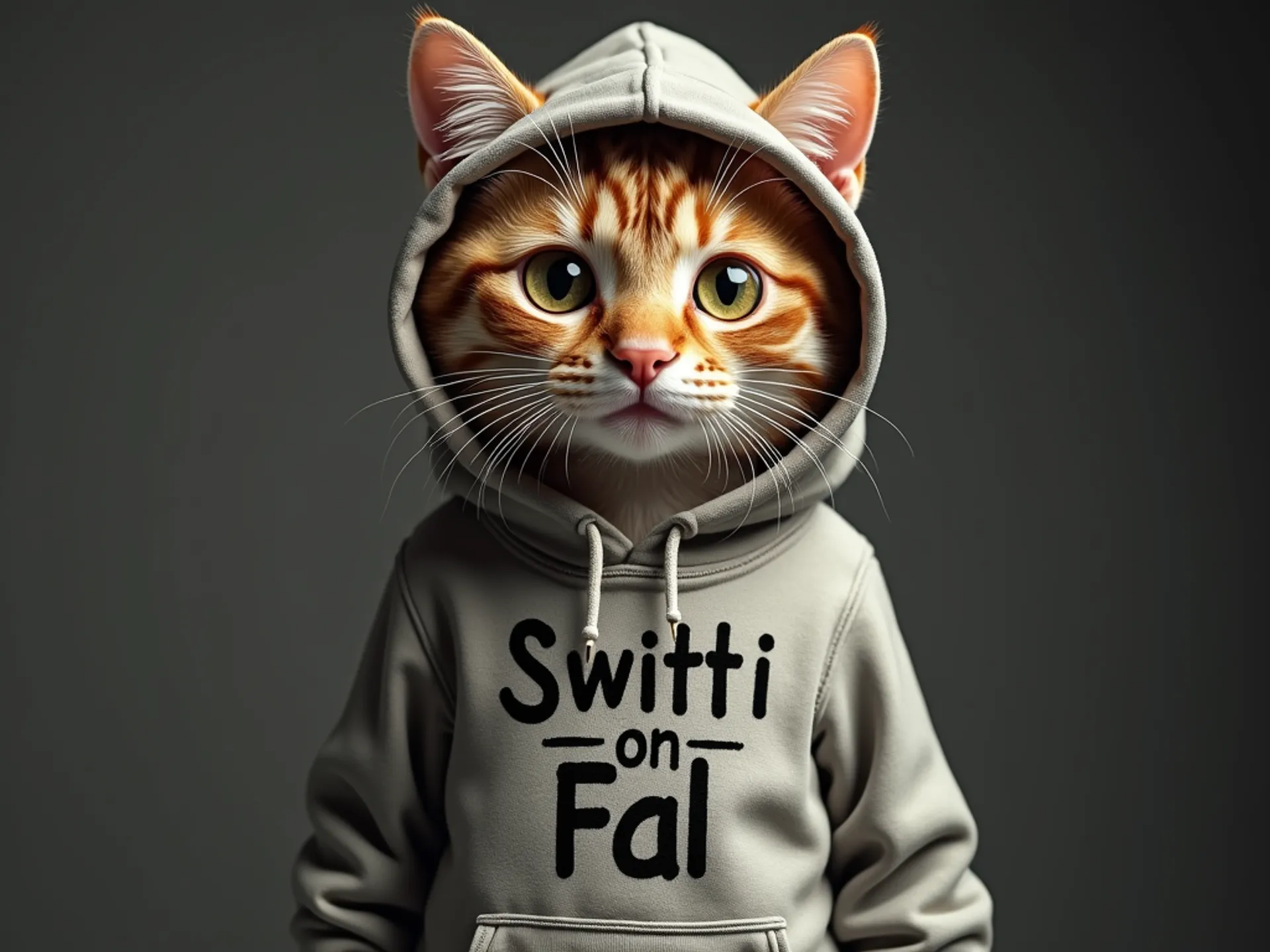
Switti is a scale-wise transformer for fast text-to-image generation that outperforms existing T2I AR models and competes with state-of-the-art T2I diffusion models while being faster than distilled diffusion models.
![FLUX.1 [pro] new is an accelerated version of FLUX.1 [pro], maintaining professional-grade image quality while delivering significantly faster generation speeds.](https://refinery.fal.media/url/https%3A%2F%2Fstorage.googleapis.com%2Ffalserverless%2Fgallery%2Fflux-pro-thumb.webp/tr:w-1920,q-80/flux-pro-thumb.webp)

FLUX.1 [pro] new is an accelerated version of FLUX.1 [pro], maintaining professional-grade image quality while delivering significantly faster generation speeds.

Collection of SDXL Lightning models.

SDXL with an alpha channel.
Fooocus extreme speed mode as a standalone app.
Produce high-quality images with minimal inference steps.
fal is the best developer-friendly, one-stop shop for AI image generation models. Every image model on fal runs through the same SDK pattern, so once you’ve integrated one, switching between Nano Banana 2, FLUX.2 [dev], or GPT Image 2 is a one-line endpoint change.
The way to get started with image generation on fal is to install the client, set your FAL_KEY environment variable, and call any image endpoint.
bashnpm install --save @fal-ai/client
bashexport FAL_KEY="YOUR_API_KEY"
jsimport { fal } from "@fal-ai/client";

const result = await fal.subscribe("fal-ai/nano-banana-2", {
  input: {
    prompt: "A photorealistic Tokyo cafe at golden hour"
  }
});
Every image model on fal shares this pattern. That means swapping Nano Banana 2 for FLUX.2 [dev] or GPT Image 2 is a one-line endpoint change, with the auth flow and queue behavior unchanged.
For image generation workflows where typography matters, fal hosts several models that treat text rendering as a primary capability.
Use these models when the image itself needs to contain readable names, slogans, UI labels, posters, packaging, or branded typography.
Photorealistic image generation rewards models that can handle lighting, materials, camera language, and fine visual detail.
The FLUX family covers most photoreal production work on fal, while partner models fill specific needs around prompt reasoning, brand consistency, and scene fidelity.
For high-volume image generation, Turbo and distilled models let you explore ideas quickly before spending more on final outputs.
A practical workflow is to generate low-resolution drafts on a Turbo model to scout the prompt space, then run only the keepers through a higher-fidelity model at full resolution.
Image generation on fal is priced per output. Some models charge per megapixel of image area, while others charge per image.
| Model | Price |
|---|---|
| FLUX.2 [dev] Turbo | ~$0.008 / image |
| Seedream V4.5 | $0.04 / image |
| Nano Banana 2 | $0.08 / image at 1K |
| Nano Banana Pro | $0.15 / image |
Nano Banana 2 also supports higher-resolution pricing, with 2K and 4K outputs priced at 1.5x and 2x the 1K rate.
As a worked example, a team generating 1,000 marketing images per month at 1K resolution costs roughly:
You only pay for what you generate, which lets you test prompts, compare models, and scale production without subscriptions or minimums.
bashnpm install --save @fal-ai/client
bashexport FAL_KEY="YOUR_API_KEY"
jsimport { fal } from "@fal-ai/client";

const result = await fal.subscribe("fal-ai/nano-banana-2", {
  input: {
    prompt: "A photorealistic Tokyo cafe at golden hour"
  }
});
The same auth, billing, and queue logic carry across every image generation endpoint, so you can compare models side by side without rewriting integration code.
For large batches or longer generations, submit to the queue and rely on webhooks instead of blocking on the result.
