Showing 1 to 24 of 228 results
![FLUX.1 [schnell] is a 12 billion parameter flow transformer that generates high-quality images from text in 1 to 4 steps, suitable for personal and commercial use.](https://refinery.fal.media/url/https%3A%2F%2Fv3b.fal.media%2Ffiles%2Fb%2F0a9af64d%2FGxvCUPd3gO-MSYcy06g0x_1641cfe028c2429b8e12e4fc320eb0a8.jpg/tr:w-3840,q-80/GxvCUPd3gO-MSYcy06g0x_1641cfe028c2429b8e12e4fc320eb0a8.webp)


FLUX.1 [schnell] is a 12 billion parameter flow transformer that generates high-quality images from text in 1 to 4 steps, suitable for personal and commercial use.
text-to-image
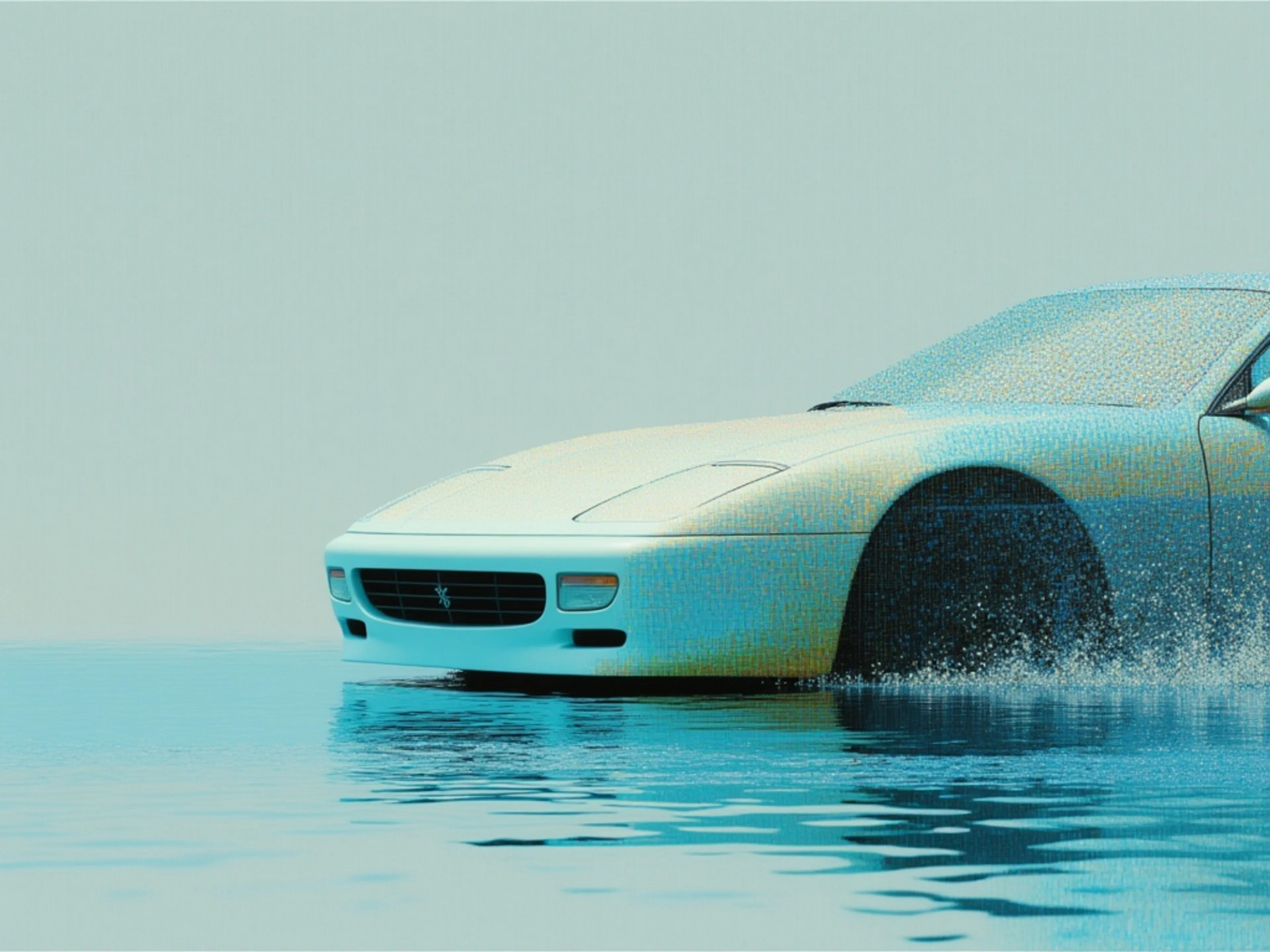


Nano Banana Pro is Google's new state-of-the-art image generation and editing model
realism
typography
text-to-image
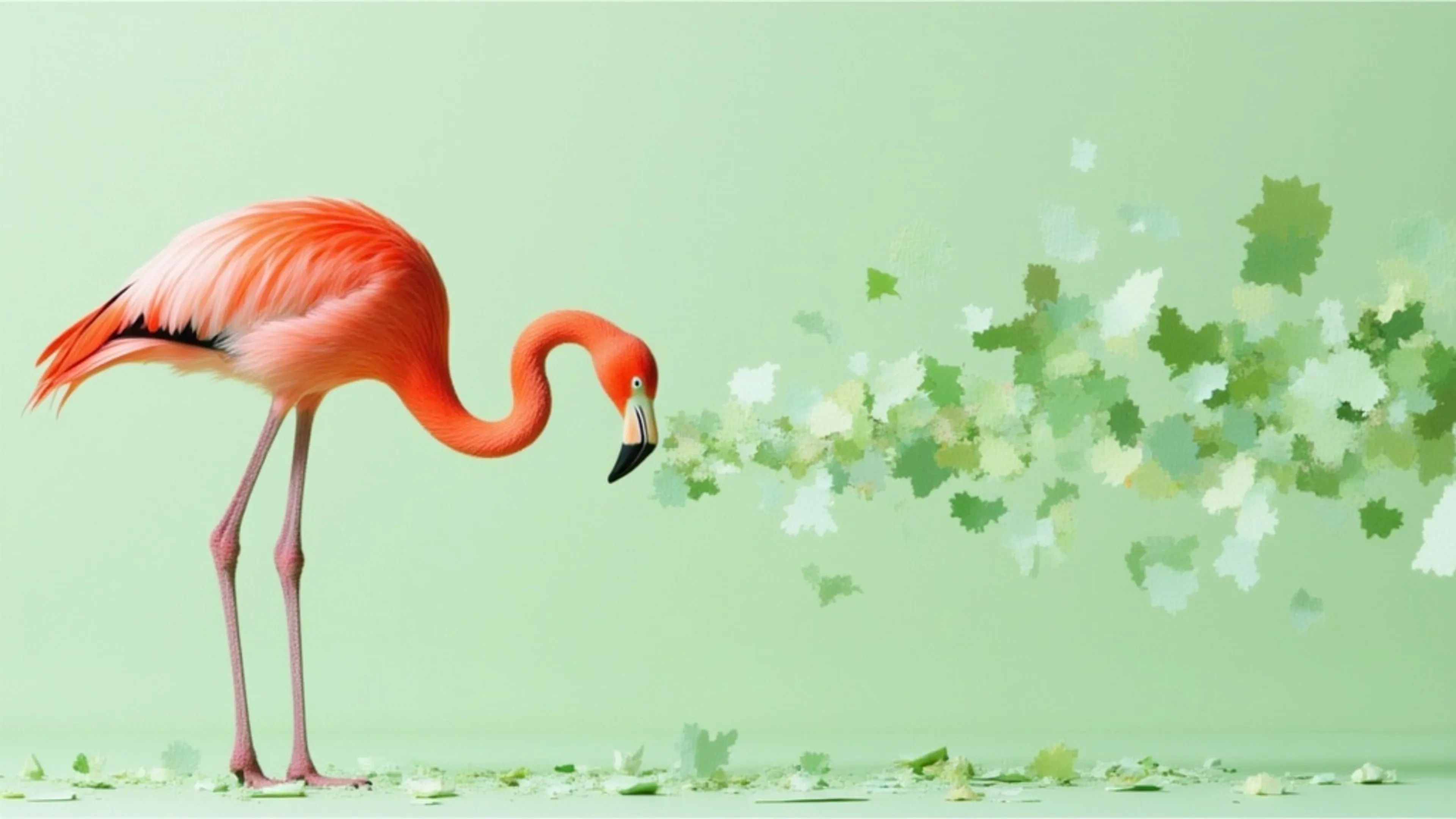
Nano Banana 2 is Google's new state-of-the-art fast image generation and editing model
text-to-image
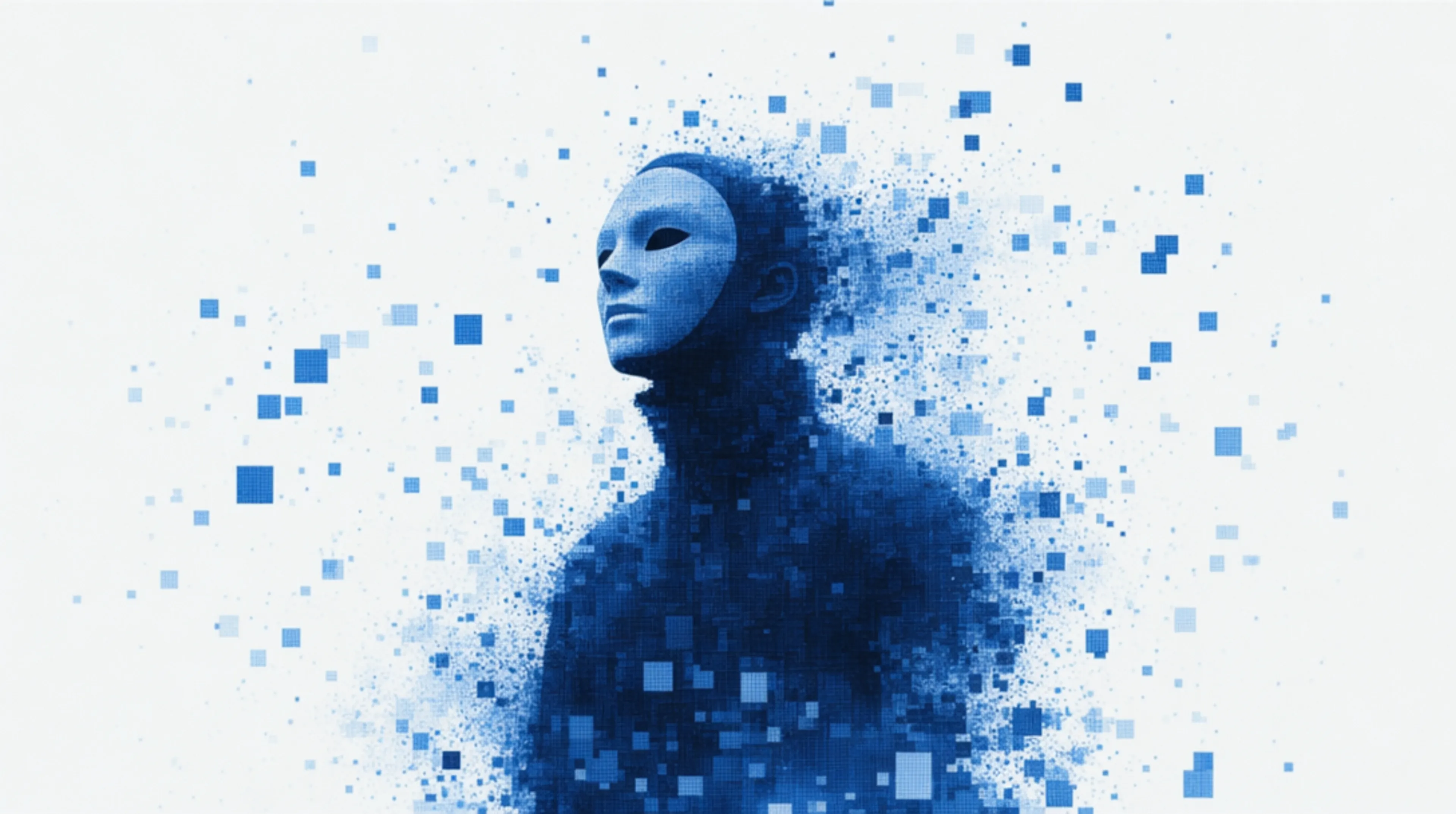


GPT Image 2, OpenAI's latest image model, is capable of creating extremely detailed images with fine typography.
gpt-image-2
openai
typography
text-to-image
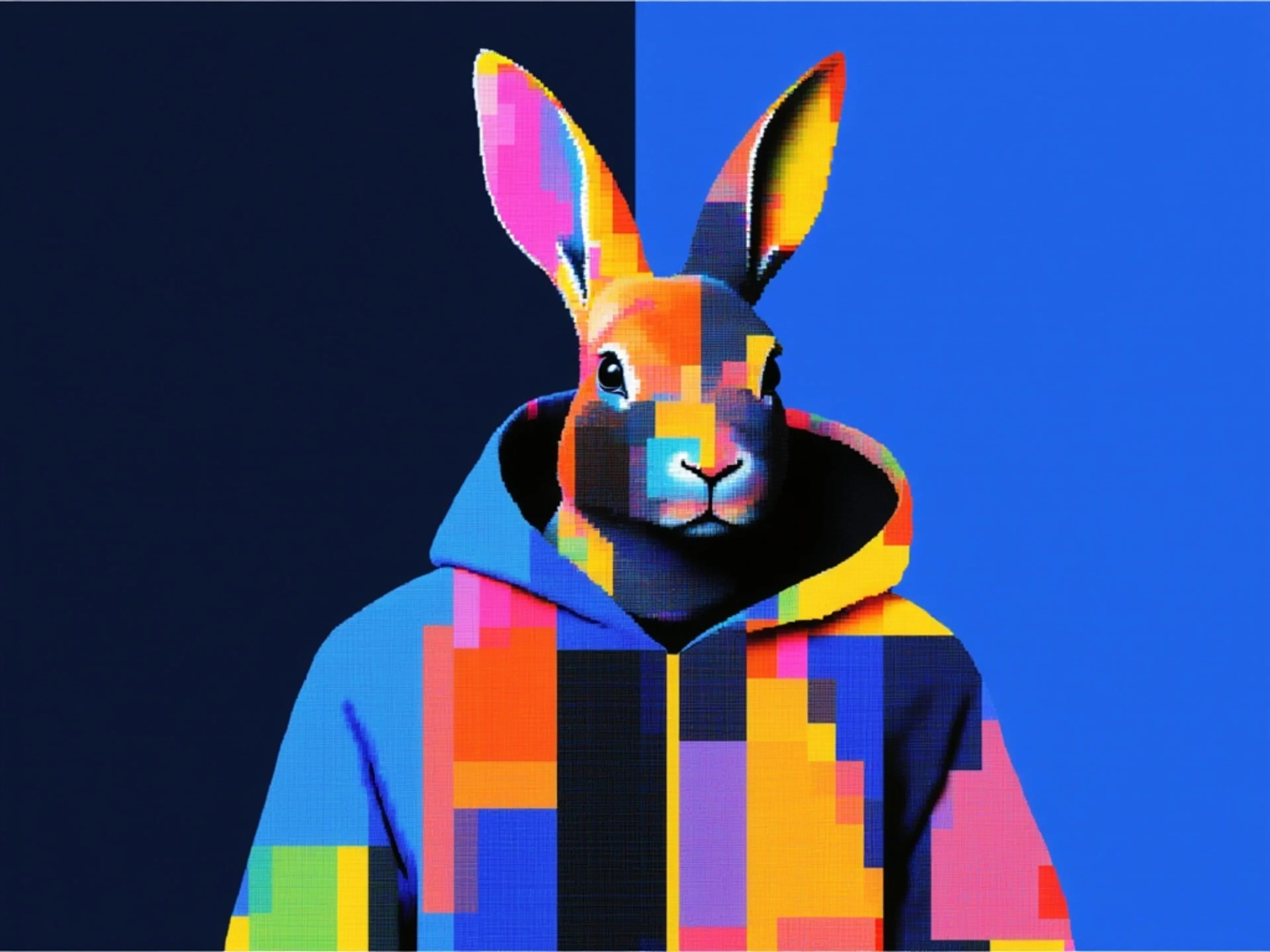
OpenAI's default image model for most applications. Fast, high-quality generation with natural lighting, rich textures, and support for complex layouts including transparent backgrounds.
realism
typography
stylized
text-to-image
![FLUX.1 [dev] is a 12 billion parameter flow transformer that generates high-quality images from text. It is suitable for personal and commercial use.](https://refinery.fal.media/url/https%3A%2F%2Fstorage.googleapis.com%2Ffal_cdn%2Ffal%2FUpscale-1.jpeg/tr:w-3840,q-80/Upscale-1.webp)
FLUX.1 [dev] is a 12 billion parameter flow transformer that generates high-quality images from text. It is suitable for personal and commercial use.
text-to-image
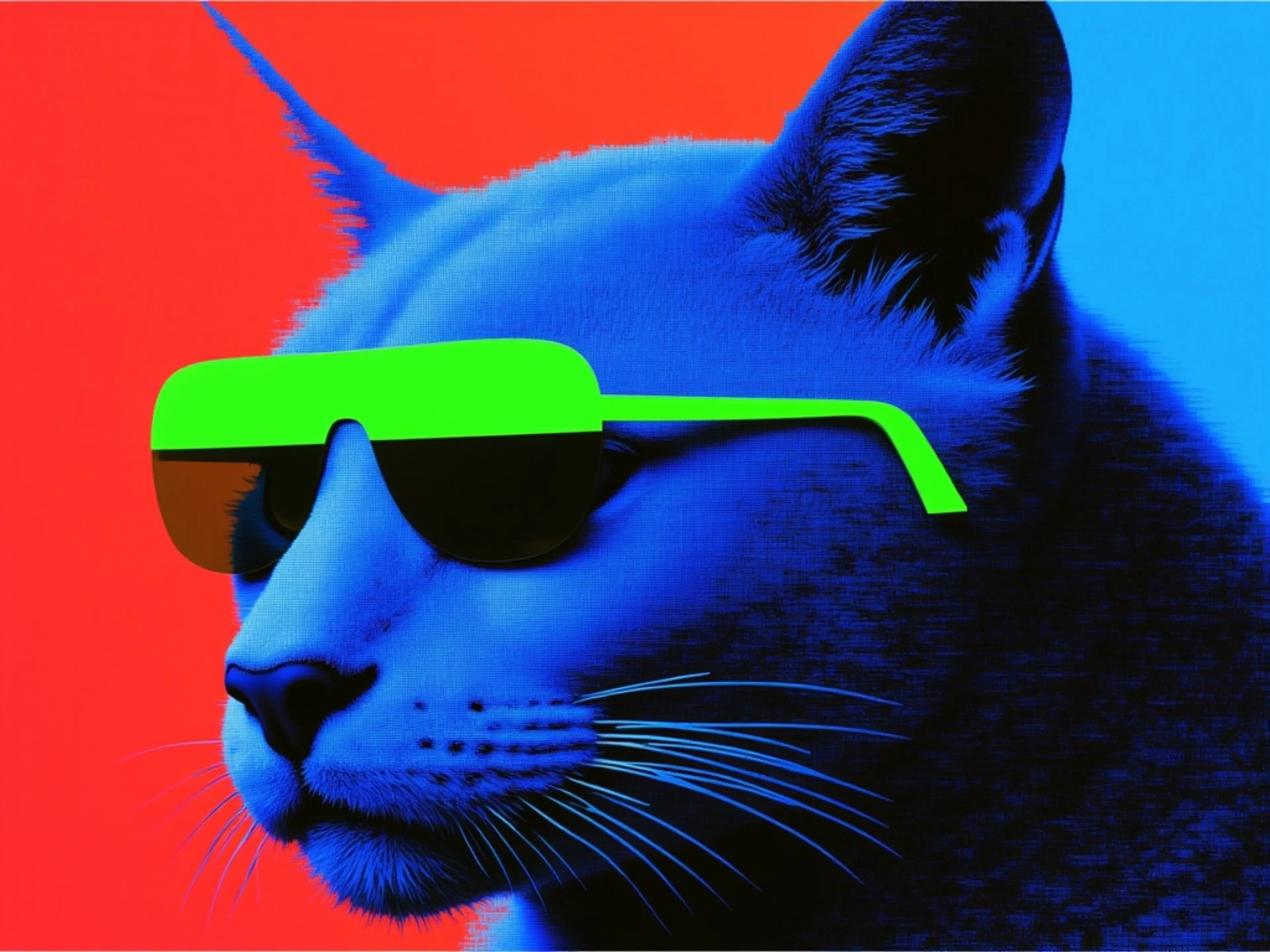
new
Nano Banana 2.1 by Google generates images from text prompts, with output resolutions up to 4K, adjustable aspect ratios, and optional web search grounding.
image generation
photorealism
typography
text-to-image
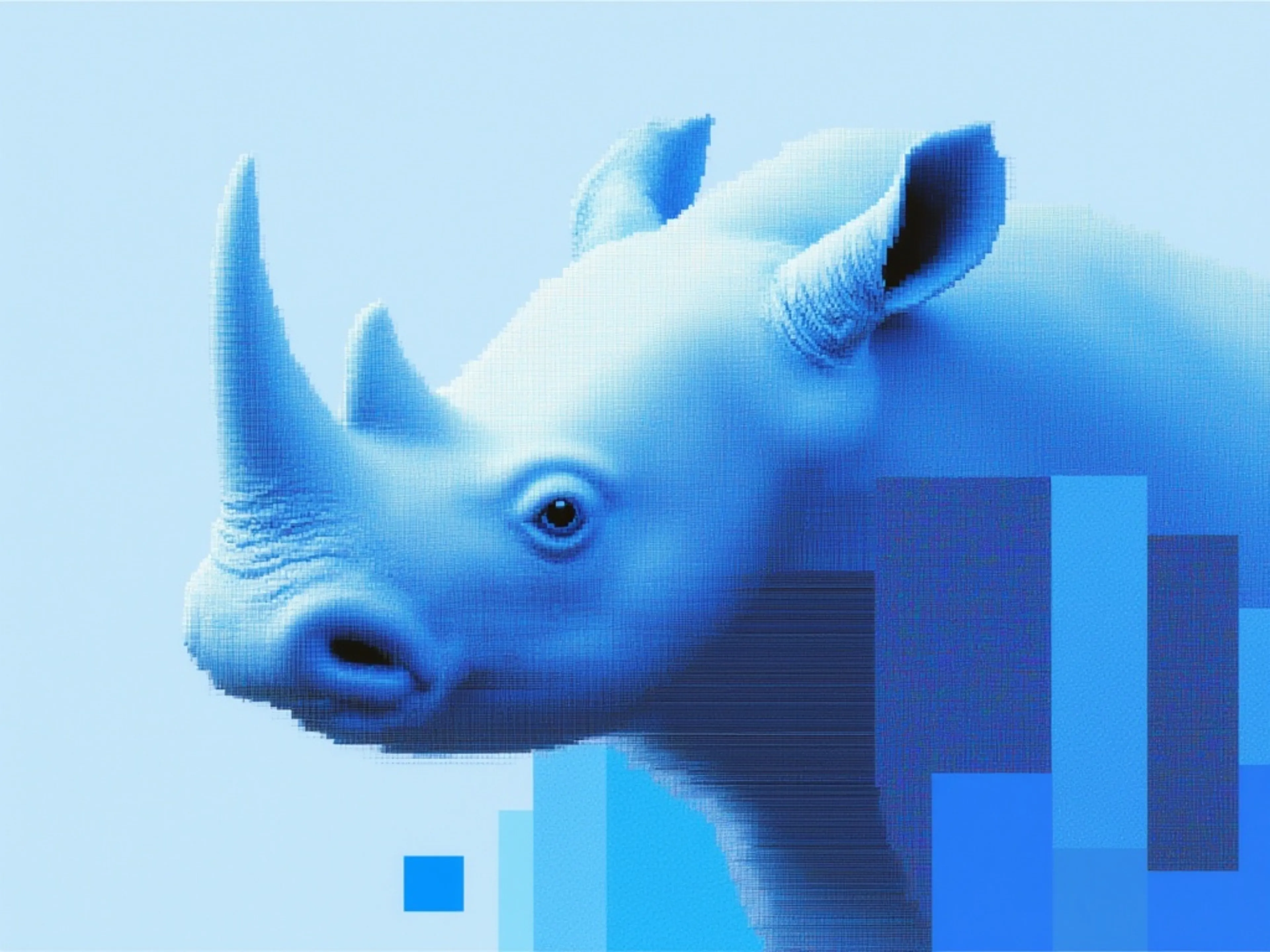
OpenAI's precision-focused image model, built for premium visual work, extra fidelity on intricate detail, in exchange for longer generation times.
realism
typography
stylized
text-to-image
![Image editing with FLUX.2 [pro] from Black Forest Labs. Ideal for high-quality image manipulation, style transfer, and sequential editing workflows](https://refinery.fal.media/url/https%3A%2F%2Fv3b.fal.media%2Ffiles%2Fb%2Fpenguin%2FUfryXXm9my6IM8HsoP9FL_054c2c2953dc491996904114c6e04836.jpg/tr:w-3840,q-80/UfryXXm9my6IM8HsoP9FL_054c2c2953dc491996904114c6e04836.webp)
Image editing with FLUX.2 [pro] from Black Forest Labs. Ideal for high-quality image manipulation, style transfer, and sequential editing workflows
text-to-image
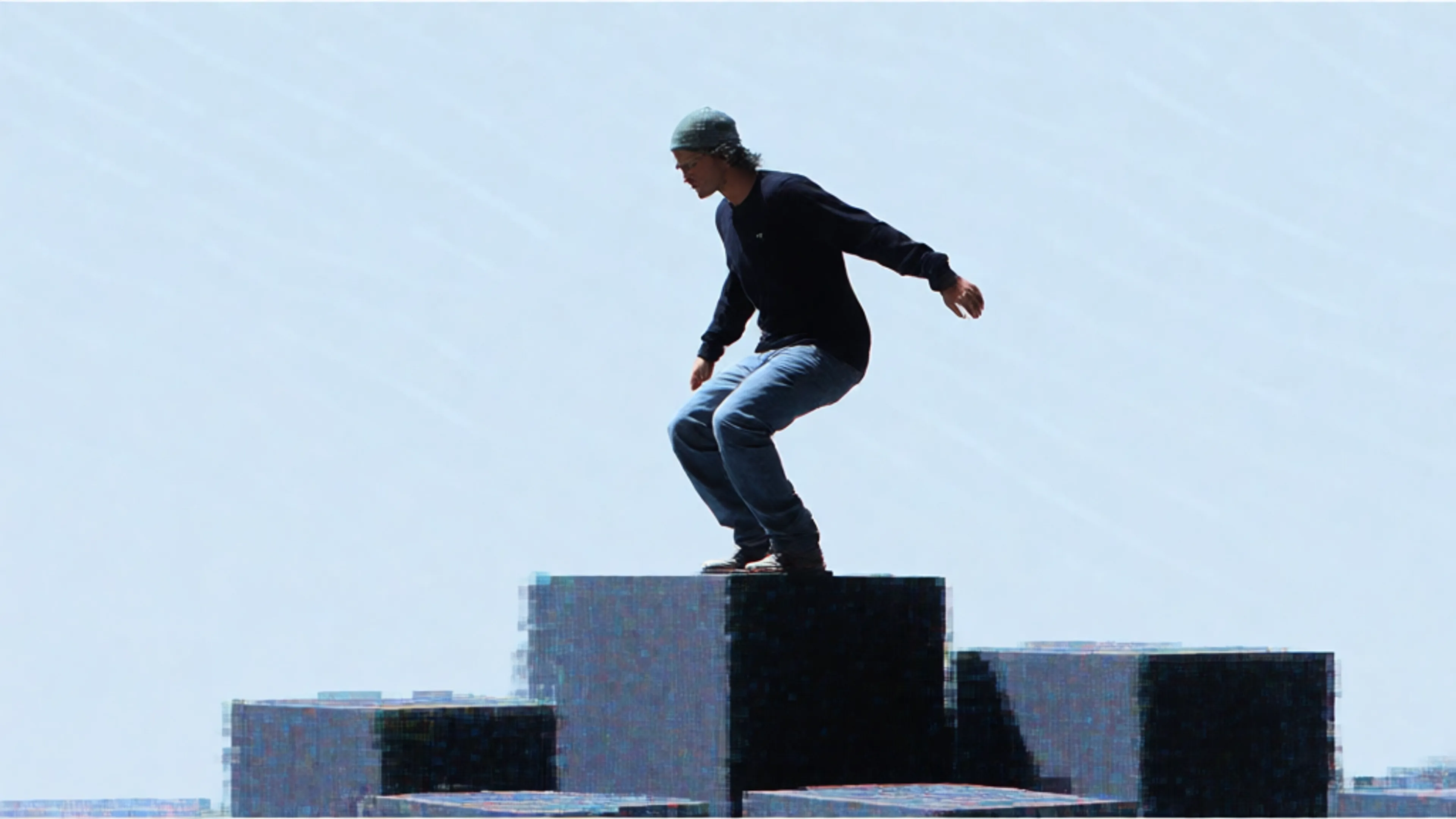
Google's famous original image generation and editing model
image-generation
text-to-image
![FLUX1.1 [pro] is an enhanced version of FLUX.1 [pro], improved image generation capabilities, delivering superior composition, detail, and artistic fidelity compared to its predecessor.](https://refinery.fal.media/url/https%3A%2F%2Fstorage.googleapis.com%2Ffalserverless%2Fgallery%2Fturbo_thumbnail.jpg/tr:w-3840,q-80/turbo_thumbnail.webp)
FLUX1.1 [pro] is an enhanced version of FLUX.1 [pro], improved image generation capabilities, delivering superior composition, detail, and artistic fidelity compared to its predecessor.
text-to-image
![FLUX1.1 [pro] ultra is the newest version of FLUX1.1 [pro], maintaining professional-grade image quality while delivering up to 2K resolution with improved photo realism.](https://refinery.fal.media/url/https%3A%2F%2Fstorage.googleapis.com%2Ffalserverless%2Fgallery%2Fflux-pro-v1-1-ultra.webp/tr:w-3840,q-80/flux-pro-v1-1-ultra.webp)
FLUX1.1 [pro] ultra is the newest version of FLUX1.1 [pro], maintaining professional-grade image quality while delivering up to 2K resolution with improved photo realism.
high-res
realism
text-to-image
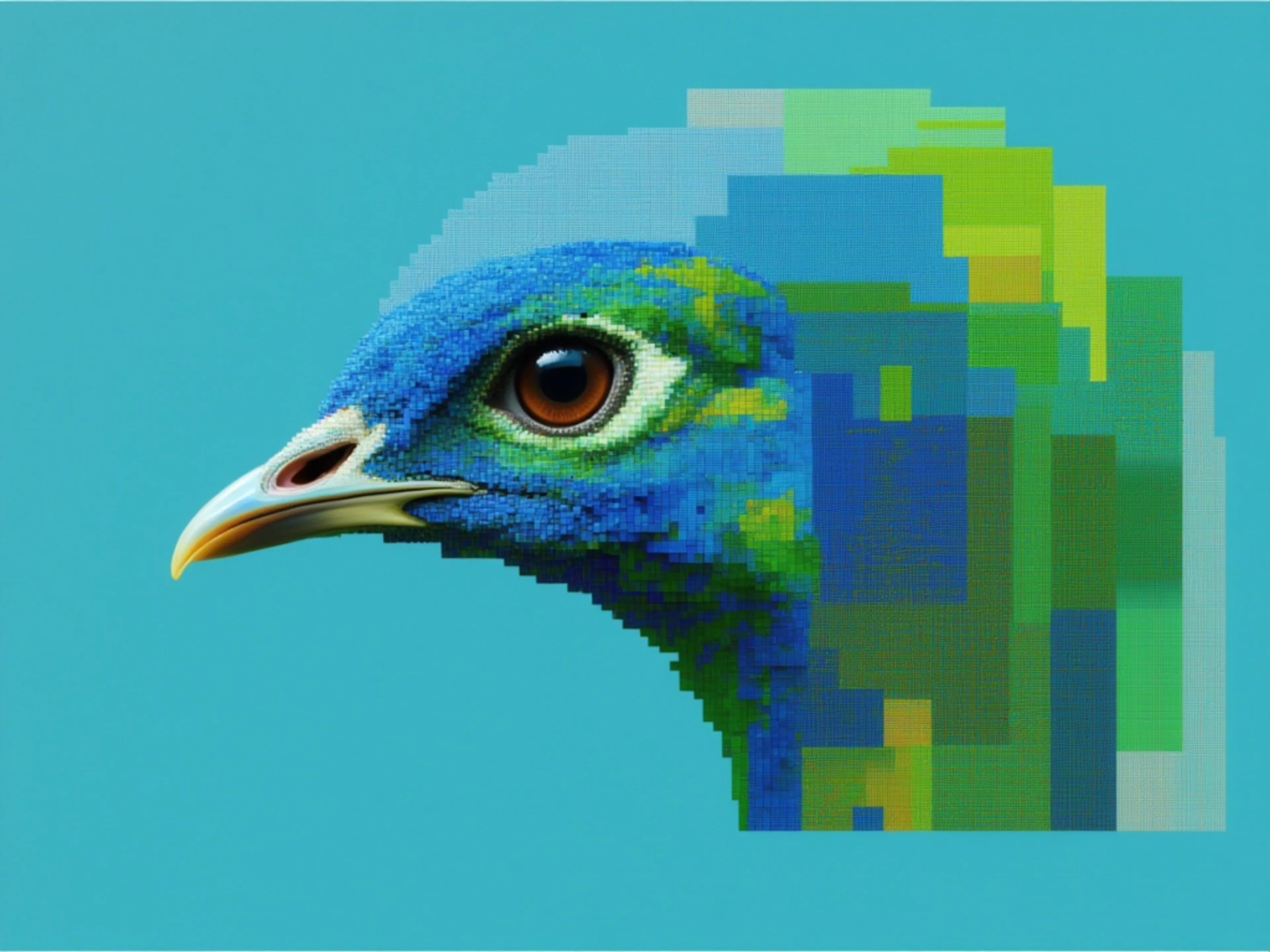


ByteDance's Seedream 5.0 Pro is flagship text-to-image model, with deep-thinking prompt understanding, native text in 14 languages, and precise control over dense layouts and structured designs.
realism
typography
stylized
text-to-image
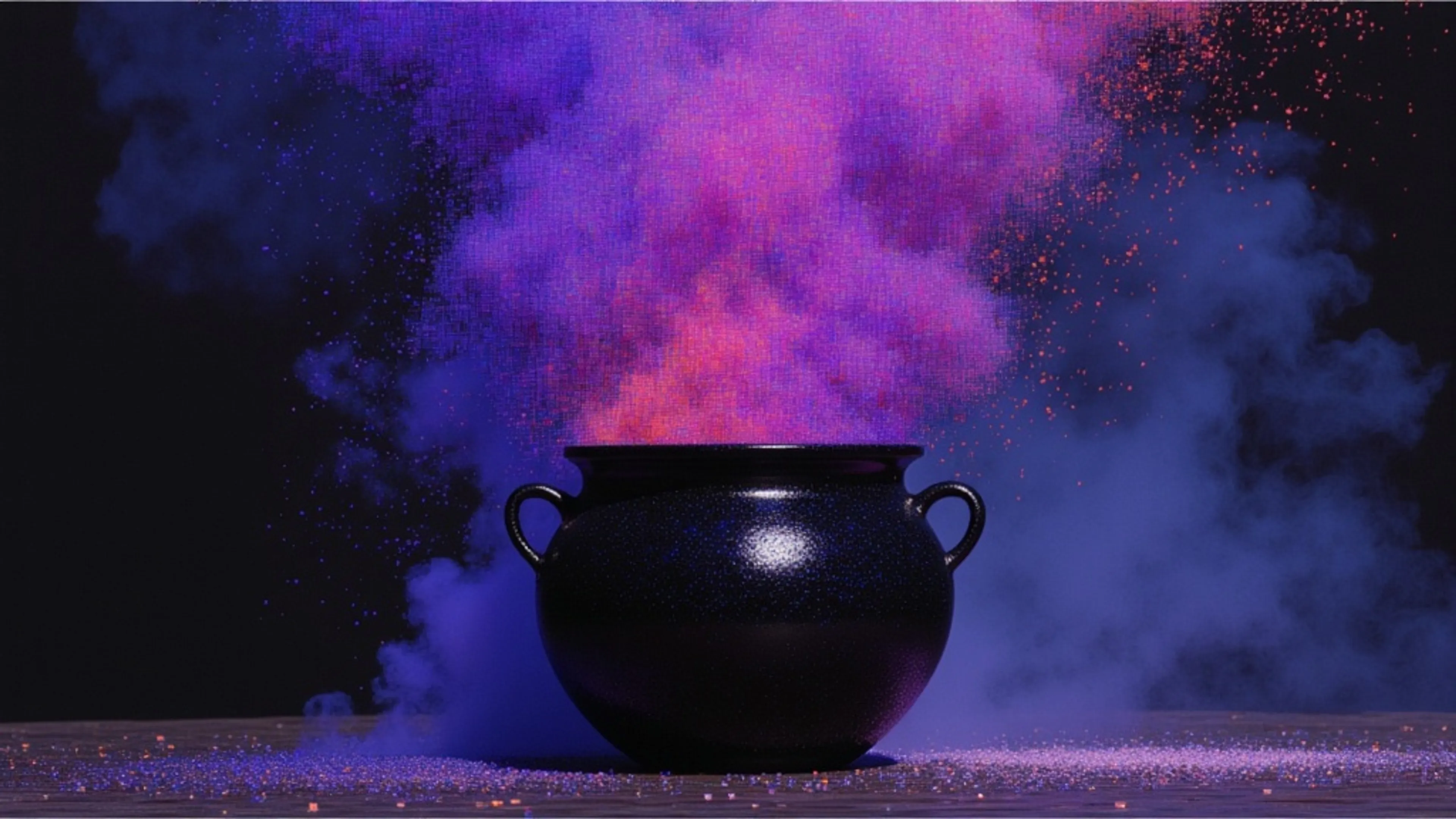


Z-Image Turbo is a super fast text-to-image model of 6B parameters developed by Tongyi-MAI.
turbo
z-image
fast
text-to-image
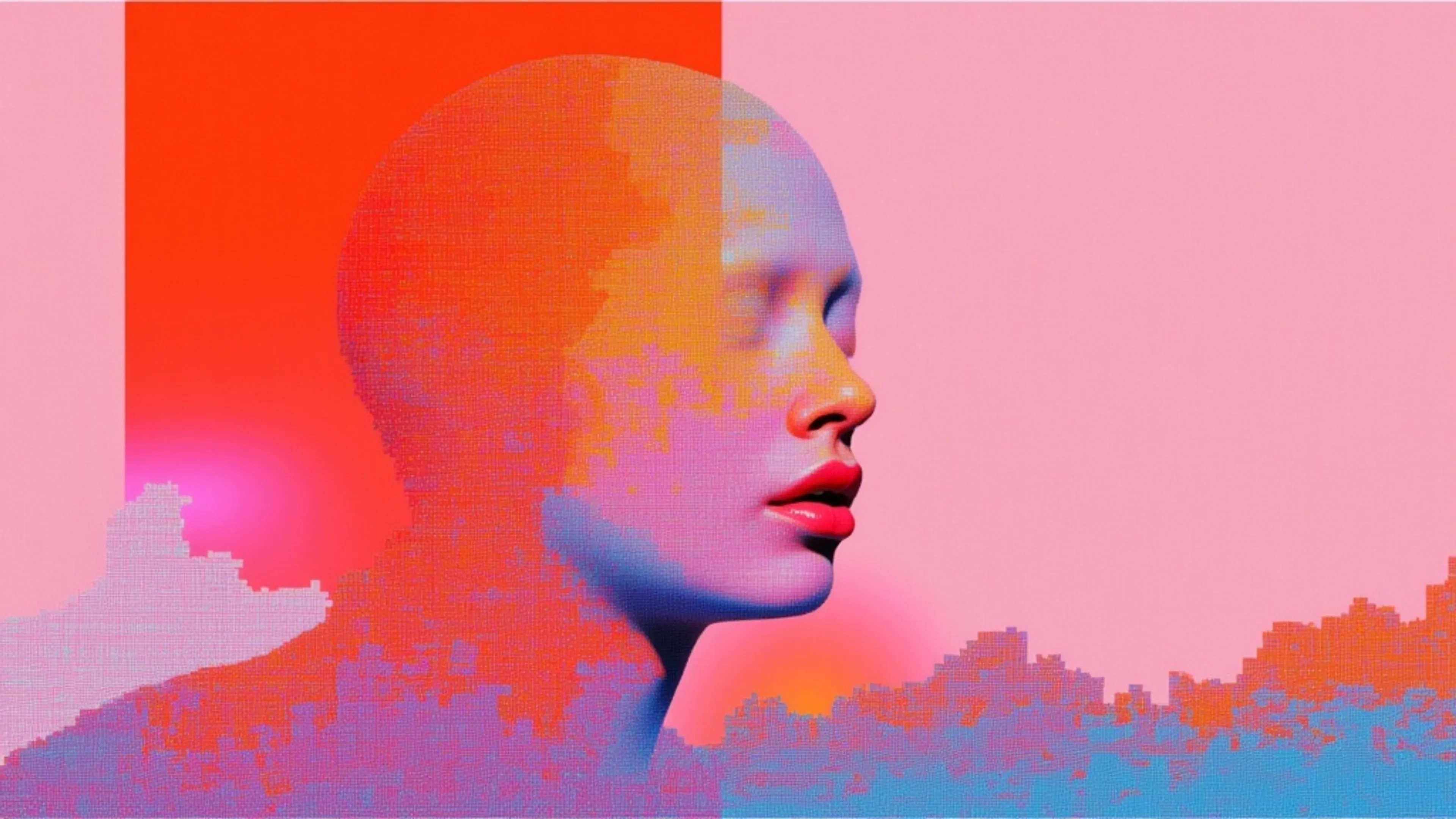
A new-generation image creation model ByteDance, Seedream 4.5 integrates image generation and image editing capabilities into a single, unified architecture.
stylized
transform
text-to-image
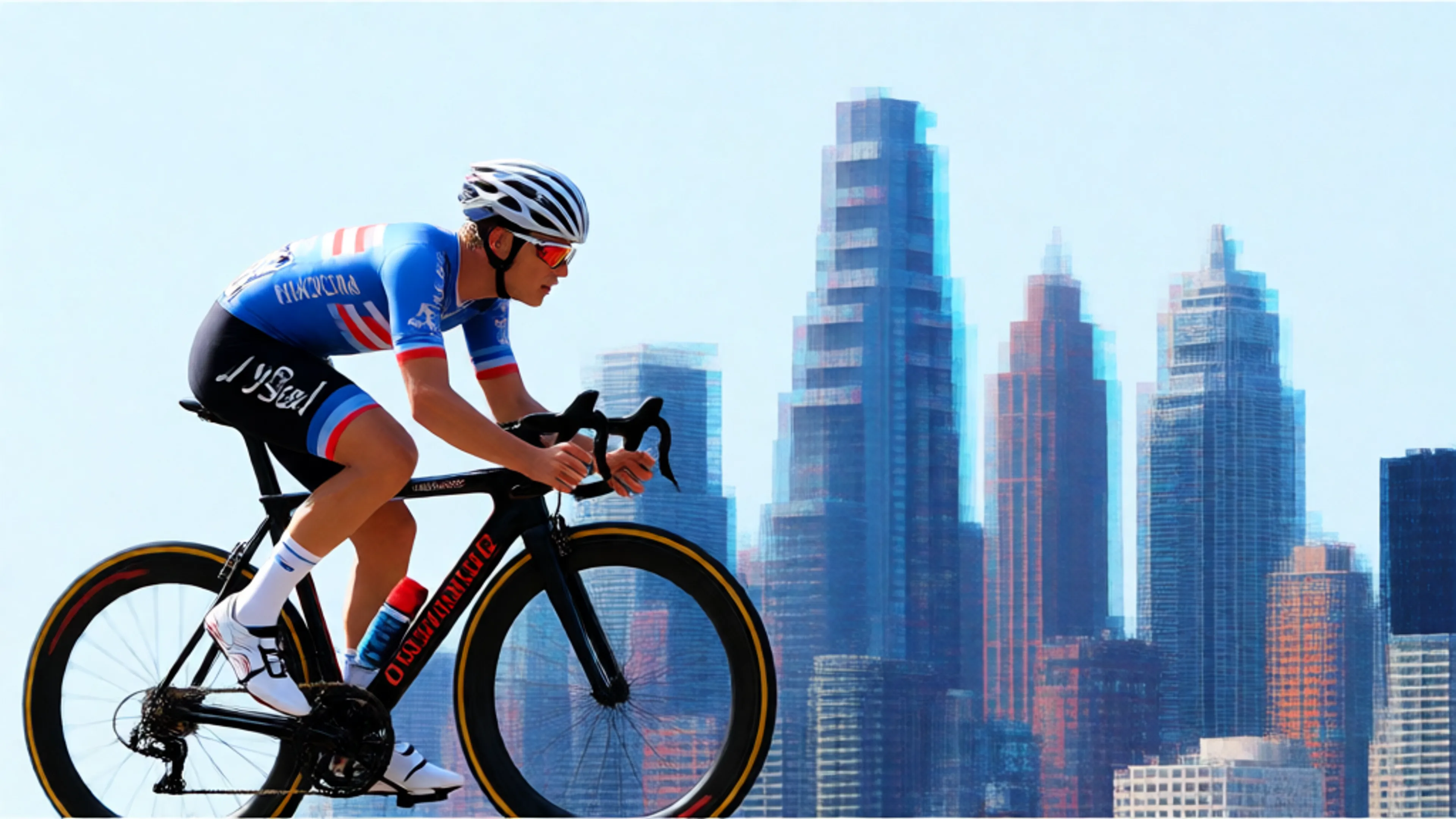
A new-generation image creation model ByteDance, Seedream 4.0 integrates image generation and image editing capabilities into a single, unified architecture.
stylized
transform
text-to-image
![Text-to-image generation with FLUX.2 [klein] 9B from Black Forest Labs. Enhanced realism, crisper text generation, and native editing capabilities.](https://refinery.fal.media/url/https%3A%2F%2Fv3b.fal.media%2Ffiles%2Fb%2F0a8a7f3c%2F90FKDpwtSCZTqOu0jUI-V_64c1a6ec0f9343908d9efa61b7f2444b.jpg/tr:w-3840,q-80/90FKDpwtSCZTqOu0jUI-V_64c1a6ec0f9343908d9efa61b7f2444b.webp)
Text-to-image generation with FLUX.2 [klein] 9B from Black Forest Labs. Enhanced realism, crisper text generation, and native editing capabilities.
text-to-image
![Super fast endpoint for the FLUX.1 [dev] model with LoRA support, enabling rapid and high-quality image generation using pre-trained LoRA adaptations for personalization, specific styles, brand identities, and product-specific outputs.](https://refinery.fal.media/url/https%3A%2F%2Fv3b.fal.media%2Ffiles%2Fb%2F0a9f91af%2FUMrx6t6mc59z33d20WIQP_iBIZYKKq.png/tr:w-3840,q-80/UMrx6t6mc59z33d20WIQP_iBIZYKKq.webp)
Super fast endpoint for the FLUX.1 [dev] model with LoRA support, enabling rapid and high-quality image generation using pre-trained LoRA adaptations for personalization, specific styles, brand identities, and product-specific outputs.
lora
personalization
text-to-image
![Text-to-image generation with FLUX.2 [dev] from Black Forest Labs. Enhanced realism, crisper text generation, and native editing capabilities.](https://refinery.fal.media/url/https%3A%2F%2Fv3b.fal.media%2Ffiles%2Fb%2Fpenguin%2FzSBCJtPpeIQwR5AC_IamX_b1e1137961754e4d851907c21f8c20cd.jpg/tr:w-3840,q-80/zSBCJtPpeIQwR5AC_IamX_b1e1137961754e4d851907c21f8c20cd.webp)
Text-to-image generation with FLUX.2 [dev] from Black Forest Labs. Enhanced realism, crisper text generation, and native editing capabilities.
text-to-image
new
FLUX 3 Image is Black Forest Labs' newest image model. Generate detailed, well-composed images in native 2K and 4K with precise layout control and improved text rendering.
flux-3-image
black-forest-labs
typography
text-to-image
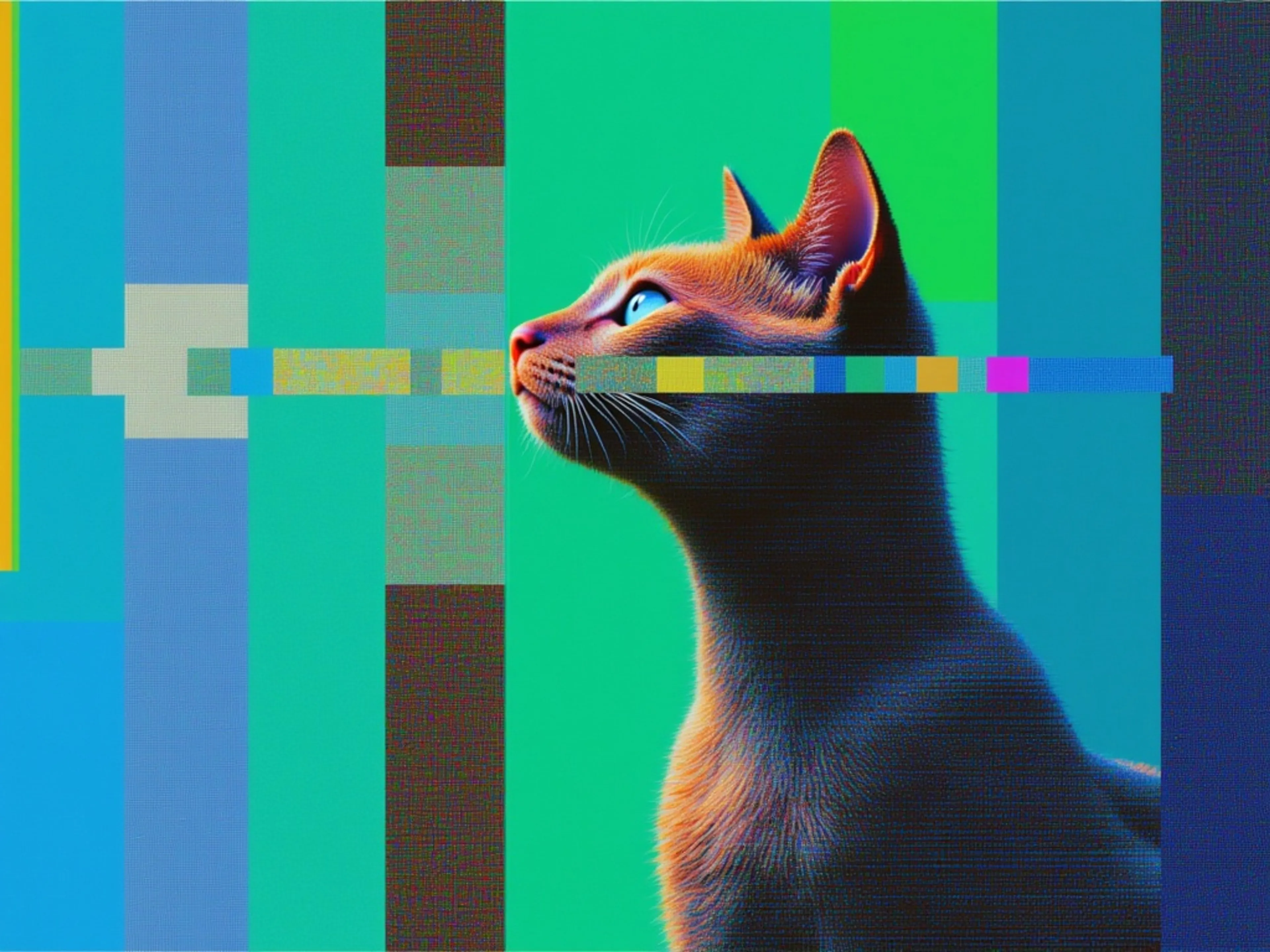
meta/muse-image/text-to-image
Meta's Muse Image model has faithful instruction-following and exceptional visual fidelity, with fine details like text, plots, and QR codes rendered accurately.
realism
typography
stylized
text-to-image
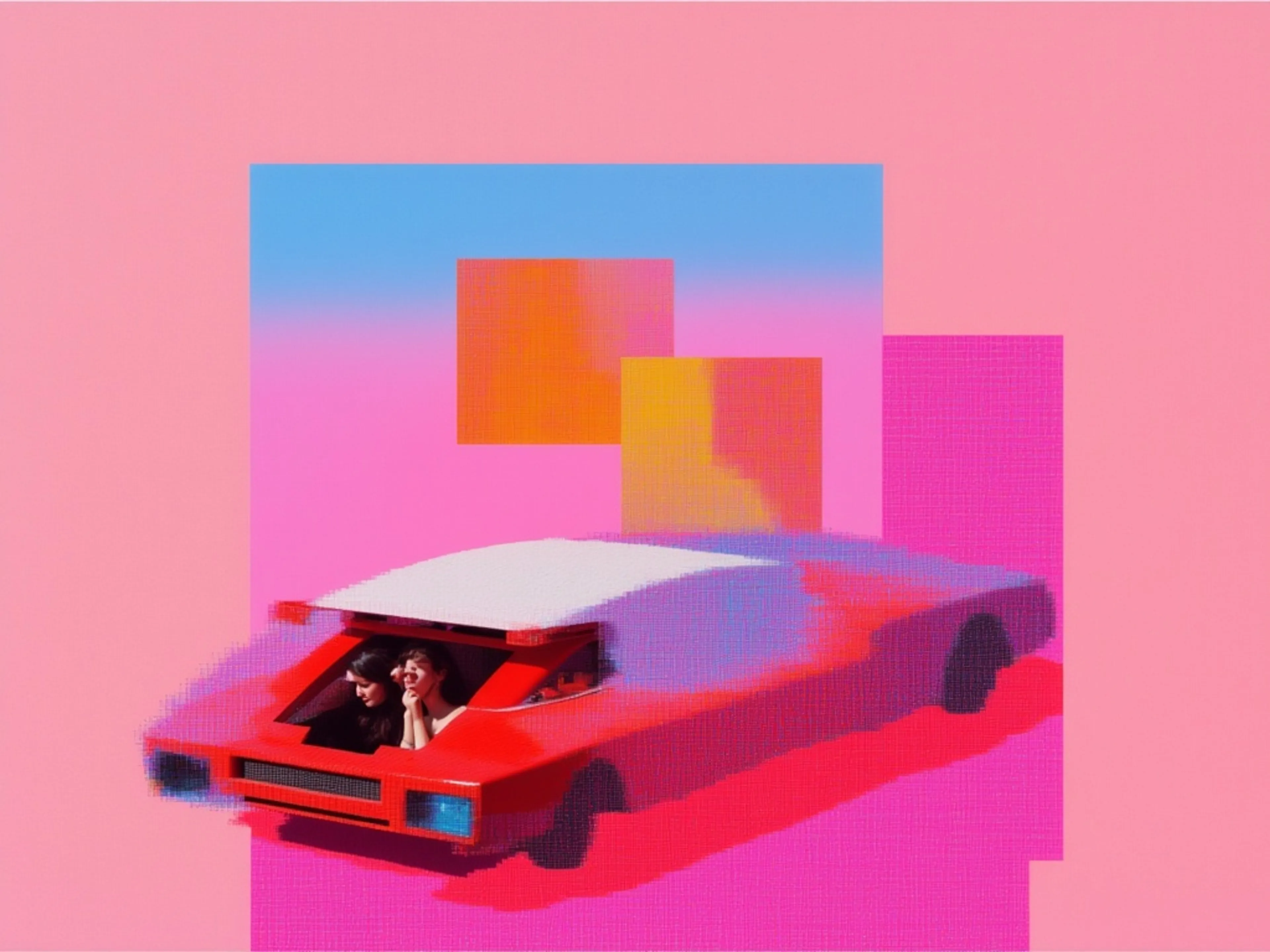
Nano banana lite is the efficiency-focused model in the image generation family. Sub-2 second latency with cost-effective generation and editing, fast multi-turn local edits, and 14 supported aspect ratios.
text-to-image
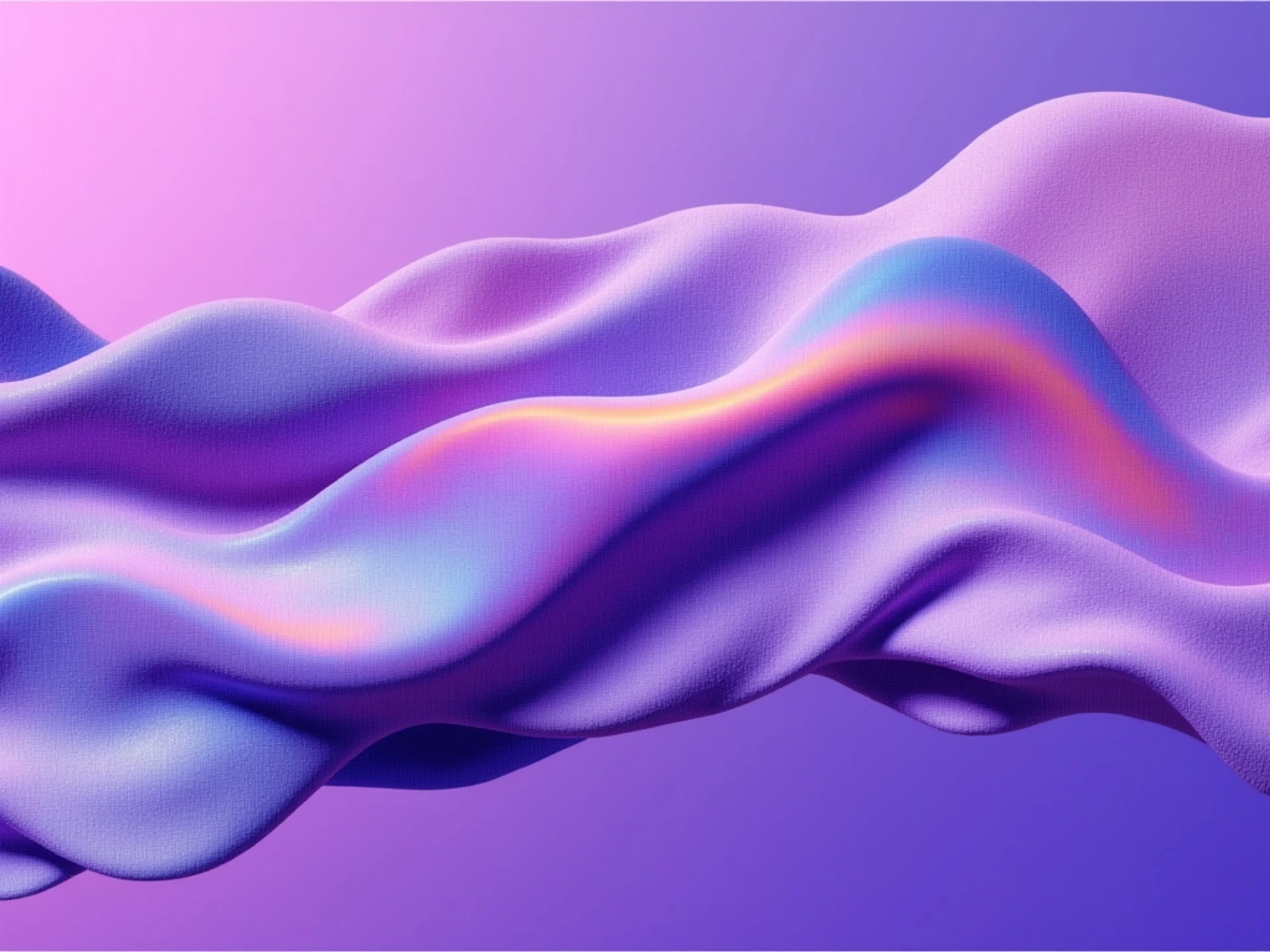


Generate highly aesthetic images with xAI's Grok Imagine Image generation model.
xai
grok
text-to-image
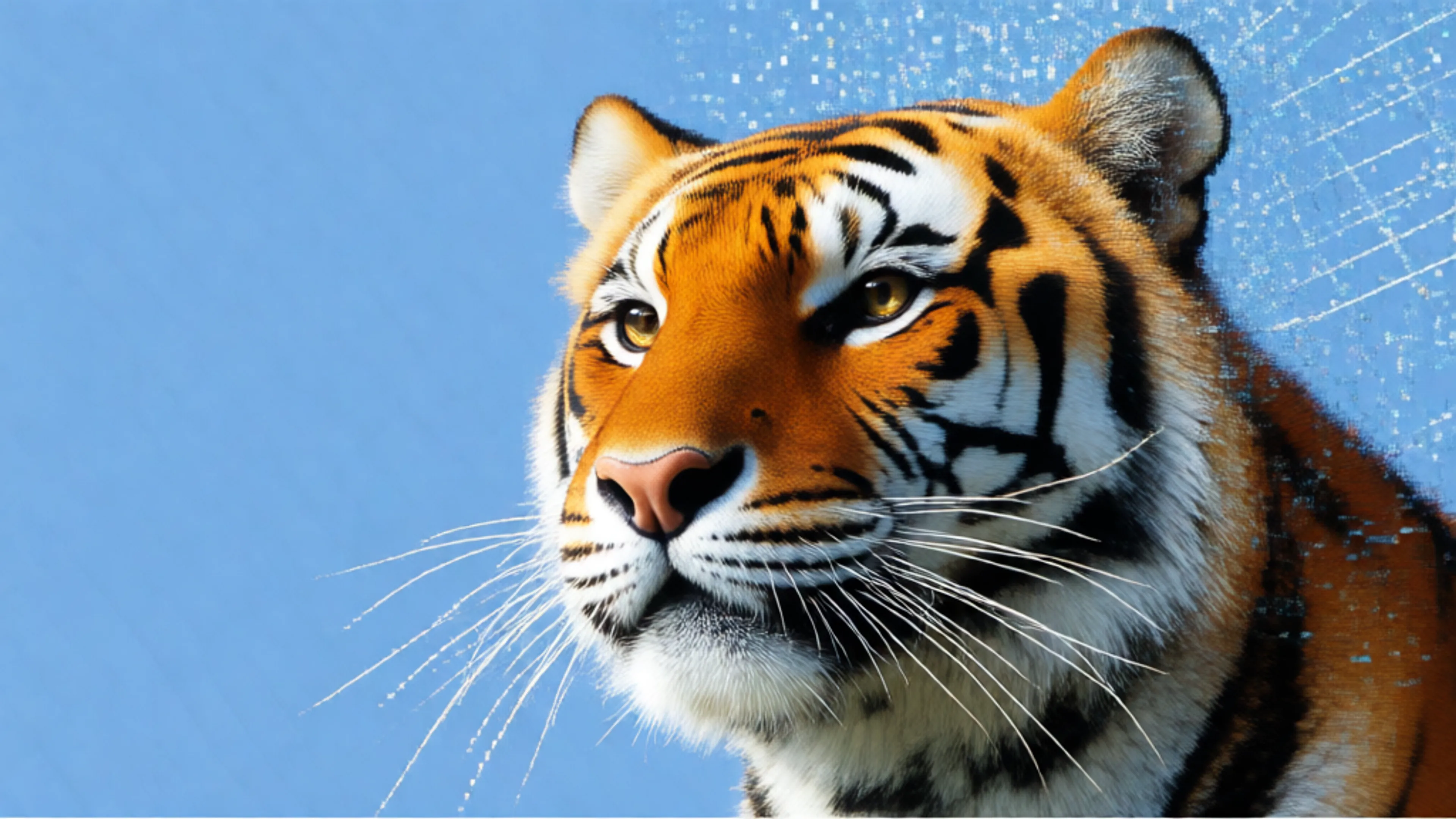


Generate high-quality images, posters, and logos with Ideogram V3. Features exceptional typography handling and realistic outputs optimized for commercial and creative use.
realism
typography
text-to-image
Showing 1 to 24 of 228 results
How does a text-to-image API call work on fal?
Text-to-image endpoints on fal return an array of image URLs. The call shape stays the same across all models on this page.
jsimport { fal } from "@fal-ai/client";

const result = await fal.subscribe("fal-ai/nano-banana-2", {
  input: {
    prompt: "A photorealistic Tokyo cafe at golden hour"
  }
});

console.log(result.data.images[0].url);
You install @fal-ai/client, export FAL_KEY, and call any endpoint by its model string. Swapping to openai/gpt-image-2 or bytedance/seedream/v4.5/text-to-image is then only a one-line change.
Which fal models render reliable typography inside images?
In-image typography is a real differentiator for a few models on fal.
- GPT Image 2 was built around accurate text rendering, with character-by-character precision across Latin scripts and CJK.
- Nano Banana 2 validates typography through Gemini 3.1 Flash Image’s reasoning step, with text generated as part of the scene.
- Nano Banana Pro extends that capability through the full Gemini 3 Pro Image foundation.
Use these models when you need readable text inside the image itself, such as posters, ads, product mockups, UI screens, packaging, logos, or multilingual creative assets.
Which models on fal are tuned for photoreal output?
The FLUX 1.x and FLUX 2 families anchor most photoreal workflows on fal.
- FLUX 1.1 [pro] ultra reaches 2K resolution with refined photorealism, fit for editorial and print work where surface texture matters.
- FLUX.2 [dev] delivers enhanced realism and detail control through Black Forest Labs’ second-generation architecture.
- GPT Image 2 reasons about lighting and material properties before rendering, which holds up in scenes with reflective surfaces and complex shadow geometry.
Pick these models when realism, lighting, surface detail, camera feel, and material accuracy matter more than raw generation speed.
Which fal models handle high-volume and fast generation?
Several models on fal are tuned for fast, low-cost text-to-image generation.
- FLUX.1 [schnell] runs in 1 to 4 inference steps and prices per megapixel, favorable for batches of small images.
- FLUX.2 [klein] 9B is a smaller FLUX.2 variant with the same editing capabilities at a lower parameter count.
- Z-Image Turbo is a 6B parameter model from Tongyi-MAI built for super fast text-to-image generation.
- Seedream 5.0 Lite is ByteDance’s fast tier of Seedream 5.0, with generation and editing optimized for speed.
- Nano Banana 2 sits in the middle ground when both speed and image quality factor into the call.
A common workflow is to use faster models for prompt exploration and high-volume drafts, then send only the best candidates to higher-fidelity models for final output.
How is text-to-image pricing structured on fal?
Pricing on text-to-image models is per output, with rates set by the model and resolution. Some models charge per megapixel, while others charge per image based on quality or size.
| Model | Price |
|---|---|
| FLUX.1 [schnell] | $0.003 / megapixel |
| Nano Banana 2 | $0.08 / image at 1K |
| Nano Banana Pro | $0.15 / image |
Nano Banana 2 supports higher-resolution pricing, with 2K and 4K outputs scaling at 1.5x and 2x the 1K rate.
You should also include add-ons in your calculations. Nano Banana 2 charges an extra $0.015 per generation for web search grounding and $0.002 for high-tier thinking, while GPT Image 2 uses quality-tier billing across low, medium, and high settings.