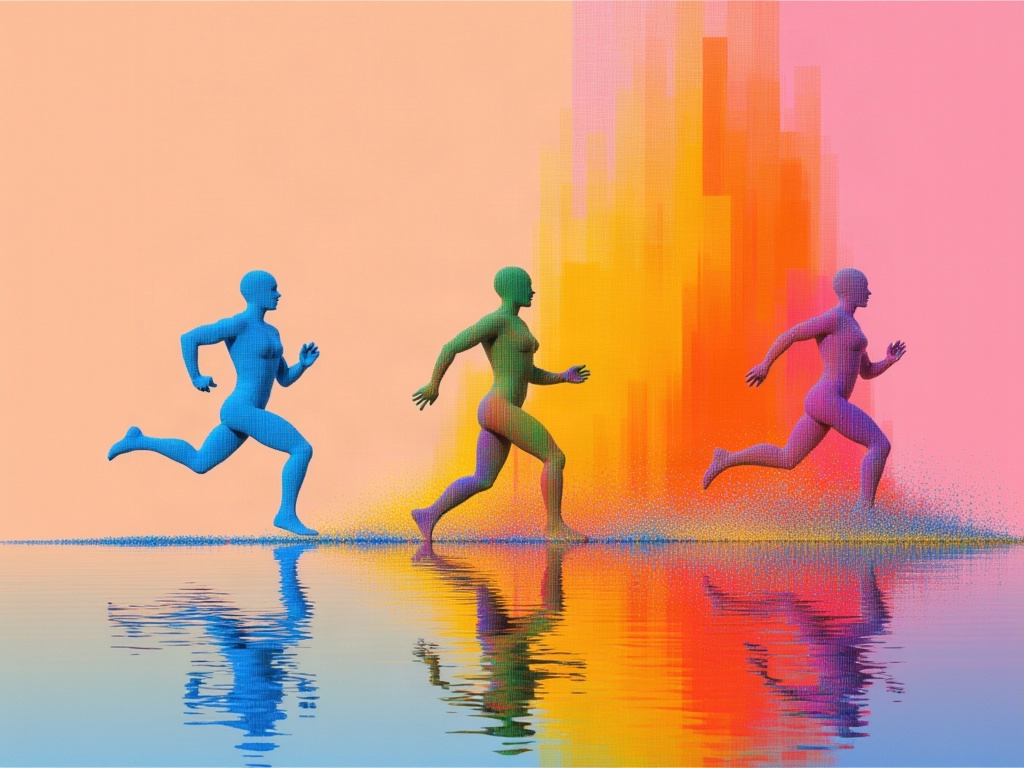
Four LTX VFX endpoints are now available on the fal API, built for the stage after generation, where footage still has to be keyed, graded, reframed and delivered. SDR to HDR, Alpha Gen, Reframe and Upscale return outputs you can keep working on: 16-bit scene-linear EXR in ACEScg, ProRes 4444 with alpha, and 4K or 8K masters that match the spec.
There's no good-enough result in post-production. Either the output survives at full resolution or it doesn't. These endpoints give you the data to keep going: full resolution, full dynamic range, still yours to shape. Build them into your own tools through the API and get output ready for the next step in your workflow.
SDR to HDR: Old Footage, New Delivery Spec
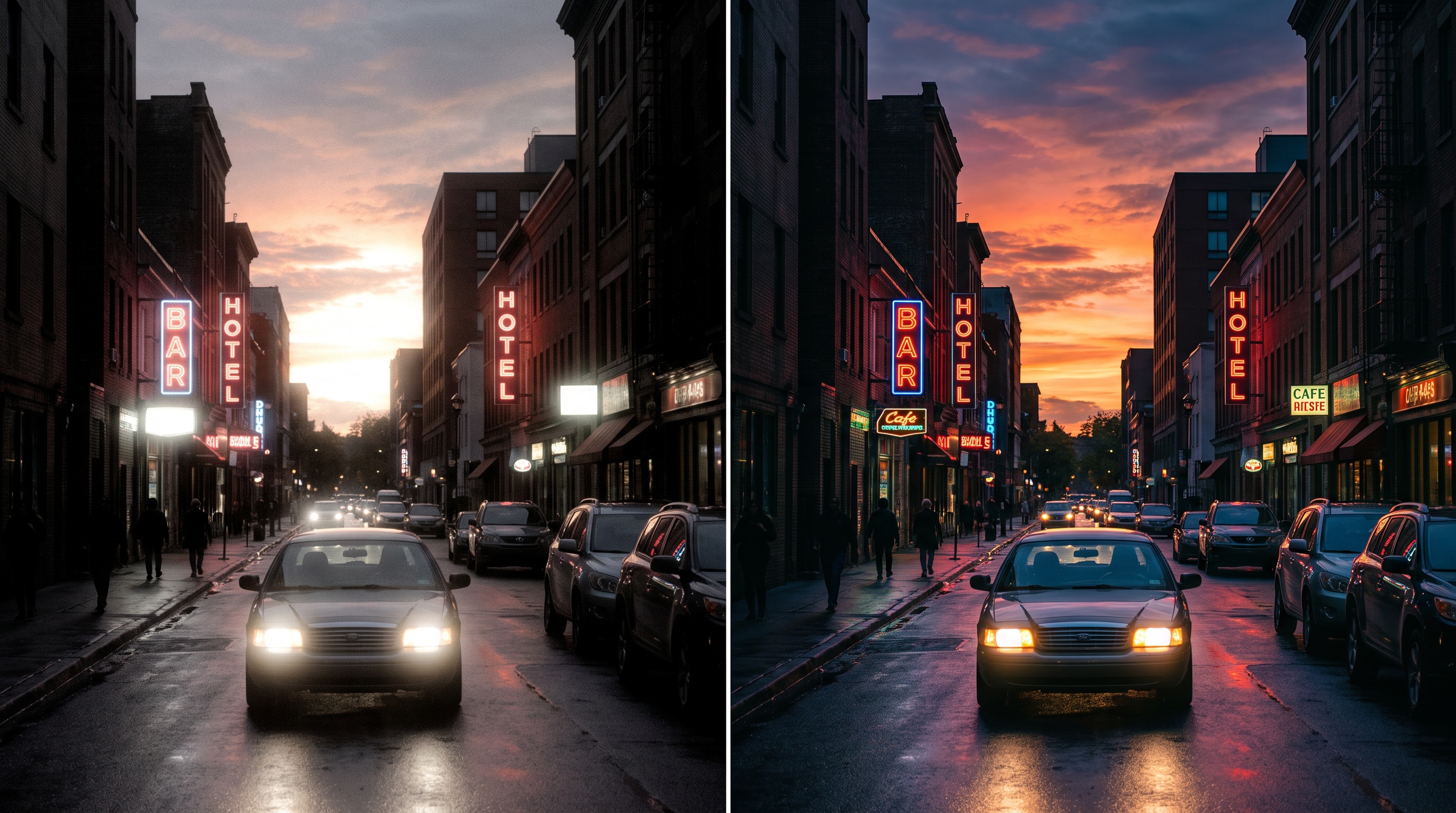
Your archive was shot for SDR. The deliverable isn't. SDR to HDR turns 8-bit footage into 16-bit scene-linear EXR in ACEScg. Colorists get the latitude to grade shadows and highlights inside a color-managed pipeline.
This isn't a filter. LTX reasons about how the scene was actually lit, so the range it returns comes from understanding how things look, not from stretched pixels.
Input: SDR video. Clip length depends on the resolution tier: about 7 seconds up to 1080p, 4 seconds up to 1440p, and 2 seconds up to 4K (24fps). Output: a ZIP of per-frame EXRs. Try SDR to HDR on fal
Alpha Gen: Hair Doesn't Have to Break the Matte
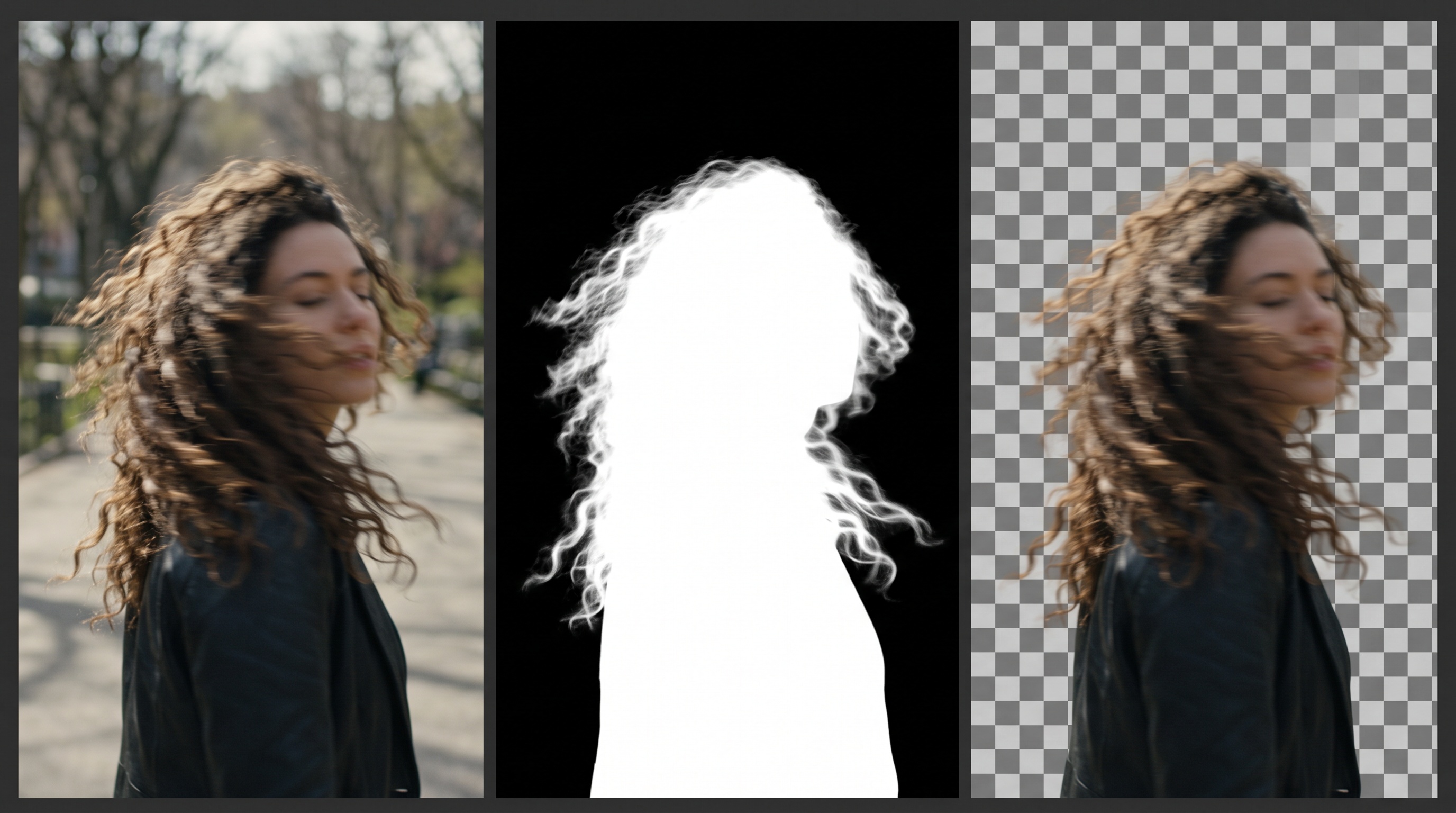
Hair and motion blur are where mattes fail. Alpha Gen returns a frame-matched grayscale matte with partial transparency at up to 4K, so the comp holds at the edge. It also returns a ready-to-composite cutout: your input as a ProRes 4444 .mov with the matte as a straight alpha channel.
A clean matte through fine hair and a blurred limb is a test of whether a model knows where the subject ends and the world begins. Pattern-matching fails that test. Understanding the scene is how it holds.
Input: existing video up to about 2 minutes at 24fps, up to 4K. Output: matte_video and cutout_video, both frame-for-frame with the source. Try Alpha Gen on fal
Reframe: One Master, Every Ratio
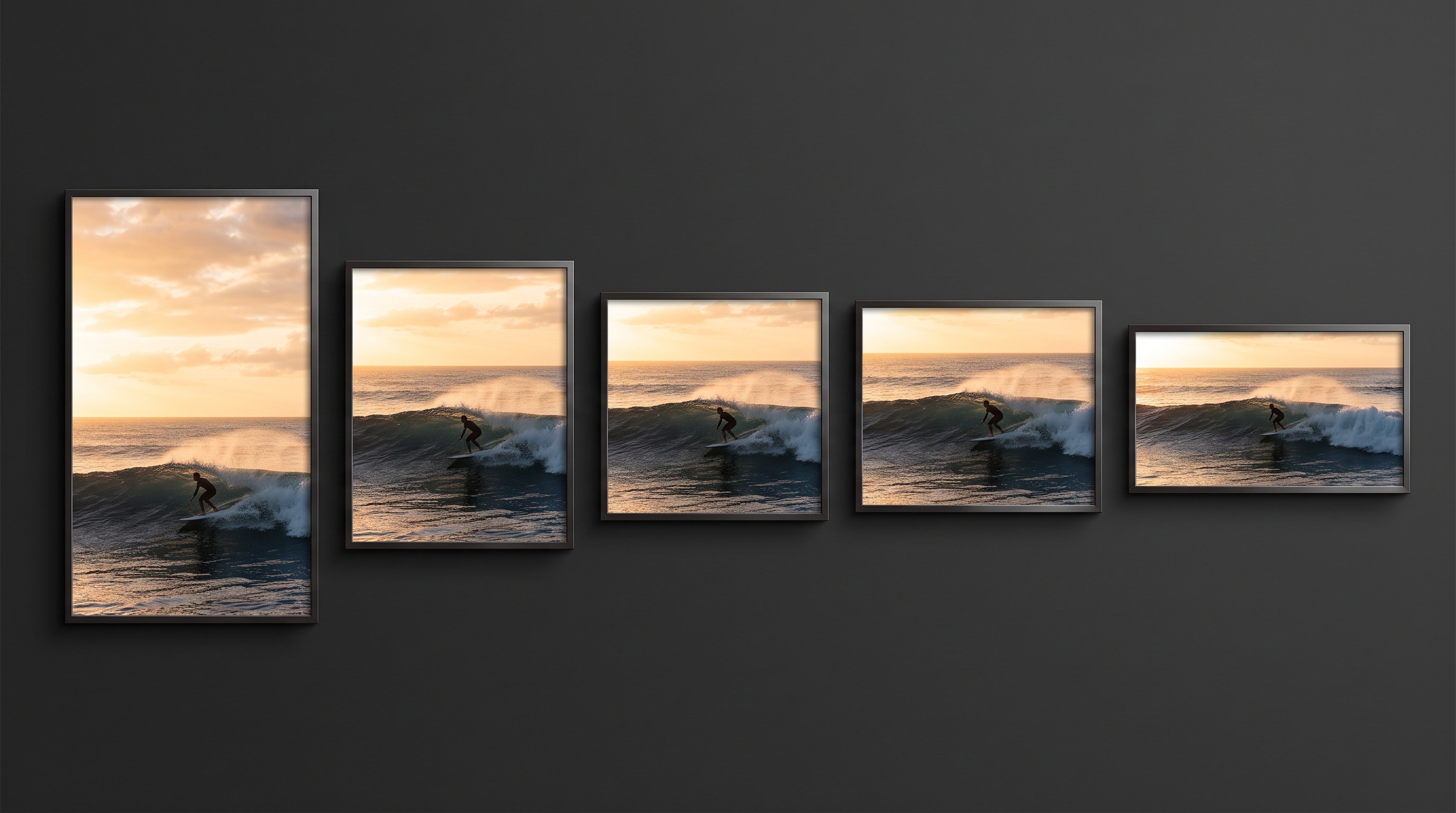
The hero shot still has to work in square, portrait and widescreen. Reframe generates the missing frame content for five ratios (1:1, 4:5, 5:4, 9:16 and 16:9, at 720p and 1080p), so one master serves every platform.
Reframe doesn't crop. The whole source is always kept, and the new frame is filled with generated content around it. It continues the scene, generating what lies beyond the original frame and keeping it consistent across motion and time. You can control where the source sits in the new frame, either with an anchor such as top, or with an exact rectangle.
Input: clips up to 60 seconds. Try Reframe on fal
Upscale: The Take You Can't Reshoot, Now at 4K and 8K
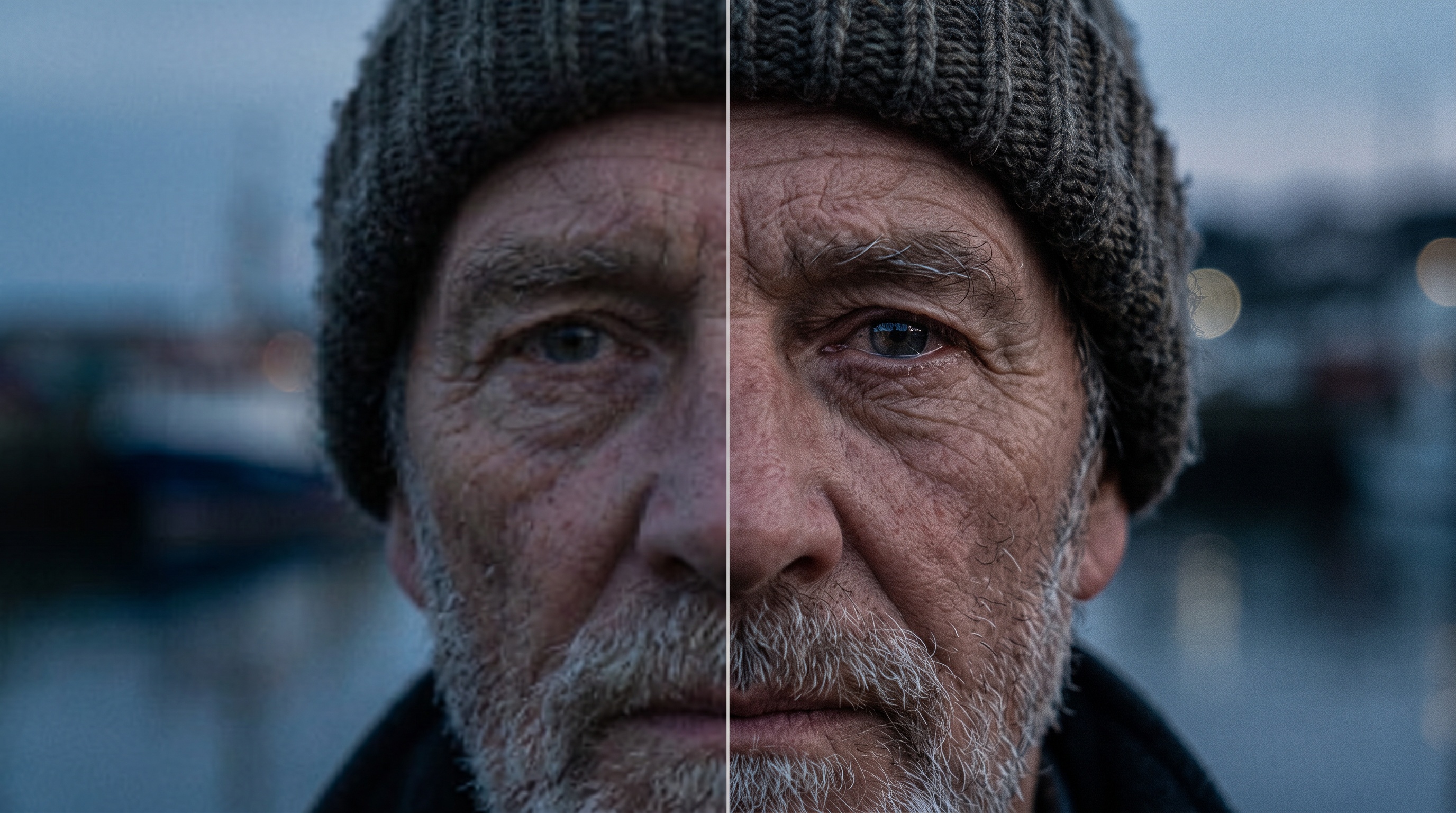
Soft or compressed footage can't carry a final master. Upscale lifts it to 1080p, 4K or 8K, keeping the aspect ratio and audio, so the master matches the spec.
Upscale recovers detail by recognizing what things are, not by interpolating pixels. That is what makes 4K and 8K masters practical at pipeline scale.
Input: H.264 or HEVC. Clip length scales with the target: about 100 seconds at 1080p, 25 seconds at 4K and 10 seconds at 8K (24fps). Try Upscale on fal
Built for the Real Pipeline, Available on fal
All four endpoints are available on fal alongside LTX-2.5. Key the subject with Alpha Gen, reframe the shot for every platform, grade it in HDR with SDR to HDR, and deliver it at 4K or 8K with Upscale.
| Endpoint | What it does | Output |
|---|---|---|
| SDR to HDR | Converts 8-bit SDR to scene-linear HDR | ZIP of 16-bit EXR frames (ACEScg) |
| Alpha Gen | Generates a matte with partial transparency | Matte video + ProRes 4444 cutout with alpha |
| Reframe | Extends the frame to a new aspect ratio | 1:1, 4:5, 5:4, 9:16 or 16:9 at 720p/1080p |
| Upscale | Recovers detail at higher resolution | 1080p, 4K or 8K master with audio |
Built by LTX. Available on fal.
falMODEL APIs
The fastest, cheapest and most reliable way to run genAI models. 1 API, 100s of models