


H3 Max Lip SyncAI lip sync from one photo and any audio
H3 Max Lip Sync is an AI lip sync model that turns a single image and an audio file into a talking video. Send a photo, an illustration or a painting plus 5 to 15 seconds of speech, and it returns the picture saying those words with mouth movement matched to the soundtrack, in any language, at up to 2K. It is the lip-sync endpoint of H3 Max, post-trained by fal from MiniMax H3, and it is live on fal from $0.05 per second.
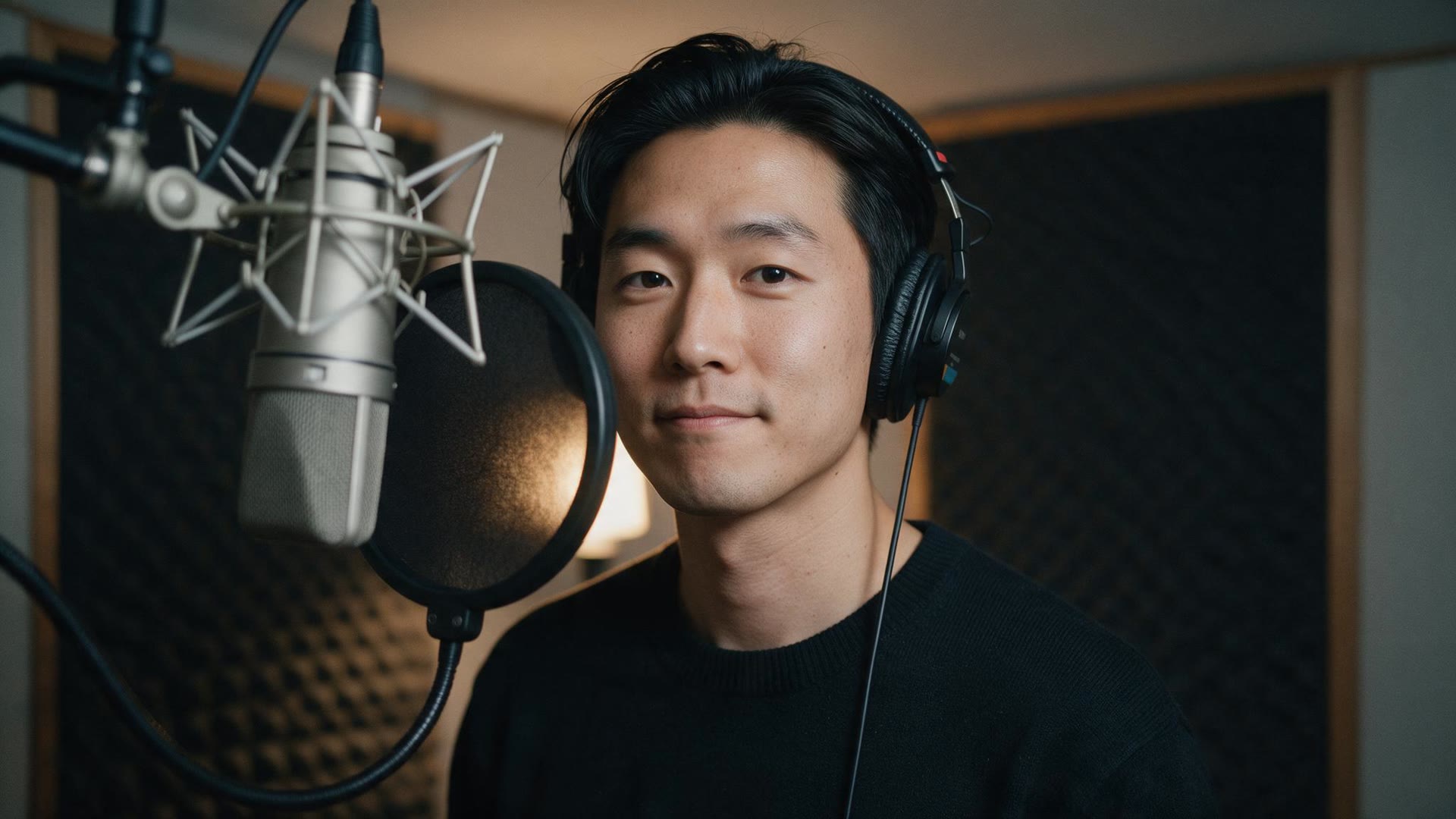
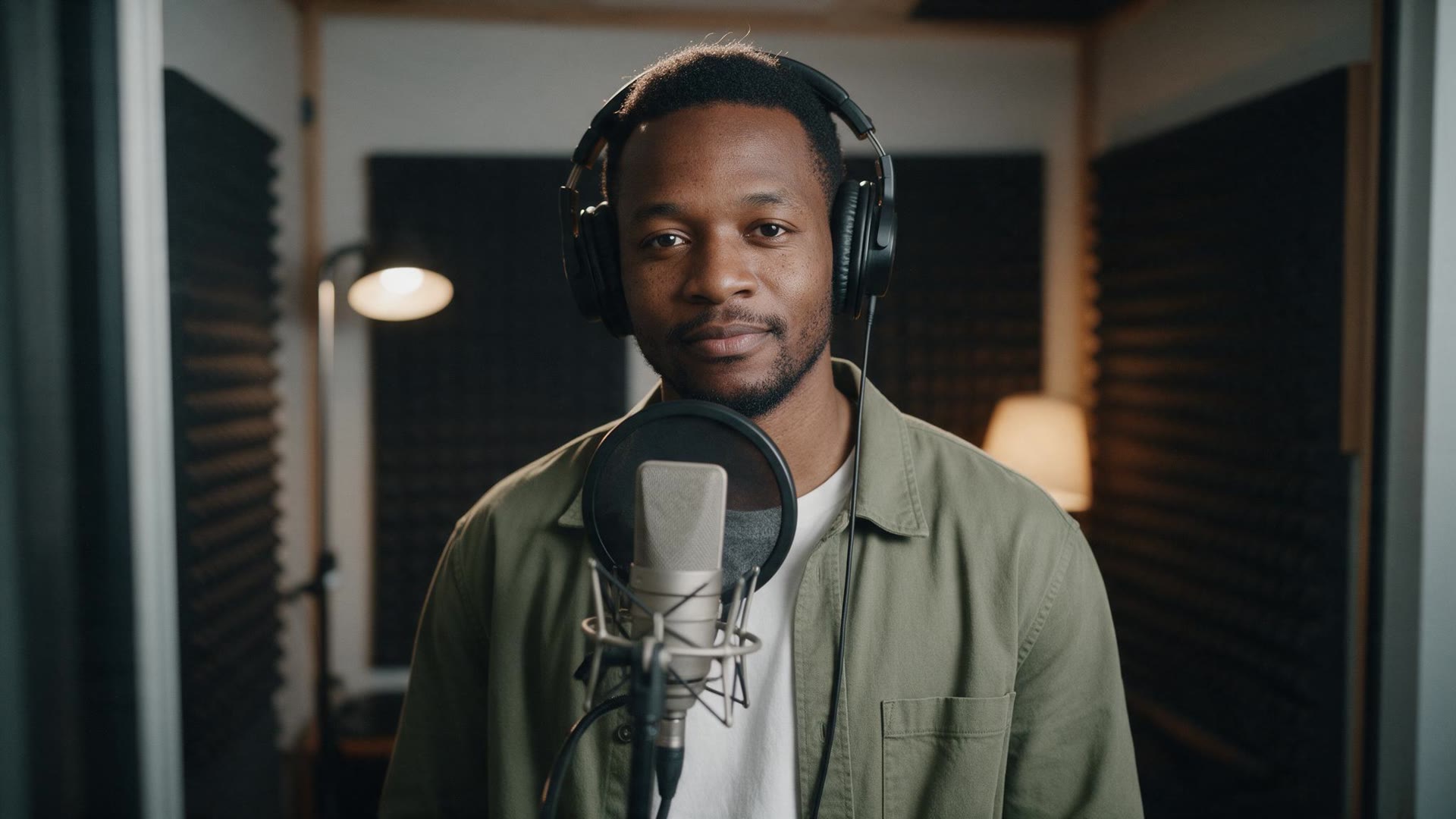
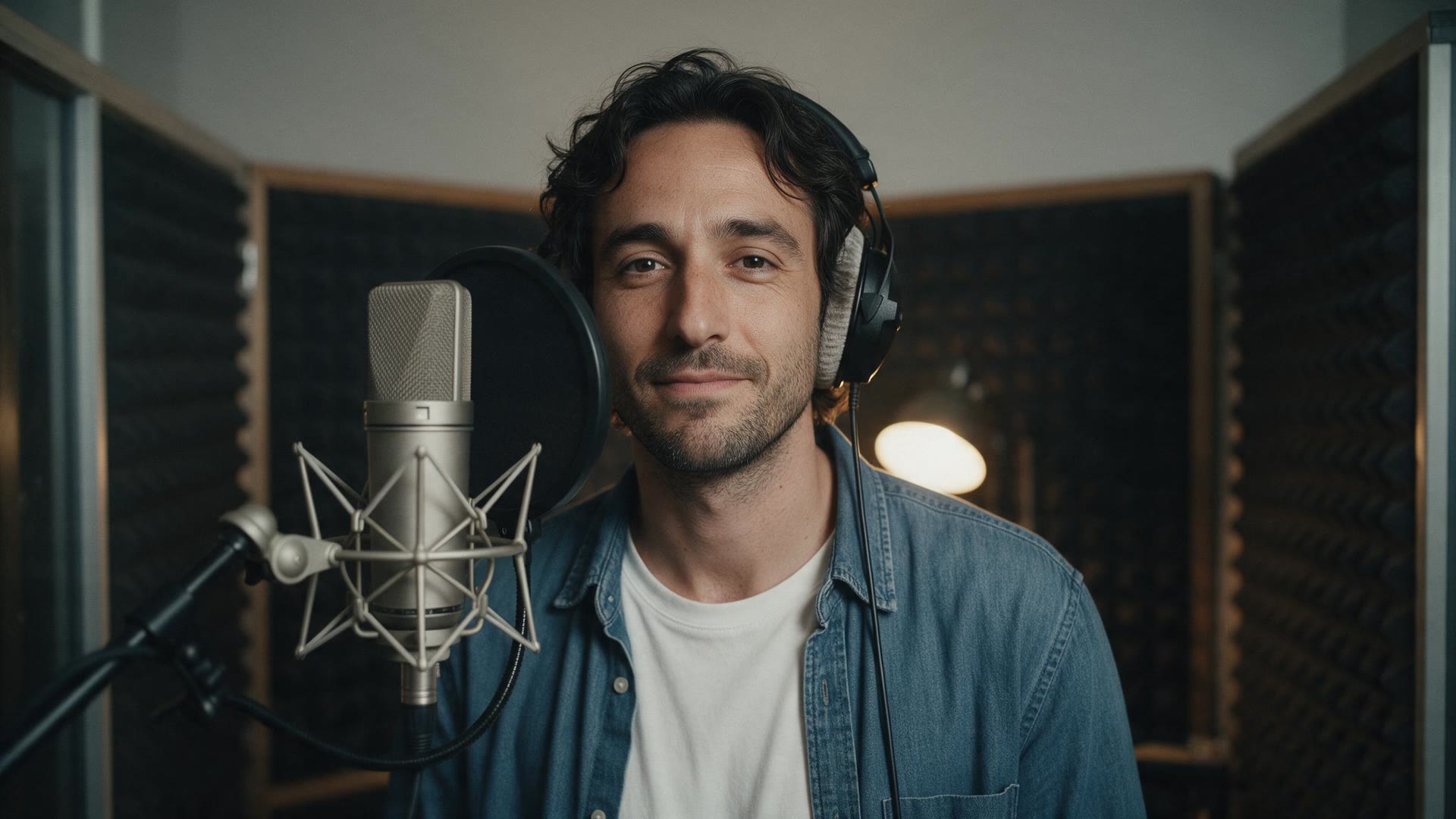
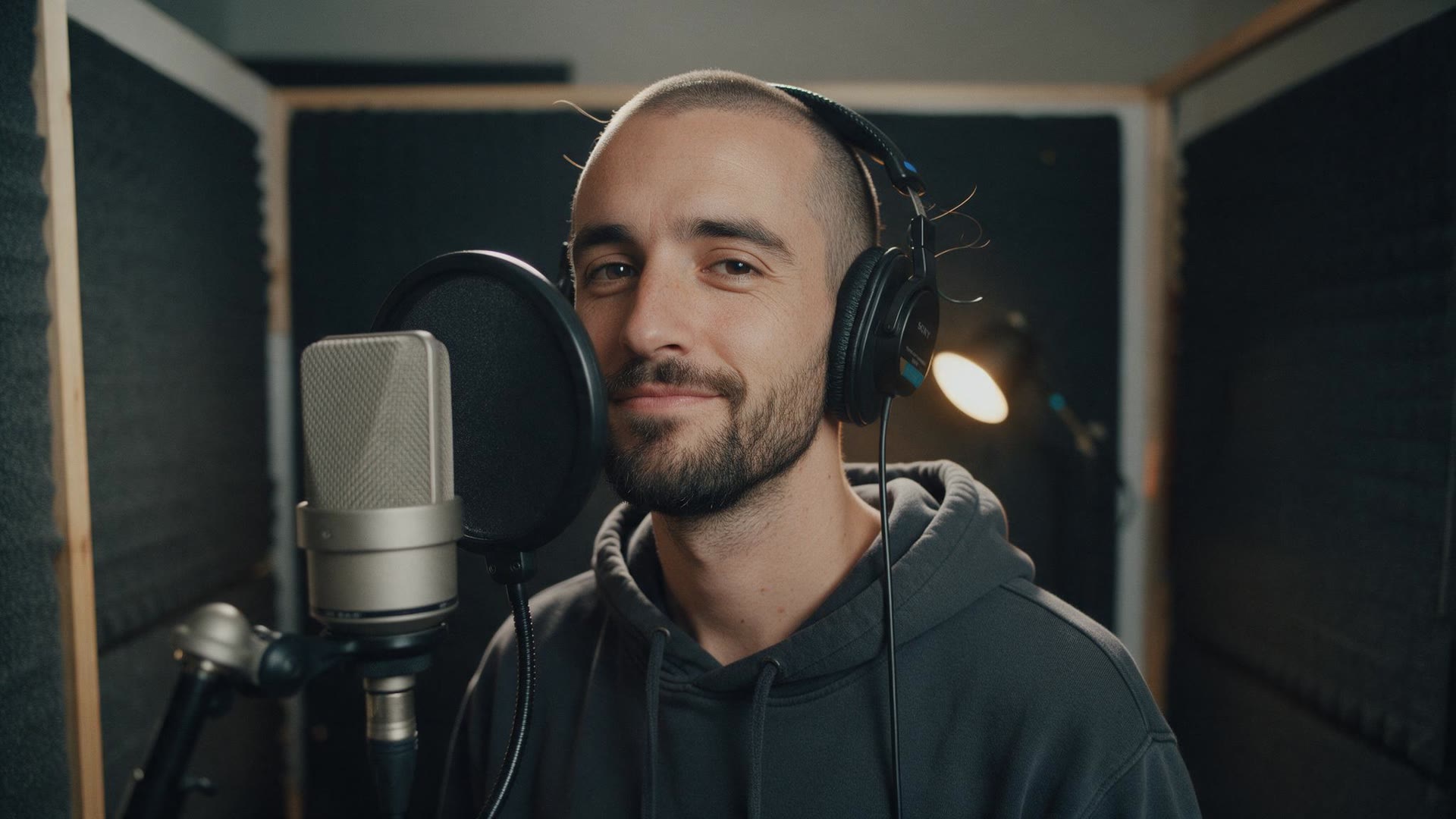


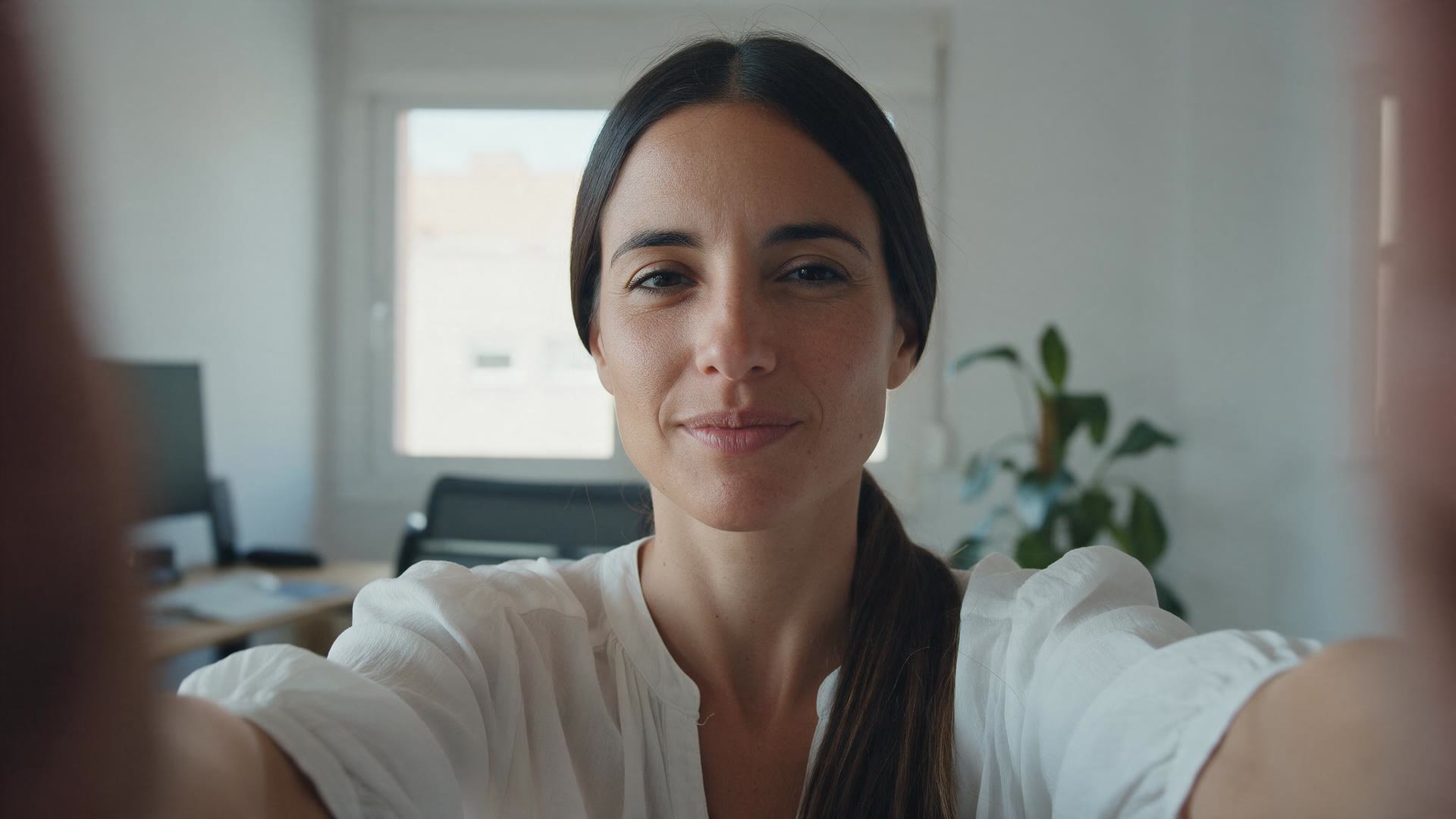
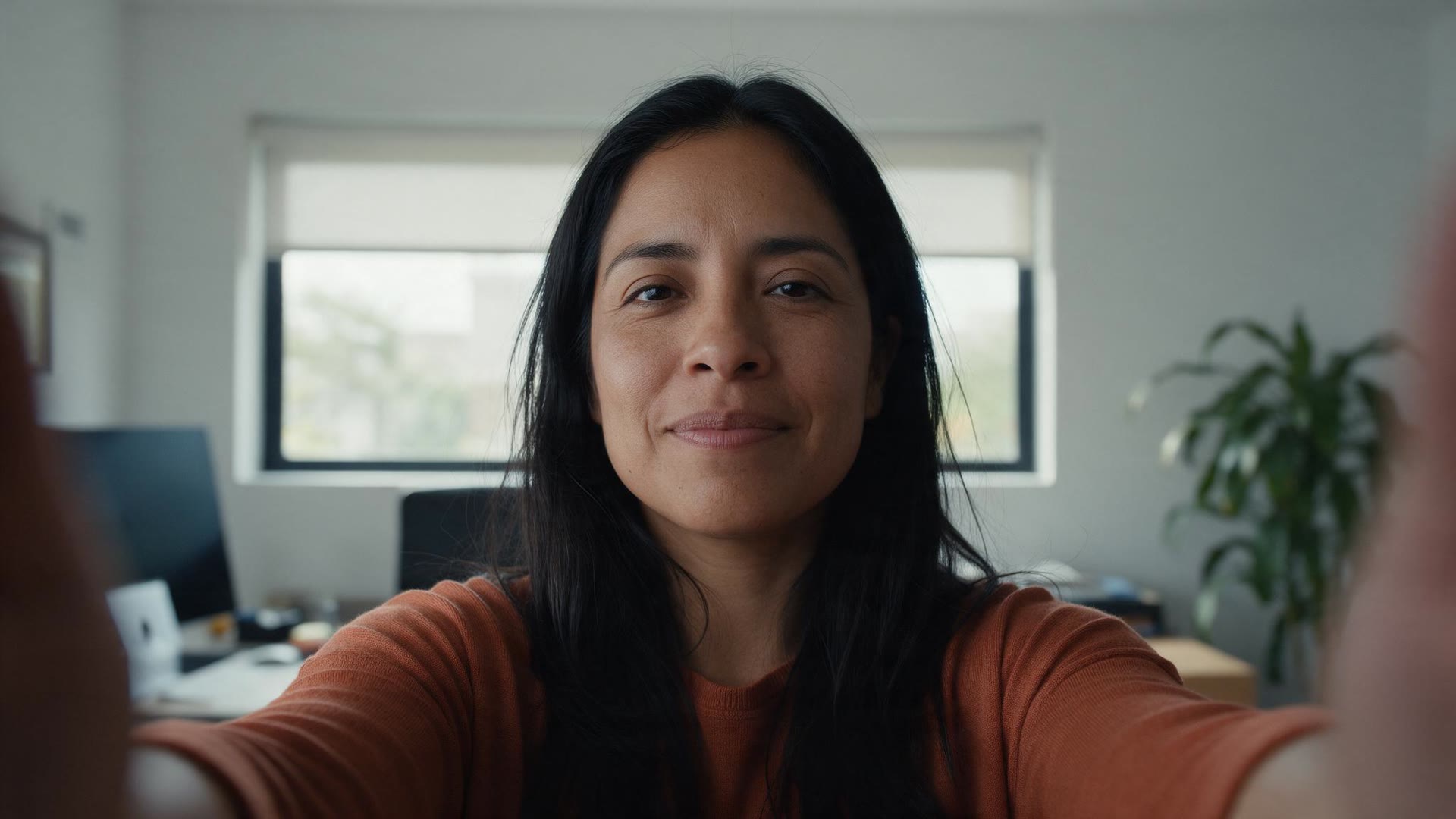
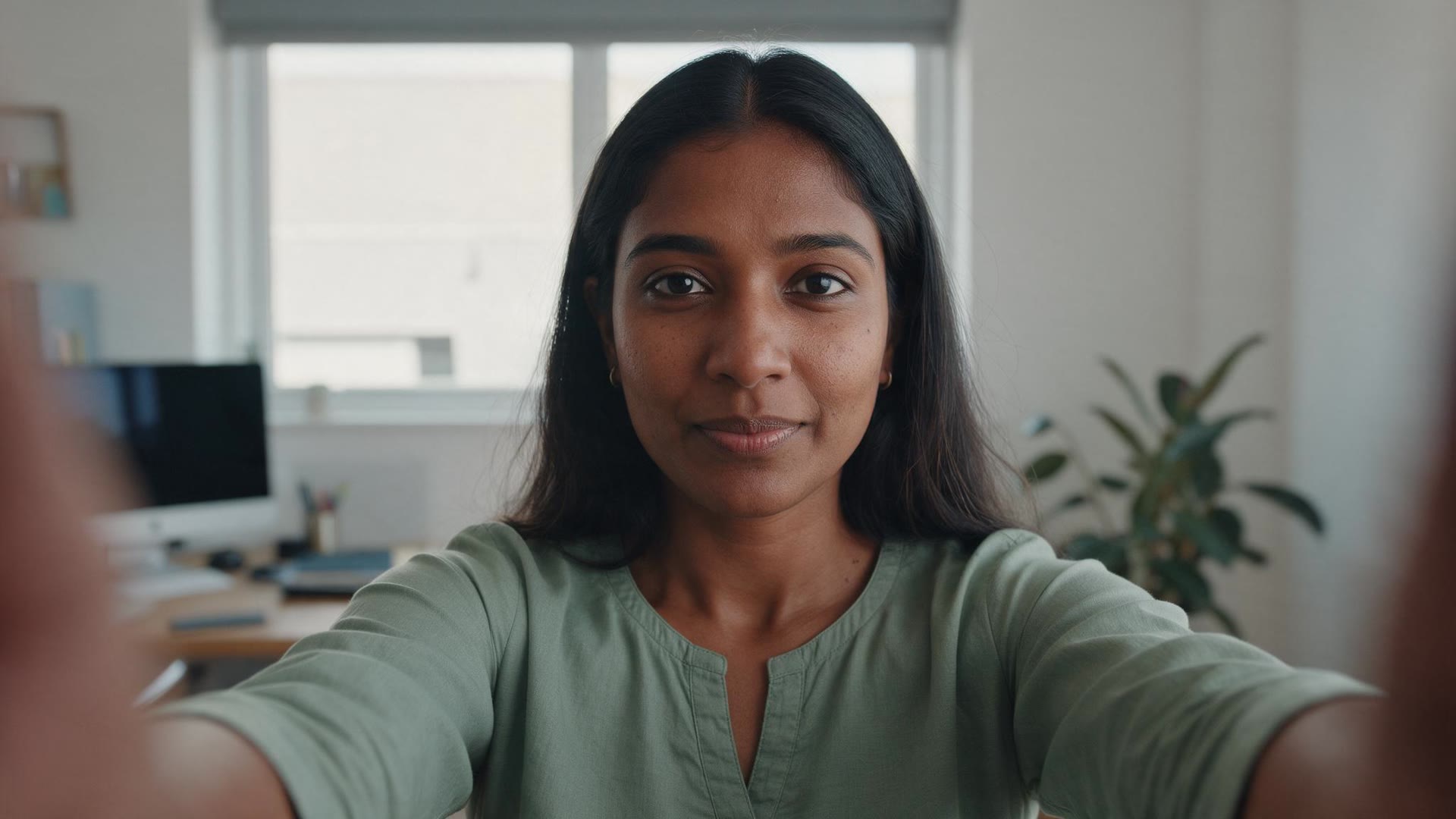



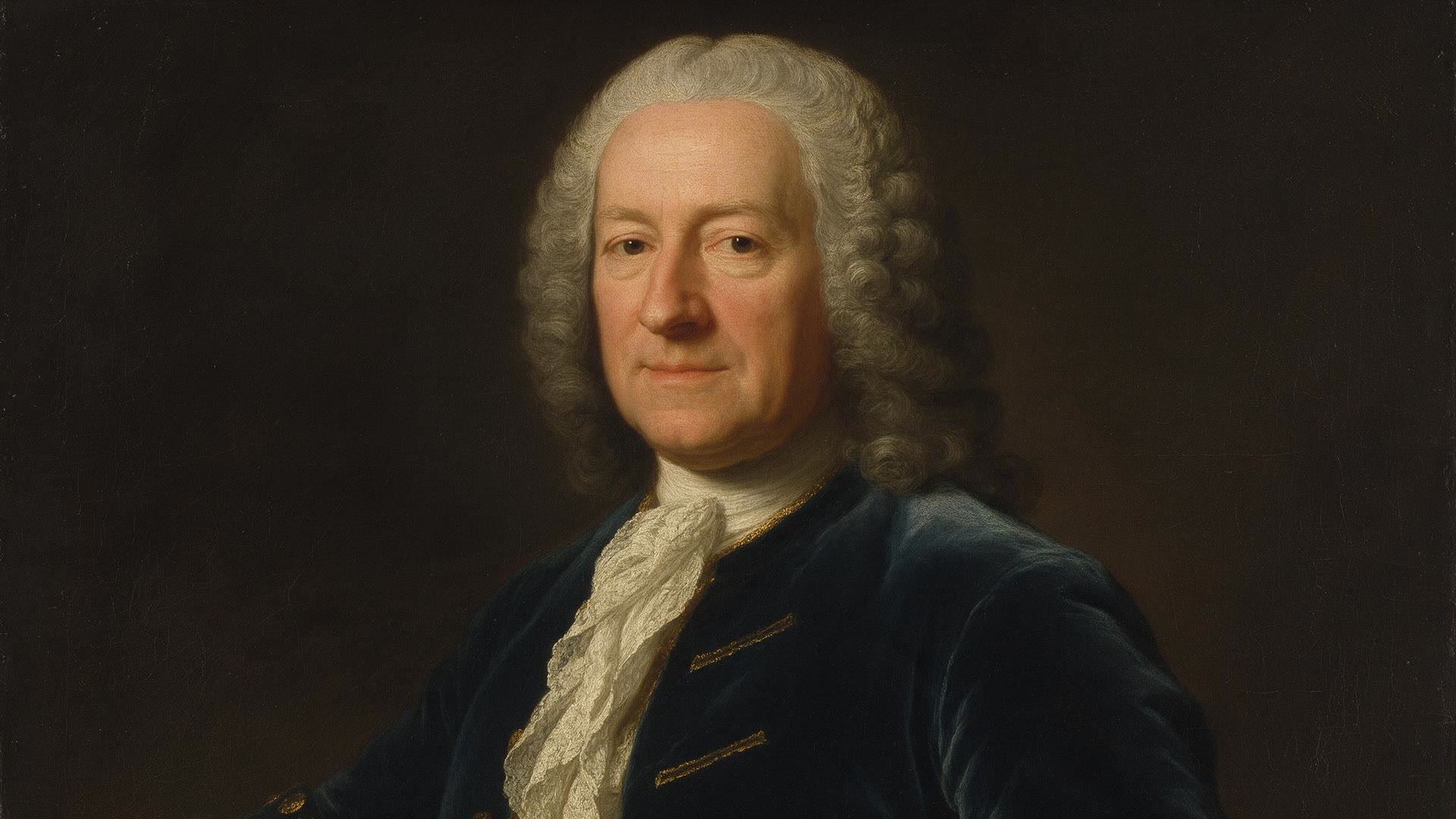
Four source images, one song. Press All four and watch each image become its own lip-synced video, one at a time.
Every face here is AI-generated. Each clip is H3 Max Lip Sync's output for that image and that audio file. The four singers share one song; the spoken lines are MiniMax Speech 2.8 HD voices describing this endpoint, with a light music bed mixed in afterwards for the demo.
How does AI lip sync with H3 Max Lip Sync work?
One request, one talking video back. You send an image URL and an audio URL; the endpoint returns a video of the face speaking the audio, the seed it used, and the output duration.


Start building with the H3 Max Lip Sync API
Image plus audio in, lip-synced video out. Resolutions from 480p to 2K, 5 to 15 seconds per request, billed per second of output.



What can H3 Max Lip Sync do?
Photos, illustrations and paintings all speak
H3 Max Lip Sync animates whichever face you give it, with no rig, no reference video and no training step.
- Photographs, 3D renders, 2D illustrations and paintings
- Aspect ratios from 0.4 to 2.5: vertical, square and wide frames
- Framing, expression and lighting stay as they are in the source image
Mouth shapes that follow the words, in any language
The endpoint transcribes the audio you send and uses the transcript to guide the lip sync, so consonants land on the right frames in Japanese, Spanish or German as much as in English.
- Transcription-guided sync is on by default
- Set enable_transcription to false to sync to the waveform alone, for singing or heavily processed audio
- The output keeps your original soundtrack
Four resolutions, from 480p to 2K
Pick the output size per request; the endpoint renders at the supported aspect ratio nearest your image.
- 480p and 768p for previews and social feeds
- 1080p and 2K for hero shots and broadcast
- Priced per second at each tier, so previews stay cheap
5 to 15 seconds in a single generation
Send audio of 5 seconds or more and the video comes back the same length, up to 15 seconds per request.
- Audio over 15 seconds is clipped to its first 15 seconds
- Pass a seed to reproduce a take exactly
- Content safety checks run on every request


What are examples of H3 Max Lip Sync?
Six outputs from the four source images above, unedited, with the line each audio file said quoted beside it so you can check the mouth against the words. Turn the sound on.
Presenter: what it does
"This is fal H3 Max Lip Sync. Give it one photo and a few seconds of audio, and it returns a talking video with the mouth matched to every word."
Founder: the API call
"H3 Max Lip Sync é uma única chamada de API na fal: a URL de uma imagem, a URL de um áudio e a resolução. De cinco a quinze segundos de áudio, e um vídeo pronto de volta."
Animated tutor: transcription-guided sync
"The endpoint listens first. It transcribes your audio, then shapes every syllable to the words, in whatever language you speak."
Oil painting: any face, any language
"On m'a peint il y a deux cents ans, et fal H3 Max vient de m'apprendre à parler. Un portrait, un enregistrement, et me voici."
Founder: the API call
"H3 Max Lip Sync ist ein einziger API-Aufruf bei fal: eine Bild-URL, eine Audio-URL und die Auflösung. Fünf bis fünfzehn Sekunden Audio hinein, ein fertiges Video heraus."
Four singers, one audio file
"We shine, we rise, like the fireworks across the sky. Stay close, break through, there's a little more magic."
What does H3 Max Lip Sync cost?
Billing is per second of output video, priced by resolution, with no minimums and no subscription. A 5-second clip at 768p costs $0.40; a 10-second clip at 2K costs $2.55.
| Resolution | Price per second | 10-second clip |
|---|---|---|
| 480p | $0.05 / second | $0.50 |
| 768p | $0.08 / second | $0.80 |
| 1080p | $0.16 / second | $1.60 |
| 2K | $0.255 / second | $2.55 |
The output runs as long as the audio, so the bill is the audio length times the rate for the resolution you pick. 768p, at $0.08 per second, is the default. Full fal pricing is on the pricing page, and the endpoint's current rate is on its model page. Information updated as of September 17, 2026.



How to use the H3 Max Lip Sync API
Two required inputs, image_url and audio_url, plus resolution, enable_transcription and seed. The client handles the queue: submit, status updates, and the result when the request completes.
import { fal } from "@fal-ai/client";

const result = await fal.subscribe("minimax/h3-max/lip-sync/image-to-video", {
  input: {
    // Any face: a photo, an illustration or a painting, aspect ratio 0.4 to 2.5.
    image_url: "https://example.com/portrait.jpg",
    // 5 to 15 seconds of speech. Longer audio is clipped to its first 15 seconds.
    audio_url: "https://example.com/line.mp3",
    resolution: "1080P", // 480P | 768P | 1080P | 2K
  },
  logs: true,
  onQueueUpdate: (update) => {
    if (update.status === "IN_PROGRESS") {
      update.logs.map((log) => log.message).forEach(console.log);
    }
  },
});

console.log(result.data.video.url);
// The output runs as long as the audio: result.data.duration in seconds.
console.log(result.data.duration, result.data.seed);

Where do teams use AI lip sync?
Anywhere a face needs to say something new: H3 Max Lip Sync turns one image and a voice track into the finished clip, so the shoot, the reshoot and the animation pass all drop out of the schedule.
Spokesperson videos from a single headshot
Record the script once, or generate it, and produce a presenter video for every campaign variant without booking a shoot.
Lessons that speak every language you teach
Turn an instructor's photo into a talking tutor and re-render the same lesson in each language your learners need.
One presenter, every market
Pair a translated voice track with the original presenter's photo and ship a native-looking version for each region.
Characters that read their lines
Give concept art or a rendered character its dialogue and get a lip-synced performance for cutscenes, previews and social clips.
Portraits that tell their own story
Let a painting or an archival photograph narrate its history for an exhibit, an audio guide or a classroom.
Talking avatars for onboarding and help
Generate walkthroughs and answers as short talking-head clips from one brand avatar, refreshed whenever the script changes.


Common questions about H3 Max Lip Sync
What is H3 Max Lip Sync?
H3 Max Lip Sync is an AI lip sync model that generates a talking video from a single image and an audio file. It is part of fal's H3 Max family, post-trained by fal from the open-weight MiniMax H3, and it is available on fal as minimax/h3-max/lip-sync/image-to-video. Information updated as of September 17, 2026.
How do I make a photo talk with AI?
Upload the photo and an audio file of what it should say to H3 Max Lip Sync on fal, pick a resolution, and generate. The endpoint returns a video of the photo speaking the audio, with the mouth movement matched to the words, in about a minute for a 1080p clip. You can do it in the browser on the model page or from your own app through the API.
What kind of images work?
Any image with a visible face: photographs, 3D renders, 2D illustrations and paintings. The aspect ratio must be between 0.4 and 2.5, which covers vertical, square and wide frames. A clear, front-facing or three-quarter face with the mouth visible gives the cleanest sync.
How long can the audio be?
At least 5 seconds and up to 15 seconds per request. Audio longer than 15 seconds is automatically clipped to its first 15 seconds, and the output video matches the clipped audio's duration in a single generation. For a longer script, split the audio and generate each part from the same photo.
Which languages does it support?
Any language the audio is in. The endpoint transcribes the supplied audio and uses the transcript to guide the mouth shapes, which is what keeps the sync accurate across languages; the demo on this page runs English, Spanish, Japanese, French, Portuguese, German and Italian from the same four images. If transcription would struggle with your audio, turn it off and the model syncs to the waveform alone.
What does enable_transcription do?
When it is on, the default, the endpoint transcribes your audio and uses the words to guide lip synchronization. When it is off, it synchronizes to the audio signal without a transcript. Leave it on for speech; turn it off for singing, sound-designed audio or anything a transcriber would misread.
What resolutions are available, and what does it cost?
480p, 768p, 1080p, 2K. Billing is per second of output video: $0.05 at 480p, $0.08 at 768p, $0.16 at 1080p and $0.255 at 2K, so a 5-second clip at 768p costs $0.40. There is no minimum and no subscription. The current rate is always on the model page. Information updated as of September 17, 2026.
Can it lip sync an existing video instead of a photo?
Not this endpoint: H3 Max Lip Sync is image to video, so it starts from a still. To replace the speech in footage that already exists, use a video-to-video model such as VEED Lipsync v2. To generate a new talking scene from reference images and a voice, use H3 Max reference to video.
How is H3 Max Lip Sync related to MiniMax H3 Max?
It is the lip-sync endpoint of the same model family. MiniMax H3 Max is fal's post-trained version of MiniMax H3, ranked first for image-to-video quality with audio; H3 Max Lip Sync applies that model to one job, driving a face from an audio track, and exposes only the controls that job needs: image, audio, resolution, transcription and seed.
Can I use H3 Max Lip Sync for commercial projects?
Yes. The endpoint is licensed for commercial use, and output generated through the fal API can be used in commercial projects. Check fal.ai's terms of service for the full usage rights, and make sure you hold the rights to the face and the voice you upload.
How do I get access to H3 Max Lip Sync?
It is live on fal now. Try it in the browser on the model page, or call it from any language through the API. It is serverless and pay-per-use, so there are no GPUs to manage and nothing to install.

Get in touch about H3 Max Lip Sync
Want to talk through a lip-sync workflow, volume pricing or a custom integration? Leave your details and our team will reach out.