Showing 1 to 24 of 152 results
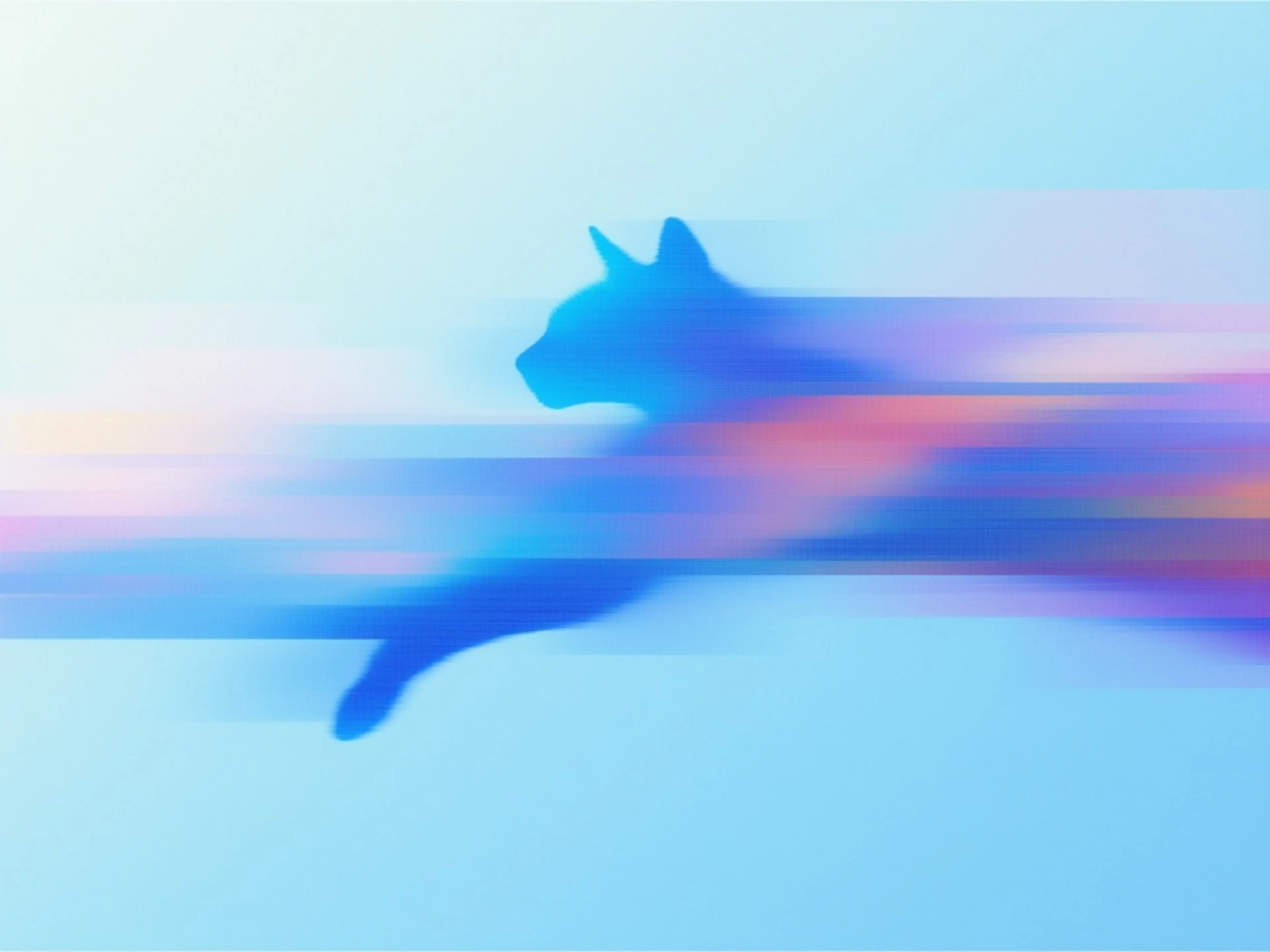


fal's H3 Max is a post-trained variant of MiniMax H3, tuned for stronger prompt adherence and better aesthetics while co-optimized with our custom inference stack for higher throughput with no compromises on output quality
stylized
transform
lipsync
text-to-video
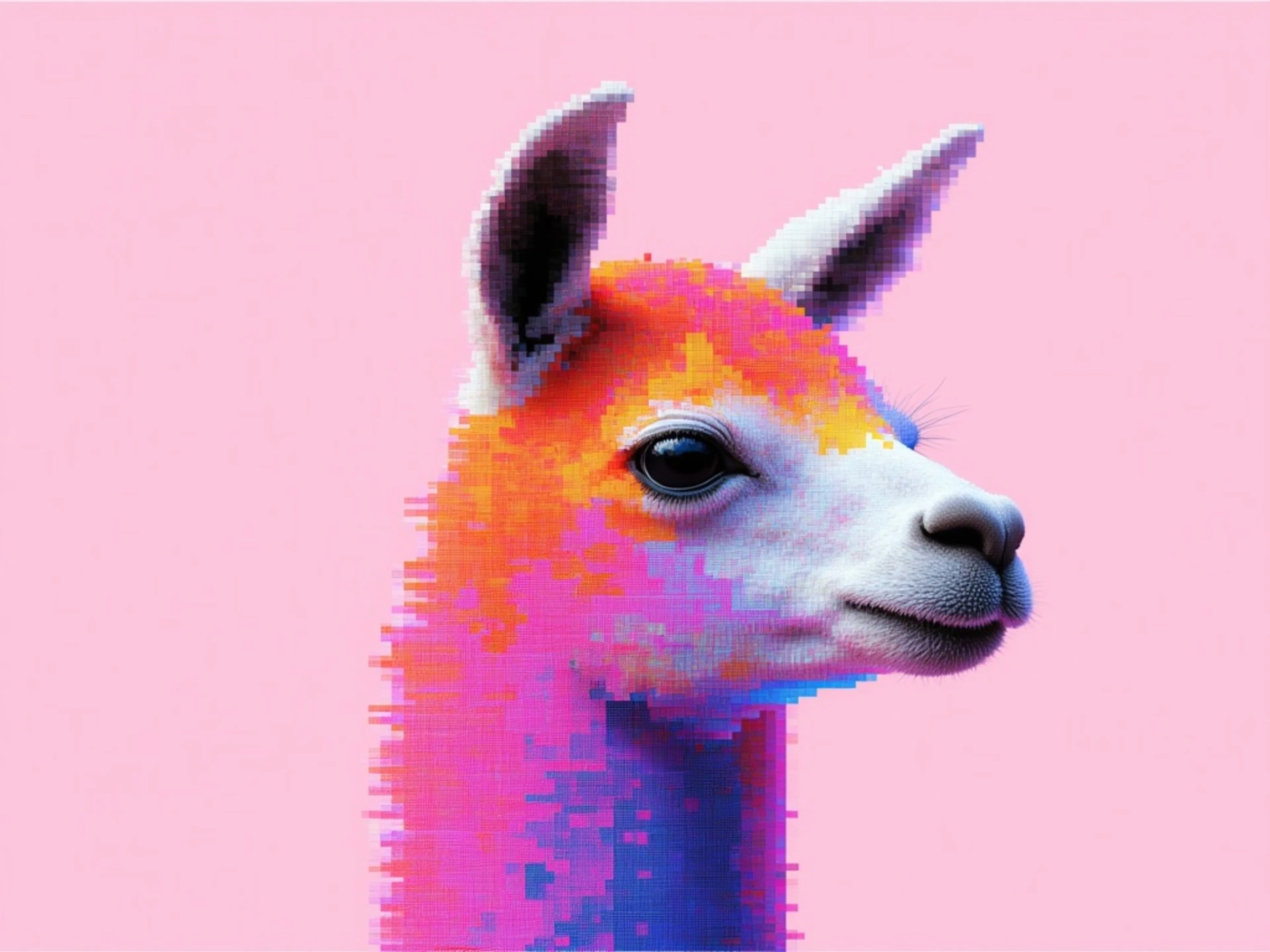
fal's H3 Max Turbo is a post-trained variant of MiniMax H3, tuned for stronger prompt adherence and better aesthetics while co-optimized with our custom inference stack for higher throughput with no compromises on output quality
stylized
transform
lipsync
text-to-video

new
fal’s FLUX 3 Max is a post-trained variant of FLUX 3 Video, tuned for stronger prompt adherence and better visual quality while optimized for lower latency.
fast
audio
text-to-video
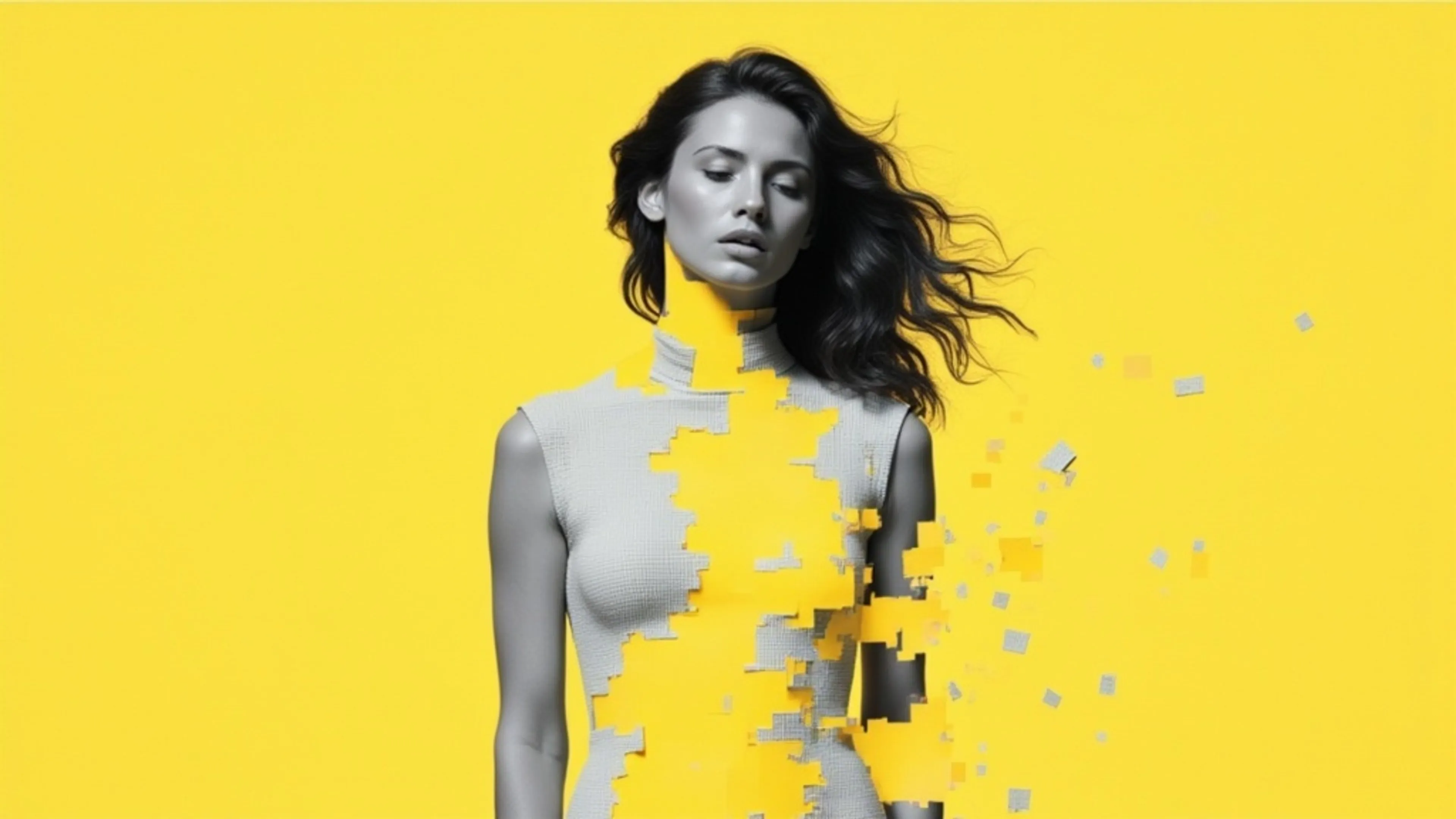


Kling 3.0 Pro: Top-tier text-to-video with cinematic visuals, fluid motion, and native audio generation, with multi-shot support.
text-to-video
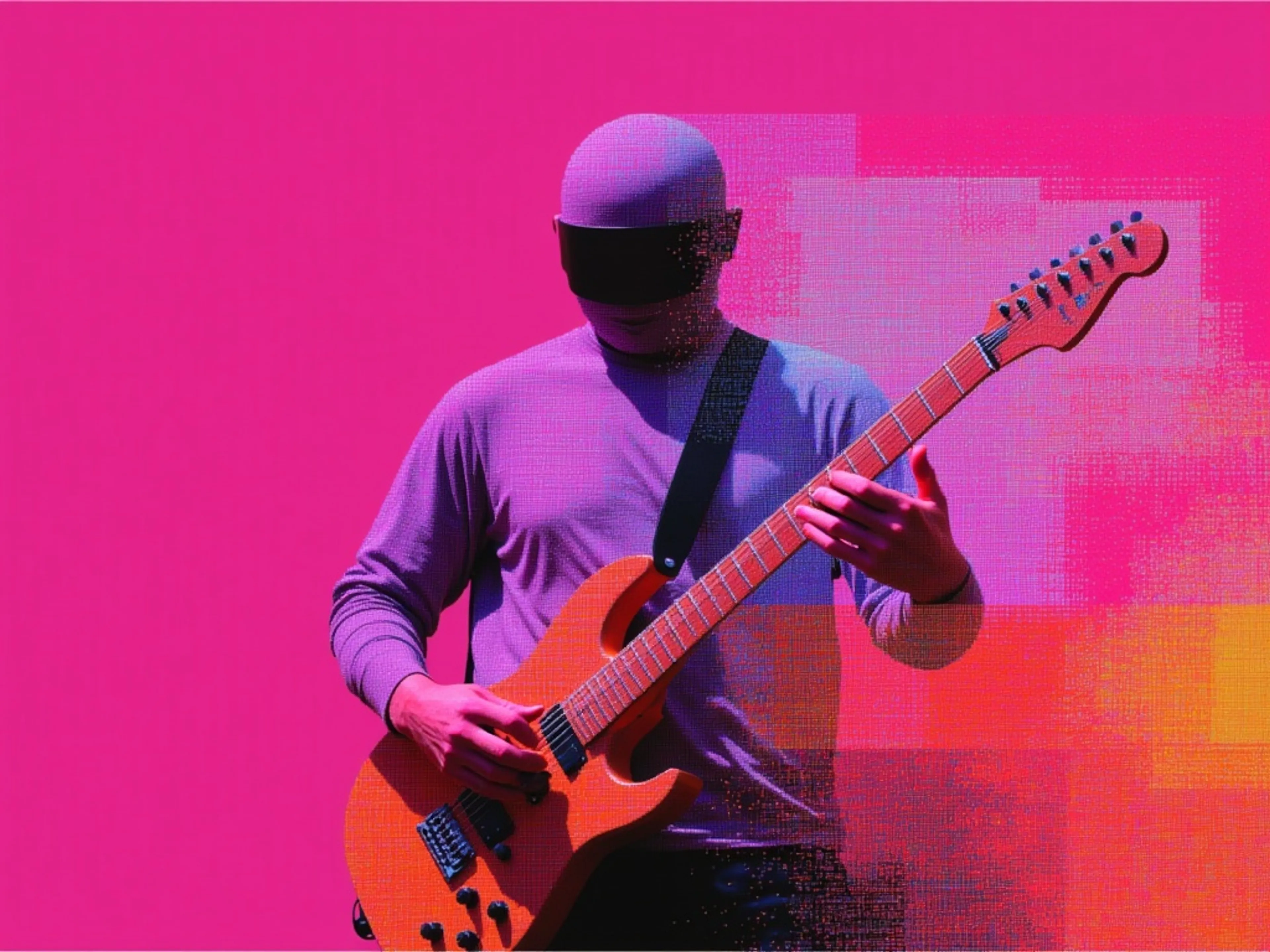


Wan 3.0 is the latest generation AI video model, delivering enhanced motion smoothness, superior scene fidelity, and greater visual coherence.
stylized
transform
lipsync
text-to-video
new
Kling 4.0 generates videos from text prompts at 720p or 1080p, with durations from 3 to 30 seconds and support for per-shot prompts.
multi-shot
cinematic
kling
text-to-video
Kling LipSync is an audio-to-video model that generates realistic lip movements from audio input.
audio to video
lipsync
text-to-video

Kling 3.0 Standard: Top-tier text-to-video with cinematic visuals, fluid motion, and native audio generation, with multi-shot support.
text-to-video
Kling 2.5 Turbo Pro: Top-tier text-to-video generation with unparalleled motion fluidity, cinematic visuals, and exceptional prompt precision.
animation
stylized
text-to-video



Gemini Omni Flash 1.1 is Google's multimodal video model. This endpoint generates video with synchronized native audio from a text prompt, grounded in Gemini's real-world knowledge and physics understanding, with cinematic camera control expressed in natural language.
stylized
transform
lipsync
text-to-video


MiniMax H3 is a frontier video model. This endpoint generates video from a text prompt alone, rendering at 2K in durations from 5 to 15 seconds across seven aspect ratios.
stylized
transform
lipsync
text-to-video



US-hosted ByteDance Seedance 2.5 generates cinematic video from text with synchronized audio, up to 30-second duration, and 480p, 720p or 1080p output.
stylized
transform
lipsync
text-to-video

ByteDance's most advanced text-to-video model, fast tier. Lower latency and cost with cinematic output, native audio, multi-shot editing, and director-level camera control.
stylized
transform
lipsync
text-to-video



Generate videos with audio from text using Grok Imagine Video.
xai
grok
t2v
text-to-video


FLUX 3 is Black Forest Labs' frontier video model. This endpoint generates video directly from a text prompt, translating a written description into motion, composition, and scene.
stylized
transform
lipsync
text-to-video

Kling 2.6 Pro: Top-tier text-to-video with cinematic visuals, fluid motion, and native audio generation.
text-to-video
Generate videos with audio with Seedance 1.5
bytedance
seedance
audio
text-to-video

Wan 3.0 Prime Text-to-Video transforms written prompts into polished videos with accelerated generation, fluid motion, strong scene fidelity, and coherent visual storytelling. Built for fast creative iteration, it brings complex ideas to life while preserving visual detail and cinematic consistency throughout each shot.
text
video
text-to-video


Pixverse's latest v6 Model.
text-to-video
Generate videos from prompts with audio using xAI's Grok Imagine 1.5 Video model.
stylized
transform
lipsync
text-to-video
Generate realistic videos using Kling O3 from Kling Team!
text-to-video
new

HeyGen Video, built on MiniMax H3 and post-trained by HeyGen, turns a prompt into a 5 to 15 second clip with its own sound.
heygen
audio
video
text-to-video

Seedance 2.0 Mini is a faster version of Seedance 2.0 that brings great performance and high generation speed at a lower cost.
stylized
transform
lipsync
text-to-video

Creates video with synchronized audio from text input. Grounded in Gemini's real-world knowledge, with improved physics understanding for more coherent motion and interaction.
stylized
transform
lipsync
text-to-video
Showing 1 to 24 of 152 results
Explore fal's Collection of Text to Video Generation APIs
fal is the best developer-friendly, one-stop shop for AI text-to-video models. Every major video generation model, from Veo 3.1 and Sora 2 to Kling 3.0 Pro and Seedance 2.0, runs through the same SDK and billing system. That means you can benchmark models, swap endpoints, and scale production without managing separate API contracts or rate limit tiers.
How do I generate video from a text prompt on fal?
A single call takes the endpoint and prompt, returning the video URL once generation completes.
Install the client
Set your API key
Generate a video
The same call shape works for Seedance 2.0, Kling 3.0 Pro, Sora 2, and the rest of the catalog. Only the endpoint string changes.
Video generations usually take 30 seconds to several minutes, so most production code submits via and waits on a webhook instead of holding the connection open.
Which fal video models produce cinematic-quality output?
Several models on this page are tuned for cinematic visuals with native audio.
- Veo 3.1 from Google delivers up to 4K resolution with synchronized audio, making it useful for high-end editorial work.
- Seedance 2.0 from ByteDance generates cinematic output with native audio and director-level camera control in a single pass.
- Sora 2 and Sora 2 Pro from OpenAI produce clips up to 20 seconds with synchronized audio at 720p or 1080p.
- Kling 3.0 Pro delivers cinematic visuals with fluid motion and native audio when is enabled, plus multi-shot support for scene-level cuts.
- Kling 2.5 Turbo Pro is the motion-fluidity option in the Kling family, tuned for action-heavy scenes.
Which models suit short-form social vs longer narrative content?
For short social clips in 9:16 or 1:1, MiniMax Hailuo-02 Standard generates at 768p at one of the lower per-second rates. Wan 2.7 and Pixverse v6 cover the broader catalog of fast generation with scene fidelity. Veo 3.1 Fast and Veo 3 Fast prioritize speed over the flagship Veo variants, useful when iteration matters more than maximum fidelity.
For longer narrative scenes, Sora 2 Pro generates clips up to 20 seconds with synchronized audio, the longest single-pass output on the page. Seedance 2.0 supports multi-shot editing within a single generation, useful when a scene needs cuts without post-production stitching. Kling 3.0 Pro and Standard also support multi-shot generation with native audio.
Which models support native audio and reference-based generation?
Most newer models on this page generate audio alongside video natively.
- Veo 3.1 generates synchronized dialogue and environmental sound, with a toggle to skip audio for a lower per-second rate.
- Seedance 2.0 generates audio and video together in a single pass via its unified multimodal architecture.
- Sora 2 and Sora 2 Pro generate dialogue lip-sync and ambient audio from the same text prompt.
- Kling 3.0 Pro and Standard include native audio when is enabled, with voice output in Chinese and English.
- For reference-based generation, Seedance 2.0's reference-to-video endpoint accepts up to 9 images, 3 video clips, and 3 audio files in one call, referenced in the prompt as , , .
How is video generation priced on fal?
Most video models on this page are priced per second of generated video, with rates scaling by resolution and whether audio is enabled.
| Model | Price |
|---|---|
| Kling 2.5 Turbo Pro | $0.07 / second |
| Seedance 2.0 (720p with audio) | $0.3034 / second |
| Veo 3.1 (720p/1080p with audio) | $0.40 / second |
With fal, there are no subscriptions and no minimum spend required. Credits are drawn down per generation.