![Nano Banana Pro Prompting Guide & Examples [2026]](https://refinery.fal.media/url/https%3A%2F%2Fv3b.fal.media%2Ffiles%2Fb%2F0a9e92ad%2FdgU0a7pspdC0xXfh7ajVQ_nano-banana-pro-prompting-guide.jpg/tr:w-1920,q-80/dgU0a7pspdC0xXfh7ajVQ_nano-banana-pro-prompting-guide.webp)
This guide hands you the template and best practices for prompting Nano Banana Pro, with a set of rules for replacing vague praise with details the model can render, and a copy-paste library you can run on fal today.
TL;DR
Nano Banana Pro reasons about a scene before it paints one, so the prompts that win read like an art director brief, with the subject, the action, the light, and any on-image words all explained.
You want to tell Nano Banana Pro who is in frame, what they are doing, where they are, the look you want, how the shot is framed and lit, and the exact text that belongs on the image.
For edits, you need to name what stays locked first and move one thing at a time.
Where can you access Nano Banana Pro?
Nano Banana Pro can be accessed on fal on a pay-per-use basis, with no subscription and no minimum usage.
All you have to do is integrate once with the @fal-ai/client SDK, and that same pattern will then carry across every image endpoint on fal and the over 1,000 other models on it.
Auth, error handling, queueing, and billing all stay identical whether you route to FLUX 2 Pro or Seedream.
You'll then need just a few lines to generate an image:
javascript
import { fal } from "@fal-ai/client";

const result = await fal.subscribe("fal-ai/nano-banana-pro", {
  input: {
    prompt:
      "A vintage globe on a wooden desk beside a stack of maps, warm afternoon light",
  },
});
How does Nano Banana Pro's thinking change the brief?
Nano Banana Pro does not jump straight to pixels.
The AI image generation model works out the composition first to decide the layout and the lighting before it commits to a final image.
Two things follow from that:
First, it can reason its way through a problem.
You can ask it to solve a math problem on a whiteboard, or to lay out a process diagram with the steps in the right order, and it works the logic out before it draws.
Second, the more it knows about the job and the audience, the sharper its planning step gets, and a sentence of background often beats one more adjective.
What is the recommended template for prompting Nano Banana Pro?
You can start using Nano Banana Pro using the templates below and add detail as the image needs it:
Subject: who or what it is, in concrete terms.
Action: what the subject is doing.
Setting: the place, the time of day, the light in the room.
Style: the finished look, from photoreal to flat illustration.
Composition and camera: framing, angle, and how the lens behaves. Imagine that you're speaking to a professional photographer.
Lighting and color: how the scene is lit and the grade you want.
Text: any words on the image, written in quotes.
Constraints: what should stay out of the frame (you can just use "no X, no X, no X").
Let's give it a test using fal's Nano Banana Pro playground:
Prompt: A matte-black stainless steel insulated water bottle, 750ml, with a slim cylindrical body and a brushed metal cap. The bottle stands upright on a wet slate countertop, a few condensation droplets sliding down its side, mid-morning. In a quiet kitchen by a north-facing window, soft overcast daylight coming from the left. Photoreal, high-end commercial product photography, the kind you'd see on a premium DTC brand's landing page. Tight three-quarter hero shot, slightly below eye level looking up to make the bottle feel tall and substantial, shot on an 85mm lens at f/8 so the whole product stays sharp while the background falls into soft blur. Lit with one large softbox from the left and a subtle reflector on the right to control the falloff; cool, desaturated grade with clean neutral whites and a faint blue cast in the shadows. The words "STAY COLD. 24 HOURS." set in small caps along the lower third. No other props, no hands, no visible brand logos, no harsh specular hotspots on the metal.
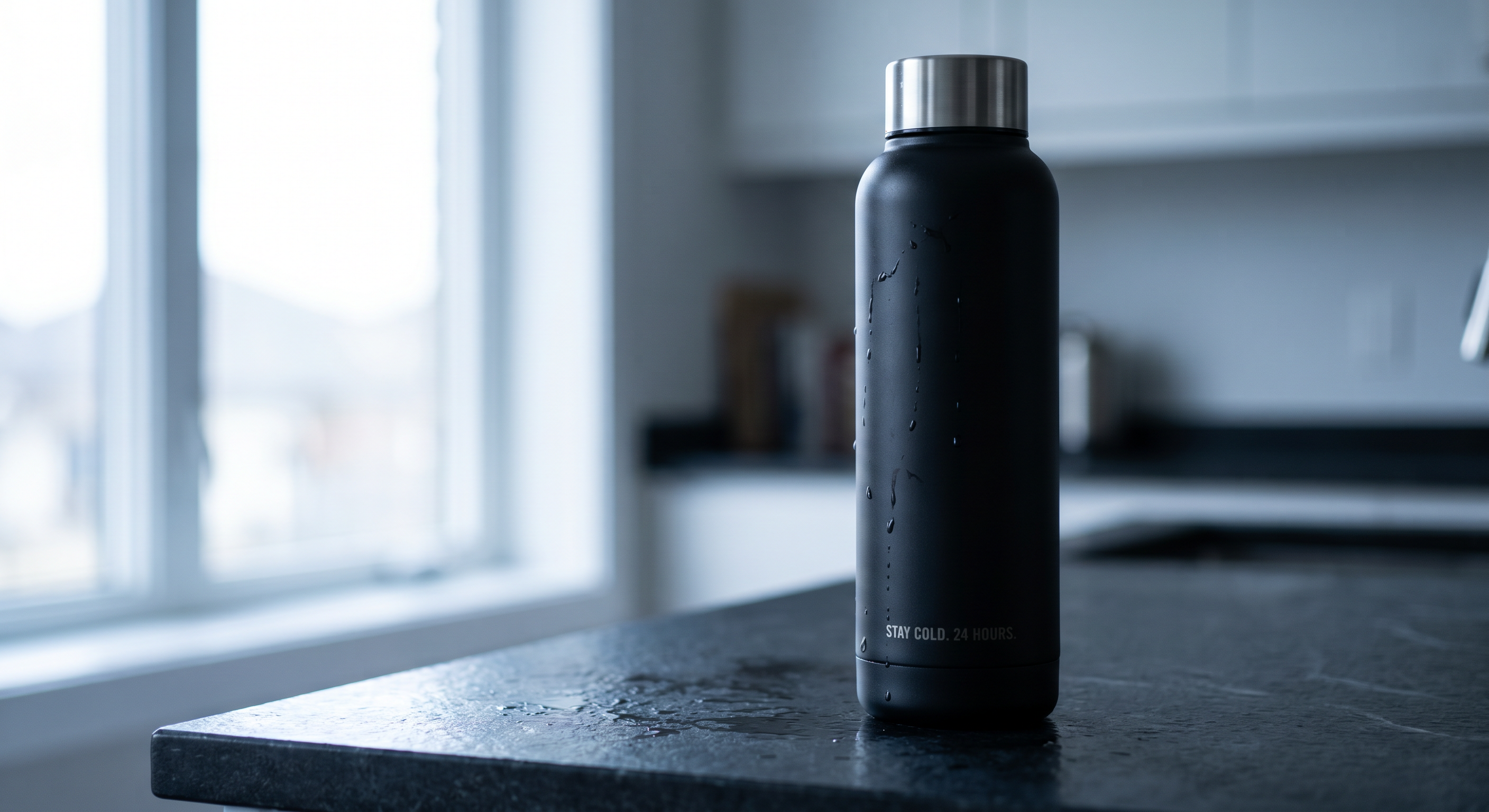
Generated using Nano Banana Pro on fal.
And here's how that can look when you edit an existing image:
Lock: the parts that must not move, the face and layout above all.
Change: the single thing you are altering.
Amount: how far to take it.
Constraints: what the edit must not break.
Let's see what that'd look like for the water bottle example that we generated using fal's Nano Pro Edit endpoint:
Prompt: Lock: the water bottle: matte-black finish, brushed cap, slim cylindrical body, the "STAY COLD. 24 HOURS." text, the condensation droplets, its size and position in frame, and the three-quarter hero angle. Change: swap the kitchen-counter background for a flat grey boulder beside a sunlit mountain hiking trail. Amount: full environment swap, understated: soft natural daylight, not golden hour; bottle looks shot on location, not composited. Constraints: don't relight or recolor the bottle beyond the new ambient light; no new reflections or hotspots on the metal; keep the original cool grade; don't touch the cap, droplets, or text; no hands, people, or gear in frame.
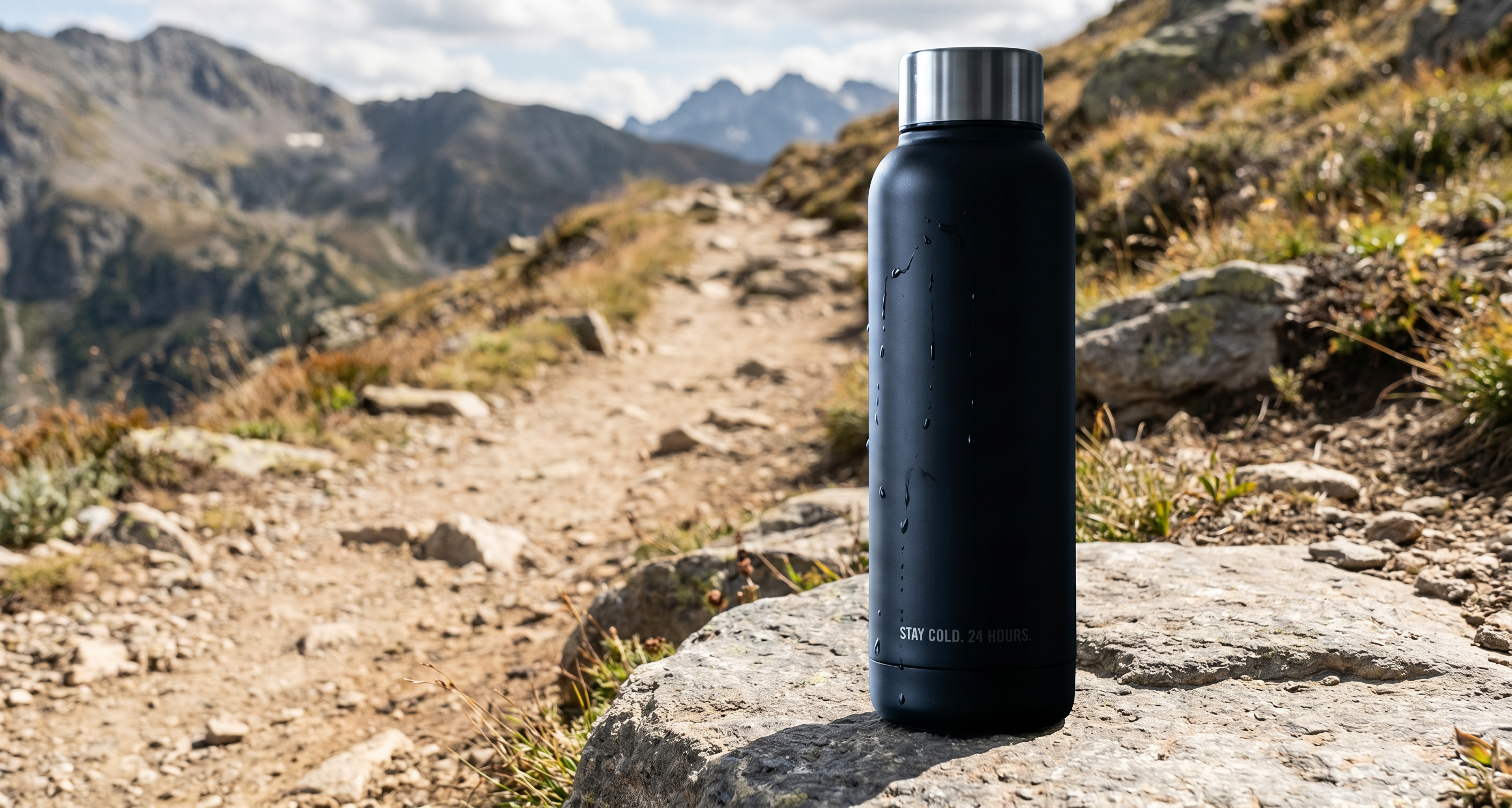
Generated using Nano Banana Pro Edit on fal.
falMODEL APIs
The fastest, cheapest and most reliable way to run genAI models. 1 API, 100s of models
Why is it important to be visual versus vague in prompts?
Two prompts can describe the same picture, but only the specific one will give the model something specific to draw.
Here is the same scene written in two ways:
Vague prompt: A gorgeous hyper-detailed photo of a potter, masterpiece, cinematic, 8k.
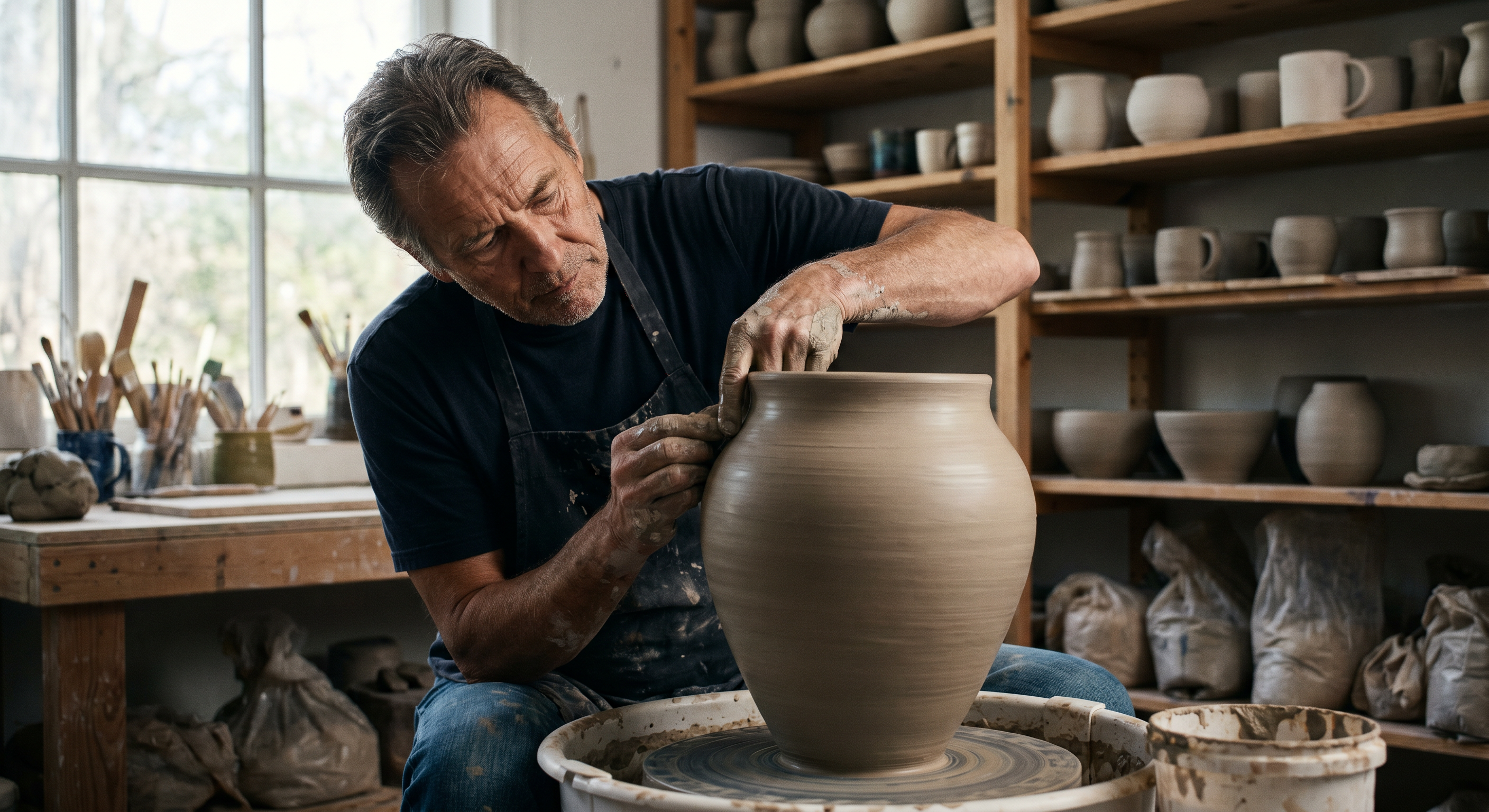
Generated using Nano Banana Pro on fal.
Visual prompt: A ceramicist in her 40s centering wet clay on a spinning wheel in a cluttered studio, late-afternoon light raking across the workbench, gray slip drying on her forearms, a row of unglazed bowls on the shelf behind her, eye-level shot at 50mm with shallow focus, muted earth tones.
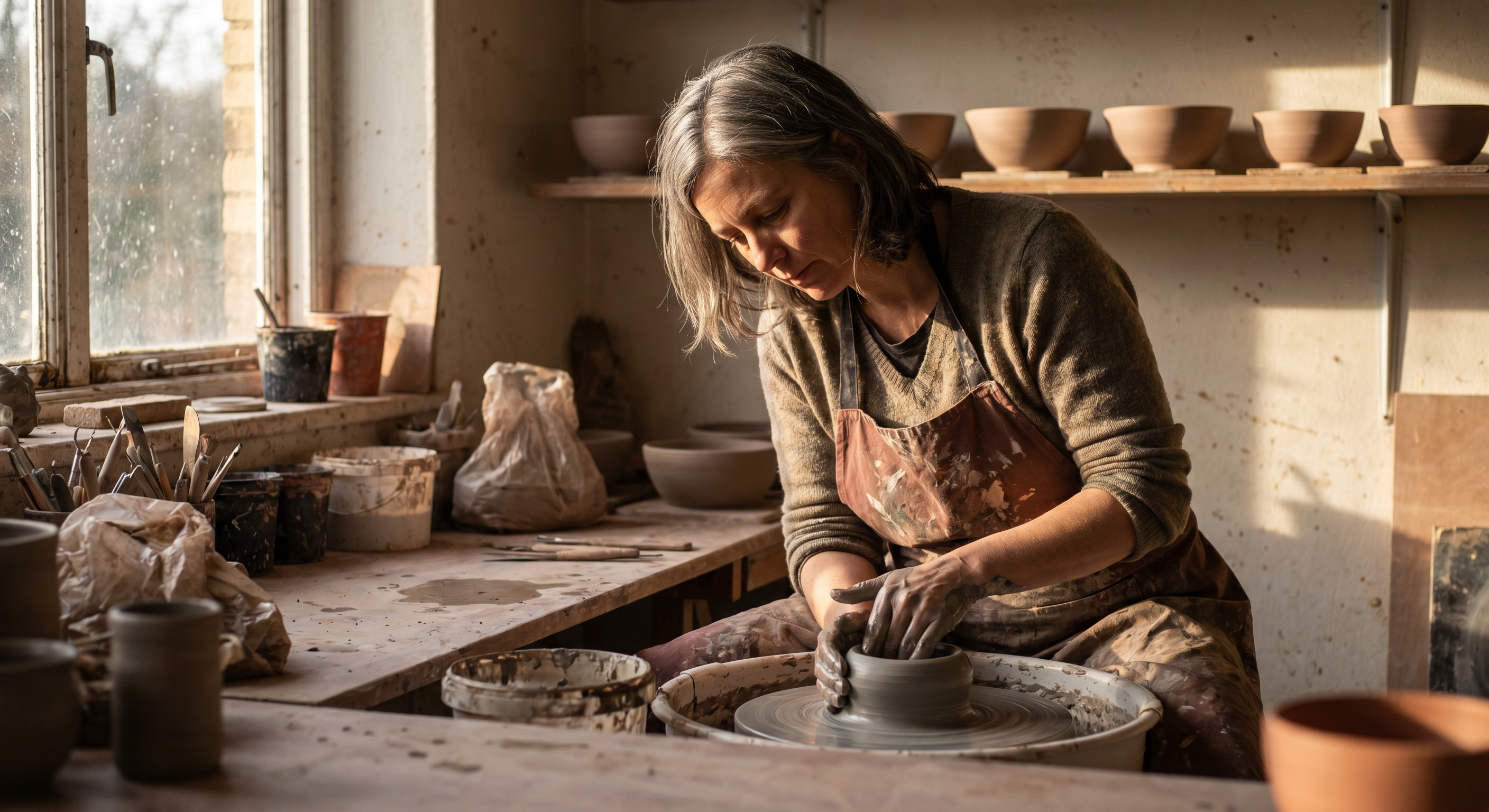
Generated using Nano Banana Pro on fal.
The first prompt produced an output that you might argue is of good quality, which is true, but when you start working on projects in advertising, media, or any other type of work that requires content production, details start to matter significantly more.
The problem with the first prompt, despite the good output, was that there was no context for the AI model to act on, which is why it had too much creative freedom.
In the second prompt, we gave the AI model a set of decisions to follow, and it shows in the final output.
What are some of the best anti-slop rules with Nano Banana Pro?
If you're tired of generating images that people say are "obviously AI", here are some pro tips that you can use:
Adjectives do not render: You can swap "stunning" for the overcast light and the chipped paint, and the model would have something to draw.
Pin your style words to something concrete: "Cinematic" can drift on its own, but a teal-and-amber grade with hard shadows can showcase the model what you're looking for.
You also want to name the real thing: If the shot needs a boarding pass, the words "boarding pass" will outperform any amount of mood language.
Wrap on-image text in quotes and call out the font and its position: This is especially true when the model keeps dropping a letter. You can spell the word out for it in quotes.
Edits will probably start drifting the moment you stop describing what stays: List what stays before what changes, and say it again on every pass.
For image editing, one change per message is optimal: Ten edits stacked into one sentence is how you can lose track of which one broke the image.
To provide better context, you can tell Nano Banana Pro who the image is for. A line like "this is for a high-end cookbook" can send the thinking step toward shallow focus and careful plating instead of you having to overexplain it.
What are some of the best prompt patterns that work for Nano Banana Pro?
Here are some of the best prompt patterns and examples that we've seen work across Nano Banana Pro (you can just replace with your own context):
Photorealism
Prompt: A beekeeper inspecting a frame of honeycomb at the edge of a wildflower field, late morning, a few bees in the air around the frame, white veil pushed back off the face, propolis-stained gloves, soft overcast light, eye-level shot at 50mm, shallow focus, natural skin texture.
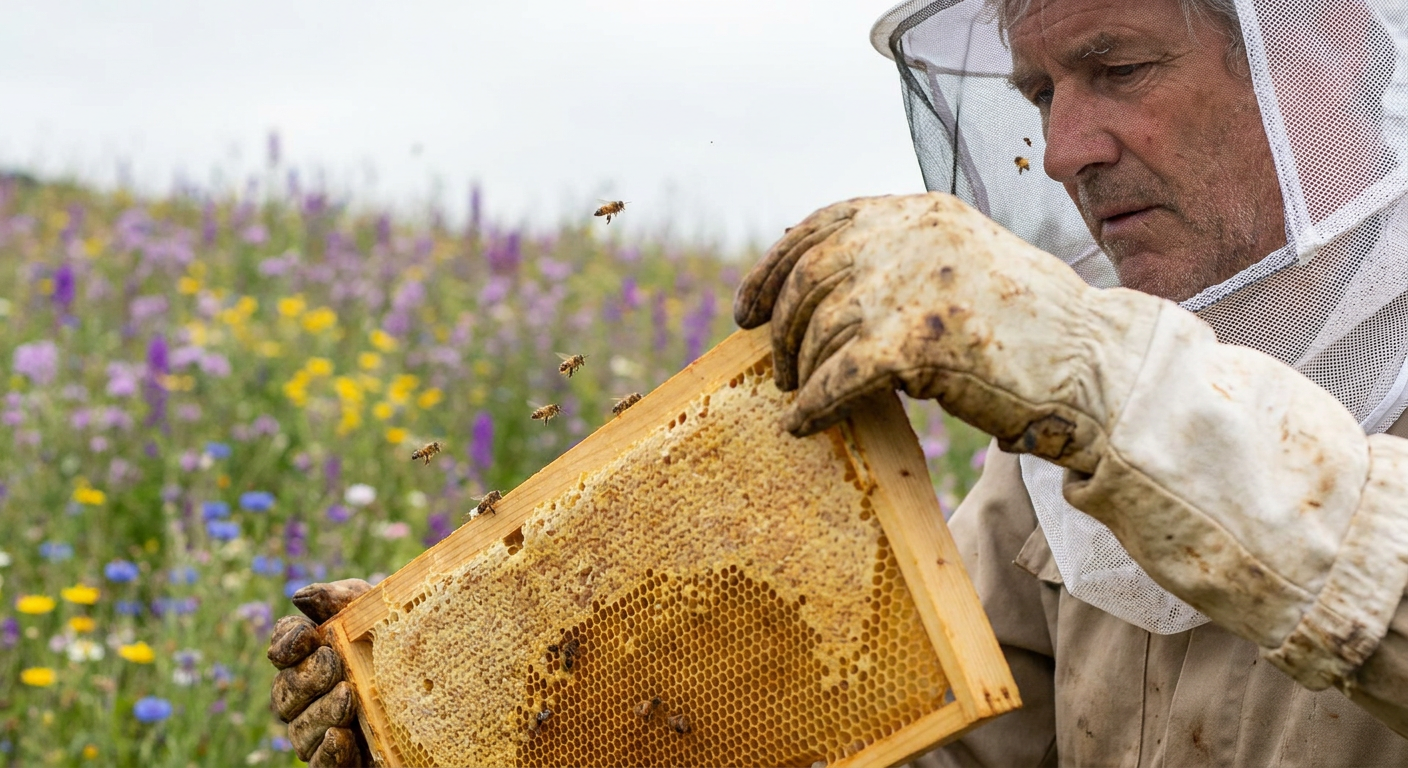
Generated using Nano Banana Pro on fal.
Typography and posters
Prompt: A risograph-style gig poster for a jazz quartet. Two-color print with overprinted teal and burnt orange, visible halftone texture. The words "BLUE ROOM SESSIONS" set large in a condensed slab serif across the top. In small monospace type at the bottom, "Thursdays, 9pm". Generous paper margin, slightly misregistered ink. The text stays sharp and correctly spelled.
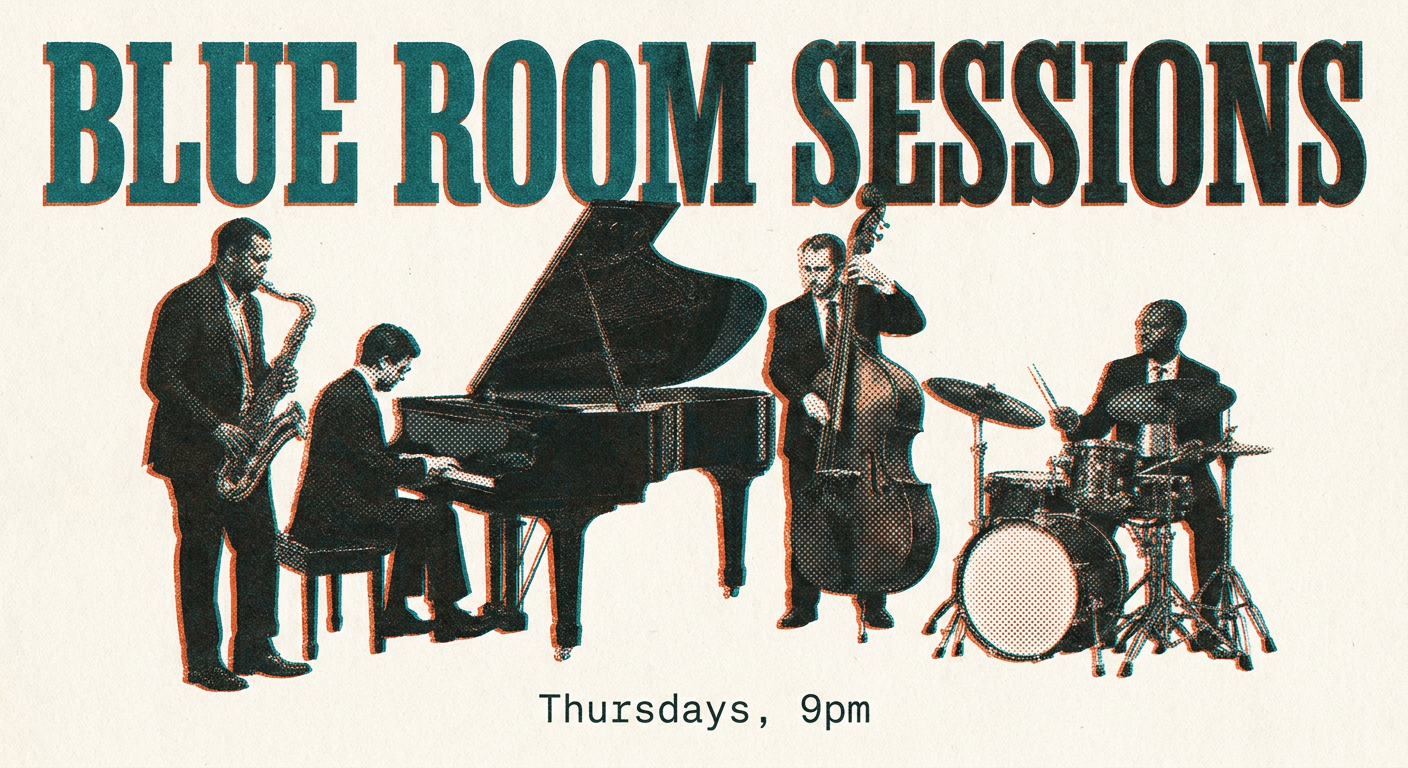
Generated using Nano Banana Pro on fal.
Infographics and diagrams
Prompt: A clean, scientifically accurate cross-section diagram of a lithium-ion battery cell, labeling the anode, the cathode, the separator, and the electrolyte in a technical sans-serif, a muted blue-and-gray instructional palette on an off-white background, 16:9. Keep every label legible.
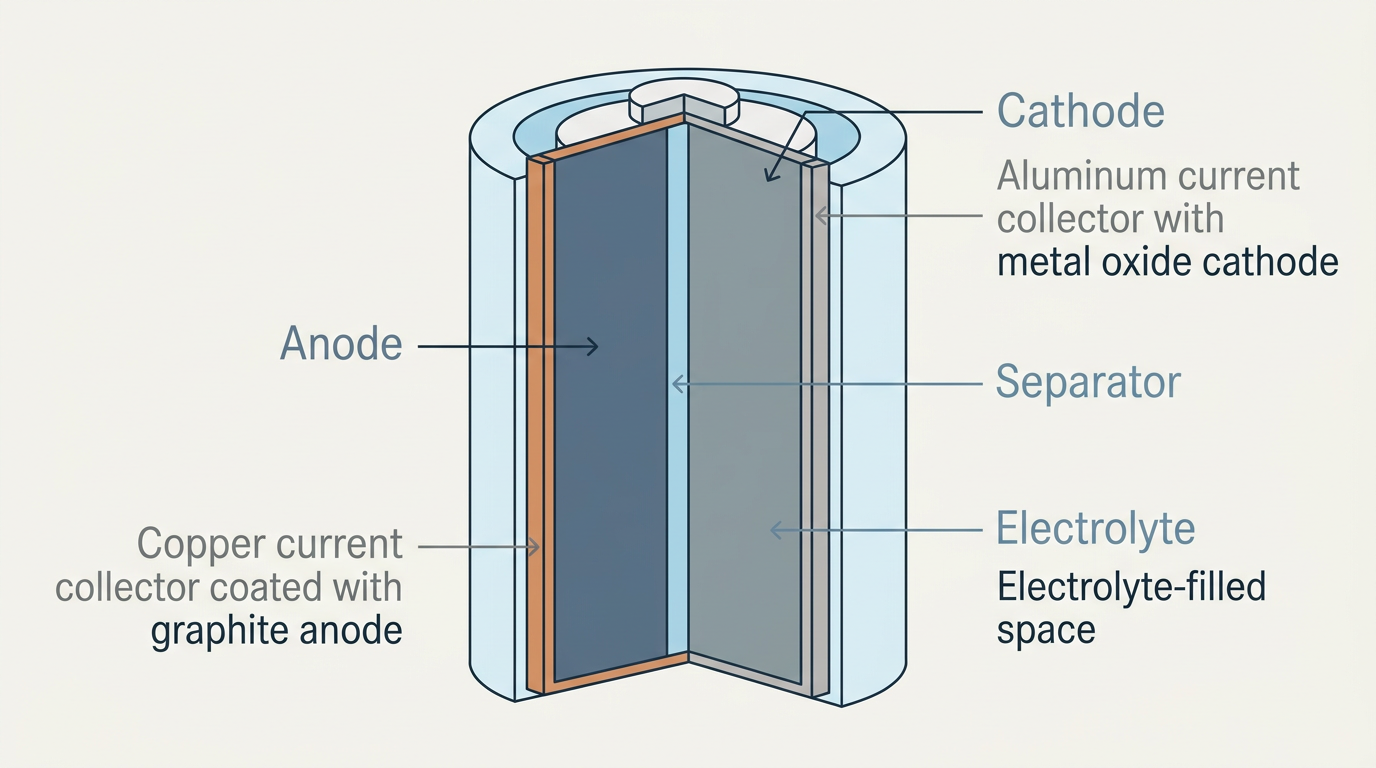
Generated using Nano Banana Pro on fal.
Images from live data (web search enabled)
Prompt: Search for today's marine forecast for Monterey Bay, then turn the wave height and the water temperature into a hand-drawn surf-shack chalkboard, white chalk on dark slate, a little smudged at the edges, with today's date written across the top.
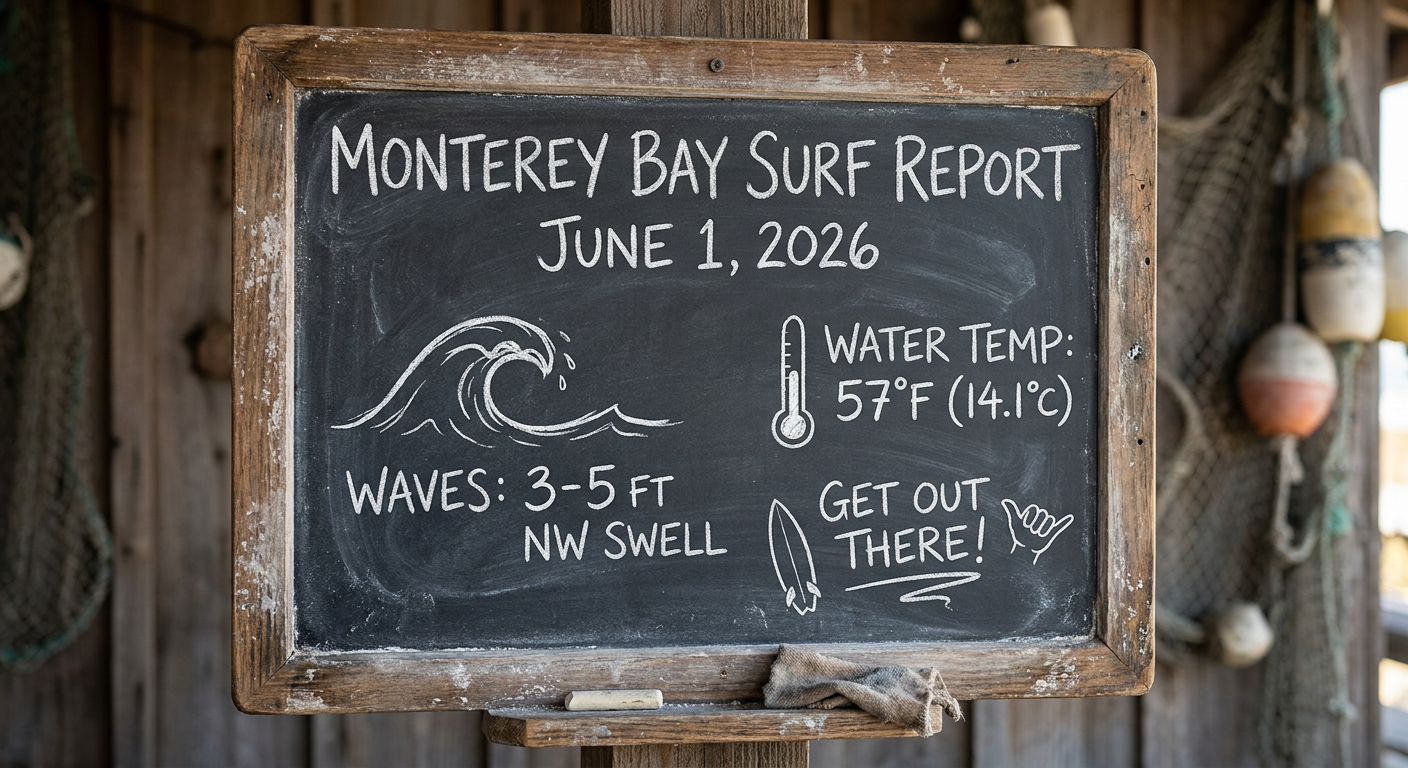
Generated using Nano Banana Pro on fal.
Directing the shot
Prompt: A still life of a single ripe persimmon on a dark slate surface, lit by one hard light source from a window at camera left, deep falloff into shadow, a thin rim of light along the fruit's edge, shot on a macro lens so the waxy skin and a single bead of moisture read sharp, muted earthy grade.
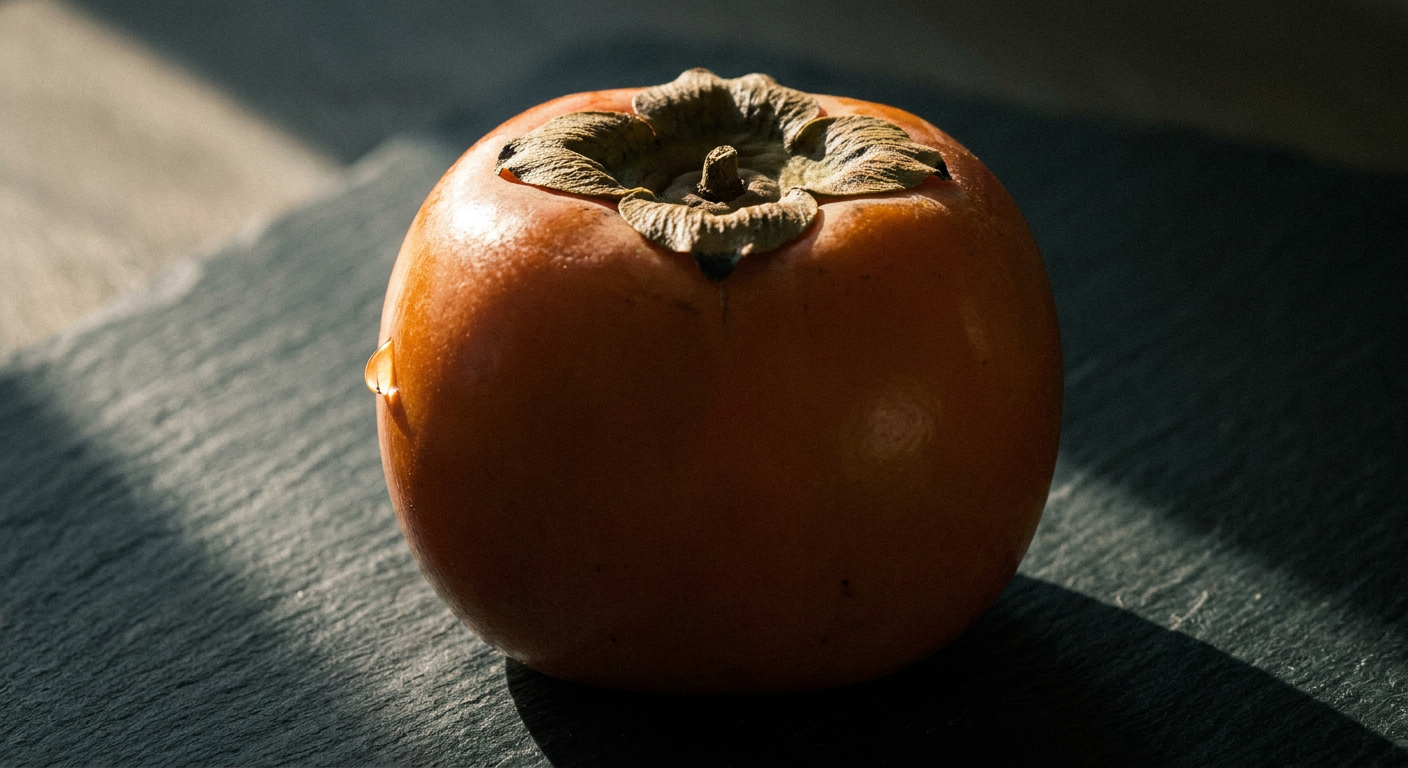
Generated using Nano Banana Pro on fal.
Building a high-fidelity mobile app screen from a wireframe (edit)
Prompt: Use the attached pencil wireframe as the exact layout and build a high-fidelity mobile app screen for a tide-tracking app. Follow the boxes and the labels in the sketch. Cool blue palette, rounded sans-serif, soft card shadows, readable copy throughout.
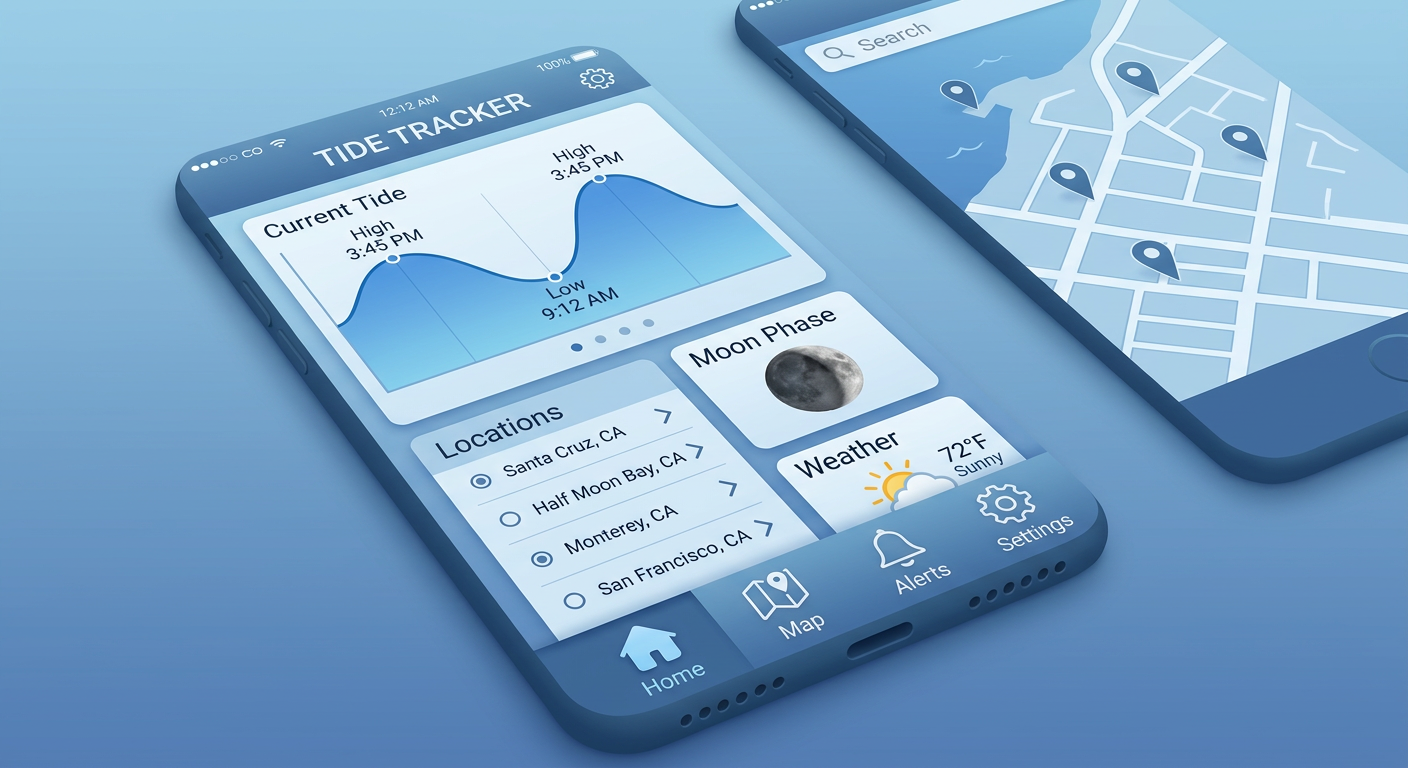
Generated using Nano Banana Pro Edit on fal.
Storyboards
Prompt: Create a six-panel storyboard drawn as loose black-and-white marker sketches for a short scene where a lighthouse keeper climbs the stairs at dusk and lights the lamp. Vary the framing from a wide establishing shot down to a close-up on the striking match.
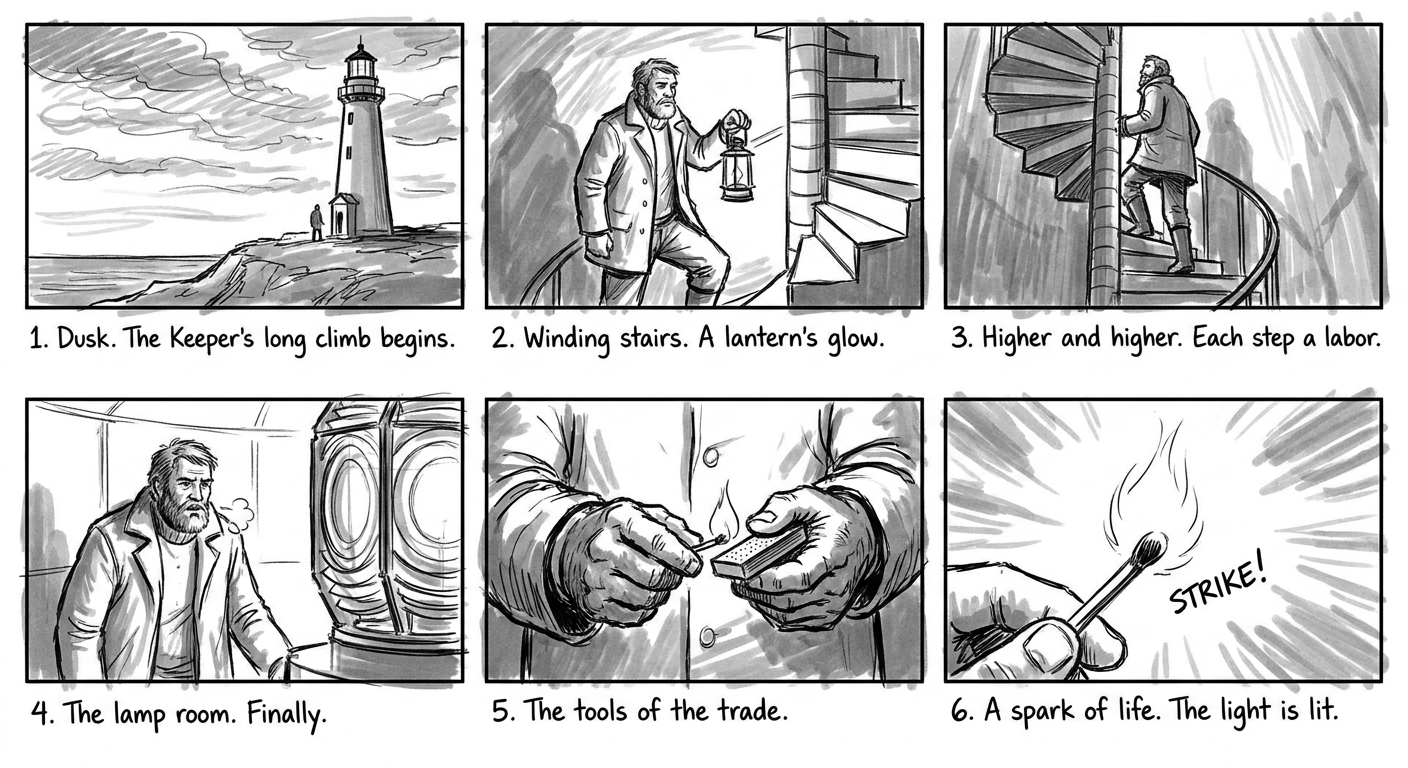
Generated using Nano Banana Pro on fal.
Text poster
Prompt: A minimalist event poster on a warm cream background. One bold line of text reads "LATE NIGHT RADIO" in a heavy condensed sans-serif, centered in the upper third. Below it, in small monospace type, "broadcasting from the kitchen table". A single hand-drawn line illustration of an old desk microphone fills the lower half. Generous negative space, subtle paper grain. The text must be sharp and correctly spelled.
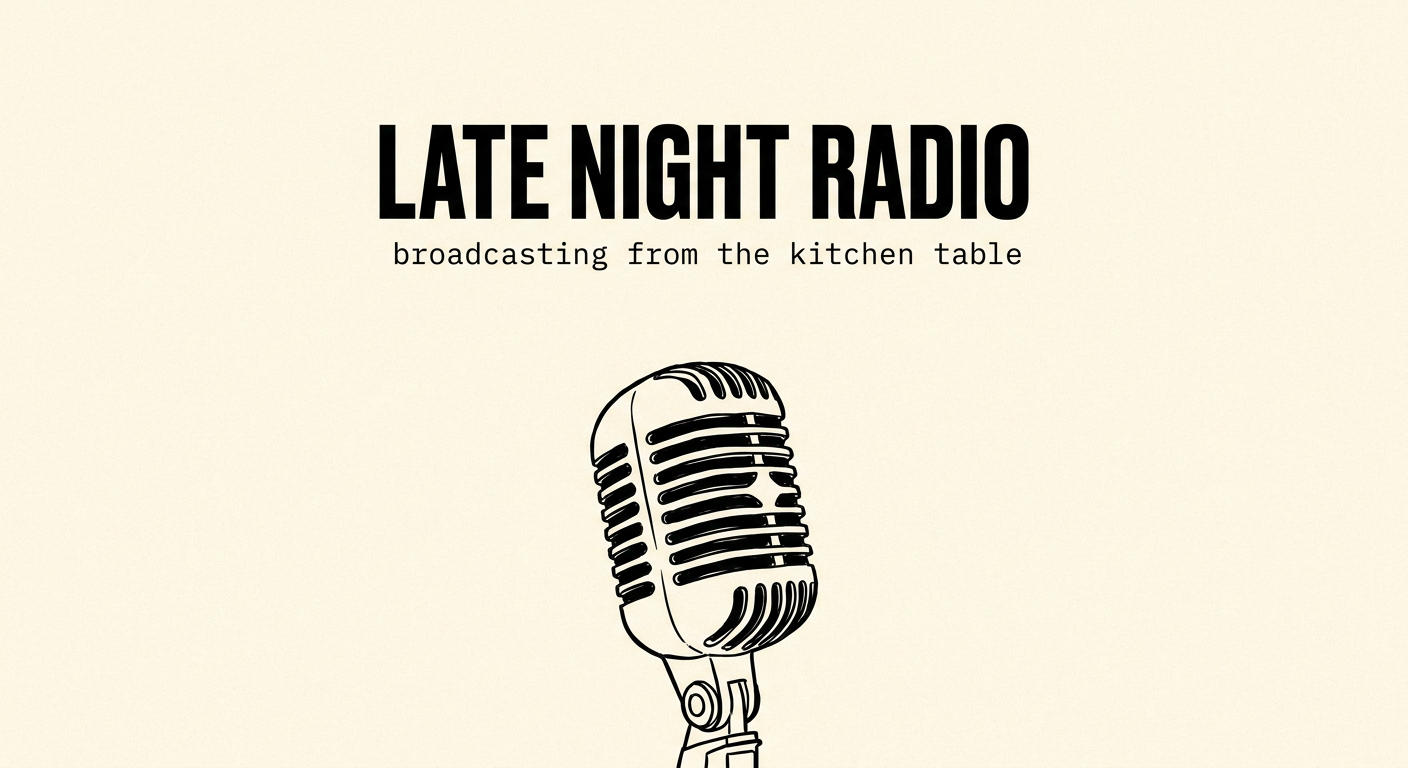
Generated using Nano Banana Pro on fal.
Product mockup
Prompt: A photoreal mockup of a kraft-paper coffee bag standing upright on a wooden cafe counter, soft morning light from the side, a blank panel on the front of the bag left clear for a label, a few coffee beans scattered at the base, shallow depth of field, warm neutral tones, 4:5.
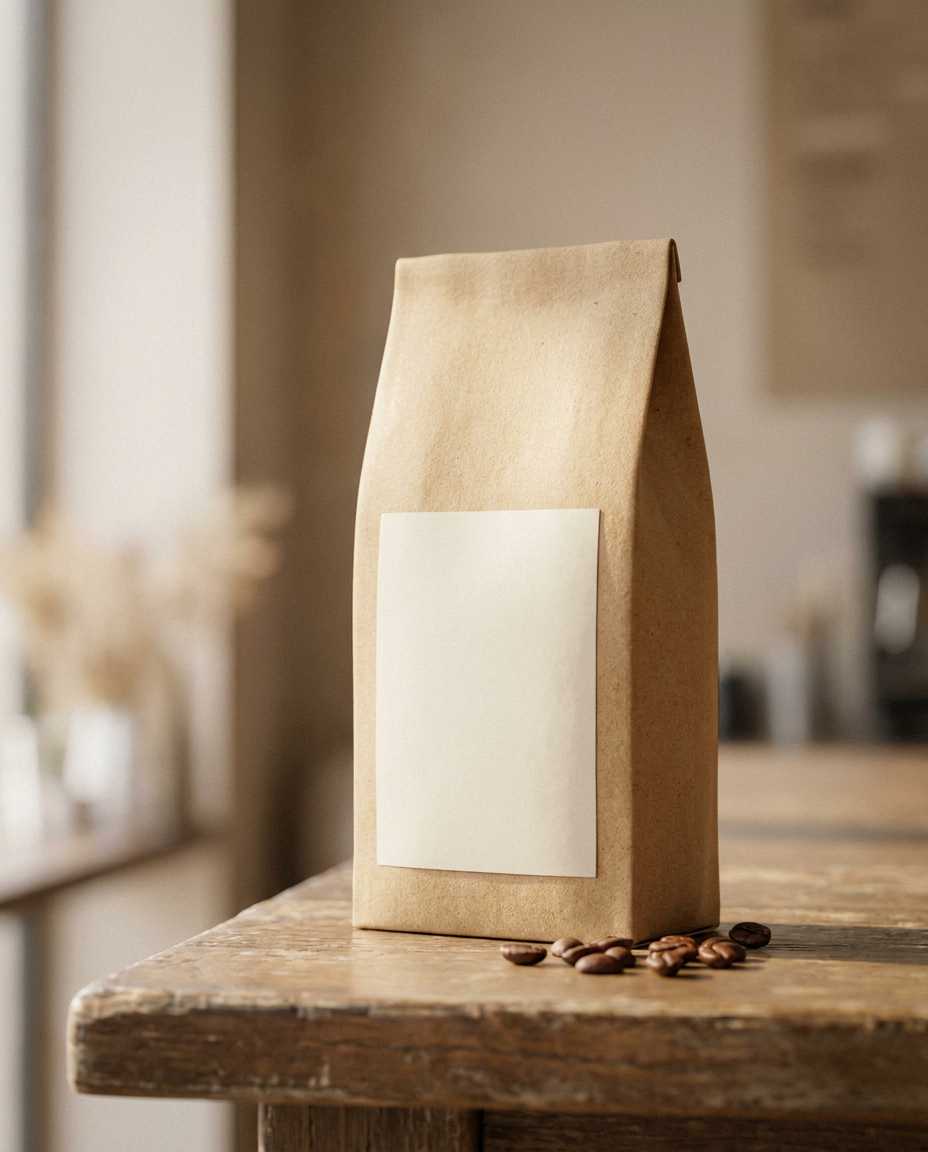
Generated using Nano Banana Pro on fal.
Object swap (edit)
Prompt: Replace the scattered coffee beans at the base of the kraft-paper coffee bag with a small cinnamon stick and two star anise pods. Keep the coffee bag, wooden cafe counter, morning side lighting, depth of field, warm neutral color palette, and all existing shadows exactly the same. Match the new objects' scale, texture, and contact shadows to the scene. Change nothing else.
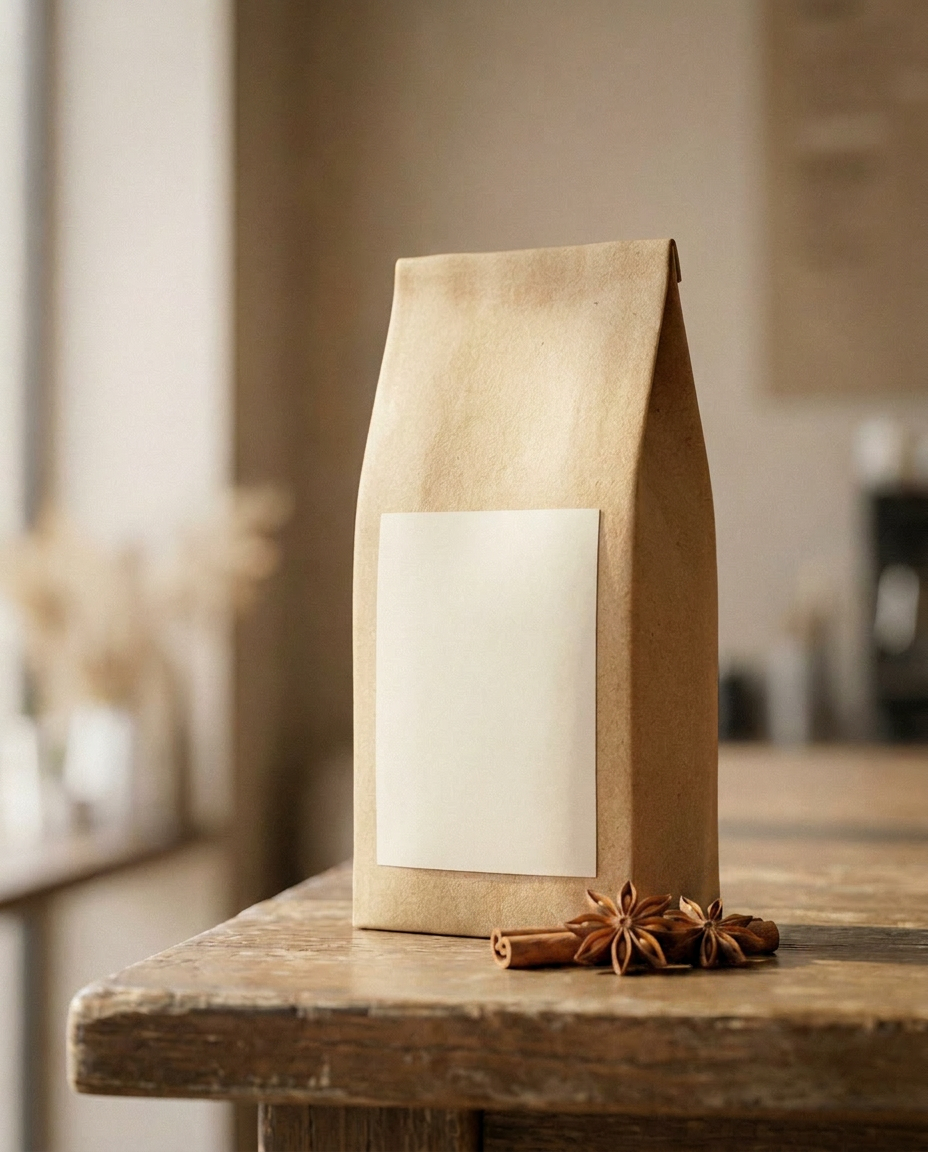
Generated using Nano Banana Pro Edit on fal.
4K texture
Prompt: A 4K wallpaper looking straight down at sea foam sliding back over dark wet sand, late-day light catching the wet sheen, fine bubbles and grain visible, no horizon and no people, soft cool grade, every texture sharp enough to fill a large display.
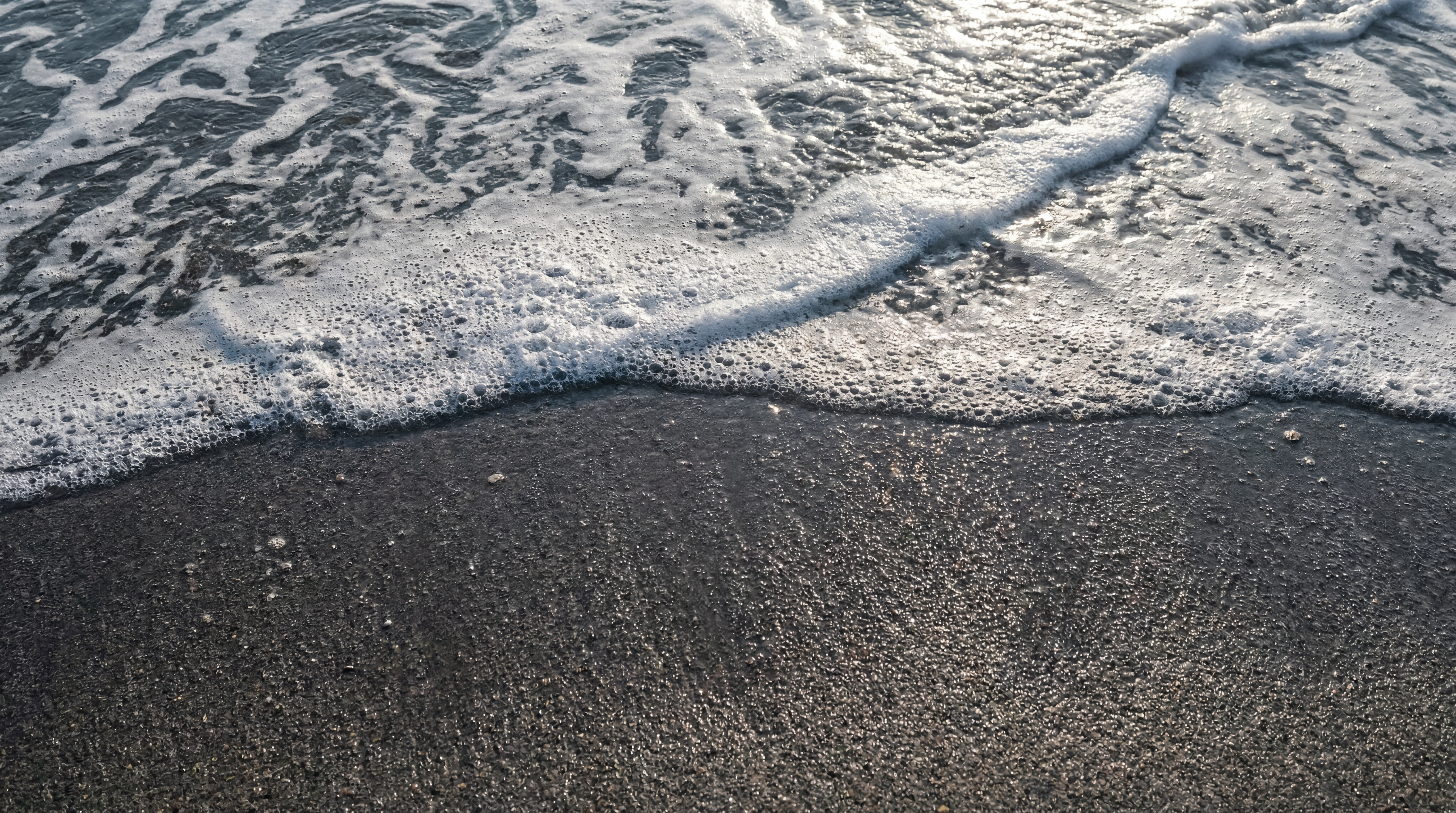
Generated using Nano Banana Pro on fal.
Comparison infographic
Prompt: A simple infographic comparing average rainfall across four cities as a clean horizontal bar layout, off-white background, each bar labeled with the city name and a readable value, a short title across the top, a single muted accent color, technical sans-serif, 16:9.
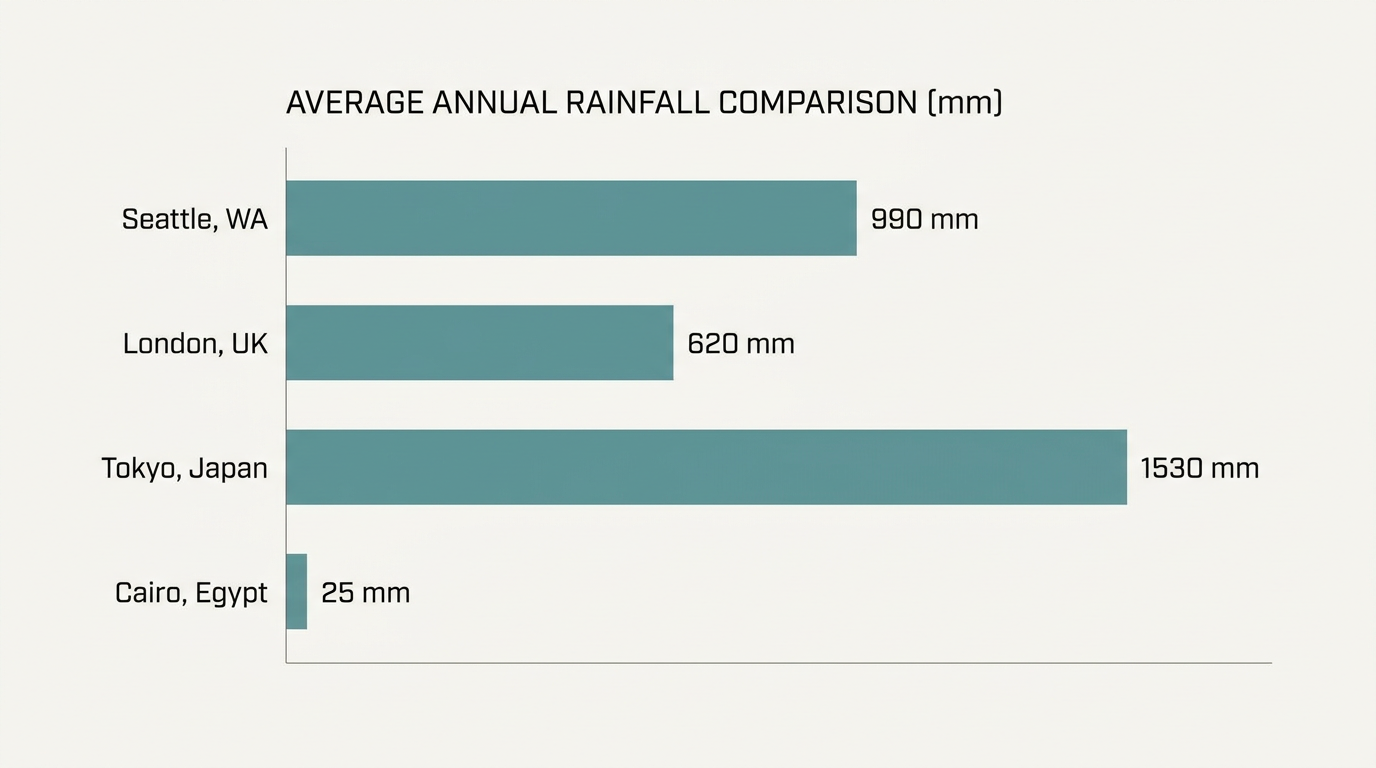
Generated using Nano Banana Pro on fal.
Recently Added












Run Nano Banana Pro on fal
fal runs Nano Banana Pro on a pay-per-image basis, with no subscription and no required minimum, so you only pay for what you generate.
Text-to-image and editing run on the same model at the same $0.15 starting price, and if web search is used, an additional $0.015 will be charged.
You can push either one to 4K when an asset calls for it, and then take your final output and edit it, create a video out of it, or upscale it.
FAQs about prompting Nano Banana Pro
Why are my AI images coming out looking "obviously AI"?
The usual culprit is vague, adjective-heavy prompting.
Words like "stunning," "masterpiece," or "8k" give the model nothing concrete to render, so it fills the gaps with generic choices.
You need to be adding specifics so the model can actually draw: overcast light, chipped paint, a teal-and-amber grade with hard shadows, and the exact text in quotes.
My rule of thumb is that the more decisions I have to make for the AI model, the less it has to guess.
How do I edit an image without breaking the parts I want to keep?
To edit an image without breaking the parts you want to keep, you need to name what stays locked before you describe what changes.
You can use the Lock + Change + Amount + Constraints structure: list the elements that must not move (face, layout, text, color grade), state the single thing you're altering, say how far to take it, and spell out what the edit must not break.
I'd also advise you to make one change per message rather than stacking five or six into one sentence.
Can Nano Banana Pro keep the same person or blend multiple reference images?
Yes. It maintains resemblance and consistency for up to 5 people across generations and edits, which is useful for campaign assets or storyboards featuring recurring characters.
For composition work, you can combine up to 14 reference images in a single generation to guide style or build a multi-image scene.
All outputs carry SynthID digital watermarking.
![How To Use Reve 2.1: Prompts & Workflows [2026]](https://refinery.fal.media/url/https%3A%2F%2Fv3b.fal.media%2Ffiles%2Fb%2F0aa30d29%2Fu_6F-C3_TrrNWDHjrPiNz.jpg/tr:w-1280,q-80/u_6F-C3_TrrNWDHjrPiNz.webp)