Best AI Image Generators
Unlock the future of creativity with these text to image, AI image generator models.
Showing 145 to 168 of 223 results


Generate images from your prompts using Luma Photon Flash. Photon Flash is the most creative, personalizable, and intelligent visual models for creatives, bringing a step-function change in the cost of high-quality image generation.
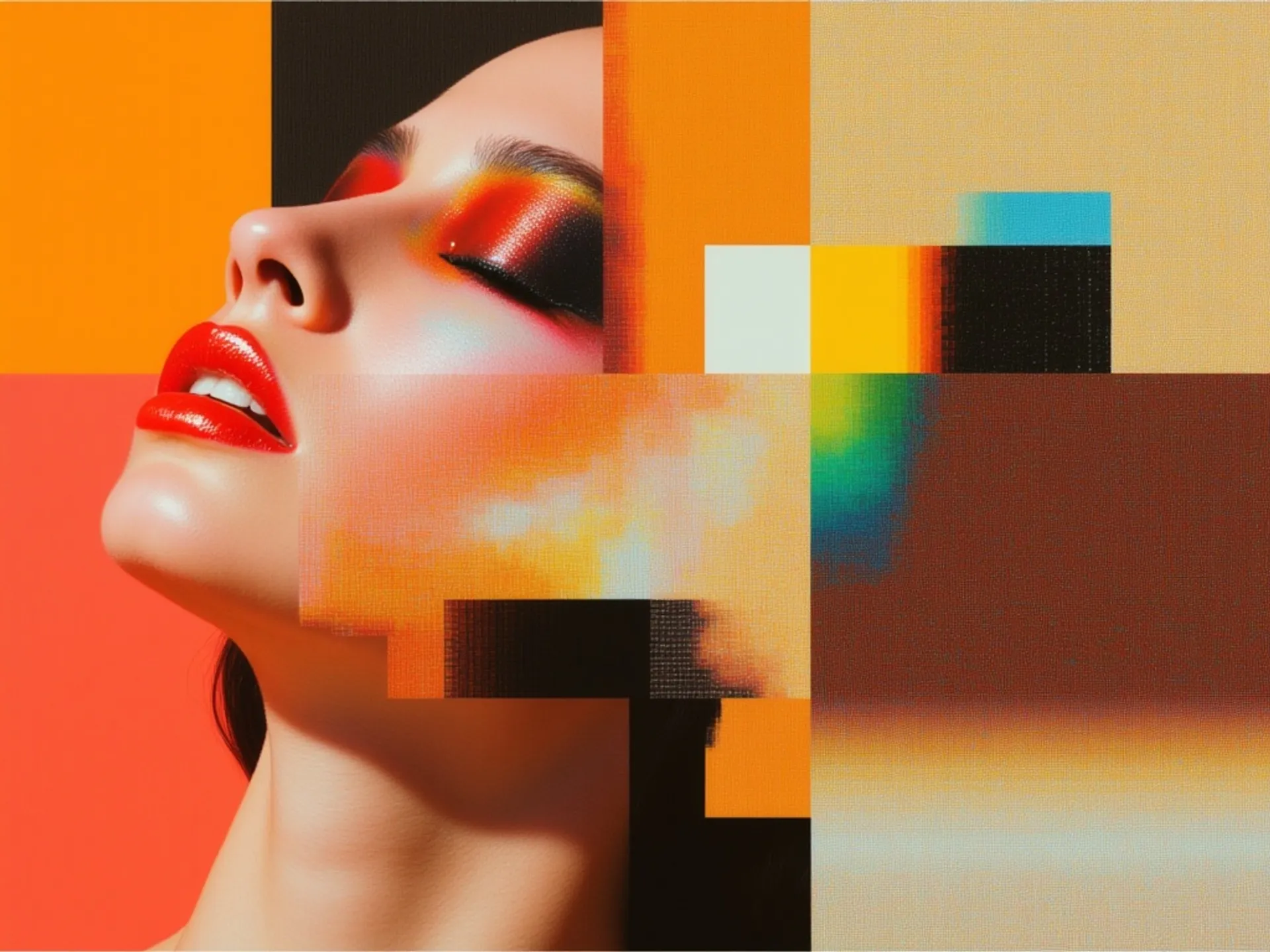

Text-to-Image endpoint for Qwen-Image-Max. Qwen Image Max improves upon the Qwen Image Plus series by enhancing the realism and naturalness of images.
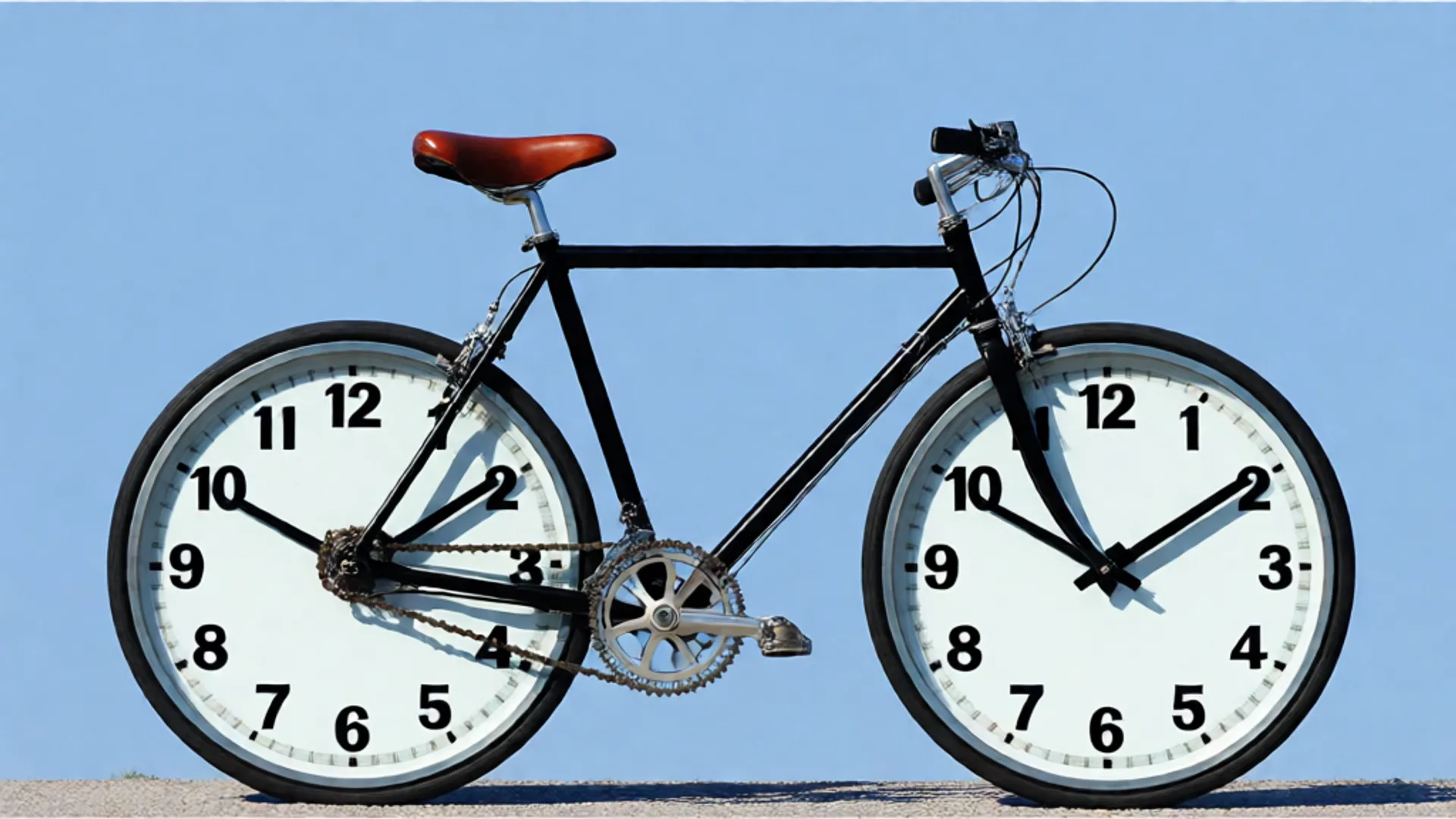
Use the amazing capabilities of hunyuan image 2.1 to generate images that express the feelings of your text.
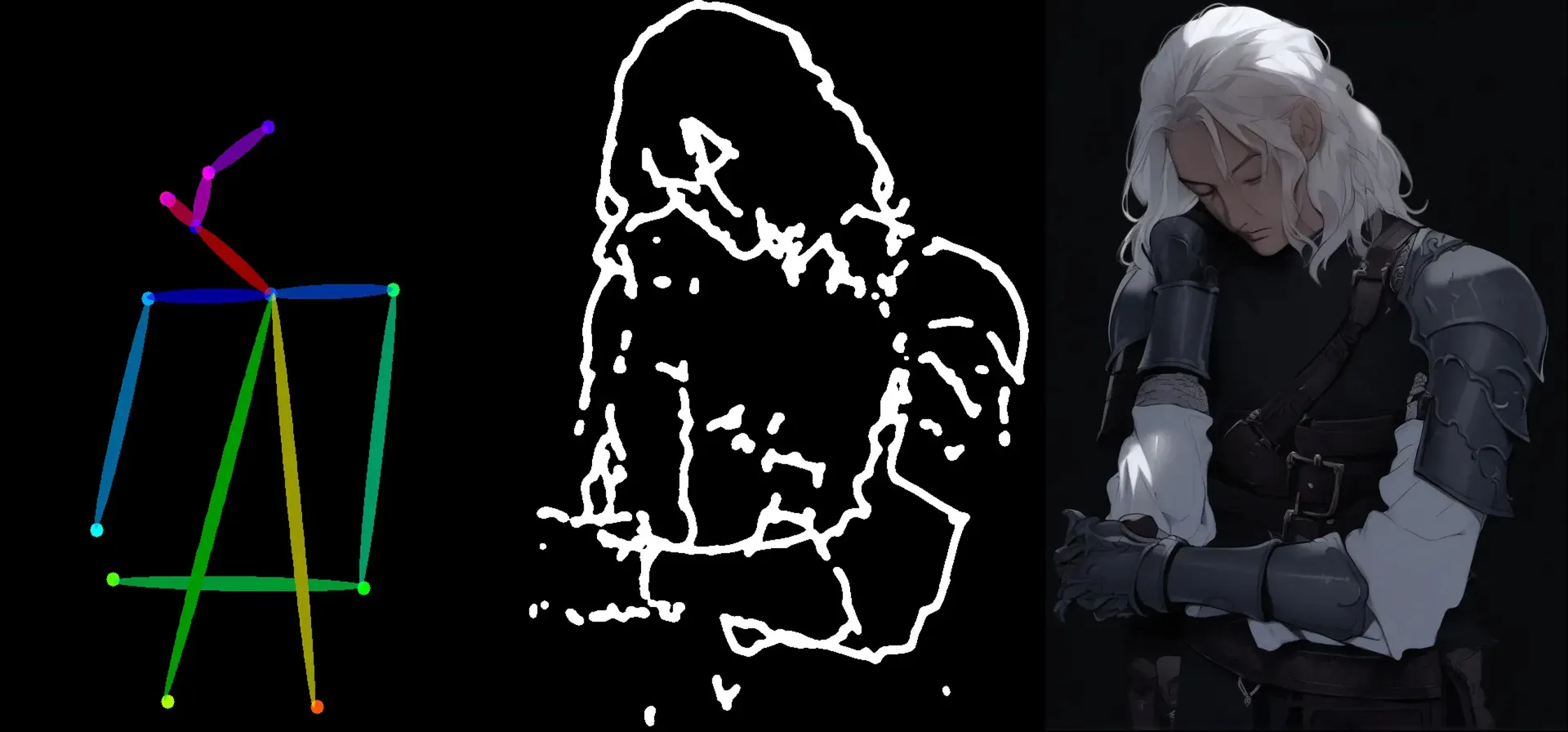
An efficent SDXL multi-controlnet text-to-image model.

AuraFlow v0.3 is an open-source flow-based text-to-image generation model that achieves state-of-the-art results on GenEval. The model is currently in beta.
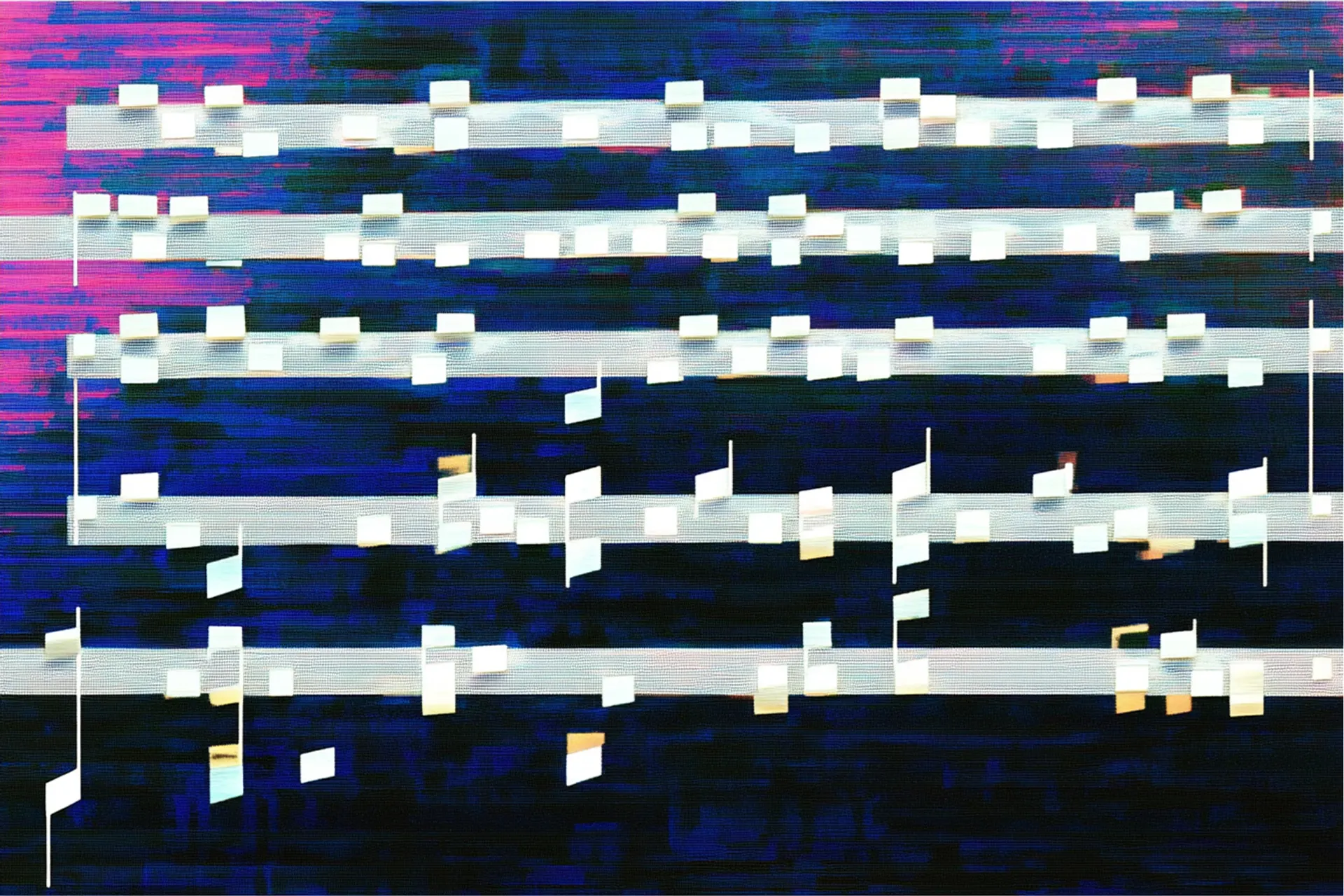
Pony V7 is a finetuned text to image for superior aesthetics and prompt following.

Wan 2.2's 14B model with LoRA support generates high-fidelity images with enhanced prompt alignment, style adaptability.
![Super fast endpoint for the FLUX.1 [schnell] model with subject input capabilities, enabling rapid and high-quality image generation for personalization, specific styles, brand identities, and product-specific outputs.](https://refinery.fal.media/url/https%3A%2F%2Fstorage.googleapis.com%2Ffalserverless%2Fgallery%2Fflux-subject.webp/tr:w-1920,q-80/flux-subject.webp)

Super fast endpoint for the FLUX.1 [schnell] model with subject input capabilities, enabling rapid and high-quality image generation for personalization, specific styles, brand identities, and product-specific outputs.


Accelerated image generation with Ideogram V2 Turbo. Create high-quality visuals, posters, and logos with enhanced speed while maintaining Ideogram's signature quality.
![Text-to-image generation with FLUX.2 [klein] 4B from Black Forest Labs and custom LoRA. Enhanced realism, crisper text generation, and native editing capabilities.](https://refinery.fal.media/url/https%3A%2F%2Fv3b.fal.media%2Ffiles%2Fb%2F0a928da0%2F57Gi1qonPRBT6XhWAvMAH_ac391991cfe0414199ae74f054947eef.jpg/tr:w-1920,q-80/57Gi1qonPRBT6XhWAvMAH_ac391991cfe0414199ae74f054947eef.webp)
Text-to-image generation with FLUX.2 [klein] 4B from Black Forest Labs and custom LoRA. Enhanced realism, crisper text generation, and native editing capabilities.
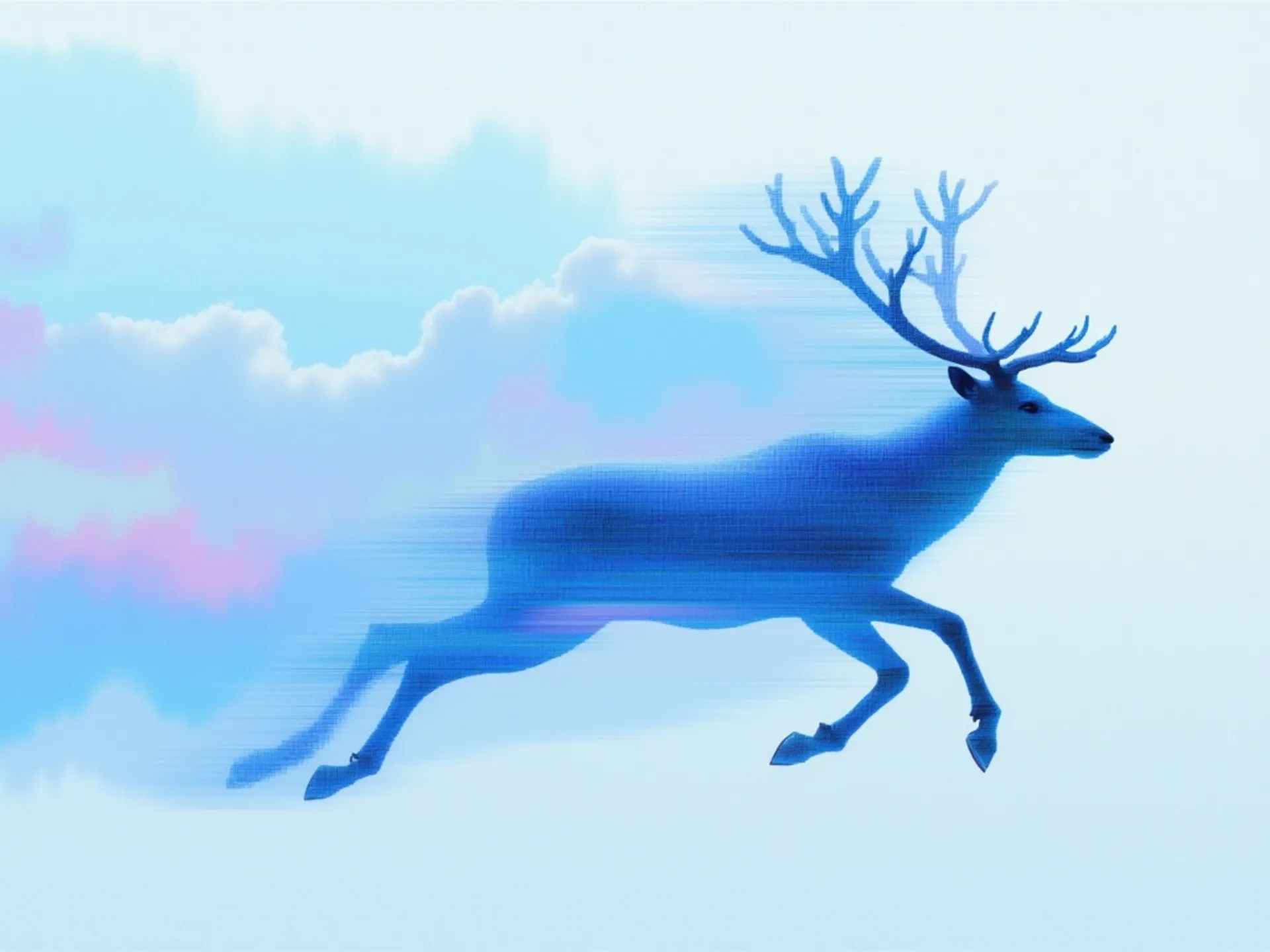

Bria's Text-to-Image model, trained exclusively on licensed data for safe and risk-free commercial use. Available also as source code and weights. For access to weights: https://bria.ai/contact-us

Generate high quality images from text prompts using CogView4. Longer text prompts will result in better quality images.
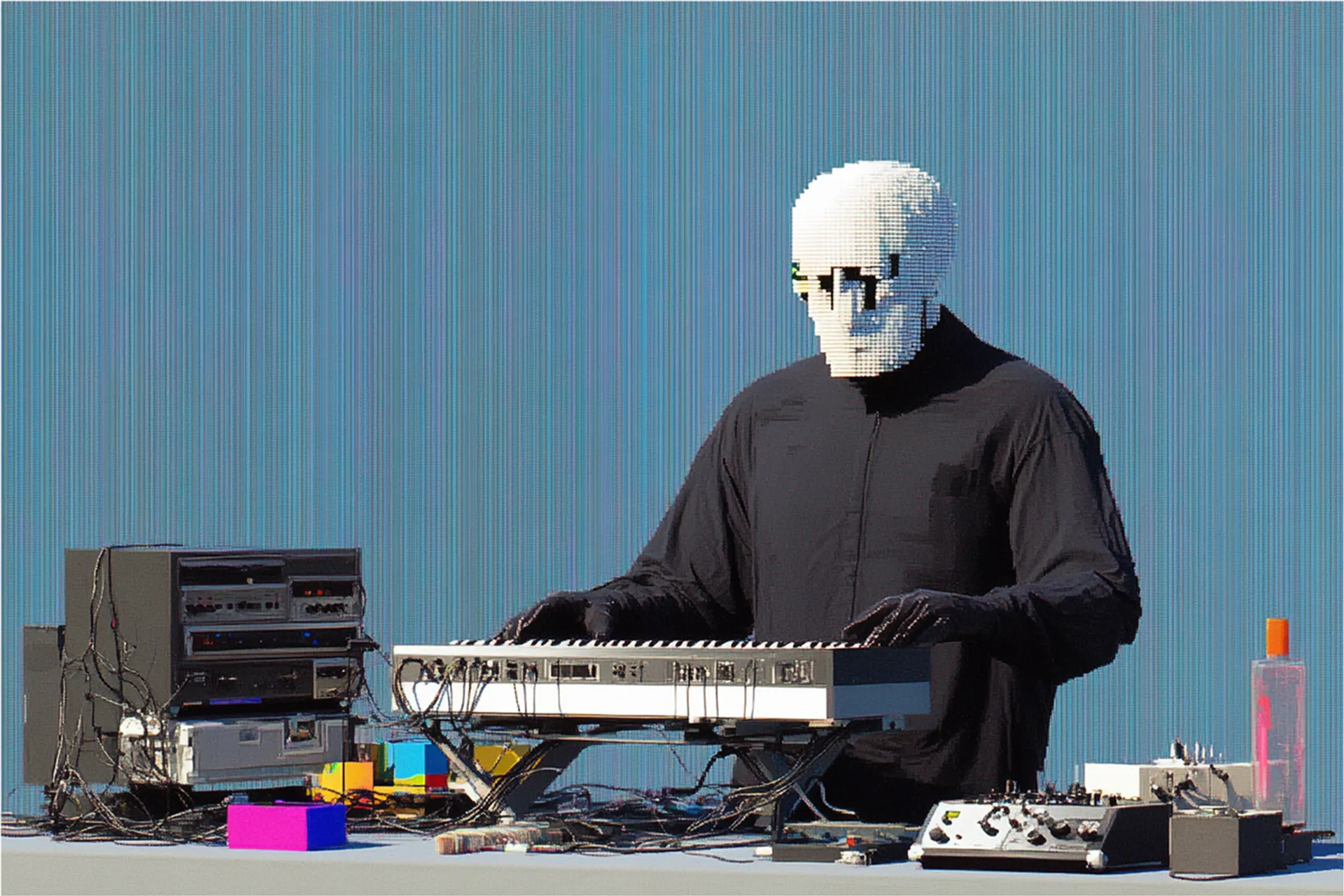
OmniGen is a unified image generation model that can generate a wide range of images from multi-modal prompts. It can be used for various tasks such as Image Editing, Personalized Image Generation, Virtual Try-On, Multi Person Generation and more!
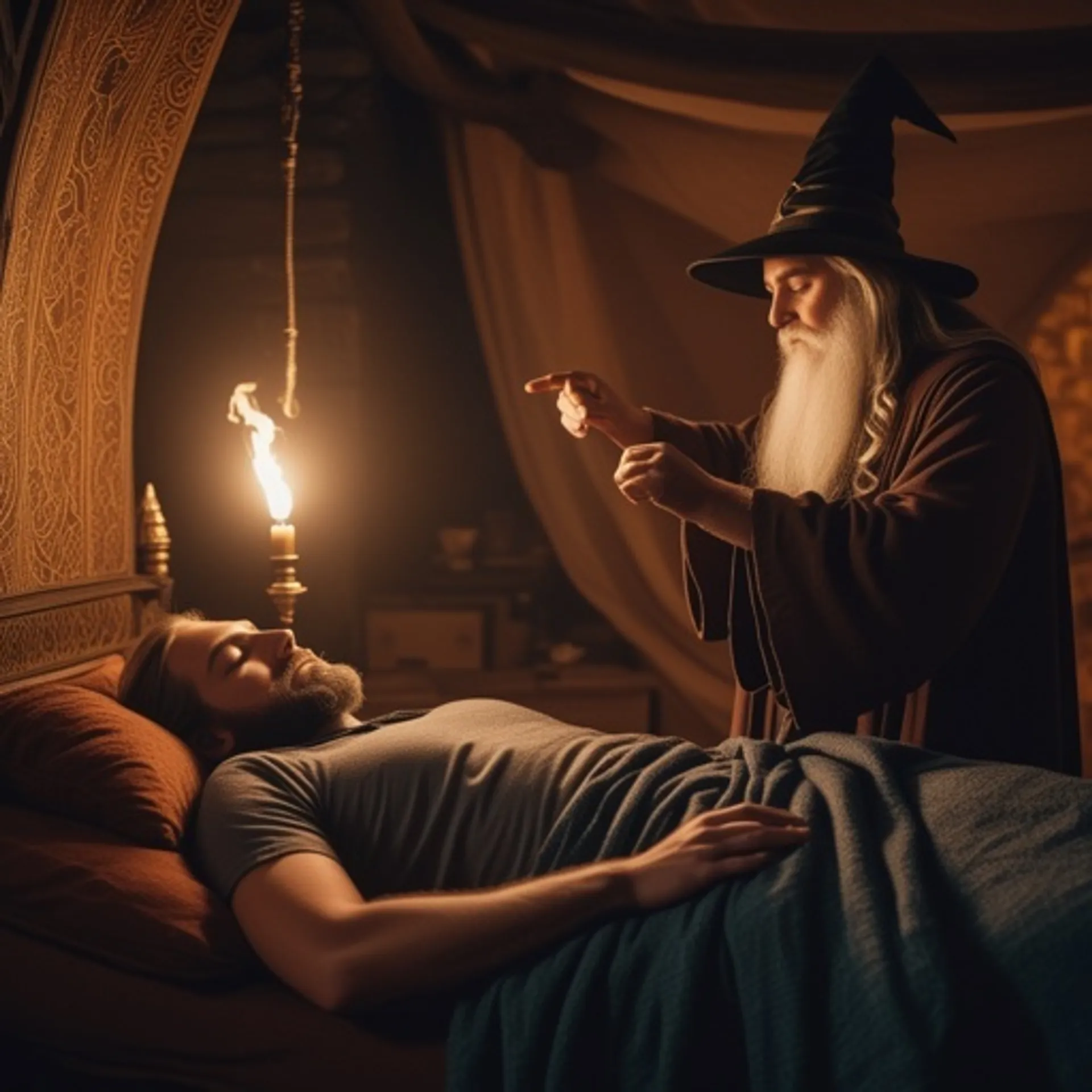
Dreamshaper model.
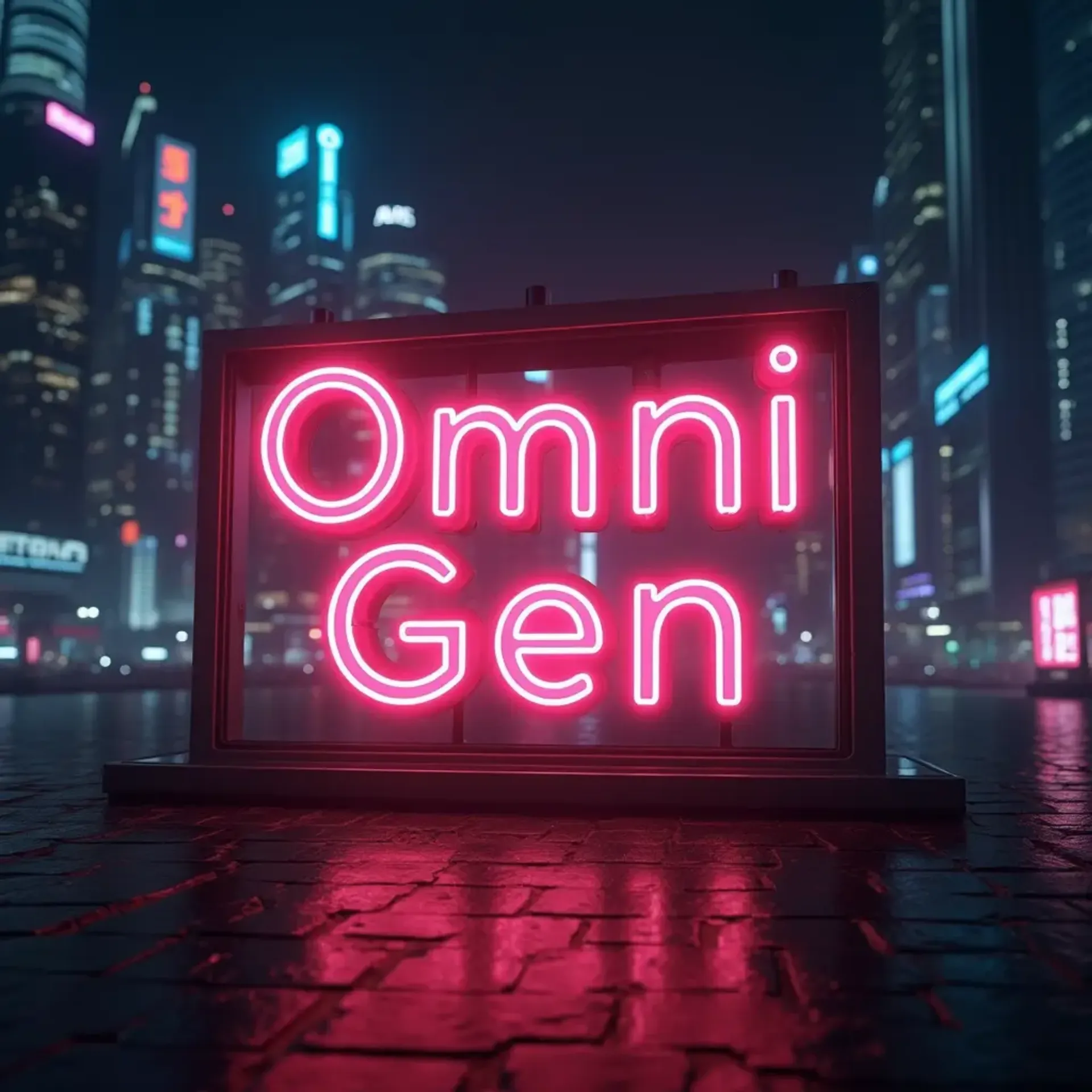
OmniGen is a unified image generation model that can generate a wide range of images from multi-modal prompts. It can be used for various tasks such as Image Editing, Personalized Image Generation, Virtual Try-On, Multi Person Generation and more!
![FLUX.1 SRPO [dev] is a 12 billion parameter flow transformer that generates high-quality images from text with incredible aesthetics. It is suitable for personal and commercial use.](https://refinery.fal.media/url/https%3A%2F%2Fv3b.fal.media%2Ffiles%2Fb%2F0a9f92d3%2FYI0vlnMufwkKs0eTTXmM7_UVyjAsaK.png/tr:w-1920,q-80/YI0vlnMufwkKs0eTTXmM7_UVyjAsaK.webp)
FLUX.1 SRPO [dev] is a 12 billion parameter flow transformer that generates high-quality images from text with incredible aesthetics. It is suitable for personal and commercial use.
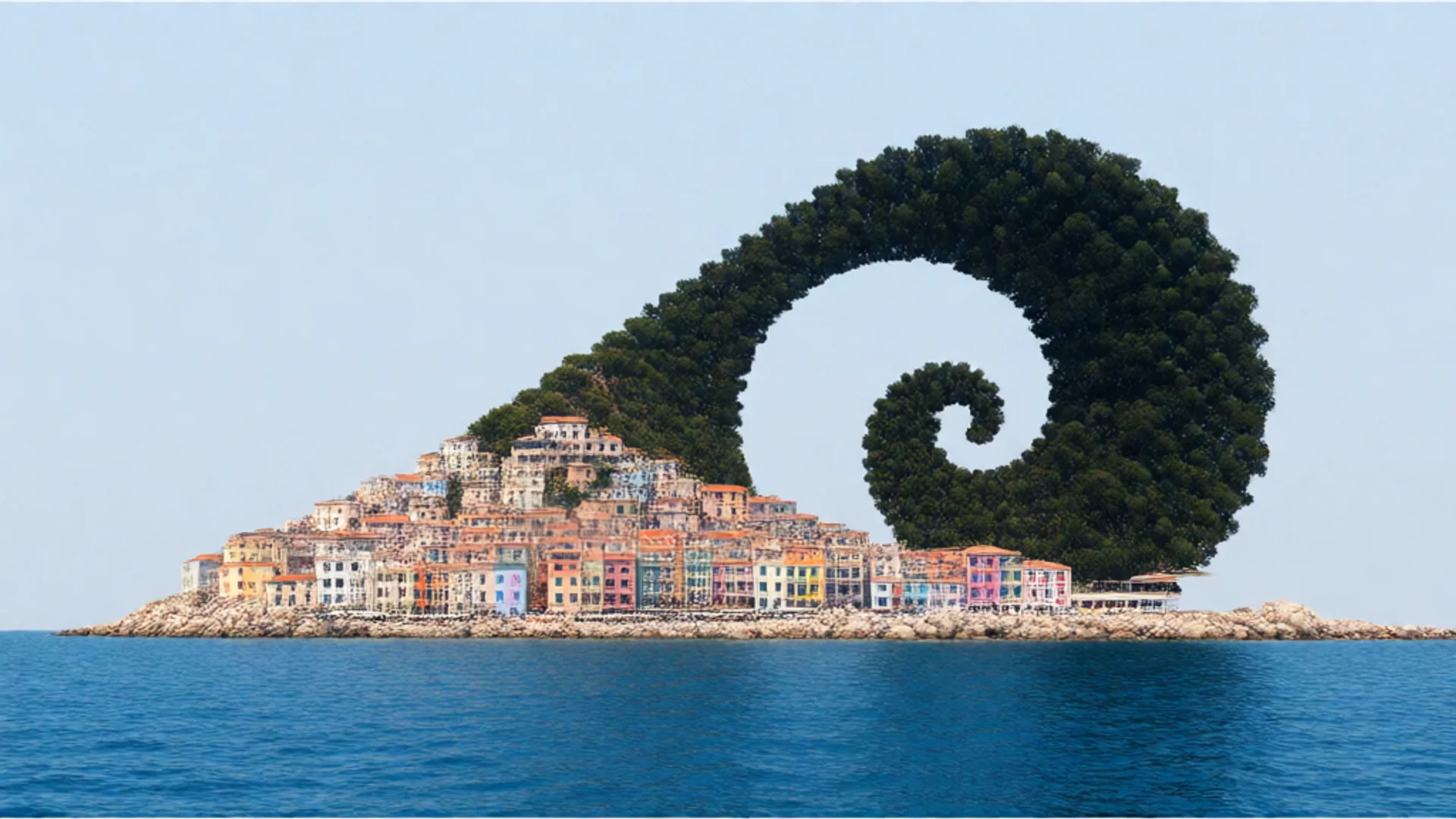
Generate high-quality images, posters, and logos with Ideogram V2A. Features exceptional typography handling and realistic outputs optimized for commercial and creative use.
![Juggernaut Base Flux LoRA by RunDiffusion is a drop-in replacement for Flux [Dev] that delivers sharper details, richer colors, and enhanced realism to all your LoRAs and LyCORIS with full compatibility.](https://refinery.fal.media/url/https%3A%2F%2Fstorage.googleapis.com%2Ffalserverless%2Fgallery%2Fjuggernaut-flux-lora.webp/tr:w-1920,q-80/juggernaut-flux-lora.webp)
Juggernaut Base Flux LoRA by RunDiffusion is a drop-in replacement for Flux [Dev] that delivers sharper details, richer colors, and enhanced realism to all your LoRAs and LyCORIS with full compatibility.
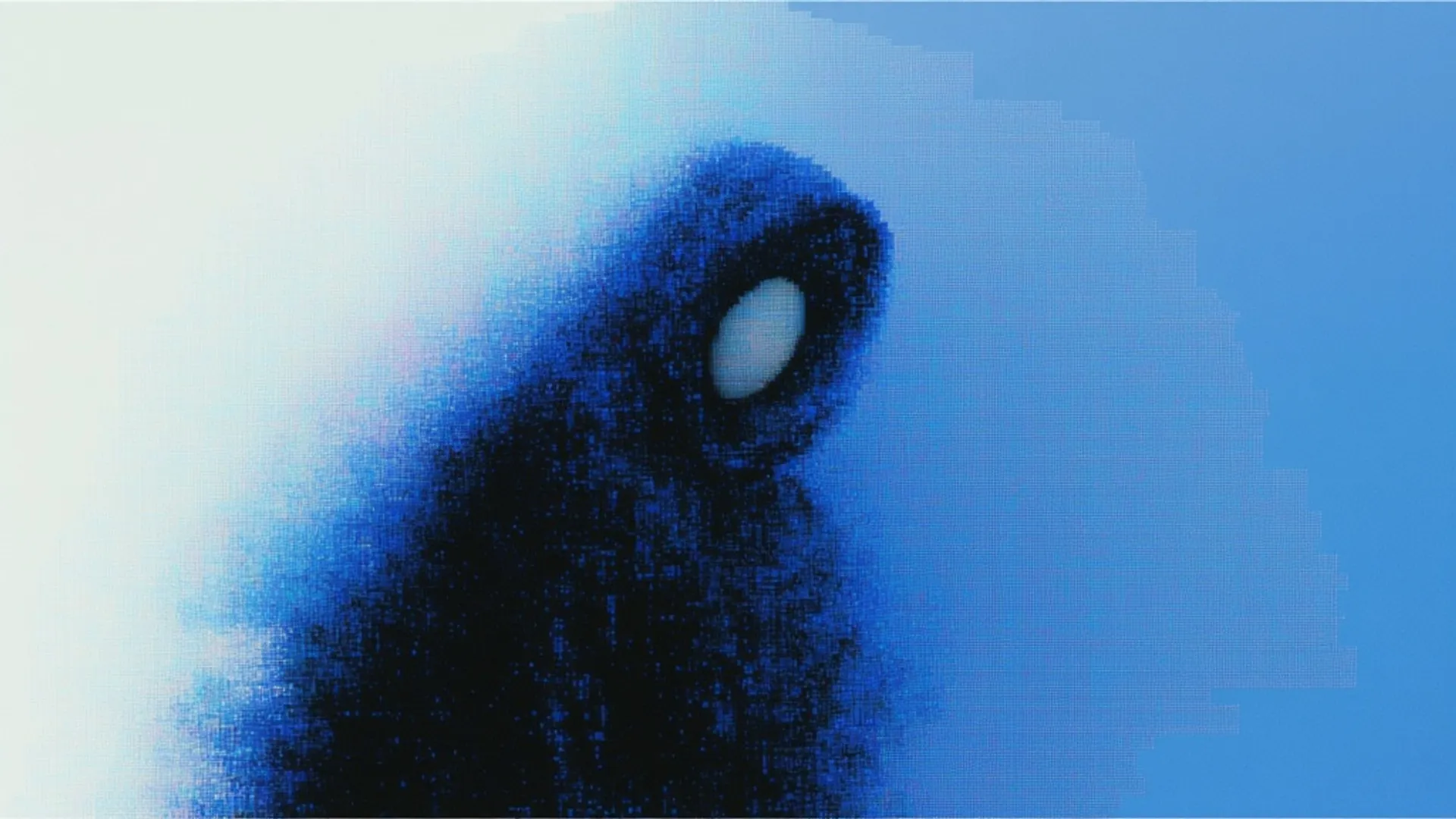
Ovis-Image is a 7B text-to-image model specifically optimized for quick, high quality text rendering.
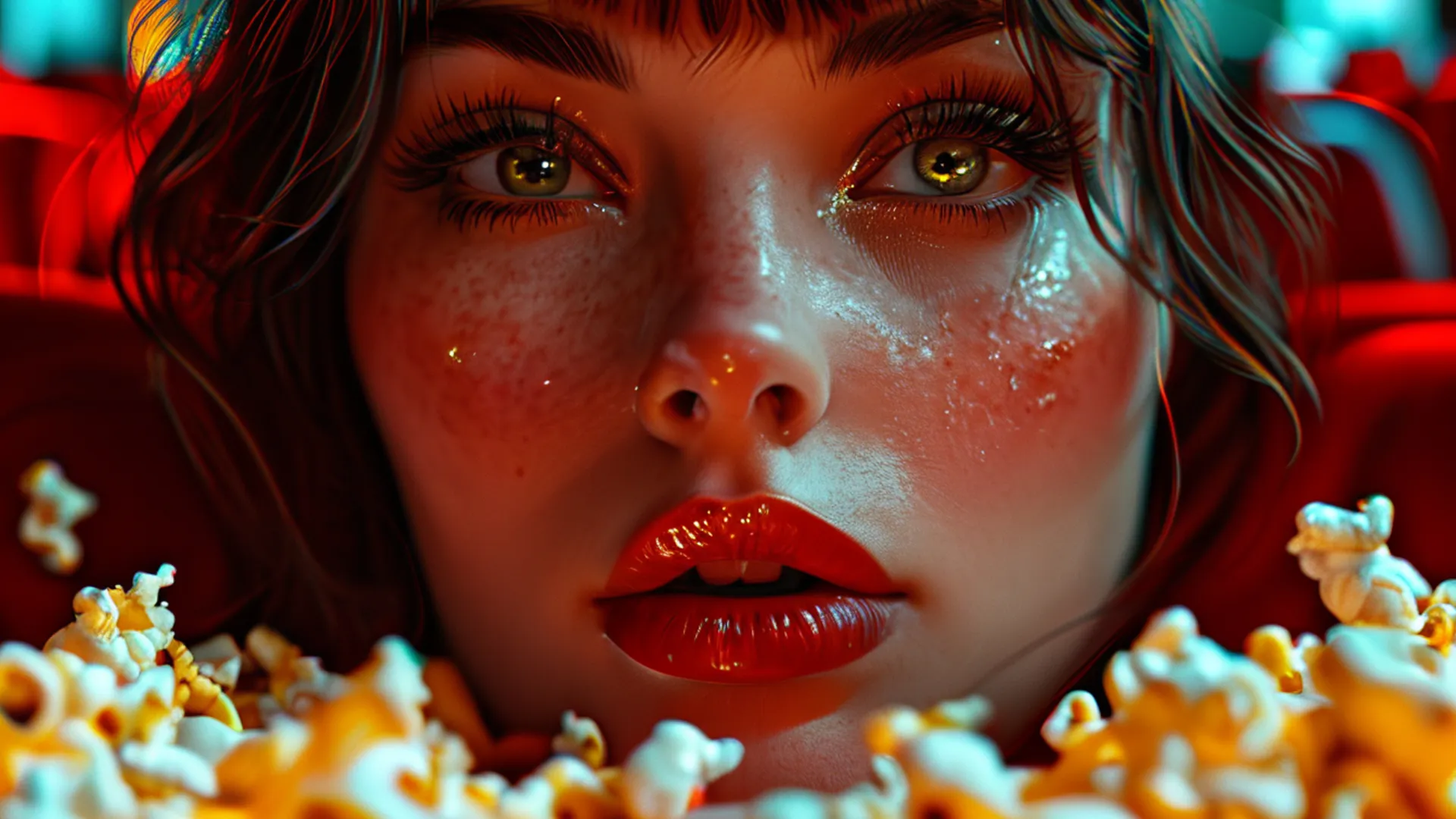
Sana v1.5 1.6B is a lightweight text-to-image model that delivers 4K image generation with impressive efficiency.
Sana v1.5 4.8B is a powerful text-to-image model that generates ultra-high quality 4K images with remarkable detail.
![Super fast text-to-image endpoint for the FLUX.1 Kontext [dev] model with LoRA support, enabling rapid and high-quality image generation using pre-trained LoRA adaptations for personalization, specific styles, brand identities, and product-specific outputs.](https://refinery.fal.media/url/https%3A%2F%2Fstorage.googleapis.com%2Ffal_cdn%2Ffal%2FTraining-4.jpg/tr:w-1920,q-80/Training-4.webp)
Super fast text-to-image endpoint for the FLUX.1 Kontext [dev] model with LoRA support, enabling rapid and high-quality image generation using pre-trained LoRA adaptations for personalization, specific styles, brand identities, and product-specific outputs.
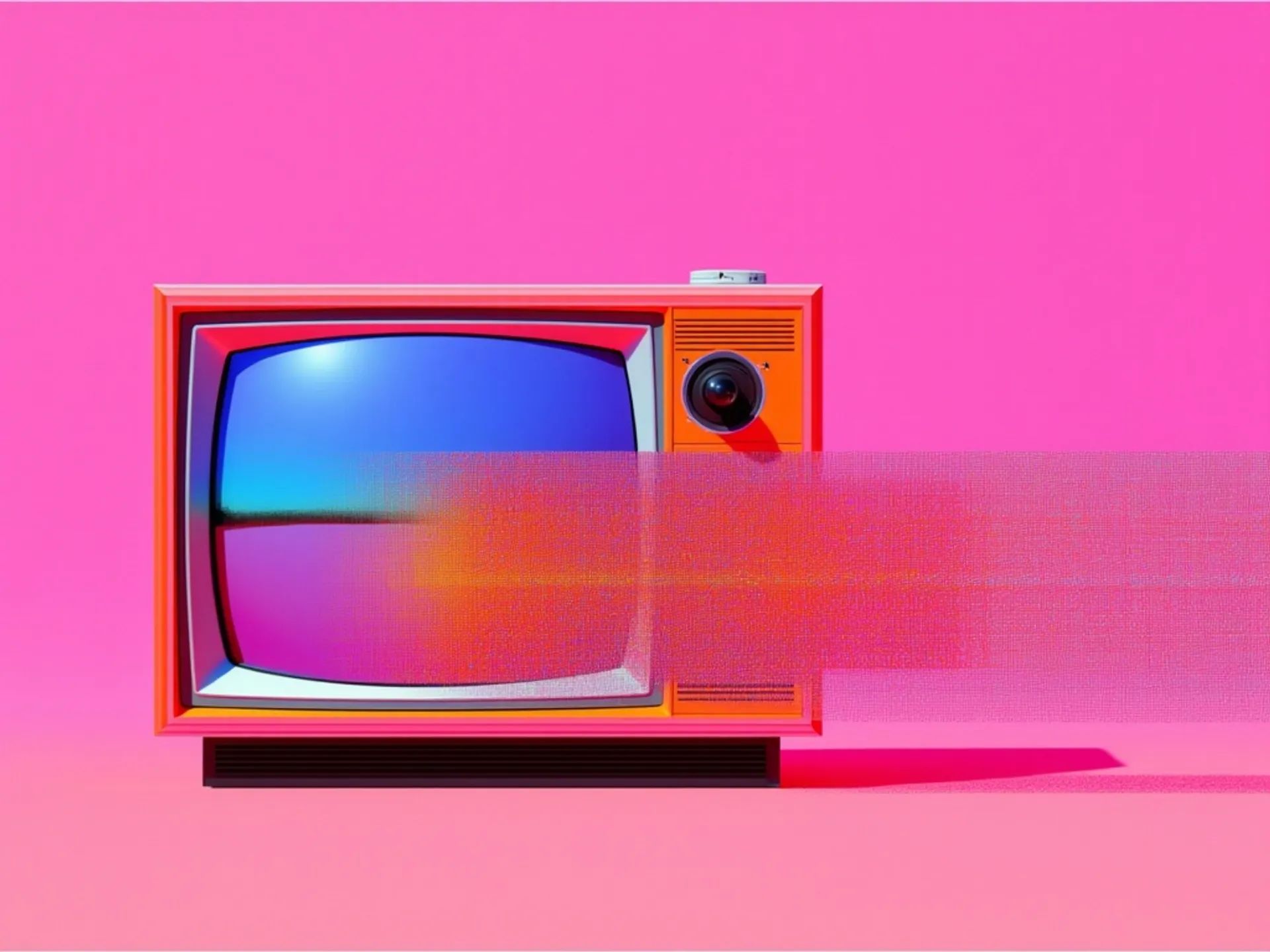
Fast, low-latency text-to-image model with high-quality output and full JSON-structured controllability. Open-source, trained on licensed data, and optimized for production-scale generation.
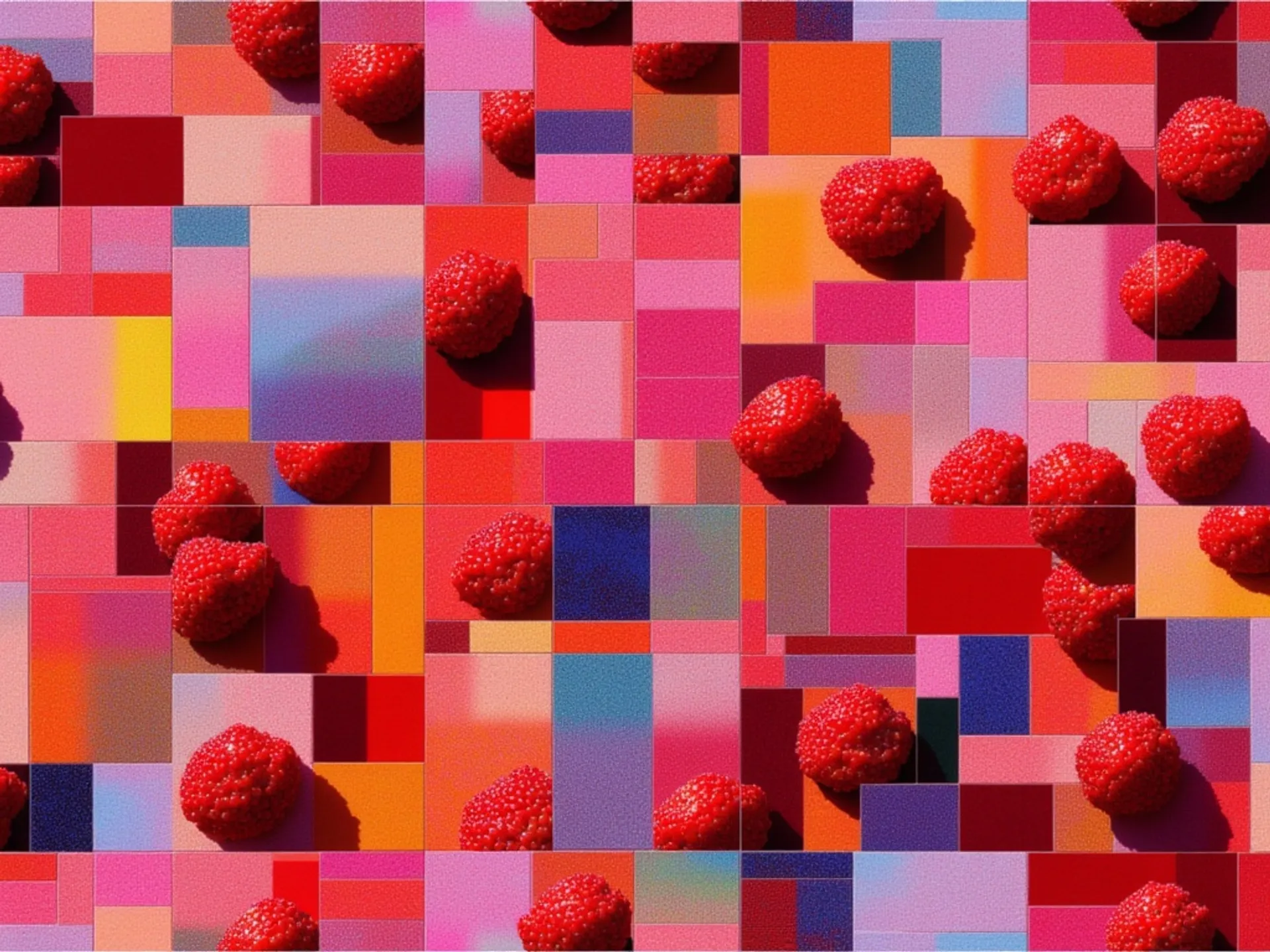
Generate seamlessly tiling photorealistic images from text using Z-Image Turbo and custom LoRA
Every image model on fal shares the same SDK pattern. Swapping Nano Banana 2 for FLUX.2 [dev] or GPT Image 2 is a one-line endpoint change, with the auth flow and queue behavior unchanged.
bashnpm install --save @fal-ai/client
bashexport FAL_KEY="YOUR_API_KEY"
jsimport { fal } from "@fal-ai/client";

const result = await fal.subscribe("fal-ai/nano-banana-2", {
  input: { prompt: "A photorealistic Tokyo cafe at golden hour" }
});
GPT Image 2, Nano Banana 2, Ideogram V3, and Recraft V3 and V4 all treat typography as a primary capability.
The FLUX family covers most photoreal production work on fal, with a few partner models filling specific niches.
For high-volume work on fal, the Turbo and distilled models generate in roughly 1,2 seconds.
You can generate low-resolution drafts on a Turbo model to scout the prompt space, then run only the keepers through a higher-fidelity model at full resolution.
Image generation on fal is priced per output. Some models charge per megapixel of image area, others charge per image.
| Model | Price |
|---|---|
| Seedream V4.5 | $0.04 / image |
| Nano Banana 2 | $0.08 / image at 1K (1.5x at 2K, 2x at 4K) |
| Nano Banana Pro | $0.15 / image |
As a worked example, a team generating 1,000 marketing images per month at 1K resolution pays roughly:


