Readme
Framepack: Efficient Image-to-Video Generation
Transform static images into dynamic videos with Framepack, an advanced image-to-video model that autoregressively generates high-quality video content. Perfect for developers and creative professionals working with video production, content creation, and digital media.
Overview
Framepack is an efficient neural network that converts single images into compelling video sequences using text prompts to guide the generation process. The model generates videos frame-by-frame in an autoregressive manner, creating smooth motion and realistic video content from your input images.
Key Benefits
Create engaging video content with advanced AI capabilities:
- Transform static images into dynamic video sequences
- Generate videos up to 180 frames with customizable resolution
- Control video generation with detailed text prompts
- Support for multiple aspect ratios (16:9, 4:3, 1:1, 9:16, 3:4)
- Commercial use allowed for generated content
- Built-in safety checker for content moderation
Getting Started
Getting started with Framepack takes just a few minutes. First, install your preferred SDK:
For JavaScript/TypeScript:
npm install --save @fal-ai/client
For Python:
Configure your authentication:
import { fal } from "@fal-ai/client";
fal.config({
credentials: "YOUR_FAL_KEY_HERE"
});
Basic Usage
Here's a simple example of image-to-video generation:
import { fal } from "@fal-ai/client";
const result = await fal.subscribe("fal-ai/framepack", {
input: {
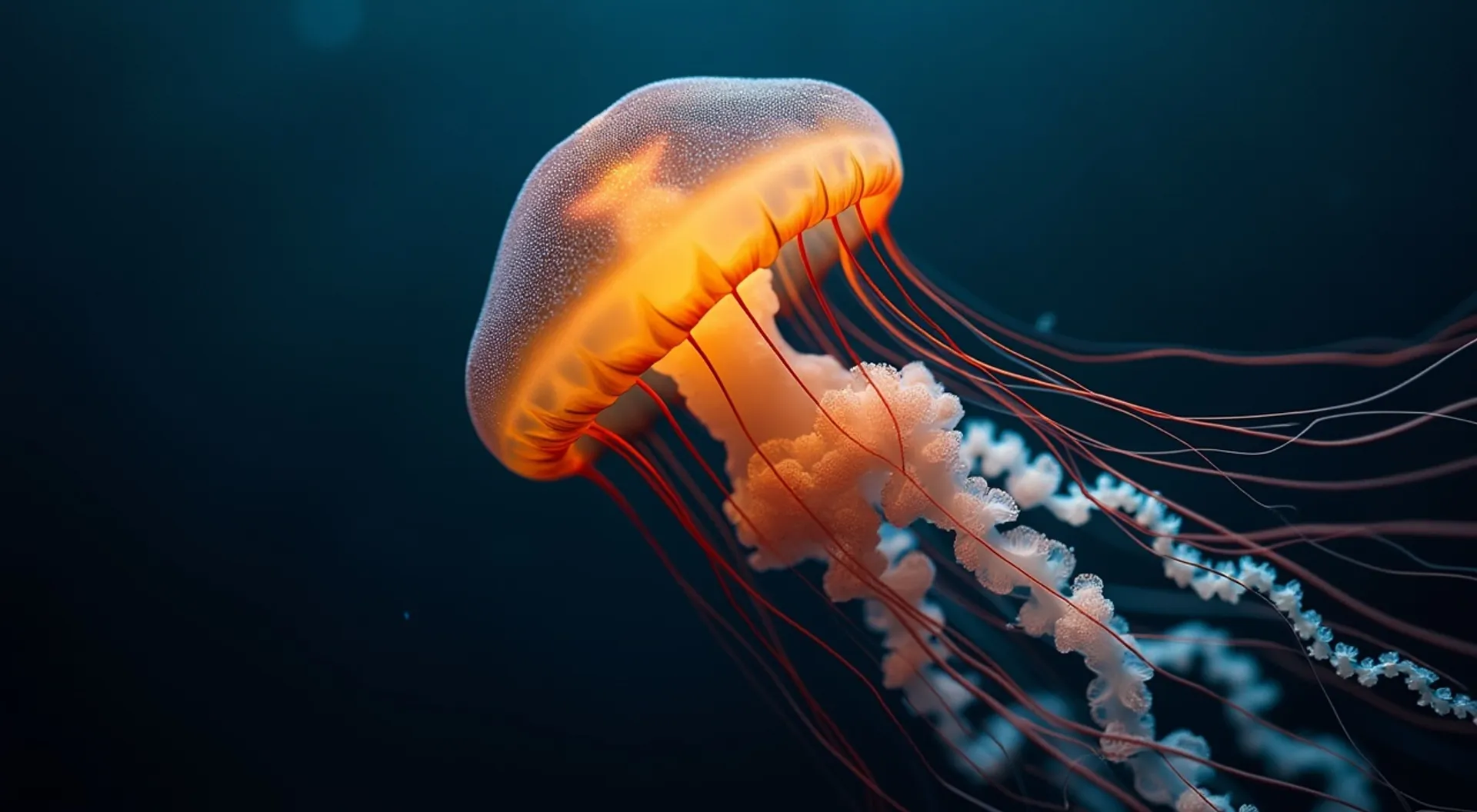
prompt: "A mesmerising video of a deep sea jellyfish moving through an inky-black ocean. The jellyfish glows softly with an amber bioluminescence.",
image_url: "https://your-image-url.com/image.jpg",
aspect_ratio: "16:9",
resolution: "480p",
num_frames: 180
}
});
console.log(result.data.video.url);
Advanced Configuration
Framepack offers comprehensive controls for professional video generation:
Video Parameters
- prompt: Text description to guide video generation (max 500 characters)
- negative_prompt: Specify what to avoid in the generation
- image_url: URL or base64 data URI of your input image
- aspect_ratio: Choose from 16:9, 4:3, 1:1, 9:16, or 3:4
- resolution: Select 480p or higher quality options
- num_frames: Control video length (up to 180 frames)
Quality Controls
- cfg_scale: Adjust classifier-free guidance (default: 1)
- guidance_scale: Fine-tune prompt adherence (default: 10)
- seed: Set for reproducible results
- enable_safety_checker: Content moderation (default: true)
Queue Management
For production applications, use the queue API for better control:
// Submit request
const { request_id } = await fal.queue.submit("fal-ai/framepack", {
input: {
prompt: "Your video description here",
image_url: "your-image-url"
},
webhookUrl: "https://your-webhook-endpoint.com/results"
});
// Check status
const status = await fal.queue.status("fal-ai/framepack", {
requestId: request_id,
logs: true
});
// Get result when complete
const result = await fal.queue.result("fal-ai/framepack", {
requestId: request_id
});
File Handling
Framepack supports multiple input methods:
input: {
image_url: "https://publicly-accessible-image.com/image.jpg"
}
Base64 Data URI
input: {
image_url: "data:image/jpeg;base64,/9j/4AAQSkZJRgABAQAAAQ..."
}
File Upload via fal Storage
const file = new File([imageData], "image.jpg", { type: "image/jpeg" });
const url = await fal.storage.upload(file);
const result = await fal.subscribe("fal-ai/framepack", {
input: {
image_url: url,
prompt: "Your description"
}
});
Best Practices
For optimal results with Framepack:
- Image Quality: Use high-quality input images for better video output
- Prompt Writing: Be specific and descriptive in your text prompts
- Processing Time: Allow approximately 3 minutes for video generation
- Error Handling: Implement proper try-catch blocks for network issues
- Rate Limiting: Monitor your API usage to avoid hitting limits
- Webhook Integration: Use webhooks for long-running requests
- File Formats: Accepted formats include jpg, jpeg, png, webp, gif, avif
Framepack returns a video object with the following structure:
{
"video": {
"url": "https://storage.googleapis.com/falserverless/framepack/output_video.mp4",
"content_type": "video/mp4",
"file_name": "generated_video.mp4",
"file_size": 2048576
},
"seed": 123456789
}
Authentication
Set your API key as an environment variable:
export FAL_KEY="your_api_key_here"
Or configure it programmatically:
import { fal } from "@fal-ai/client";
fal.config({
credentials: "YOUR_FAL_KEY"
});
Technical Support
For additional support and resources:
- API Documentation: docs.fal.ai
- Model Gallery: Browse all available models at fal.ai/models
- Community Support: Join the developer community
- Enterprise Support: Contact support@fal.ai for business needs
Pricing and Usage
Framepack uses transparent per-second pricing:
- Cost: $0.0333 per second of generated video
- Example: A 5-second video costs approximately $0.17
- Billing: Pay only for successful generations
- Commercial Use: Generated content can be used commercially
For detailed pricing information, visit fal.ai/pricing or contact support@fal.ai for enterprise solutions.
Model Variants
Framepack is also available in additional variants:
- fal-ai/framepack: Standard model
- fal-ai/framepack/f1: Alternative variant with similar capabilities
Both variants share the same API interface and pricing structure.