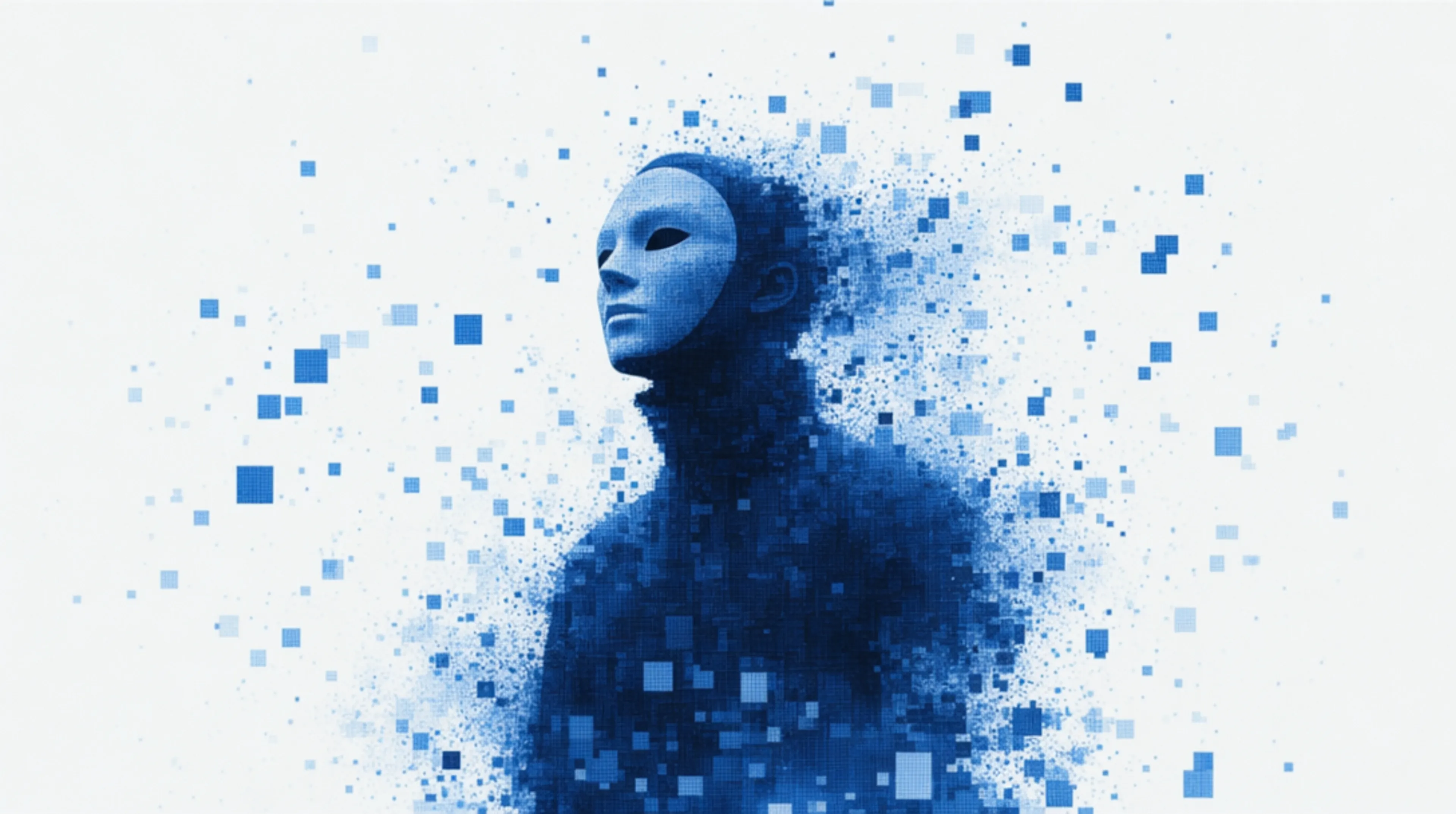


GPT Image 2, OpenAI's latest image model, is capable of creating extremely detailed images with fine typography.
gpt-image-2
openai
typography
text-to-image
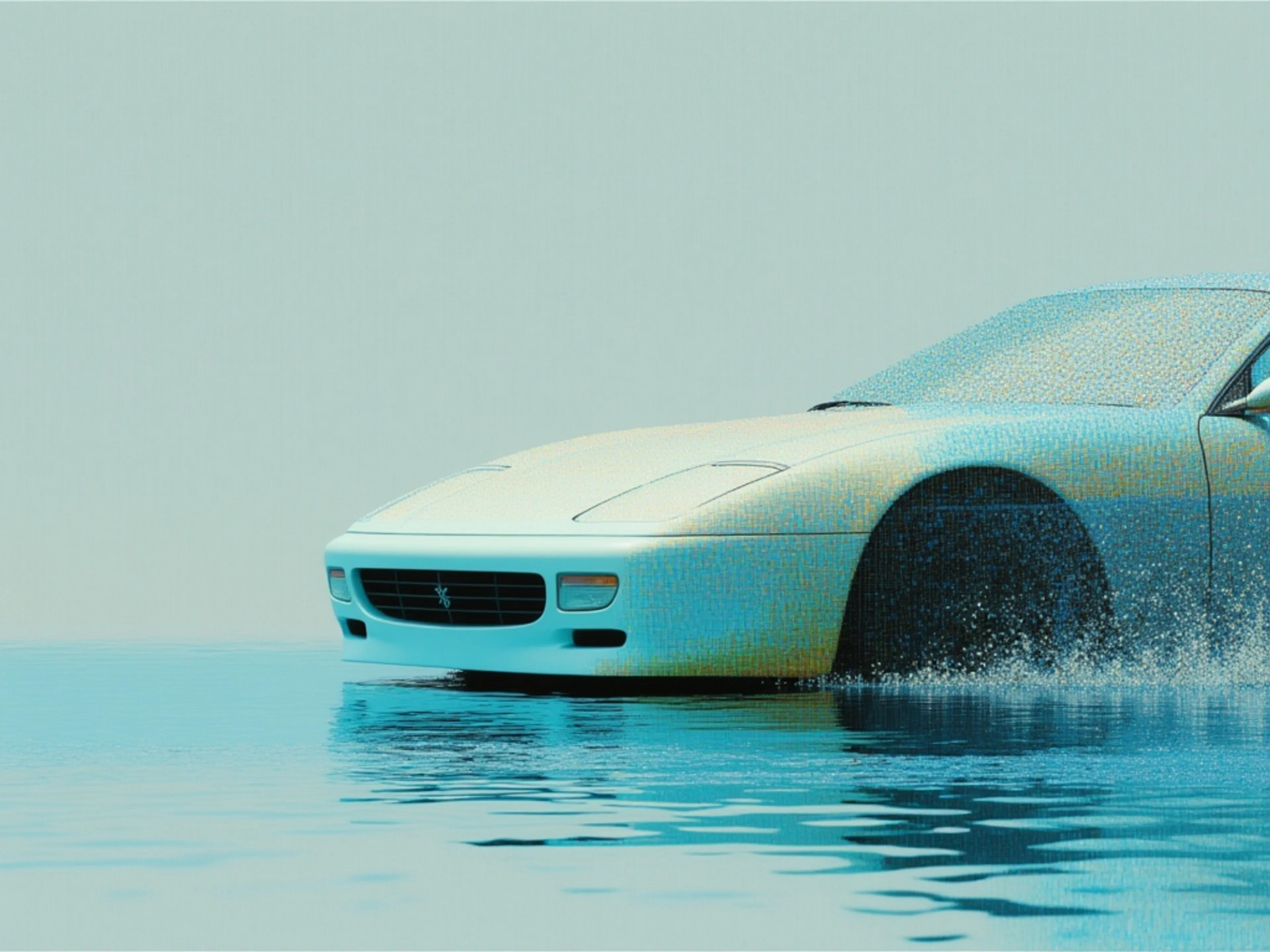


Nano Banana Pro is Google's new state-of-the-art image generation and editing model
realism
typography
text-to-image
new


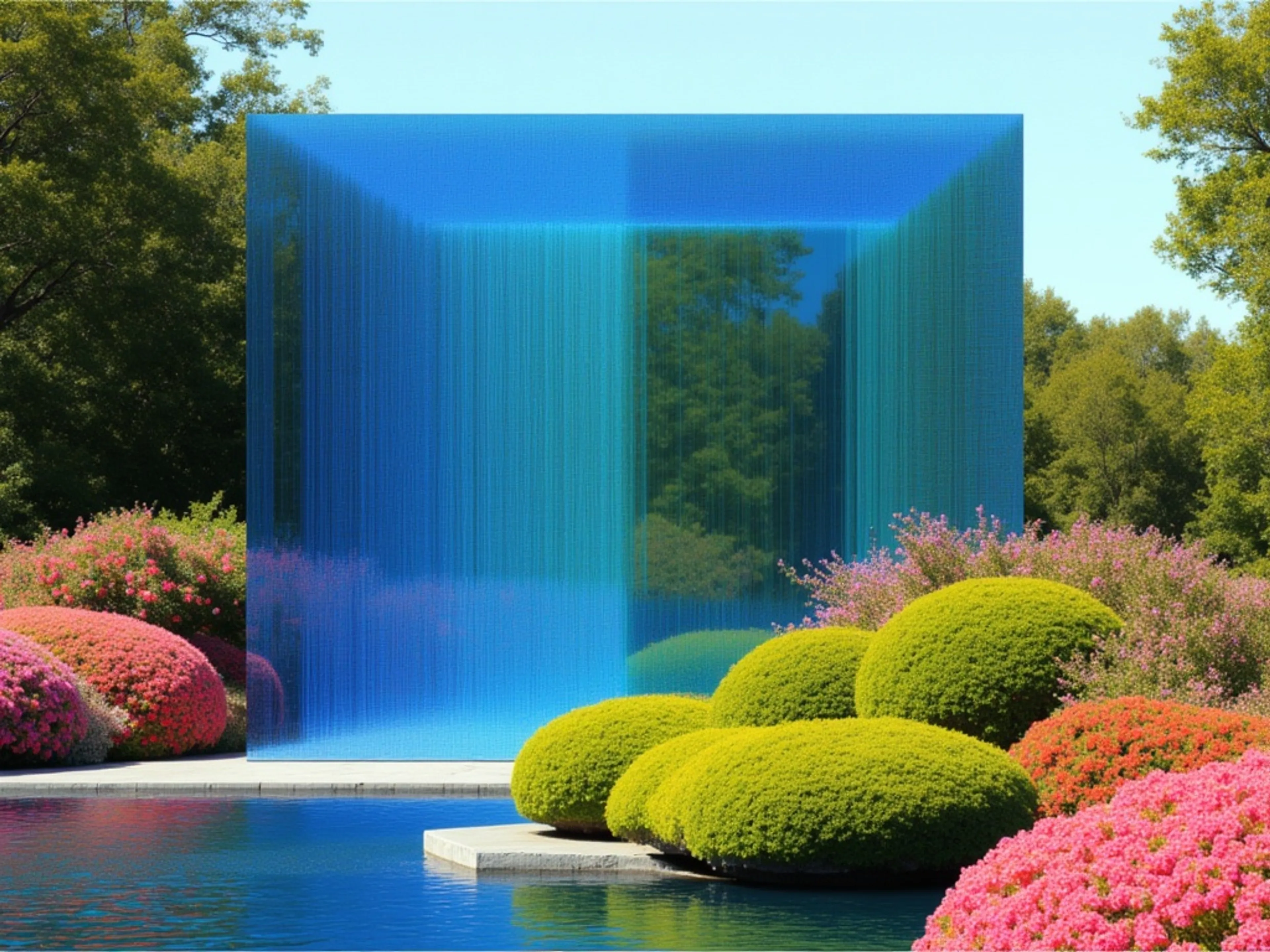
Fibo 2.0 Generate is Bria's text-to-image model, strongest on reasoning and knowledge-heavy prompts the ones that need real understanding, not just a style match. Trained only on licensed data, with clear commercial rights.
image generation
complex prompts
structured prompts
text-to-image
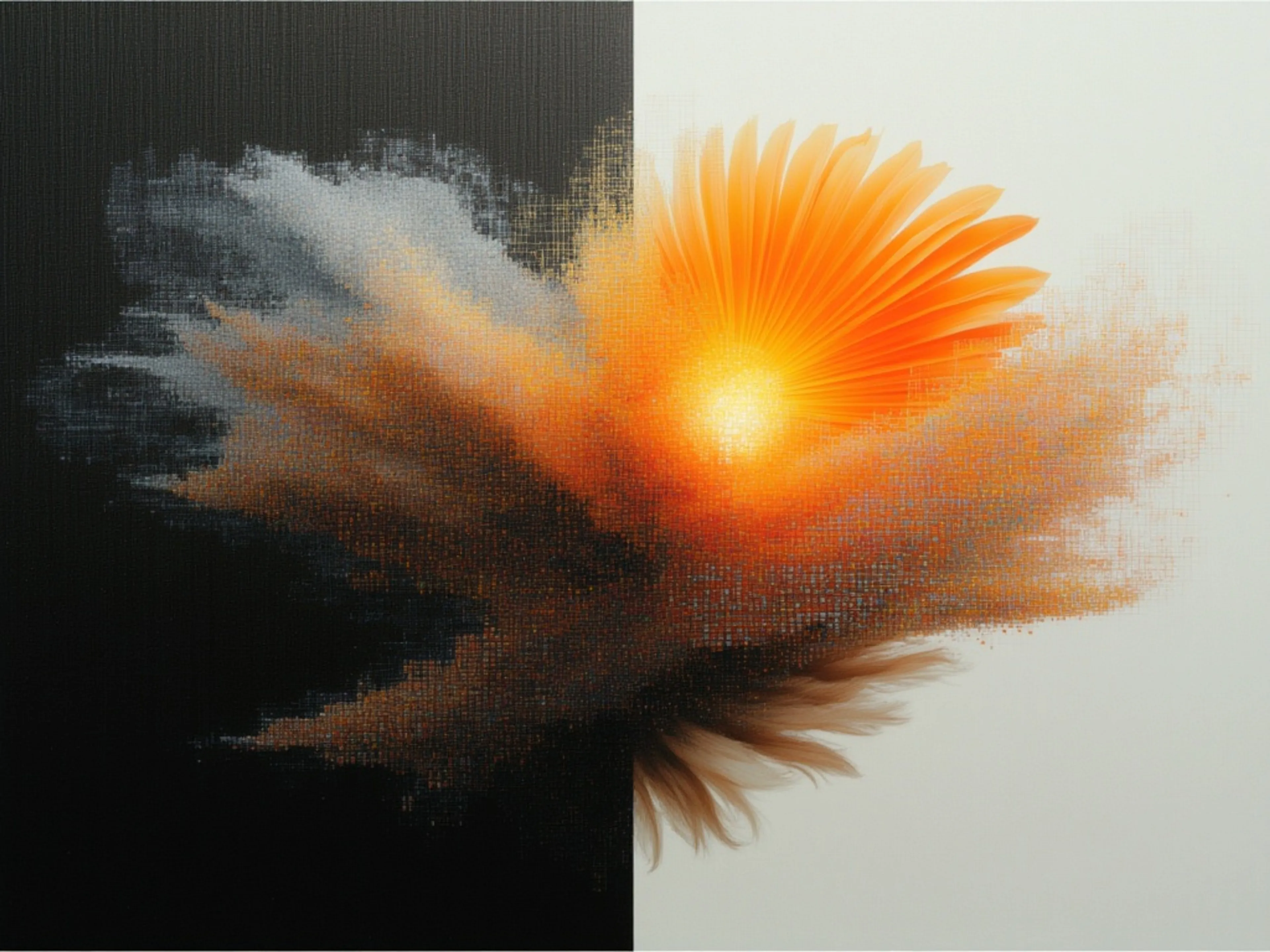
recraft/v4/pro/text-to-image
Recraft V4 was developed with designers to bring true visual taste to AI image generation. Built for brand systems and production-ready workflows, it goes beyond prompt accuracy — delivering stronger composition, refined lighting, realistic materials, and a cohesive aesthetic. The result is imagery shaped by professional design judgment, ready for immediate real-world use without additional post-processing.
text-to-image
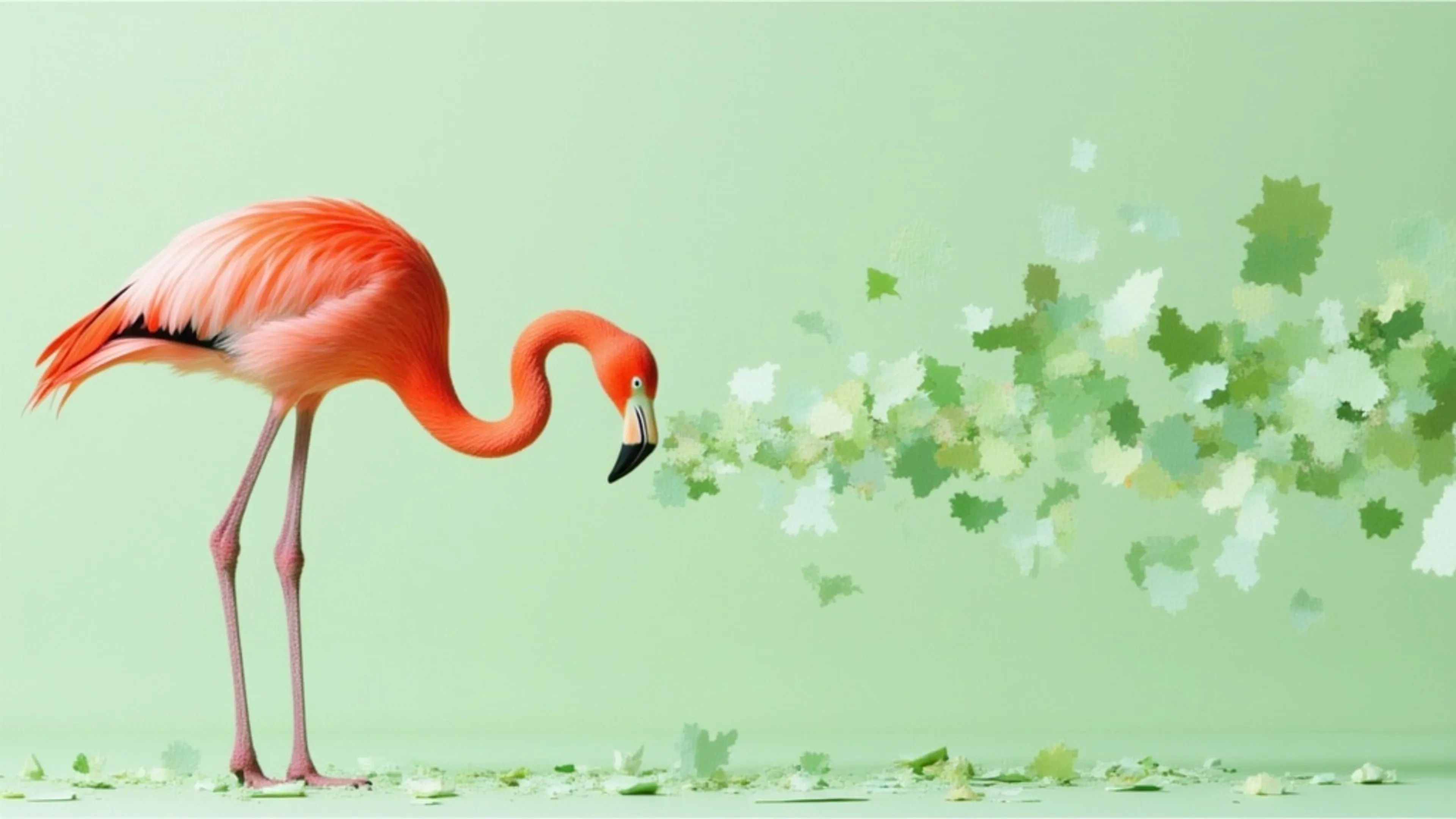
Nano Banana 2 is Google's new state-of-the-art fast image generation and editing model
text-to-image
![FLUX.1 Kontext [pro] handles both text and reference images as inputs, seamlessly enabling targeted, local edits and complex transformations of entire scenes.](https://refinery.fal.media/url/https%3A%2F%2Fstorage.googleapis.com%2Ffal_cdn%2Ffal%2FTraining-2.jpg/tr:w-3840,q-80/Training-2.webp)


FLUX.1 Kontext [pro] handles both text and reference images as inputs, seamlessly enabling targeted, local edits and complex transformations of entire scenes.
image-to-image
![Super fast endpoint for the FLUX.1 [dev] model with LoRA support, enabling rapid and high-quality image generation using pre-trained LoRA adaptations for personalization, specific styles, brand identities, and product-specific outputs.](https://refinery.fal.media/url/https%3A%2F%2Fv3b.fal.media%2Ffiles%2Fb%2F0a9f9a61%2FT4z71gOSeWv0wALDdi2-b_qVoN8eec.png/tr:w-3840,q-80/T4z71gOSeWv0wALDdi2-b_qVoN8eec.webp)
Super fast endpoint for the FLUX.1 [dev] model with LoRA support, enabling rapid and high-quality image generation using pre-trained LoRA adaptations for personalization, specific styles, brand identities, and product-specific outputs.
lora
personalization
text-to-image
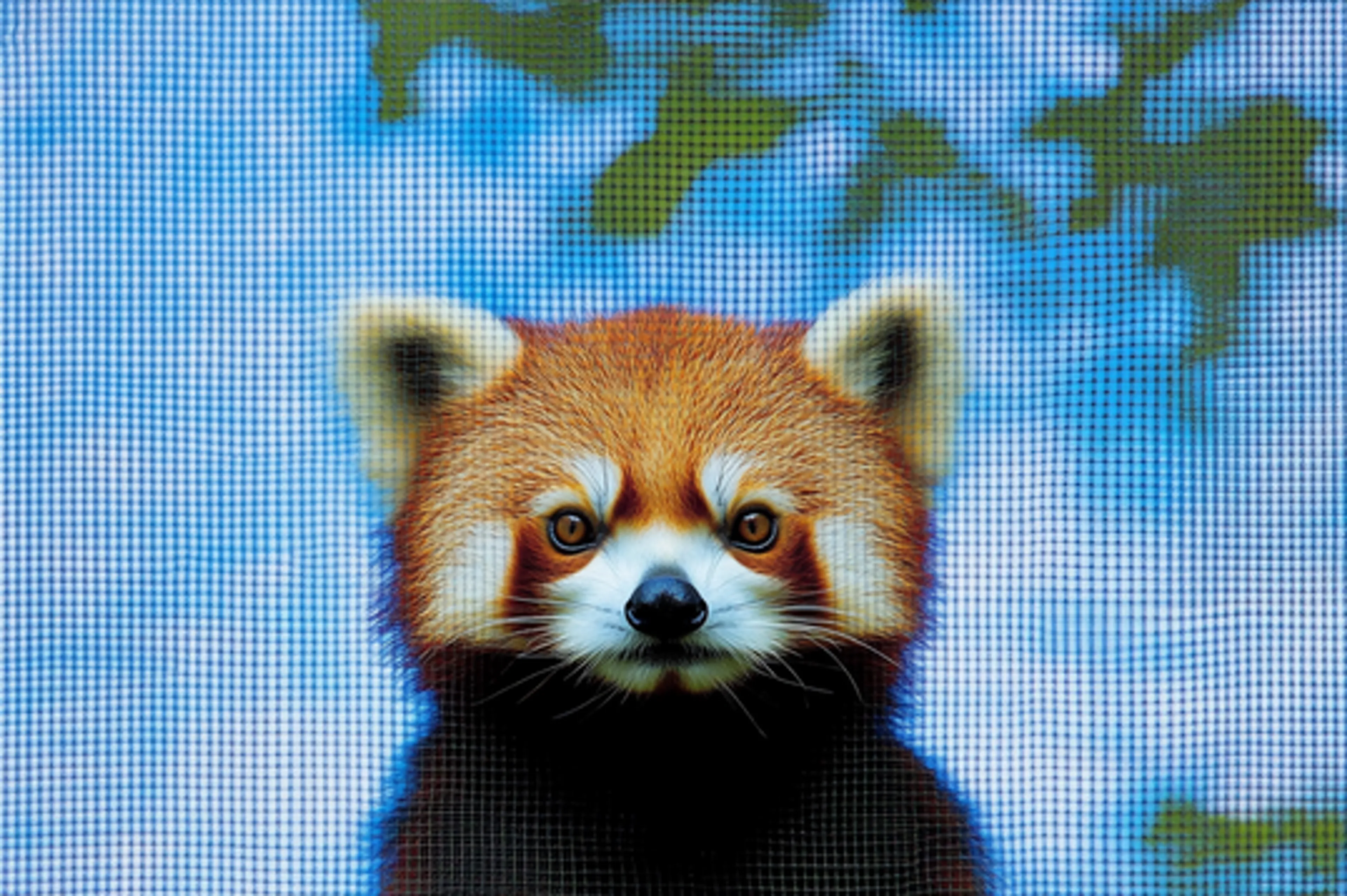
recraft/v3/text-to-image
Recraft V3 is a text-to-image model with the ability to generate long texts, vector art, images in brand style, and much more. As of today, it is SOTA in image generation, proven by Hugging Face's industry-leading Text-to-Image Benchmark by Artificial Analysis.
vector
typography
style
text-to-image
Best Image Generation Models on fal
What earns a model a spot on the "best" image models list?
Production-ready output and a distinctive capability: text rendering, editing, personalization, or licensed-data training.
- GPT Image 2, OpenAI's latest AI image generation model, is capable of reasoning about input text and is built for developers who require extreme prompt adherence and best-in-class text rendering capabilities.
- Nano Banana Pro brings Google's Gemini 3 Pro multimodal reasoning to image generation, with text rendering and character consistency built into the architecture.
- Recraft V4 and V3 cover the design-focused end, with vector output and brand-system rendering tuned for production work.
- ImagineArt 2.0 brings high-fidelity realism with cinematic effects for visual-heavy commercial work.
- FLUX.1 Kontext [pro] handles targeted editing and scene transformations from text instructions paired with reference images.
- FLUX Krea LoRA stream runs FLUX.1 [dev] with LoRA support for fast personalization across brand identities and product lines.
- Bria FIBO is the enterprise pick: an open-source 8B parameter model trained exclusively on licensed data with JSON-structured prompts for reproducible control.
Which of these models is built for editing existing images?
FLUX.1 Kontext [pro] is the editing model on this list. It accepts both text instructions and reference images as inputs, which is why it's useful for targeted local edits (changing a single object, swapping a background) and broader scene transformations (relighting and multi-element changes).
Kontext is built for multi-turn editing workflows where character identity and overall composition need to survive across successive edits, making it a fit for product photo iteration and storyboard refinement.
The rest of the models focus on generating from scratch, though Nano Banana Pro accepts up to 14 reference images for compositing and stylistic guidance.
Can I train any of these models on my brand or product line?
FLUX Krea LoRA stream is the personalization-focused option on this list. It runs FLUX.1 [dev] with LoRA adapter support, letting you generate images that match a specific brand identity or product photography style without rebuilding the base model.
You can either use pre-trained LoRAs published by the community or train your own on a small set of reference images. Custom LoRAs work well for consistent product mockups across a campaign and style transfer that matches an established visual language.
The stream variant runs at low latency, useful when LoRA iteration is part of a creative review loop.
What is the best open-source image generation model on this list?
Bria FIBO is an open-source 8B parameter text-to-image model trained on 100% licensed commercial imagery, which gives enterprise teams legal defensibility for generated outputs.
FIBO uses JSON-structured prompts that can run 1,000+ words, with control over lighting, composition, color, and camera settings as separate attributes rather than fused descriptive text. That separation lets you tweak one parameter without breaking the rest of the scene, useful for regulated industries and agentic workflows where outputs need to be reproducible.
How does pricing scale across these top-tier image models?
Pricing across this curated list spans from $0.035 per megapixel to $0.15 per image.
| Model | Price |
|---|---|
| GPT Image 2 | $0.005/image (low, 1024x768) to $0.401/image (high, 3840x2160) |
| FLUX.1 Kontext [pro] | $0.04 / image |
| FLUX Krea LoRA stream | $0.035 / megapixel |
| Bria FIBO | $0.04 / image |
| Recraft V3 | $0.04 / image ($0.08 for vector styles) |
| Nano Banana Pro | $0.15 / image (4K outputs at 2x rate) |
With fal, there are no subscriptions or minimums. Credits draw down per generation, and you can mix models in the same workflow.