fal-ai/flux-lora/image-to-image
Input
Hint: Drag and drop image files from your computer, images from web pages, paste from clipboard (Ctrl/Cmd+V), or provide a URL. Accepted file types: jpg, jpeg, png, webp, gif, avif
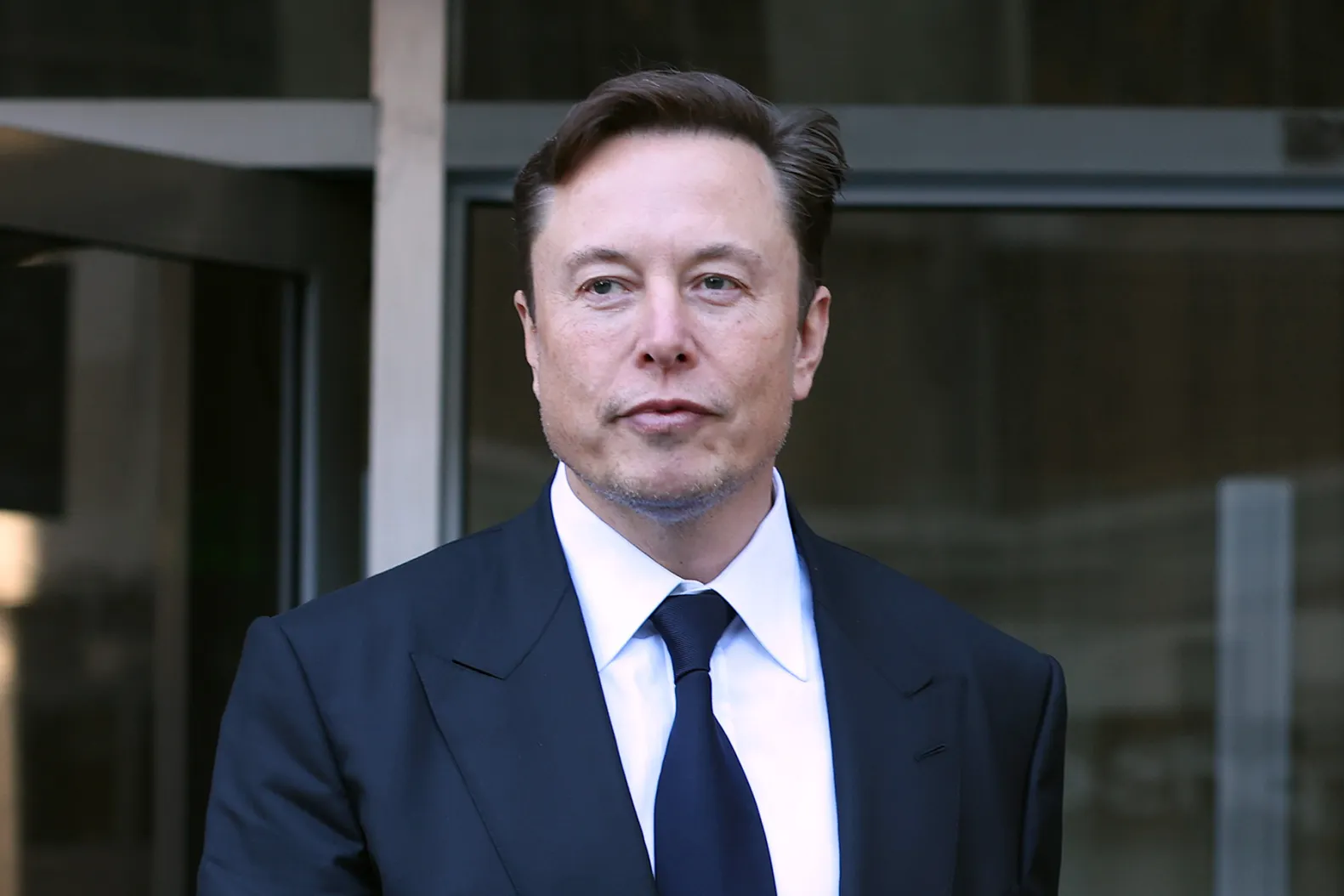
Customize your input with more control.
Result

What would you like to do next?
Your request will cost $0.035 per megapixel.
Images are billed by rounding up to the nearest megapixel.
Logs
FLUX.1 [dev] with LoRAs | [image-to-image]
Black Forest Labs' FLUX.1 [dev] transforms existing images through LoRA-adapted style transfer at $0.035 per megapixel. This endpoint enables rapid style modifications while preserving structural elements through adjustable strength parameters. Ideal for developers building iterative design tools, content variation pipelines, or style exploration workflows where controlled transformation matters more than starting from scratch.
Use Cases: Product photo style variations | Character design iterations | Architectural rendering refinements
Performance
At $0.035 per megapixel with flexible resolution support, FLUX.1 [dev] with LoRAs delivers cost-effective image transformation, approximately 28 images per dollar for standard 1MP outputs.
| Metric | Result | Context |
|---|---|---|
| Inference Steps | 1-50 (default 28) | Configurable quality-speed tradeoff |
| Cost per Megapixel | $0.035 | ~28 generations per $1.00 at 1MP resolution |
| Batch Generation | 1-4 images | Parallel output support per request |
| Transformation Strength | 0.01-1.0 (default 0.85) | 1.0 = complete remake, 0.0 = preserve original |
| Related Endpoints | FLUX.1 [dev] Inpainting with LoRAs, FLUX.1 [dev] Text to Image | Inpainting for masked edits, text-to-image for net-new generation |
Controlled Transformation Through LoRA Architecture
FLUX.1 [dev] with LoRAs applies Low-Rank Adaptation layers to the base FLUX diffusion model, enabling style transfer without full model retraining. Unlike standard text-to-image endpoints that generate from scratch, this image-to-image variant preserves structural composition while applying artistic modifications through merged LoRA weights.
What this means for you:
-
Stackable style control: Apply unlimited LoRA combinations per request to merge multiple artistic styles, training adaptations, or aesthetic directions into a single transformation
-
Preservation flexibility: Strength parameter (0.01-1.0) controls how much original image structure survives, 0.85 default balances recognizable composition with substantial style application
-
Batch efficiency: Generate 1-4 style variations simultaneously from the same source image, reducing API overhead for A/B testing or client presentation workflows
-
Guidance precision: CFG scale (0-35, default 3.5) fine-tunes prompt adherence strength, enabling subtle modifications or dramatic reinterpretations depending on creative requirements
Technical Specifications
| Spec | Details |
|---|---|
| Architecture | FLUX.1 [dev] |
| Input Formats | JPEG, PNG, WebP, GIF, AVIF via URL |
| Output Formats | JPEG, PNG |
| Resolution | Flexible (billed per megapixel) |
| License | Commercial use permitted |
API Documentation | Quickstart Guide | Enterprise Pricing
How It Stacks Up
FLUX.1 [dev] Inpainting with LoRAs ($0.035/MP) – FLUX.1 [dev] with LoRAs applies global transformations across entire images, while the inpainting variant targets masked regions for localized edits at identical pricing. Inpainting excels for object removal or selective area refinement where preserving most of the original composition is critical.
FLUX.1 [dev] Image to Image ($0.040/MP) – The base FLUX.1 [dev] image-to-image endpoint operates without LoRA adaptations at $0.040 per megapixel (14% higher cost), offering pure diffusion-based transformation. FLUX.1 [dev] with LoRAs trades slightly lower base fidelity for stackable style control through merged LoRA weights, ideal when specific aesthetic training matters more than raw model performance.