fal-ai/flux-2-lora-gallery/virtual-tryon
Input
Hint: Drag and drop files from your computer, images from web pages, paste from clipboard (Ctrl/Cmd+V), or provide a URL.

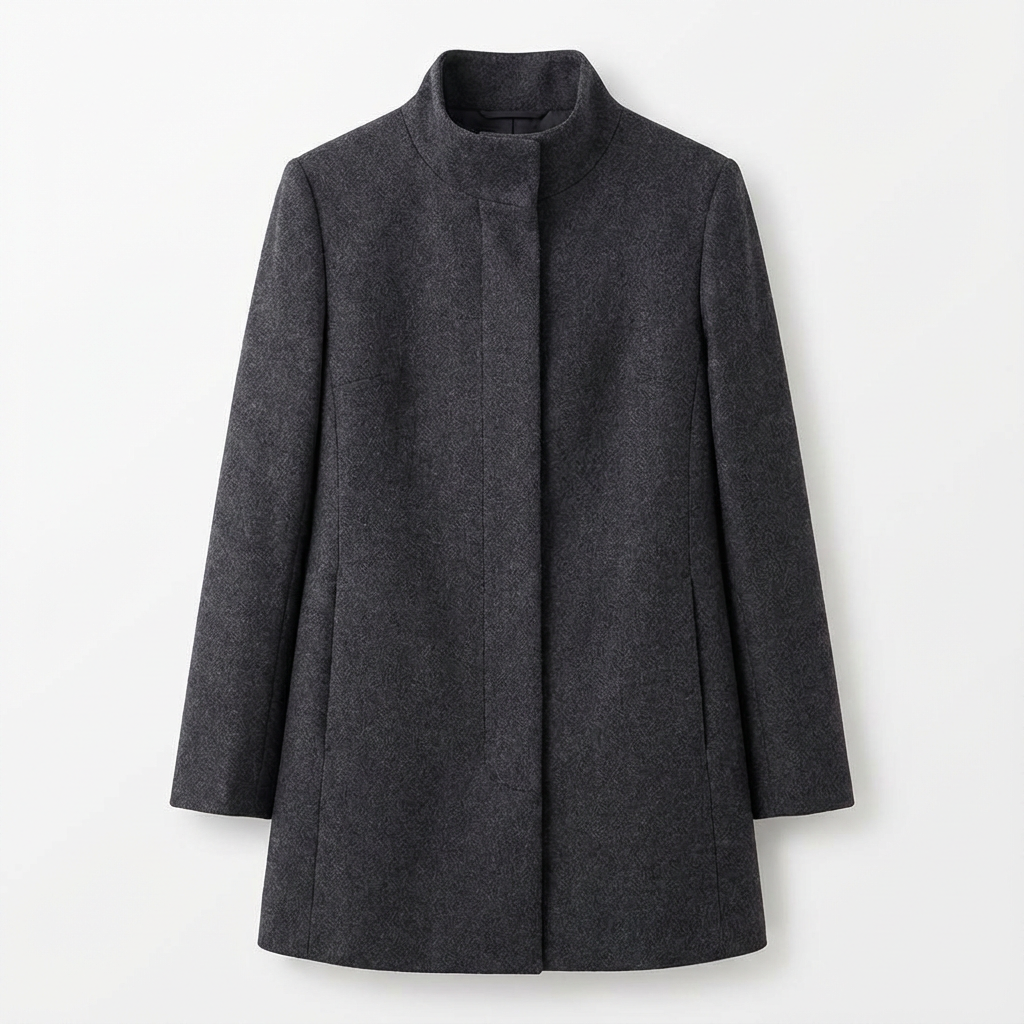
Customize your input with more control.
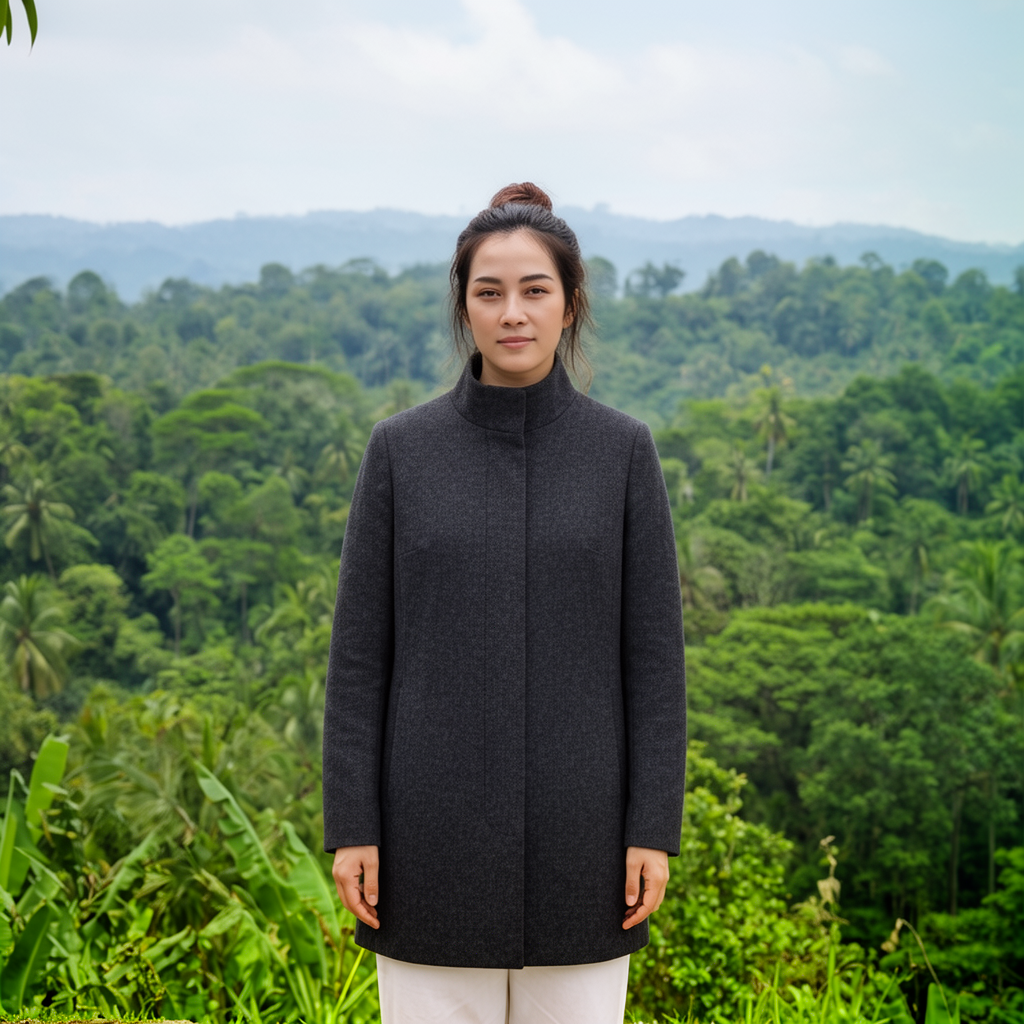
Flux 2 Lora Gallery (virtual try-on) | [image-to-image]
Black Forest Labs' FLUX.2 architecture delivers virtual clothing try-on using dual-image input (person + garment) at $0.021 per compute second. Trading broad creative flexibility for specialized fashion workflows, this LoRA-tuned variant prioritizes garment fit accuracy over general-purpose image editing. Built for e-commerce teams and fashion platforms needing production-ready try-on at scale.
Use Cases: E-commerce Product Visualization | Fashion Catalog Generation | Virtual Fitting Rooms
Performance
FLUX.2 Lora Gallery processes virtual try-on requests at $0.021 per compute second, positioning it as a specialized alternative to general-purpose image-to-image models that cost $0.039-$0.055 per generation.
| Metric | Result | Context |
|---|---|---|
| Input Requirements | 2 images (person + garment) | Dual-image workflow vs single-image editors |
| Inference Steps | 40 steps (default) | Configurable 1-50 range for speed/quality tradeoff |
| Cost per Compute Second | $0.021 | Per-second billing vs per-generation pricing |
| Output Options | 1-4 images per request | Batch generation for A/B testing workflows |
| Related Endpoints | FASHN Virtual Try-On V1.5 | Specialized fashion try-on vs general FLUX.2 variants |
Purpose-Built Virtual Try-On Architecture
FLUX.2 Lora Gallery applies LoRA fine-tuning to Black Forest Labs' base diffusion architecture, optimizing specifically for garment transfer between person and clothing images rather than general image manipulation.
What this means for you:
-
Dual-Image Processing: Accepts separate person and garment inputs via
`image_urls`array, eliminating manual masking or background removal workflows that general editors require -
Controllable LoRA Strength:
`lora_scale`parameter (0-2 range) adjusts garment transfer intensity, letting you balance photorealism against garment visibility for different product types -
Acceleration Modes:
`acceleration`parameter offers "regular" mode for faster generation when catalog velocity matters more than maximum detail preservation -
Batch Output: Generate up to 4 variations per request for A/B testing fit, lighting, or pose variations without separate API calls
Technical Specifications
| Spec | Details |
|---|---|
| Architecture | FLUX.2 with LoRA fine-tuning |
| Input Formats | 2 image URLs (person + garment) |
| Output Formats | PNG, JPEG, WebP |
| Guidance Scale | 0-20 (default 2.5) |
| License | Commercial use permitted |
API Documentation | Quickstart Guide | Enterprise Pricing
How It Stacks Up
FASHN Virtual Try-On V1.5 ($0.039 per generation) - FLUX.2 Lora Gallery trades per-generation pricing for per-compute-second billing, offering cost advantages for workflows requiring multiple inference step configurations. FASHN prioritizes fixed-cost predictability and higher baseline quality for premium fashion applications.
FLUX.1 [dev] Image to Image ($0.055 per generation) - FLUX.2 Lora Gallery specializes in dual-image garment transfer at lower cost ($0.021/sec vs $0.055/generation for typical 2-3 second runs). FLUX.1 [dev] offers broader image editing capabilities for general-purpose transformation workflows beyond fashion try-on.
Flux 2 Image to Image ($0.039 per generation) - FLUX.2 Lora Gallery applies fashion-specific LoRA tuning for garment fitting versus the general-purpose editing capabilities of Flux 2's standard endpoint. Standard FLUX.2 handles broader image manipulation tasks where dual-image garment transfer isn't required.