fal-ai/magi/image-to-video

Input
Hint: Drag and drop image files from your computer, images from web pages, paste from clipboard (Ctrl/Cmd+V), or provide a URL. Accepted file types: jpg, jpeg, png, webp, gif, avif
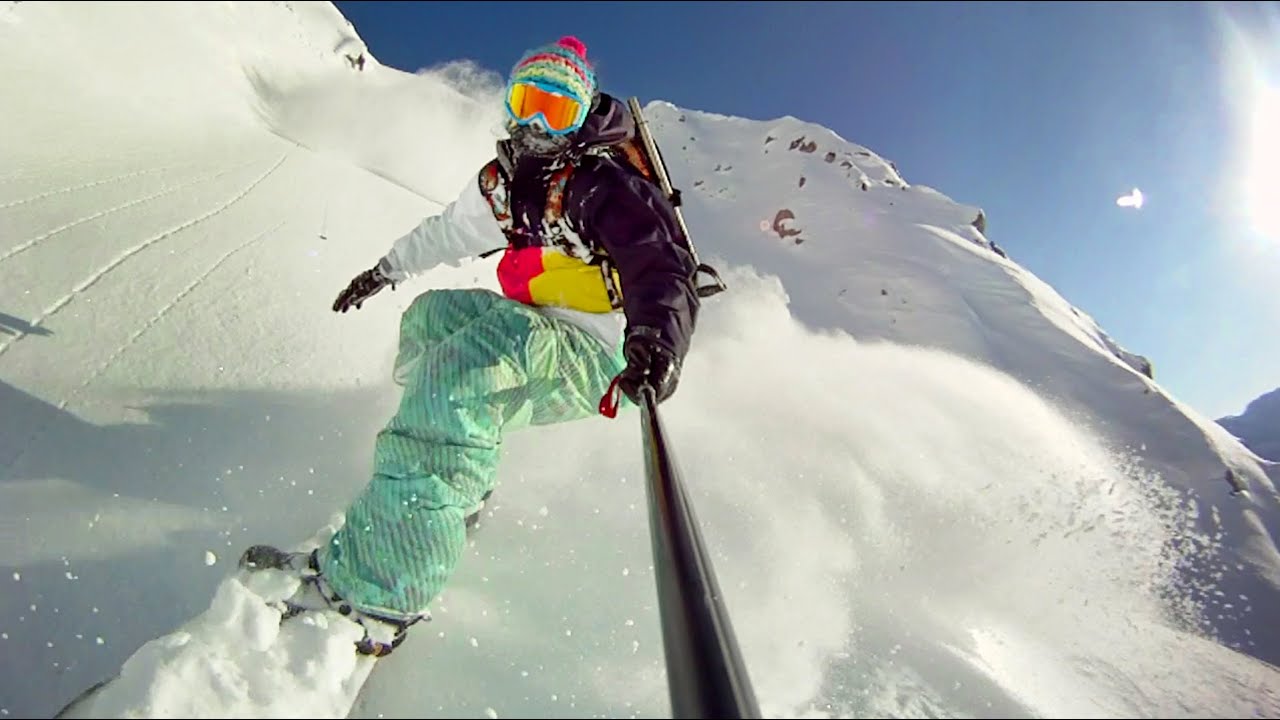
Customize your input with more control.
Result
What would you like to do next?
Your request will cost $0.80 to generate one four-second video. For $1 you can run this model approximately 1 time.
Additional seconds will cost $0.20 each, calculated at 24 frames per second.
Additional inference steps above 16 incur a 1/16 multiplier each, such that your total cost will be multiplied x2 at 32 steps, x3 at 48 and x4 at 64.
Logs
MAGI-1 | [image-to-video]
MAGI-1 delivers 4-second video generation at $0.80 per output with exceptional physics understanding and prompt adherence. Trading rapid iteration speed for motion coherence and physical accuracy, it produces 96-192 frame outputs at 24fps with automatic aspect ratio detection. Built for creators who need precise control over image-to-video transformations where narrative sequencing matters more than generation velocity.
Use Cases: Product Demonstrations | Social Media Content | Storyboard Animation
Performance
MAGI-1 positions as a premium image-to-video solution at $0.80 per 4-second video (720p, 16 inference steps), with granular cost control through resolution and frame scaling.
| Metric | Result | Context |
|---|---|---|
| Base Generation Cost | $0.80 per video | 4 seconds (96 frames) at 720p, 16 inference steps |
| Extended Duration | +$0.20 per second | Each additional 24 frames beyond base 96 |
| Resolution Options | 480p / 720p | 480p costs 0.5 billing units (50% reduction) |
| Inference Steps | 4 / 8 / 16 / 32 / 64 | Higher steps multiply cost: 2x at 32, 3x at 48, 4x at 64 |
| Generation Time | ~9 minutes | Per 4-second video at default settings |
Exceptional Physics Understanding and Prompt Precision
MAGI-1 uses a diffusion architecture optimized for physical interaction modeling and detailed prompt interpretation, contrasting with standard image-to-video models that prioritize speed over motion coherence.
What this means for you:
-
Multi-stage prompt handling: Processes complex, semicolon-separated scene descriptions to create narrative progression within short clips, ideal for storyboarding workflows requiring precise shot sequencing
-
Automatic aspect ratio detection: Intelligently analyzes input images to select optimal framing (16:9, 9:16, 1:1, or auto), with center-crop resizing when aspect ratios don't match
-
Granular quality control: Choose from 5 inference step presets (4/8/16/32/64) to balance quality against cost, with 16 steps as default sweet spot and 64 steps for maximum fidelity at 4x cost
-
Extended duration capability: Generate up to 8 seconds (192 frames) with per-second pricing increments, enabling longer narrative sequences without regenerating multiple clips
Technical Specifications
| Spec | Details |
|---|---|
| Architecture | MAGI-1 |
| Input Formats | Single image URL (JPEG, PNG, WebP, GIF, AVIF) + text prompt |
| Output Formats | MP4 video (24fps) |
| Frame Range | 96-192 frames (4-8 seconds) |
| Resolution | 480p or 720p (auto aspect ratio or 16:9/9:16/1:1) |
| License | Commercial use permitted |
API Documentation | Quickstart Guide | Enterprise Pricing
How It Stacks Up
Kling Video v2.6 Image to Video – MAGI-1 emphasizes detailed prompt interpretation and physics modeling for narrative control, while Kling v2.6 prioritizes production-ready output quality and motion smoothness. Check Kling's pricing for cost comparison on complex scene generation.
Pixverse Image to Video – MAGI-1 trades generation speed (9 minutes vs faster alternatives) for granular cost control through resolution/step scaling and extended duration options up to 8 seconds. Pixverse offers different pricing tiers optimized for rapid iteration workflows.
LongCat Video Image to Video – MAGI-1 provides 5 inference step presets for quality/cost optimization, while LongCat focuses on extended duration generation at 720p. Compare LongCat's approach for projects requiring longer video outputs.
MiniMax Hailuo 2.3 [Pro] – MAGI-1's automatic aspect ratio detection and multi-stage prompt handling suit narrative-driven content, while Hailuo 2.3 Pro emphasizes photorealistic motion and scene consistency. See Hailuo's capabilities for comparison on visual fidelity requirements.