openai/gpt-image-2/edit
Input
Hint: Drag and drop files from your computer, images from web pages, paste from clipboard (Ctrl/Cmd+V), or provide a URL.
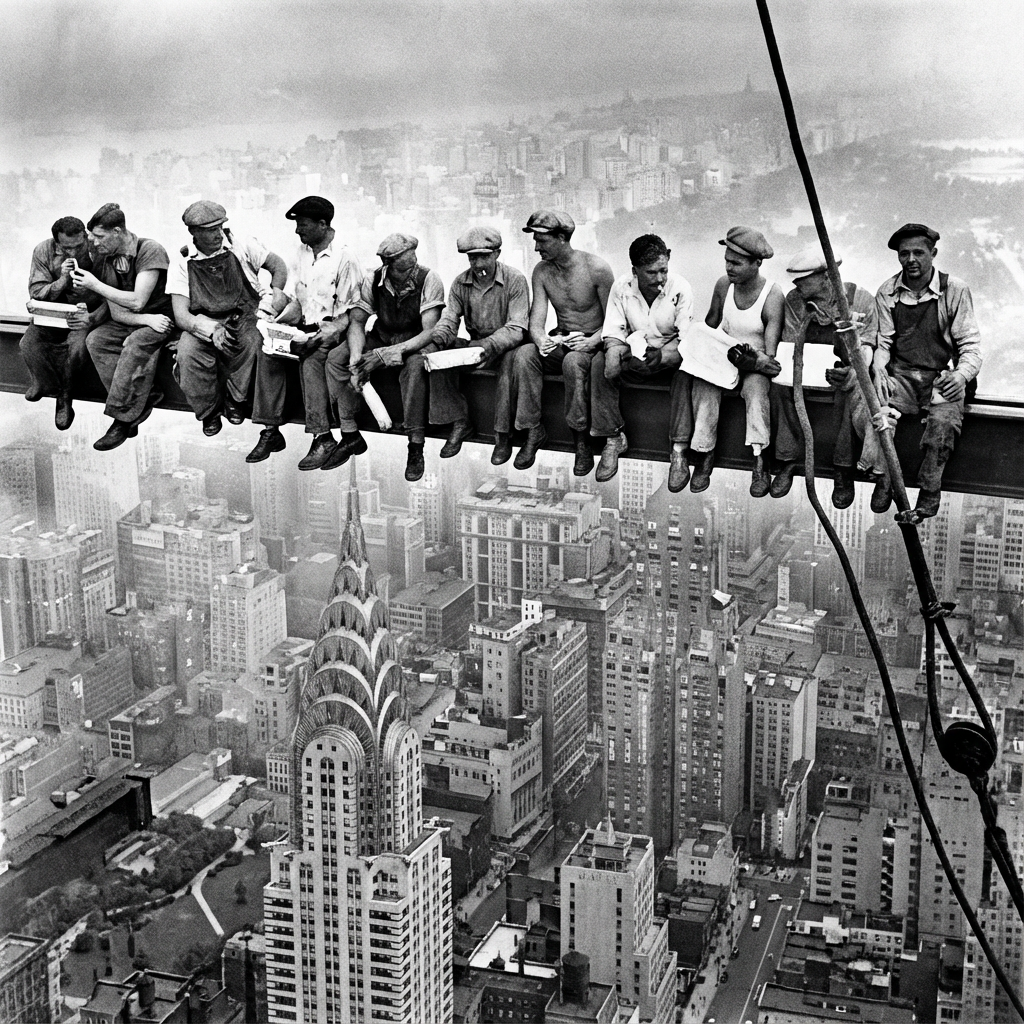
Customize your input with more control.
Result
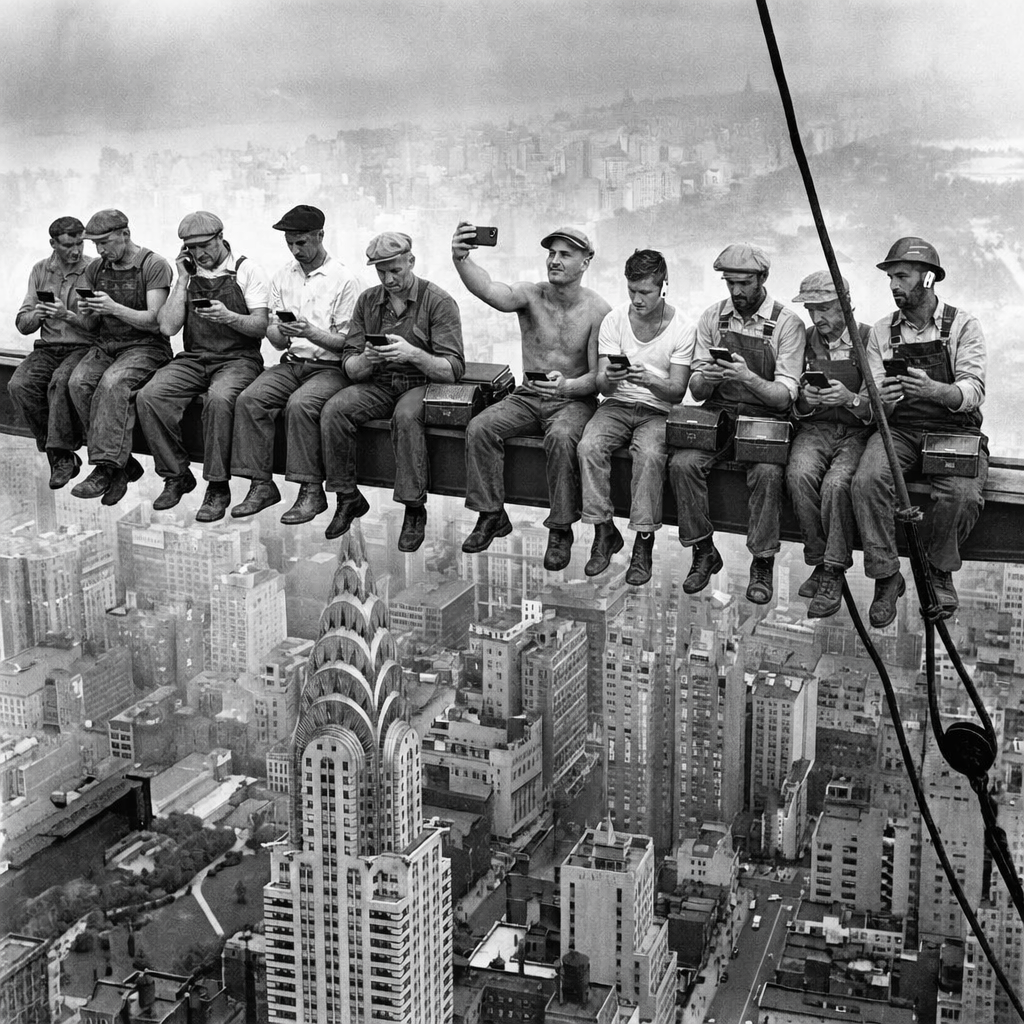

What would you like to do next?
Text tokens (per 1M): $5.00 input, $1.25 cached, $10.00 output. Image tokens (per 1M): $8.00 input, $2.00 cached, $30.00 output. Changing the quality parameter significantly affects cost; by default we use high. Adjust it to your preference. See the description at the bottom of this page for more details on how much canonical image sizes cost. Token cost is ceiled to the closest cent.
Logs
Run GPT Image 2 AI Image Editor API on fal
Official GPT Image 2 Landing Page
OpenAI's next-generation image model, now available as an image editing API via fal. Make fine-grained, detailed edits to existing images using natural language prompts and optional mask control.
Overview
`openai/gpt-image-2/edit` exposes GPT Image 2 as an image-to-image editing endpoint. Provide one or more reference images alongside a text prompt and the model will apply targeted edits while preserving the parts of the image you did not ask to change. For precise control over which region gets edited, pass an optional mask image to constrain the generation area.
This is the same underlying model as `fal-ai/gpt-image-2/`, optimized specifically for editing workflows rather than generation from scratch.
Streaming supported. This endpoint supports real-time streaming, so you can display partial results as they arrive rather than waiting for the full generation to complete.
Pricing
The following table shows the pricing of ChatGPT Images 2.0 from a technical standpoint, including one input image.
| Size | Low Quality | Medium Quality | High Quality |
|---|---|---|---|
| 1024 x 768 | $0.011 | $0.043 | $0.151 |
| 1024 x 1024 | $0.015 | $0.061 | $0.219 |
| 1024 x 1536 | $0.018 | $0.054 | $0.178 |
| 1920 x 1080 | $0.017 | $0.053 | $0.158 |
| 2560 x 1440 | $0.019 | $0.068 | $0.234 |
| 3840 x 2160 | $0.024 | $0.113 | $0.413 |
This implies the following: Longer prompts increase the cost, more complex requests (involving use of world knowledge, etc.) cost more, and larger images cost more.
What it can do
Fine-Grained Edits from Natural Language
Describe the change you want in plain text and the model applies it with precision. Style, lighting, objects, clothing, text overlays, and scene details can all be targeted through the prompt alone, without any masking required.
Mask-Based Inpainting
For surgical edits, pass a `mask_image_url` alongside your reference image. The white regions of the mask indicate the areas to edit; everything outside remains pixel-perfect. This is ideal for product photography touch-ups, background replacements, and UI asset updates.
Multi-Image Reference
The `image_urls` field accepts a list of images. This allows the model to draw context from multiple sources, useful for style transfer, composition blending, or editing images that require cross-reference context.
Auto Size Inference
When `image_size` is set to `auto` (the default for this endpoint), the model infers the output dimensions from the input image. This avoids accidental cropping or rescaling when editing existing assets.
Real-Time Streaming
Stream the result token by token as it is generated. Useful for interactive editing tools where responsiveness matters more than waiting for a polished final output.
Quick Start
Install the client
bashnpm install --save @fal-ai/client
Set your API key
bashexport FAL_KEY="YOUR_API_KEY"
Basic image edit
javascriptimport { fal } from "@fal-ai/client";

const result = await fal.subscribe("openai/gpt-image-2/edit", {
  input: {
    prompt: "Change the background to a rainy Tokyo street at night",
    image_urls: ["https://your-image-url.com/photo.png"],
  },
  logs: true,
  onQueueUpdate: (update) => {
    if (update.status === "IN_PROGRESS") {
      update.logs.map((log) => log.message).forEach(console.log);
    }
  },
});

console.log(result.data.images[0].url);
Edit with a mask
javascriptimport { fal } from "@fal-ai/client";

const result = await fal.subscribe("openai/gpt-image-2/edit", {
  input: {
    prompt: "Replace the sky with a dramatic sunset",
    image_urls: ["https://your-image-url.com/photo.png"],
    mask_image_url: "https://your-image-url.com/sky-mask.png",
    quality: "high",
    output_format: "png",
  },
});

console.log(result.data.images[0].url);
Streaming
javascriptimport { fal } from "@fal-ai/client";

const stream = await fal.stream("openai/gpt-image-2/edit", {
  input: {
    prompt: "Change the lighting to golden hour",
    image_urls: ["https://your-image-url.com/photo.png"],
  },
});

for await (const event of stream) {
  console.log(event);
}

const result = await stream.done();
API Reference
Input
| Parameter | Type | Default | Description |
|---|---|---|---|
`prompt` | string | required | Text description of the edit to apply |
`image_urls` | list of strings | required | One or more reference image URLs to edit |
`image_size` | enum or object | `auto` | Output size. `auto` infers from input image. Pass `{ width, height }` for custom dims |
`quality` | enum | `high` | `low`, `medium`, or `high` |
`num_images` | integer | `1` | Number of edited images to generate |
`output_format` | enum | `png` | `jpeg`, `png`, or `webp` |
`sync_mode` | boolean | `false` | Returns images as data URIs directly; output excluded from request history |
`mask_image_url` | string | optional | URL of a mask image. White regions indicate areas to edit |
`openai_api_key` | string | optional | Your OpenAI API key for BYOK usage |
Image size presets
| Preset | Dimensions |
|---|---|
`auto` | Inferred from input image (default for this endpoint) |
`square_hd` | 1024 x 1024 |
`square` | 512 x 512 |
`portrait_4_3` | 768 x 1024 |
`portrait_16_9` | 576 x 1024 |
`landscape_4_3` | 1024 x 768 |
`landscape_16_9` | 1024 x 576 |
Custom dimensions are also supported. Both edges must be multiples of 16:
json"image_size": {
  "width": 1920,
  "height": 1080
}
Output
json{
  "images": [
    {
      "url": "https://v3b.fal.media/files/...",
      "content_type": "image/png",
      "file_name": "output.png",
      "width": 1024,
      "height": 1024
    }
  ]
}
Using the Queue API
For production workloads or longer-running edits, submit requests asynchronously and retrieve results via webhook or polling.
javascript// Submit
const { request_id } = await fal.queue.submit("openai/gpt-image-2/edit", {
  input: {
    prompt: "...",
    image_urls: ["https://your-image-url.com/photo.png"],
  },
  webhookUrl: "https://your-server.com/webhook",
});

// Check status
const status = await fal.queue.status("openai/gpt-image-2/edit", {
  requestId: request_id,
  logs: true,
});

// Fetch result
const result = await fal.queue.result("openai/gpt-image-2/edit", {
  requestId: request_id,
});
File Inputs
The endpoint accepts image URLs or base64 data URIs. For images that are not publicly accessible, upload them first using the fal storage API:
javascriptimport { fal } from "@fal-ai/client";

const file = new File([imageBuffer], "photo.png", { type: "image/png" });
const url = await fal.storage.upload(file);

// Use the returned URL as image_urls[0] or mask_image_url
The client will also auto-upload binary objects (File, Blob, Buffer) if you pass them directly.
Use Cases
Product photo editing -- Swap backgrounds, adjust lighting, or update props in product photography without reshooting.
UI and design asset updates -- Edit screenshots, mockups, or design files by describing the change in plain text.
Portrait and photo retouching -- Adjust clothing, environment, or background details while keeping the subject untouched via masking.
Batch content variation -- Generate multiple edited variants of the same base image at different quality settings for A/B testing.
Interactive editing tools -- Use streaming mode to show real-time progress in editing UIs, reducing perceived wait time.
If you want to learn more visit our blog & our gpt image 2 page
How masks work
A mask image is a black-and-white PNG where:
- White pixels indicate regions the model is allowed to edit
- Black pixels indicate regions that must be preserved exactly
The mask must match the dimensions of the input image. If no mask is provided, the model decides which parts of the image to change based on the prompt alone.
Differences from the text-to-image endpoint
| Feature | `openai/gpt-image-2/edit` | `fal-ai/gpt-image-2` |
|---|---|---|
| Input images | Required | Not used |
| Mask support | Yes | No |
| Default image size | `auto` (from input) | `landscape_4_3` |
| Streaming | Yes | No |
| Use case | Edit existing images | Generate from scratch |