What Changed in GPT Image 1.5
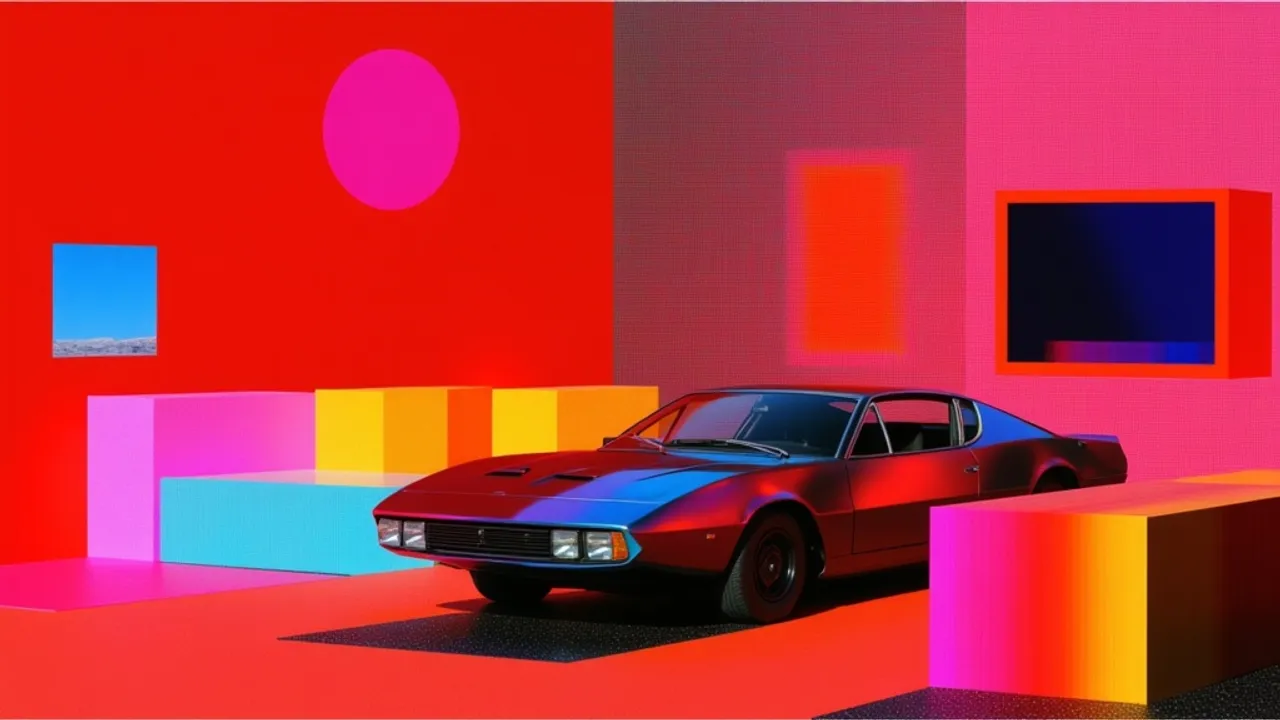
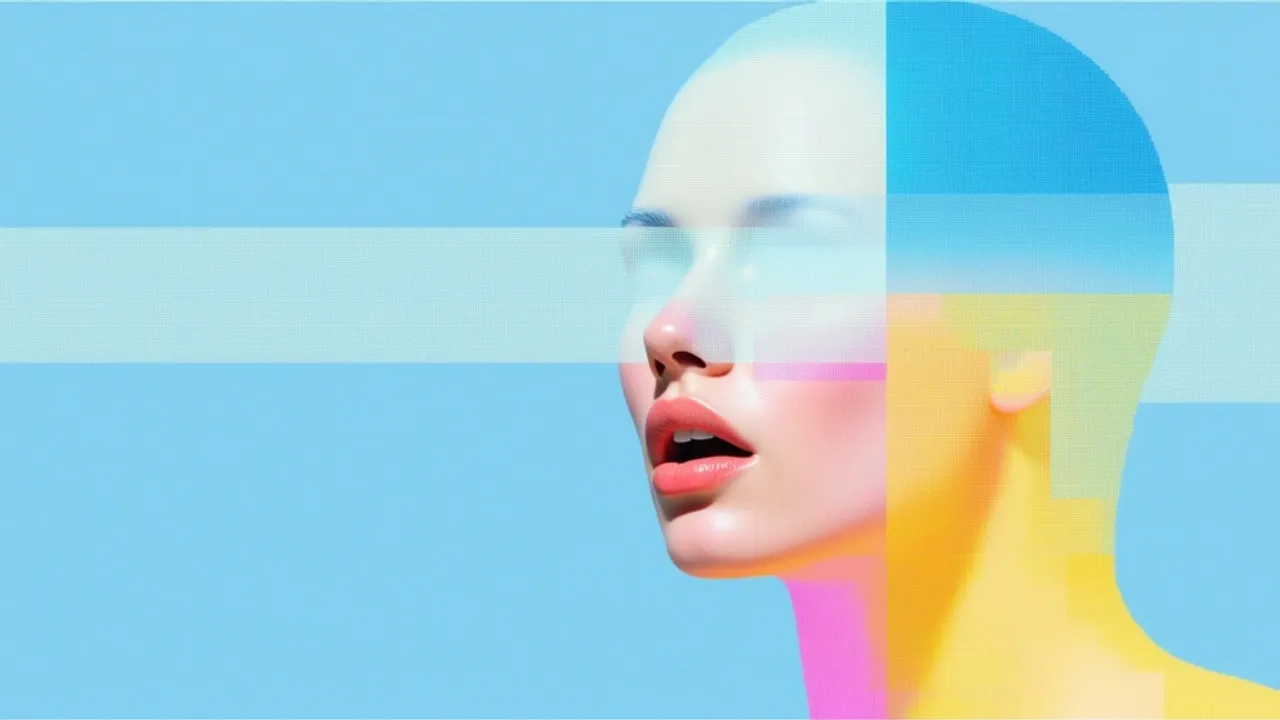
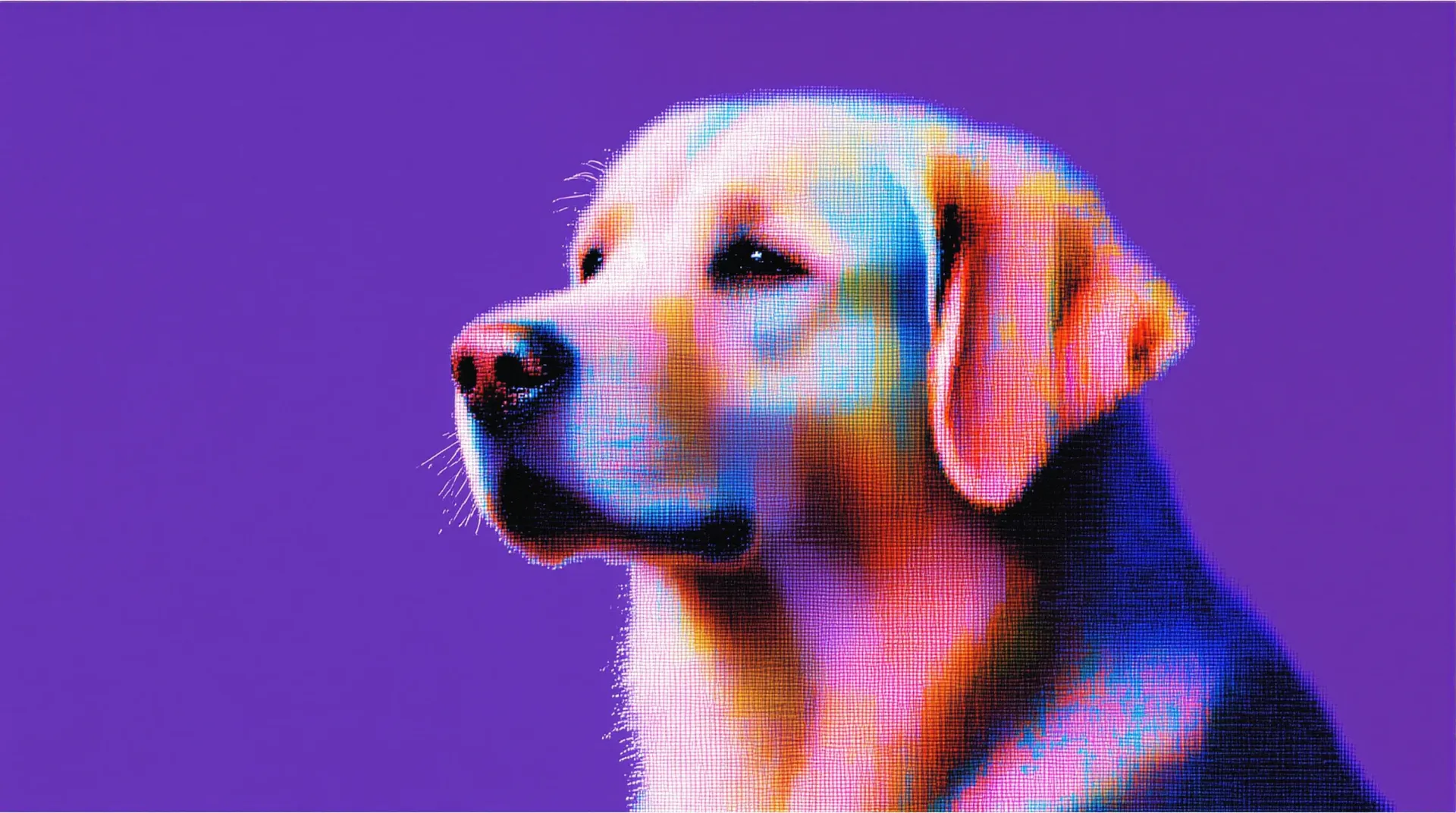
GPT Image 1.5 represents a significant leap forward in text-to-image generation, delivering high-fidelity visuals with strong prompt adherence and fine-grained detail preservation1. Available on fal, this model improves on its predecessor in three critical areas: composition preservation, lighting accuracy, and detail fidelity2.
The model processes natural language prompts conversationally, understanding context, spatial relationships, and temporal references. You can write: "Create a realistic image taken with an iPhone at these coordinates 41°43′32″N 49°56′49″W on 15 April 1912" and the model will interpret the historical context, lighting conditions, and photographic style appropriate to that era and location3.
Core Prompt Engineering Principles
Specificity Over Vagueness
Effective prompts balance detail with clarity. Instead of "a beautiful landscape," try "a misty mountain valley at dawn with golden light filtering through pine trees, reflecting off a still lake." The model responds well to sensory details: describe not just what you see, but how light behaves, what textures are present, and where elements are positioned.
Contextual Layering
Structure prompts in layers: subject, environment, lighting, style, and technical specifications. For example: "A street musician [subject] performing in a bustling Tokyo subway station [environment] under fluorescent lighting with motion blur on passing commuters [lighting and effect] captured in documentary photography style [style]."
Quality Cues and Medium References
Include visual medium references to set expectations. Phrases like "professional studio photography," "cinematic composition," or "technical illustration" guide the model toward specific rendering approaches. These cues work better than generic quality descriptors.
falMODEL APIs
The fastest, cheapest and most reliable way to run genAI models. 1 API, 100s of models
Parameter Configuration
The fal GPT Image 1.5 implementation offers several parameters that affect your results3.
| Parameter | Options | Use Case |
|---|---|---|
| image_size | 1024x1024, 1536x1024, 1024x1536 | Match aspect ratio to intended use: square for social media, landscape for environmental scenes, portrait for character studies |
| quality | low, medium, high | High for production work, medium for iteration, low for rapid prototyping |
| background | auto, transparent, opaque | Transparent for design compositing, auto for intelligent context-based selection |
| input_fidelity | low, high | High preserves composition in edits, low allows creative reinterpretation |
| output_format | jpeg, png, webp | PNG for lossless quality with transparency, JPEG for smaller files, WebP for balanced compression |
Quality Settings Trade-offs
The quality parameter accepts low, medium, or high settings, with high as the default. For production work, concept presentations, or final deliverables, use high quality. Medium quality works well for rapid iteration during the creative process. Reserve low quality for speed priorities or rough concept exploration.
Background Control
The background parameter offers three options: auto, transparent, or opaque. Transparent backgrounds prove valuable for design work, allowing you to composite generated elements into existing layouts. The auto setting intelligently determines background treatment based on your prompt context, while opaque ensures a fully rendered background every time.
Input Fidelity for Editing
When using the edit endpoint with reference images, the input_fidelity parameter controls how closely the output adheres to your source material. High fidelity preserves composition and major elements while applying your prompted changes. Low fidelity gives the model more creative freedom to reinterpret the scene.
Effective Prompt Examples
Photorealistic Scenes
"A weathered fishing boat docked at a New England harbor during golden hour, with lobster traps stacked on the deck, seagulls perched on the mast, and warm sunlight creating long shadows across the wooden planks. Shot with a 35mm lens, shallow depth of field."
This demonstrates several best practices: specific location context, time of day for lighting, concrete objects that add authenticity, and technical photography terms the model understands.
Historical Recreation
"A Victorian-era London street on a foggy evening, gas lamps creating pools of amber light, horse-drawn carriages on cobblestones, people in period clothing hurrying past shop windows displaying vintage goods. Atmospheric and cinematic."
Historical prompts benefit from period-specific details and atmospheric descriptions. GPT Image 1.5 understands temporal context and generates era-appropriate elements.
Conceptual and Surreal
"An impossible library where bookshelves extend infinitely in all directions including up and down, with readers sitting on floating chairs at various orientations, warm reading lights creating intimate spaces throughout, Escher-inspired architecture with stairs leading in contradictory directions."
For imaginative concepts, clearly describe the impossible elements while maintaining internal logic. The model handles surreal combinations well when you establish clear rules for your imagined world.
Product and Commercial
"A premium wireless headphone product shot on a minimalist white surface with subtle gradient lighting from upper left, creating soft shadows, metallic accents catching highlights, professional studio photography, ultra-clean background, commercial quality."
Commercial applications require explicit lighting direction, surface descriptions, and quality indicators. Mentioning "professional studio photography" helps the model understand the technical polish you're seeking.
Advanced Techniques
Prompt Iteration Strategy
Start with a core concept and systematically refine:
- First prompt establishes foundation: "A modern coffee shop interior"
- Second adds atmosphere: "A modern coffee shop interior with warm pendant lighting and exposed brick walls"
- Third incorporates human elements: "A modern coffee shop interior with warm pendant lighting, exposed brick walls, and a barista preparing espresso at a vintage machine"
Each iteration builds on previous success.
Lighting as a Priority Element
Lighting descriptions impact mood and realism. Instead of generic terms, specify:
- "rim lighting from behind"
- "diffused overcast light"
- "dramatic side lighting creating strong shadows"
- "soft box lighting eliminating harsh shadows"
GPT Image 1.5 responds precisely to these technical descriptions.
Compositional Guidance
Include framing and perspective:
- "wide-angle view"
- "close-up macro shot"
- "bird's eye view"
- "eye-level perspective"
- "Dutch angle"
These terms guide composition without requiring technical photography knowledge to understand the resulting aesthetic.
Common Mistakes to Avoid
Overloading with Contradictions
Requesting "photorealistic cartoon" or "minimalist detailed" creates conflicting objectives. Choose a clear direction and maintain consistency throughout your prompt. If you want stylistic fusion, explicitly describe how styles should blend: "photorealistic rendering with subtle anime-inspired character proportions."
Neglecting Negative Space
Describe what surrounds your subject. "A red sports car" generates very different results than "A red sports car on an empty desert highway with mountains in the distance." Context matters for composition and atmosphere.
Ignoring Output Format
The output_format parameter affects file size and quality characteristics. PNG provides lossless quality with transparency support, ideal for design work. JPEG offers smaller files for web use. WebP balances quality and compression. Choose based on your downstream requirements.
Underutilizing the Edit Endpoint
The edit endpoint accepts reference images and transforms them based on prompts. This capability enables workflows impossible with text-to-image alone: "Same workers, same beam, same lunch boxes, but they're all on their phones now. One is taking a selfie. One is on a call looking annoyed. Same danger, new priorities." This prompt transforms a historical image while preserving core composition3.
Implementation Considerations
Performance Characteristics
Generation times vary based on queue depth, system load, and quality settings. High quality settings produce more detailed results but require additional processing time. Low quality settings generate faster while maintaining visual quality that exceeds previous-generation models. For real-time applications, consider using the Queue API to manage asynchronous requests efficiently.
Batch Processing
The num_images parameter generates 1-4 images per request, useful for exploring variations or A/B testing creative concepts. For large-scale batch operations, implement proper error handling and retry logic to manage API response patterns. Review the fal.ai documentation for best practices on batch processing workflows.
Production Deployment
When deploying to production, consider these factors:
- Implement exponential backoff for retry logic
- Cache generated images to avoid redundant API calls
- Monitor generation patterns to optimize quality settings based on actual use cases
- Use sync_mode for immediate results when building interactive applications
Mastering GPT Image 1.5 requires understanding both its technical parameters and the art of descriptive language. The model's natural language processing means you don't need to learn artificial prompt syntax; you need to learn how to describe visual concepts with precision and clarity.
Start every project by defining your core objective. Are you creating marketing materials requiring specific brand aesthetics? Exploring creative concepts that push boundaries? Generating reference images for further development? Your objective shapes every prompt decision.
GPT Image 1.5 represents a new generation of image synthesis where your ability to communicate visually through text becomes the primary creative skill.
Recently Added














References
-
OpenAI. "Gpt-image-1.5 Prompting Guide." OpenAI Cookbook, 2025. https://cookbook.openai.com/examples/multimodal/image-gen-1.5-prompting_guide ↩
-
OpenAI Developers. "GPT-Image-1.5 rolling out in the API and ChatGPT." OpenAI Developer Community, 2025. https://community.openai.com/t/gpt-image-1-5-rolling-out-in-the-api-and-chatgpt/1369443 ↩
-
fal.ai. "GPT-Image 1.5." fal.ai, 2025. https://fal.ai/models/fal-ai/gpt-image-1.5/llms.txt ↩ ↩2 ↩3