fal-ai/pika/v2.2/pikaframes
Input
Hint: Drag and drop files from your computer, images from web pages, paste from clipboard (Ctrl/Cmd+V), or provide a URL.

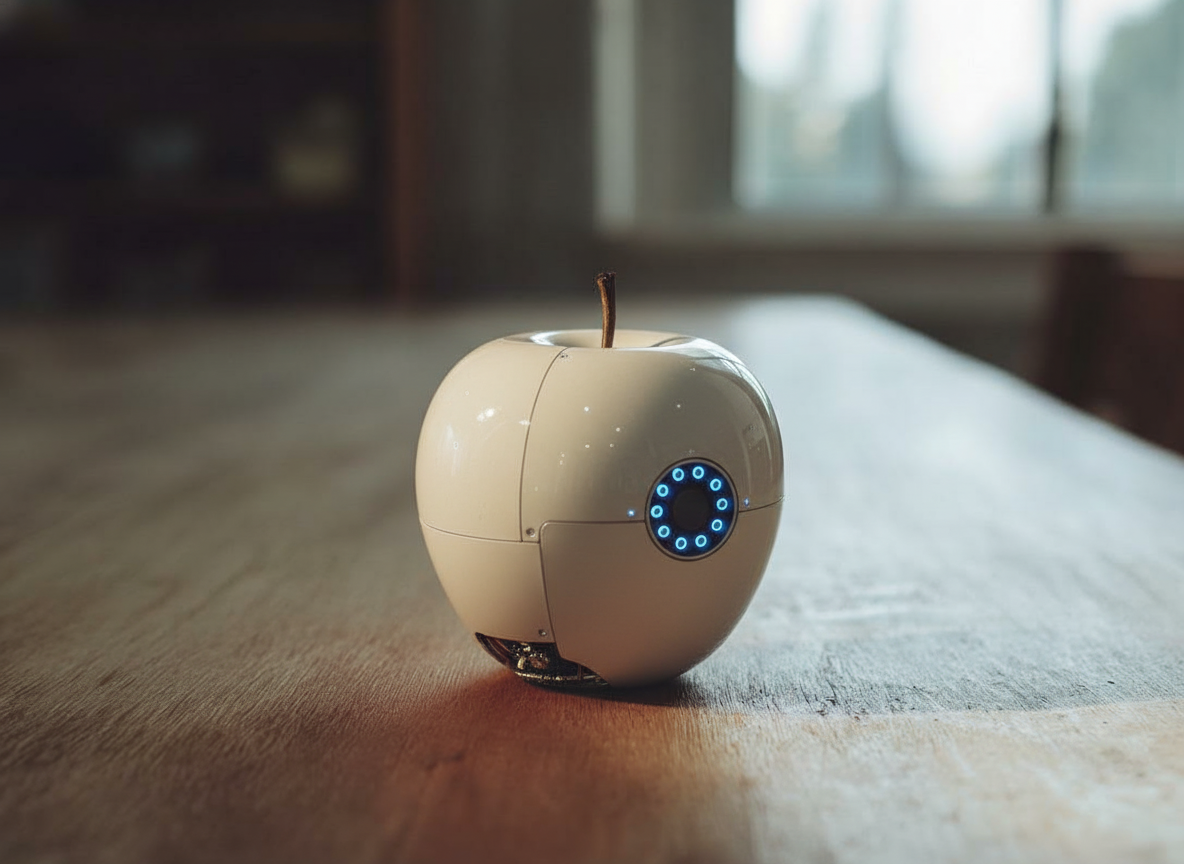
Customize your input with more control.
Result
What would you like to do next?
Your request will cost $0.04 per second for 720p or $0.06 per second for 1080p, with a minimum of 5 billable seconds - $0.20 for 720p and $0.30 for 1080p.
Logs
Pika V2.2 (Pikaframes) | [image-to-video]
Pika V2.2 keyframe interpolation system transforms 2-5 images into seamless video sequences at $0.04 per second (720p), delivering precise control over transitions and timing. Trading single-image animation for multi-frame narrative control, this approach lets you choreograph complex visual stories by defining exact moments and letting the model interpolate between them. Built for creators who need frame-level precision without manual animation work.
Use Cases: Product demonstrations with controlled camera moves | Character animation across multiple poses | Visual storytelling with specific scene transitions
Performance
At $0.04/second for 720p ($0.20 minimum) and $0.06/second for 1080p ($0.30 minimum), Pika's keyframe approach delivers cost-predictable video generation where duration directly determines price.
| Metric | Result | Context |
|---|---|---|
| Keyframe Support | 2-5 images | Multi-image input for narrative control |
| Max Duration | 25 seconds total | Across all transitions combined |
| Cost per Second | $0.04 (720p) / $0.06 (1080p) | 5-second minimum billable ($0.20/$0.30) |
| Resolution Options | 720p, 1080p | Standard and HD output |
| Related Endpoints | Pika Text-to-Video v2.2, Pika Effects, Pika Scenes | Prompt-only generation, special effects, and scene composition variants |
Frame-Level Control Without Manual Animation
Unlike single-image-to-video models that animate from one starting point, Pika's keyframe interpolation system accepts multiple reference images and generates the motion between them. You define the narrative moments; the model handles the transition physics.
What this means for you:
- Narrative choreography: Upload 2-5 keyframes defining your story beats, then customize transition duration and prompts for each segment, controlling pacing without timeline editing
- Per-transition prompting: Apply different motion descriptions to each keyframe pair (e.g., "slow zoom" between frames 1-2, "fast pan" between 2-3) for complex camera work
- Predictable duration control: Total transitions capped at 25 seconds with explicit length settings per segment, eliminating guesswork on final video length before generation
- Resolution flexibility: Choose 720p for rapid iteration ($0.04/sec) or 1080p for final output ($0.06/sec) based on workflow stage
Technical Specifications
| Spec | Details |
|---|---|
| Architecture | Pika v2.2 keyframe interpolation |
| Input Formats | 2-5 image URLs (JPEG, PNG) |
| Output Formats | MP4 video |
| Max Total Duration | 25 seconds (all transitions combined) |
| License | Commercial use permitted |
API Documentation | Quickstart Guide | Enterprise Pricing
How It Stacks Up
Pika Text to Video v2.2 – Pikaframes trades prompt-only simplicity for keyframe-level narrative control at identical per-second pricing ($0.04/sec 720p). Text-to-Video generates from descriptions alone, ideal for exploratory generation where exact framing matters less than concept iteration.
Pika Text to Video v2.1 – Previous generation text-only endpoint maintains same pricing structure but lacks multi-image input. Pikaframes v2.2 adds keyframe interpolation for creators who need to define specific visual moments rather than describing motion verbally.
Pika Effects – Specialized for single-image effects (inflate, melt, crush) with simpler motion primitives. Pikaframes prioritizes multi-frame storytelling and custom transitions over preset effect types, trading effect library breadth for narrative sequencing control.
Pika Scenes – Scene-focused variant emphasizes environmental composition. Pikaframes offers broader transition control across any image sequence type, ideal when you're choreographing action between defined moments rather than building scenes from scratch.