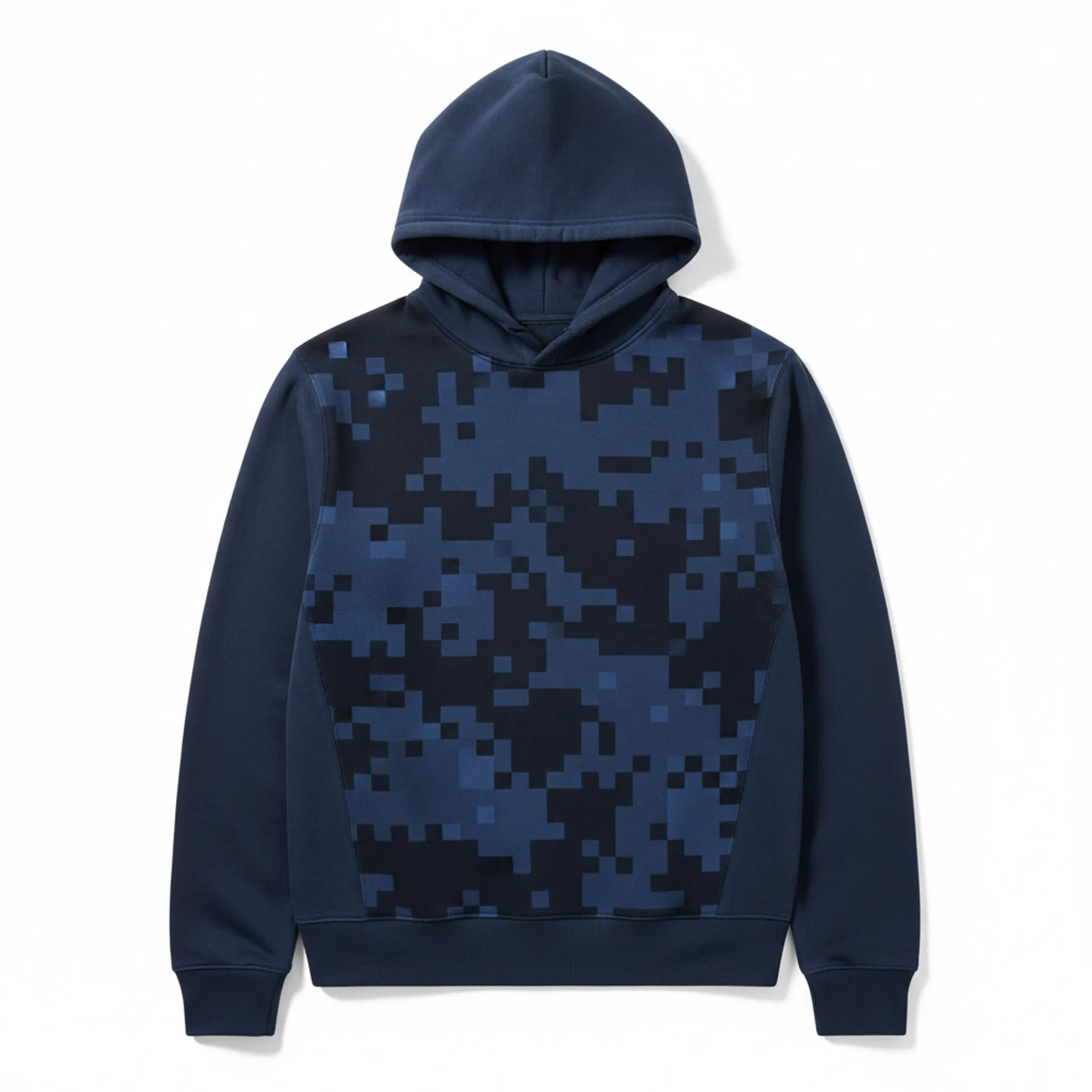
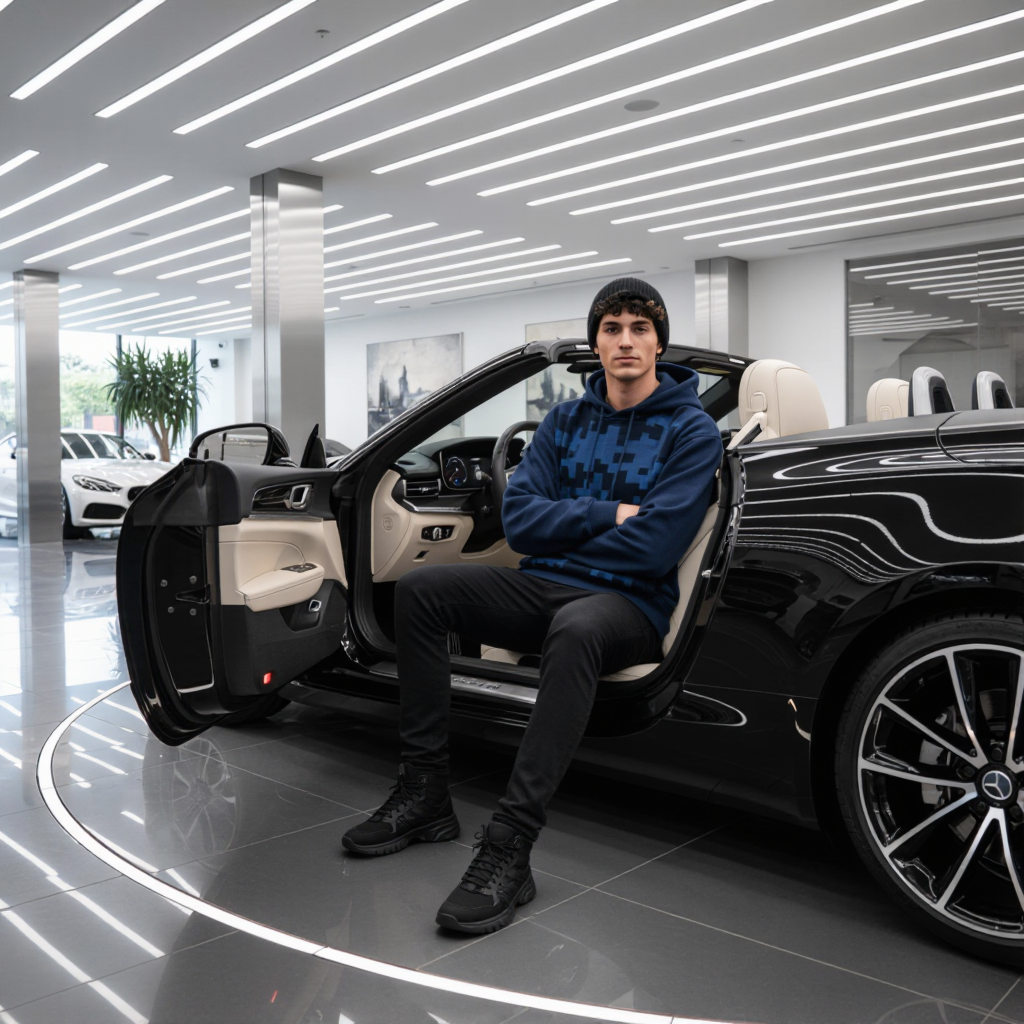
Kling O1 Image [image-to-image]
Kwai's Kling O1 Image delivers precise multi-reference image editing at $0.028 per image, supporting up to 10 reference images with resolution options to 2K. Trading raw speed for semantic accuracy through reference-based composition, it handles complex transformations like "Put @Image1 to the back seat of the car in @Image2" where context preservation matters more than generation time. Built for developers who need consistent visual logic across multiple input sources without manual masking or regional controls.
Built for: Multi-image composition workflows | Subject transplantation with context preservation | Style transfer across reference sets
Reference-Based Editing Without Manual Masks
Kling O1 Image uses a numbered reference system (@Image1, @Image2, etc.) to interpret relationships between up to 10 source images, eliminating the need for manual masking or regional prompting common in traditional image-to-image models. The architecture prioritizes semantic understanding - knowing what "put @Image1 in @Image2" means contextually rather than requiring pixel-level editing instructions.
What this means for you:
- Multi-reference composition: Process up to 10 input images in a single prompt with explicit @Image syntax for precise source control
- Contextual transplantation: Move subjects between scenes while maintaining lighting, perspective, and visual consistency without layer management
- Resolution flexibility: Generate at 1K (standard) or 2K (high-resolution) with intelligent aspect ratio detection across 9 preset ratios
- Batch generation: Output 1-9 variations per request with consistent reference interpretation across all outputs
Kling O1 Image positions as a precision editing tool rather than a speed-optimized generator, with pricing reflecting the multi-reference processing overhead.
| Metric | Result | Context |
|---|
| Cost per Image | $0.028 | 36 generations per $1.00 on fal |
| Max Input Images | 10 images | Highest multi-reference capacity in fal's image-to-image category |
| Resolution Options | 1K / 2K | 2K mode for high-resolution outputs up to 4 megapixels |
| Output Formats | JPEG, PNG, WebP | Format selection controls file size vs quality tradeoff |
Technical Specifications
| Spec | Details |
|---|
| Architecture | Kling O1 Image |
| Input Formats | Up to 10 reference images via URL (HTTPS), referenced as @Image1-@Image10 in prompts |
| Output Formats | JPEG, PNG, WebP |
| Max Resolution | 2K (high-resolution mode) |
| Prompt Length | Up to 2,500 characters with inline @Image references |
| License | Commercial use (Partner) |
API Documentation
How It Stacks Up
NAFNet-deblur Image to Image - Kling O1 Image prioritizes multi-reference semantic editing for compositional transformations, making it ideal for workflows requiring context-aware subject transplantation across multiple source images. NAFNet-deblur focuses on single-image restoration tasks like motion blur removal and noise reduction, where reference-based editing isn't required and restoration quality is the primary metric.
 fal-ai/kling-image/o1